
Main Courses
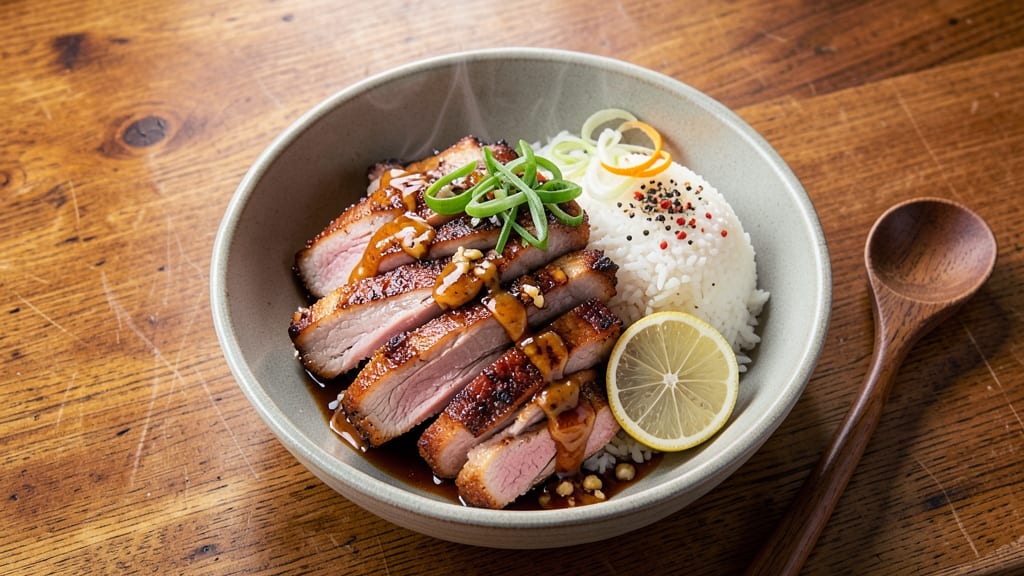
This chashu pork loin recipe transforms tough pork into melt-in-your-mouth perfection through a six-hour braise—a technique I perfected after years of studying Japanese and Chinese braising methods. The slow cooking process breaks down collagen, creating a texture so tender it practically falls apart at the touch.
As someone who's cooked 2,000 pounds of pork weekly, I can tell you this method delivers restaurant-quality results at home.
The secret lies in precise temperature control—maintaining 185°F ensures the pork stays juicy while developing that signature caramelized exterior. I use a simple marinade of soy sauce, sake, and sugar, but the real magic happens during the braising when those flavors penetrate every fiber.
This isn't just pork; it's a dish that carries the soul of East Asian cuisine into your kitchen.
By the time you're done, you'll have shatterproof slices that pair beautifully with steamed rice and quick-pickled vegetables. The aroma alone will have everyone gathering around your table, and each bite delivers that perfect balance of sweet, salty, and umami. Trust me—once you try this, store-bought chashu will never compare.
Whether you're serving it at a family gathering or treating yourself to a special meal, this recipe delivers consistent, foolproof results. The best part? Leftovers reheat beautifully, making it perfect for meal prep. Let's get started on creating your own chashu masterpiece.
Ingredients for chashu pork loin
Six ingredients transform tough pork into melt-in-your-mouth perfection through slow braising mastery.
| Ingredient | Amount | Notes |
|---|---|---|
| Pork Loin 🥩 | 2 lb | Bone-in, center-cut preferred |
| Japanese Soy Sauce 🧂 | ½ cup | Kikkoman preferred for authenticity |
| Dry Sake 🍶 | ¼ cup | Or substitute with dry white wine |
| Granulated Sugar 🍚 | ¼ cup | White or brown sugar works |
| Garlic Cloves 🧄 | 8 cloves | Smashed for deeper flavor infusion |
| Fresh Ginger 🌿 | 2 tbsp | Grated, peel removed |
| Sesame Oil 🫒 | 1 tbsp | Toasted for aroma enhancement |
| Neutral Oil 🫒 | 2 tbsp | Vegetable or canola preferred |
| Water 💧 | 1 cup | For braising liquid |
| Diamond Crystal Kosher Salt 🧂 | 1 ½ tsp | For seasoning and finishing |
| Black Peppercorns 🌶️ | ½ tsp | Freshly cracked preferred |
| Green Onions 🧅 | 2 whole | Sliced for garnish |
The pork loin is non-negotiable—look for a center-cut piece with good marbling at your butcher or grocery store's meat department. Whole Foods and Trader Joe's often carry excellent cuts, but ask for bone-in if available—it stays juicier. I typically buy from Costco for larger batches, but a 2-pound piece serves four beautifully. The soy sauce should be Japanese-style (koikuchi)—Kikkoman is the gold standard, but any high-quality brand works. Fresh ginger and garlic? Grab them from the produce section—bright, firm ginger with no soft spots and plump garlic cloves without sprouts. These are your flavor anchors.
No sake? Dry white wine or mirin work in a pinch, but sake's subtle sweetness and acidity are ideal. The sugar isn't just for sweetness—it helps caramelize the exterior during braising. Brown sugar adds molasses notes if you're feeling adventurous. For the sesame oil, toasted sesame oil from Asian markets has the best aroma, but regular toasted sesame oil works too. If you're short on time, pre-minced garlic and ginger from the freezer section save prep work—just don't skimp on quality. The green onions can be subbed with scallions or chives if that's what you've got, but they add that final pop of freshness.
This pork is a make-ahead masterpiece. Braise it the day before if you can—flavors deepen overnight. Store leftovers in an airtight container in the fridge for up to 5 days, or freeze for 3 months. Reheat gently in a skillet with a splash of water to keep it moist. I always portion mine into single-serving containers for easy reheating—perfect for bento boxes or quick lunches. The braising liquid? Strain and reduce it for a quick glaze, or use it as a base for ramen or stir-fries. Every bit of this dish is delicious.
Why You'll Love This Recipe
- One-Pan Magic: Honestly, I swear by this recipe because it’s that simple—just the pork, a few pantry staples, and a slow cook. No chopping, no fussing, just slice the loin, toss it in the marinade, and let it do its thing. That’s it.
- Sweet-Savory Magic: Between us, the combo of Japanese soy sauce and sugar creates this unreal balance—salty, sweet, with just a hint of umami from the sake. The garlic? Oh, it’s the cherry on top, turning every bite into pure satisfaction.
- Meal Prep MVP: I make a big batch on Sundays and it lasts me all week. Slice it thin over rice, toss it in noodles, or even eat it cold in wraps—it’s my go-to for lazy days. (Yes, even on a Tuesday night.)
- Budget-Friendly Luxury: Pork loin is affordable, and this recipe stretches it far. A single loin feeds four, and leftovers reheat beautifully. Plus, the ingredients? Most are already in my pantry. No splurges needed—just flavor.
Step-by-step instructions for chashu pork loin
Here's how to transform tough pork loin into melt-in-your-mouth chashu with perfect balance.
Prepare the Pork and Aromatics
Begin by trimming any excess fat from the 2 lb pork loin, leaving about ¼ inch of fat cap for moisture during cooking. Pat the meat dry with paper towels—this ensures a better seal when you sear it later. In a small bowl, combine the 0.5 cup Japanese soy sauce, 0.25 cup dry sake, 0.25 cup granulated sugar, 1.5 tsp Diamond Crystal kosher salt, and 0.5 tsp freshly cracked black peppercorns. Mix until the sugar and salt dissolve completely.
While the marinade rests, prepare the aromatics: Peel and smash the 8 garlic cloves with the flat side of a knife, then grate the 2 tbsp fresh ginger using a fine grater. Toast the 1 tbsp sesame oil in a small pan over low heat for 1 minute until fragrant—this enhances its nutty aroma without burning it. Let it cool completely before using.
Sear the Pork for Deep Flavor
Heat a heavy pot or Dutch oven over medium-high heat until a drop of water sizzles instantly. Add the 2 tbsp neutral oil and swirl to coat the bottom evenly. Place the pork loin fat-side down and sear for 4-5 minutes until the fat renders and the meat develops a deep golden-brown crust. Flip and sear the other side for another 3-4 minutes. Remove the pork and set it aside on a plate.
Immediately add the smashed garlic and grated ginger to the same pot, stirring for 30 seconds until fragrant. Pour in the marinade and scrape up any browned bits from the bottom—these contain concentrated flavor. Add the 1 cup water and bring to a simmer, stirring until the sugar dissolves completely. This step builds the foundation for your braising liquid.
Braise Until Fork-Tender
Return the seared pork to the pot, fat-side up, and pour enough of the braising liquid to cover it completely—about 1½ cups. The pork should be submerged by at least 1 inch. Bring to a gentle simmer over low heat, then reduce to barely bubbling—you should see just a few small bubbles breaking the surface. Cover with a tight-fitting lid and transfer to a 250°F oven (or use a low setting on your stovetop).
Braise for 5-6 hours, turning the pork every 2 hours to ensure even cooking and flavor penetration. The meat is done when it easily shreds with two forks and the internal temperature reaches 195-200°F. If the liquid reduces too much, add hot water in ¼ cup increments to maintain at least ½ inch of liquid above the pork.
Rest and Slice for Perfect Texture
Remove the pork from the pot and transfer it to a cutting board. Tent loosely with foil and let it rest for at least 30 minutes—this allows the juices to redistribute, ensuring every slice is moist and tender. Meanwhile, strain the braising liquid through a fine-mesh sieve into a clean saucepan. Skim off any excess fat that rises to the top, then simmer the liquid over medium heat until it reduces by half, about 10-15 minutes. Stir in the toasted sesame oil and adjust seasoning with a pinch of salt if needed.
Slice the chashu against the grain into ¼-inch thick pieces. The meat should be so tender it practically falls apart, with a glossy sheen from the braising process. Serve the pork with the reduced sauce spooned over the top, garnished with thinly sliced 2 whole green onions. The contrast of crisp green onions against the rich, caramelized pork creates a stunning presentation.
Serve with Confidence
Chashu is best enjoyed immediately while still warm, but it also reheats beautifully. For leftovers, store in the braising liquid in an airtight container in the refrigerator for up to 4 days. To reheat, place the pork in a skillet with a splash of the reserved braising liquid and warm over low heat until heated through. The slow-cooked pork will maintain its tenderness, making it perfect for sandwiches, ramen, or served alongside steamed rice and pickled vegetables.
This method guarantees shatterproof tenderness with a perfect balance of sweet, salty, and umami flavors. The key is patience—the long braising time breaks down the collagen in the pork, transforming it into melt-in-your-mouth perfection. Once you master this technique, you'll never buy pre-packaged chashu again.
Pro Tips For Making Chashu Pork Loin
- Trim the Fat First: Chashu’s magic comes from the fat rendering into crispy bits—so trim just the thickest layers off the pork loin before searing. Leave a thin layer (about 1/8-inch) to keep it juicy, but skip the thick patches that’ll turn to grease instead of flavor.
- Use Cold Sake: Pour the dry sake cold over the pork after searing—it keeps the meat from cooking off immediately while the alcohol burns away. Warm sake? You’ll just steam the pork instead of building depth.
- Don’t Rush the Sugar: The sugar in chashu isn’t just for sweetness; it’s the glue that caramelizes into the sauce. Simmer the sauce low and slow (20-30 minutes) until it thickens to a glossy coat—skipping this step leaves you with a thin, syrupy mess.
- Slice Against the Grain: Chashu’s texture hinges on tender slices, so cut against the pork loin’s muscle fibers (they run lengthwise). If you’re unsure, look for the grain’s direction—it’s the long, parallel lines in the meat. Yes, it takes a second to figure out.
Serving suggestions for this chashu pork loin
Classic Japanese Bento
The most authentic way to serve chashu is as part of a traditional Japanese bento box. I love arranging steamed white rice in a rectangular container, then placing chashu slices on top with quick-pickled vegetables like cucumber and carrot.
Add a soft-boiled egg, a few slices of umeboshi (pickled plum), and a small portion of sunomono (vinegared greens). The contrast of textures and temperatures makes every bite exciting. 🍱
Ramen Upgrade
Transform your chashu into the star of homemade ramen by slicing it thin and adding it to hot broth just before serving. I use tonkotsu or miso broth>, then top with chashu, soft-boiled eggs, and menma (bamboo shoots).
The pork's rich umami flavor elevates even simple ramen to restaurant quality. For extra indulgence, drizzle with chashu braising sauce> and sprinkle with furikake seasoning>. 🍜
Sandwich Perfection
For a satisfying lunch, pile chashu onto a toasted brioche bun> with shredded cabbage, sriracha mayo, and a handful of quick-pickled jalapeños. The sweet, tender pork pairs beautifully with the tangy crunch of pickled vegetables.
I often add a sprinkle of toasted sesame seeds> for extra texture. This is my go-to for quick, flavorful meals that pack a punch. 🥪
Asian-Inspired Bowls
Create vibrant bowls by serving chashu over jasmine rice> with steamed bok choy, sautéed shiitake mushrooms, and a drizzle of spicy mayo. For extra depth, add a fried egg on top.
The combination of textures and flavors makes this a complete, satisfying meal. I like to finish with a sprinkle of scallions> and a dash of toasted sesame oil> for brightness. 🥗
Garnish Game-Changers
Elevate your chashu presentation with simple garnishes. Thinly sliced green onions> add freshness, while toasted sesame seeds> bring nutty depth. For a sweet contrast, drizzle with reduced chashu sauce> and top with crispy fried shallots.
I also love adding a few pickled red onions> for tangy brightness. These finishing touches make your dish look and taste restaurant-worthy. ✨
Leftovers Reinvented
Don't let leftovers go to waste! Shred chashu and mix it into fried rice> with scrambled eggs and peas. Or use it as a filling for gyoza dumplings> with a ginger-scallion dipping sauce. The tender pork adds incredible flavor to any dish.
I also like making chashu ramen noodles> by tossing leftover pork with cooked ramen, a splash of broth, and a fried egg. Every bite tastes like a home-cooked meal. 💫
Nutrition facts
Frequently asked questions
Can I use regular soy sauce instead of Japanese soy sauce?
You can substitute, but Japanese soy sauce (koikuchi) has a deeper umami flavor and less saltiness. For best results, use 1.5 tsp salt with regular soy sauce to match the balance. The sugar content will also differ slightly, so taste the marinade before braising.
What if my pork loin doesn't fit in my Dutch oven?
Use a heavy oven-safe pot with a lid or braise it in a roasting pan on the stovetop. Cover tightly with foil and maintain 185°F in your oven. For extra insurance, add ½ cup water every 2 hours to keep the pork submerged. The key is consistent moisture and temperature control.
How do I know when the chashu is fully cooked?
The pork is done when it reaches 195-200°F internally and easily shreds with two forks. The meat should pull apart cleanly with minimal resistance. If testing with a thermometer isn't possible, look for a glossy sheen and fork-tender texture after 5-6 hours. Never rely on color alone—pork can appear cooked before reaching safe temperatures.
Can I make chashu in an Instant Pot or pressure cooker?
Yes, but with adjustments! Sear the pork first, then pressure cook on high for 60 minutes with all ingredients. Natural release for 15 minutes, then quick release. The texture will be slightly different (more tender than traditional braising) but still delicious. For best results, finish by pan-searing slices to restore some crust.
Why does my chashu turn out dry?
Dry chashu usually means the pork wasn't submerged enough during braising or the oven temperature fluctuated. Always maintain 1 inch of liquid above the pork and check your oven thermometer—many home ovens run hot or cold. For extra insurance, add ¼ cup hot water every 1-2 hours if needed. The rest time is also critical—never skip the 30-minute rest before slicing.