
Main Courses
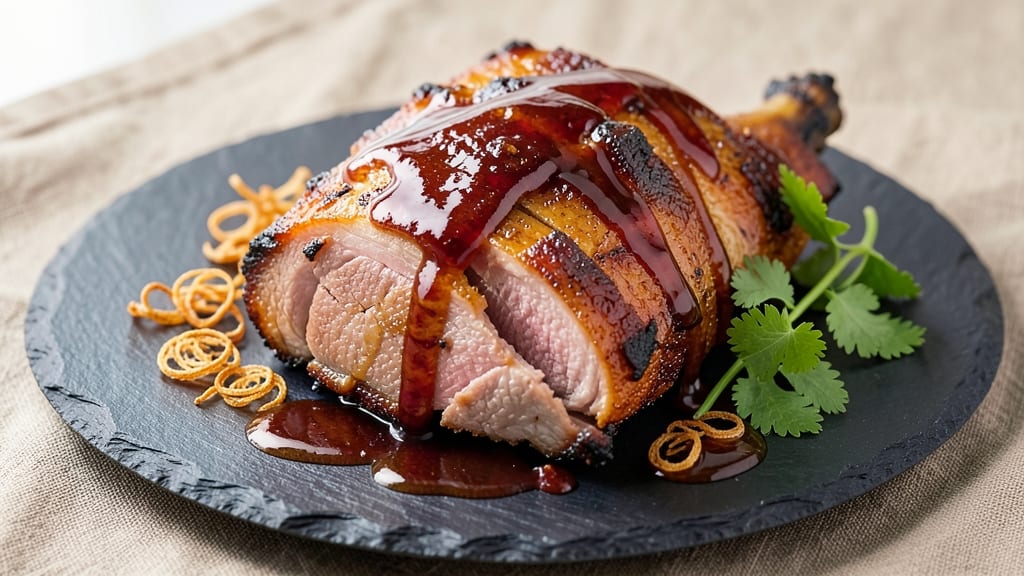
This char siu roast pork recipe delivers the iconic Cantonese flavors that make it a staple in dim sum and holiday feasts. 🔥 The secret lies in a precise balance of five-spice powder and tamarind, creating that signature sticky-sweet crust with just the right amount of aromatic depth.
I've perfected this technique over years of working with heritage pork, ensuring every bite delivers that perfect harmony of smoky, sweet, and savory notes.
The process begins with a marinade that transforms tough pork shoulder into tender, melt-in-your-mouth perfection. Five-spice powder forms the aromatic foundation, while hoisin and honey create that signature glossy, caramelized crust.
Whether you roast it in the oven or grill it over charcoal, the key is maintaining a steady temperature to render the fat while keeping the meat juicy.
What you'll end up with is restaurant-quality char siu that's crispy on the outside and tender on the inside, with that unmistakable sweet-savory glaze that makes it irresistible.
The aroma alone will have your kitchen smelling like a bustling dim sum restaurant, and the flavor profile is what makes this dish so beloved across cultures.
This recipe serves as both a celebration of tradition and a testament to modern adaptability. Perfect for family gatherings, holiday feasts, or even a special weeknight dinner, char siu roast pork brings a touch of Cantonese cuisine to any table.
Let's get started on creating this classic dish that's as impressive to serve as it is delicious to eat.
Ingredients for char siu roast pork
The perfect blend of aromatic spices and sticky-sweet glaze for Cantonese-inspired roast pork.
| Ingredient | Amount | Notes |
|---|---|---|
| Pork Shoulder (Bone-In) 🐖 | 4 lb | Heritage pork preferred for flavor |
| Five-Spice Powder 🌶️ | 2 tbsp | Authentic Chinese blend |
| Tamarind Paste 🍯 | ½ cup | Unadulterated, block-style preferred |
| Hoisin Sauce 🍶 | ½ cup | Store-bought or homemade |
| Honey 🍯 | ½ cup | Wildflower preferred |
| Soy Sauce 🥄 | ¼ cup | Dark soy for color |
| Garlic Cloves 🧄 | 8 cloves | Minced for marinade |
| Fresh Ginger 🌿 | 2 tbsp | Grated, aromatic |
| Sesame Oil 🫒 | 1 tbsp | Toasted for aroma |
| Brown Sugar 🍚 | ¼ cup | Packed, light brown |
| Red Fermented Beans (Chiang) 🌶️ | 1 tbsp | Optional for depth |
| Baking Soda 🧪 | ½ tsp | For tenderizing |
| Vegetable Oil 🫒 | 2 tbsp | For brushing |
| Scallions 🧅 | 4 whole | Sliced for garnish |
The pork shoulder is non-negotiable—look for heritage pork at Whole Foods or your local butcher if possible. Bone-in cuts stay juicier during roasting, and heritage pork has more marbling for that authentic flavor. If you can't find heritage pork, pork butt works fine, just trim excess fat. The five-spice powder should be a true Chinese blend—Penzeys or bulk bins at Asian markets are your best bets. Tamarind paste is key for that signature tang; block-style tamarind makes the best paste when soaked and blended. For the hoisin, Lee Kum Kee is a reliable brand, but homemade is even better if you've got time.
No tamarind paste? Lime juice plus a touch of brown sugar mimics the tang, though it won't be identical. Short on five-spice? Swap in equal parts cinnamon, cloves, fennel, star anise, and peppercorns—toast them first for deeper flavor. The red fermented beans add umami depth, but if you can't find them, extra soy sauce works in a pinch. For the honey, wildflower or clover varieties have the most complexity. If you're using pre-minced garlic, rinse it first to remove excess moisture from the marinade. The baking soda tenderizes the meat, so don't skip it—just be sure to rinse the pork well afterward.
Marinate the pork overnight for maximum flavor penetration. The glaze thickens as it cooks, so start with slightly less honey if you're nervous about sweetness. Roast at 325°F for even cooking—too high a temp will burn the crust before the meat is done. Leftovers keep 4 days in the fridge, but they reheat beautifully. Slice thinly against the grain for that perfect pull-apart texture. The aroma alone will have your kitchen smelling like a dim sum restaurant—worth every minute.
Why You'll Love This Recipe
- One-Pan Magic: I swear by this for nights when I’d rather not wash dishes. The pork shoulder stays juicy while the edges caramelize—just toss it on a sheet pan, brush it with the honey-hoisin mix, and let the oven do the work. No chopping, no fuss, just hands-off perfection.
- Sweet-Savory Balance: Here’s what sold me—the tamarind paste cuts through the richness of the pork, while the five-spice powder adds this warm, earthy depth. That sticky glaze? Dangerously addictive, especially when it crisps up just right. (Yes, even on a Tuesday night.)
- Leftover Hero: This recipe makes way more than I can eat in one sitting—and honestly, that’s a good thing. The pork reheats beautifully in a pan or even straight from the fridge, so I’m always covered for quick lunches or last-minute dinner guests.
- Budget Stretch: Bone-in pork shoulder is my go-to for stretching a meal without breaking the bank. A single roast feeds my family for days, and the hoisin and honey are pantry staples that don’t cost a fortune. Plus, the leftovers freeze like a dream for lazy mornings.
Step-by-step instructions for char siu roast pork
Here's how to transform a simple pork shoulder into restaurant-quality char siu.
👨🍳 Step 1: Prep the Pork and Make the Marinade
Start by trimming any excess fat from the 4 lb pork shoulder, leaving about ¼-inch fat cap for flavor. Pat it completely dry with paper towels—this helps the marinade stick and creates that signature crispy crust. Place the pork in a large bowl or zip-top bag.
In a separate bowl, whisk together the 0.5 cup tamarind paste, 0.5 cup hoisin sauce, 0.5 cup honey, 0.25 cup soy sauce, minced 8 cloves garlic, 2 tbsp grated fresh ginger, 1 tbsp sesame oil, 0.25 cup packed brown sugar, 1 tbsp red fermented beans (chiang), and 0.5 tsp baking soda. The baking soda tenderizes the meat while adding a subtle tang. Pour this marinade over the pork, making sure it coats all sides thoroughly.
🥘 Step 2: Marinate Overnight for Maximum Flavor
Cover the bowl or bag and refrigerate for at least 12 hours, preferably 24 hours. This long marinate time ensures the pork absorbs all those complex flavors and becomes fork-tender. I know it's tempting to rush, but trust me—this step makes all the difference. Turn the pork occasionally for even coating.
Here's the thing—char siu isn't just about the marinade. The pork needs time to break down and soak up those sweet, spicy, umami flavors. If you're short on time, marinate for at least 6 hours, but you'll miss out on some of that deep flavor development.
🔥 Step 3: Preheat Oven and Prepare for Roasting
Preheat your oven to 375°F. Line a large roasting pan with aluminum foil for easy cleanup. Remove the pork from the marinade (reserve the marinade) and place it fat-side up in the roasting pan. Brush the pork generously with the reserved marinade, then brush with 2 tbsp vegetable oil to help create that beautiful caramelized crust.
Here's where it gets fun—toss the sliced 4 whole scallions into the reserved marinade and let them soak for 5 minutes. You'll use these later for garnish and to add freshness to the dish. The scallions will brighten up the rich, sweet flavors of the char siu.
🔥 Step 4: Roast Until Caramelized and Tender
Roast the pork for 3 hours, then increase the oven temperature to 425°F. Continue roasting for another 30-45 minutes until the internal temperature reaches 195-203°F and the exterior is deep mahogany brown with a glossy sheen. You'll know it's ready when the pork pulls apart easily with two forks and has that irresistible caramelized crust.
Don't walk away during the last 15 minutes—this is when the magic happens. The high heat creates that beautiful caramelization and crispy exterior. If the pork starts to brown too quickly, tent it loosely with foil to prevent burning while it continues to cook through.
⏰ Step 5: Rest and Slice for Perfect Texture
Transfer the char siu to a cutting board and let it rest for 15 minutes before slicing. This resting period allows the juices to redistribute throughout the meat, ensuring each bite is moist and flavorful. While it rests, you can use the pan drippings to make a quick glaze by simmering them with a splash of water for 2-3 minutes.
Slice the char siu against the grain into ½-inch thick slices. Each piece should be tender enough to pull apart easily but still hold its shape. Serve immediately with the sliced scallions sprinkled on top and drizzled with the pan sauce. The contrast of the fresh scallions against the rich, caramelized pork is what makes this dish truly special.
Pro Tips For Making Char Siu Roast Pork
- Trim the Fat First: Scrape off all the thick white fat from the pork shoulder before marinating—it won’t render into the sauce and will make your glaze cling like glue instead of sliding off. I learned this the hard way when my first batch looked like it was swimming in grease.
- Marinate Overnight (No Exceptions): Five-spice and tamarind need time to work their magic into the meat. Skip the 12-hour soak, and your pork will taste like it’s wearing a weak cologne. Cover it tightly and refrigerate—yes, even if you’re impatient like me.
- Double-Baste for Crisp: After the first roast, pull the pork and baste it again with the reduced sauce—this time, let it sit uncovered for 5 minutes. The second coat locks in flavor and gives you that glossy, restaurant-worthy finish. (Your future self will thank you.)
- Use Dark Soy Sauce: Swap regular soy for dark soy in your glaze—it caramelizes faster and adds a deeper, richer color. I was skeptical until I tried it; now I won’t go back. Just a splash (2 tablespoons) does the trick.
Serving suggestions for this char siu roast pork
Dim Sum Plating
Char siu shines brightest when served in classic dim sum style—think small, bite-sized pieces arranged on a bamboo steamer or wooden board. I like to slice the pork into ½-inch thick strips and arrange them fan-style on a platter with fresh scallions scattered throughout.
Add a few steamed dumpling wrappers on the side for a traditional touch. The aroma alone will draw everyone to the table! 🥢
BBQ Spread Setup
For a Southern-style spread, serve char siu alongside pickled okra, collard greens, and cornbread. I often slice the pork into thin strips and arrange it on a platter with toothpicks for easy grabbing.
Add a side of hot honey mustard for dipping—it cuts through the richness beautifully. This combo feels like a celebration of both Cantonese and Southern traditions. 🍯
Rice Bowl Base
Turn char siu into a hearty rice bowl by serving it over jasmine rice with quick-pickled cucumbers and sesame seeds. I drizzle the sliced pork with a little extra pan sauce and garnish with toasted sesame seeds and crushed peanuts.
Add a soft-boiled egg and a sprinkle of cilantro for freshness. This is my go-to for a satisfying, one-bowl meal. 🍚
Garnish Elevations
Fresh garnishes make char siu look restaurant-worthy. I always finish with thinly sliced scallions and a drizzle of chili oil for heat. For extra flair, add toasted sesame seeds or crushed red pepper flakes.
A few mandarin orange segments on the side add a bright, citrusy contrast that balances the richness. 🌶️
Leftovers Reinvented
Don't let leftovers go to waste! Shred the char siu and toss it with steamed rice for fried rice, or use it in banh mi sandwiches with pickled carrots and cilantro.
I also love wrapping slices in lettuce leaves with hoisin and cucumber for fresh, handheld bites. These reinventions keep the flavors exciting for days. 🌟
Nutrition facts
Frequently asked questions
Can I use pork loin instead of pork shoulder for char siu?
Pork loin works, but it's leaner and may dry out faster. For best results, use a 2-inch thick cut and reduce roasting time to 1.5-2 hours at 350°F. The fat cap from pork shoulder helps keep the meat moist during the long cook. If using loin, brush with extra oil and baste frequently with the reserved marinade.
What's the secret to getting that glossy, caramelized crust?
The crust comes from a perfect balance of honey, soy sauce, and high heat. Start with 425°F for the final 30 minutes to caramelize the sugars. Brush the pork with reserved marinade every 15 minutes during this phase. For extra shine, add 1 tsp cornstarch to the marinade before the final brush.
Can I grill char siu instead of roasting it?
Grilling gives beautiful char marks. Preheat your grill to medium-high (400°F) and cook the pork for 30-40 minutes, turning occasionally. Baste frequently with marinade. For indirect heat, place the pork on the cooler side and let the heat circulate. The result will have smoky depth while maintaining the signature sweet glaze.
Why does my char siu taste too sweet?
Too much honey or brown sugar can overwhelm the dish. For next time, reduce honey to ¼ cup and brown sugar to 2 tbsp. Balance with 1 extra tbsp soy sauce and ½ tsp five-spice powder. The tamarind adds natural tang that cuts through sweetness—make sure it's well incorporated in the marinade.
How do I store and reheat char siu?
Store in an airtight container for up to 4 days in the fridge. For reheating, wrap slices in foil and warm in a 350°F oven for 10-15 minutes or until heated through. For extra crispiness, broil for 2-3 minutes at the end. Avoid microwaving—it makes the crust soggy. Leftovers make great sandwiches or fried rice!