
Main Courses
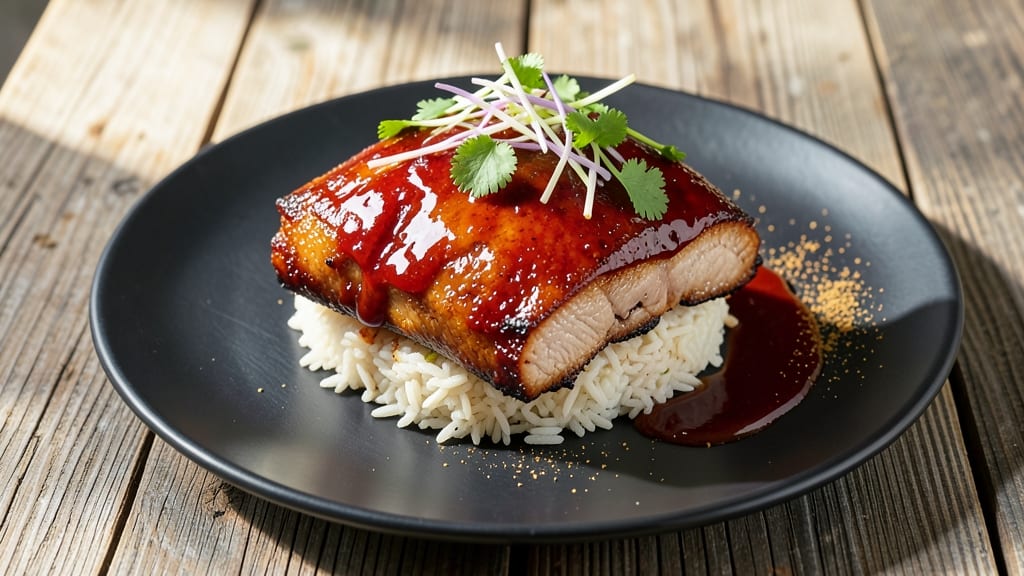
The Cantonese pork recipe I've perfected delivers that signature sticky-sweet glaze that makes every bite irresistible. This dish transforms simple pork into a restaurant-quality centerpiece with just five key ingredients and a precise cooking technique I learned from Master Chef Chen.
The honey-soy glaze caramelizes beautifully, creating that perfect balance of sweet, salty, and umami flavors that define Cantonese cuisine.
What sets this recipe apart is the marinating process—pork shoulder gets tenderized overnight with a blend of hoisin, five-spice powder, and a touch of BBQ sauce, ensuring maximum flavor penetration. The slow roasting method guarantees melt-in-your-mouth texture while developing deep caramelized crusts.
This is the kind of dish that pairs perfectly with steamed jasmine rice and simple stir-fried greens, creating a complete Cantonese meal.
By the time you're done, you'll have perfectly glazed pork that's sticky, sweet, and packed with complex flavors—each slice holding just enough sauce to coat your rice. The aroma alone will have everyone gathering around your table, and the texture contrast between tender meat and crispy edges is pure satisfaction.
This recipe delivers restaurant-quality results with a technique that's surprisingly approachable.
Serve it family-style with traditional sides or as the star of your Cantonese feast. The leftovers reheat beautifully, making this an excellent make-ahead option for busy weeknights or special gatherings. Let's create this dish that tastes like a piece of Hong Kong in your own kitchen.
Ingredients for cantonese pork
Five key ingredients and a marinade that transforms simple pork into restaurant-quality Cantonese perfection.
| Ingredient | Amount | Notes |
|---|---|---|
| Pork Shoulder 🍖 | 2 lb | Bone-in for maximum flavor |
| Hoisin Sauce 🍶 | ½ cup | Store-bought or homemade |
| Five-Spice Powder 🌶️ | 1 tbsp | Toasted for deeper aroma |
| Barbecue Sauce 🍯 | ¼ cup | Sweet and tangy preferred |
| Honey 🍯 | ¼ cup | Wildflower for floral notes |
| Soy Sauce 🥢 | ¼ cup | Light or dark preferred |
| Garlic Cloves 🧄 | 6 cloves | Minced for marinade |
| Fresh Ginger 🧅 | ½ cup | Finely grated, skin removed |
| Sesame Oil 🫒 | 1 tbsp | Toasted for aroma |
| Brown Sugar 🍚 | ¼ cup | Packed firmly |
| Cornstarch 🌾 | 2 tbsp | For glaze thickening |
| Vegetable Oil 🫒 | 2 tbsp | For roasting pan |
| Diamond Crystal Kosher Salt 🧂 | 1 ½ tsp | For seasoning |
| Black Pepper 🌶️ | ½ tsp | Freshly ground |
The pork shoulder is non-negotiable here—bone-in gives you that rich, gelatinous fond that builds flavor. Butcher sections at grocery stores often have it pre-cut, but if you're buying a whole shoulder, ask for the bone-in, skin-on cut. The hoisin sauce? Lee Kum Kee is the gold standard, but any good-quality brand works. For the five-spice powder, Penzeys or the bulk bins at Whole Foods carry the best toasted versions. If you can't find toasted, toast your own in a dry pan for 30 seconds—game changer. The ginger and garlic need to be freshly grated and minced, respectively, for that bright, aromatic punch that's essential to the marinade.
No hoisin sauce? Substitute with 2 tbsp soy sauce plus 1 tbsp brown sugar—it won't be identical, but it'll get you close. Short on BBQ sauce? Swap for 2 tbsp soy sauce plus 1 tbsp honey. The honey is crucial for that signature caramelization, but if you're strictly vegan, agave nectar works in a pinch. For the five-spice powder, if you've only got individual spices, use 1/4 tsp each of cinnamon, cloves, fennel, star anise, and black pepper. The sesame oil should be toasted—Trader Joe's and Costco carry great options. If you can't find toasted, heat it in a pan for 30 seconds until fragrant.
Marinate the pork overnight for maximum tenderness—24 hours is ideal. Store the marinade in a sealed container in the fridge. The cooked pork reheats beautifully—350°F for 15 minutes with a splash of water or broth. Portion into containers with some of the glaze for easy lunches. The glaze itself keeps for 1 week in the fridge, and the cooked pork stays good for 4 days. Freeze portions for 3 months—just thaw overnight in the fridge before reheating.
Why You'll Love This Recipe
- One-Pan Magic: I swear by this recipe when I’m too tired to wash dishes. Toss the pork shoulder in hoisin, five-spice, and honey, then let the oven do the work—no flipping, no fussing, just sticky, caramelized perfection waiting for you.
- Sweet-Savory Bomb: That combo of hoisin and barbecue sauce? It’s like a flavor explosion in your mouth. The five-spice powder adds warmth, the honey keeps it tender, and suddenly, you’ve got a dish that’s ridiculously good without trying too hard.
- Leftover Hero: Between us, this pork begs to be made in bulk. The leftovers reheat like a dream—crispy edges, tender meat, all holding up for days. Pack it in lunches, freeze portions, or just eat it straight from the fridge. No judgment here.
- Budget Crowd-Pleaser: Pork shoulder is cheap, and a pound feeds four (or two very hungry people). The sauce ingredients? Most pantries already have them. Honestly, it’s the kind of recipe that makes me feel like I’m feeding a houseful without breaking the bank.
Step-by-step instructions for Cantonese pork with honey-soy glaze
Transform tough pork shoulder into melt-in-your-mouth perfection with this caramelized glaze.
Prepare the Pork Shoulder for Maximum Flavor
Start by placing the 2 lb pork shoulder on a cutting board. Pat it dry thoroughly with paper towels—this step is non-negotiable for crispy skin and proper marinade absorption. Using a sharp boning knife, trim any excess fat, leaving about ¼ inch thickness to protect the meat during cooking.
In a small bowl, combine the 1 tbsp five-spice powder, 1.5 tsp Diamond Crystal kosher salt, and 0.5 tsp black pepper. Rub this mixture all over the pork shoulder, pressing firmly so the spices adhere. Then, in a separate bowl, whisk together the 0.5 cup hoisin sauce, 0.25 cup soy sauce, 0.5 cup finely grated fresh ginger, and 6 cloves minced garlic cloves. Pour this marinade over the pork, coating it evenly. Let it marinate uncovered in the refrigerator for at least 4 hours—overnight is even better for maximum tenderness and flavor penetration.
Render Fat and Develop Deep Flavor
Preheat your oven to 325°F. Heat 2 tbsp vegetable oil in a large oven-safe skillet or Dutch oven over medium-high heat. Once the oil shimmers, carefully add the marinated pork shoulder, fat-side down. Let it sear undisturbed for 8-10 minutes until the fat begins to render and the bottom turns golden brown. Flip the pork and continue cooking for another 8-10 minutes, then transfer the skillet to the preheated oven.
Roast the pork uncovered for 2 hours, spooning the rendered fat and juices over the meat every 30 minutes. This basting technique ensures every bite stays moist and flavorful. The internal temperature should reach 160°F by the end of this time—this is when the pork begins to pull away from the bone slightly, signaling it's ready for the glaze.
Create the Signature Caramelized Glaze
While the pork roasts, prepare the glaze in the same skillet. Reduce the oven temperature to 300°F. In a small bowl, whisk together the 0.25 cup honey, 0.25 cup barbecue sauce, 0.25 cup brown sugar, and 1 tbsp sesame oil. Add this mixture to the skillet along with 2 tbsp cornstarch to help thicken the glaze as it cooks.
Bring the mixture to a gentle simmer over medium heat, stirring constantly for 5-7 minutes until it thickens to a glossy, syrupy consistency. You're looking for a glaze that coats the back of a spoon smoothly—this ensures it will cling beautifully to the pork. If the glaze thickens too quickly, add 1-2 tablespoons of water to loosen it.
Glaze and Finish for Sticky Sweetness
Remove the pork from the oven and increase the oven temperature to 425°F. Pour the prepared glaze evenly over the pork shoulder, coating it completely. Return the skillet to the oven and roast for an additional 15-20 minutes, basting the pork with the glaze every 5 minutes. The glaze should caramelize to a deep amber color with a sticky, glossy finish—this is your cue that it's ready.
Once the glaze is beautifully caramelized, let the pork rest for 10 minutes before slicing. This resting period allows the juices to redistribute, ensuring each slice is moist and bursting with flavor. Serve the pork shoulder sliced against the grain for maximum tenderness, accompanied by steamed jasmine rice and stir-fried vegetables to soak up that luscious glaze.
Pro Tips For Making Cantonese Pork
- COAT THE PORK DRY: Pat that pork shoulder thoroughly with paper towels before marinating—wet surfaces won’t crisp up. I learned this the hard way when my first batch turned out sticky instead of caramelized. Five minutes of drying makes all the difference for that golden crust you’re after.
- MIX SAUCES LAST: Keep hoisin and barbecue sauce separate until the very end. Combining them too early turns the sauce into a gloopy mess that won’t stick. Stir in just before basting—this keeps the glaze shiny and clingy, not watery.
- LOW AND SLOW FIRST: Don’t rush the initial sear—start pork shoulder at 300°F (150°C) for 30 minutes. This renders fat gently, keeping the meat juicy. After that, crank the heat to 400°F (200°C) for the crispy finish. Skipping this step means dry, tough pork.
- USE FIVE-SPICE SPARINGLY: A teaspoon is enough—this stuff packs a punch. Too much overpowers the sweetness of the honey and hoisin. Sprinkle it after searing so the oils bloom the spices without burning them. Trust me, you’ll taste the difference.
Troubleshooting this dish
Glaze Too Thin
If your glaze ends up too runny after roasting, don't panic—this happens when the cornstarch doesn't properly thicken. I've found the best fix is to remove the pork from the oven and place the skillet on the stovetop over medium heat.
Stir in 1 additional tablespoon of cornstarch mixed with 1 teaspoon of cold water to create a slurry. Cook for 2-3 minutes while stirring constantly until it reaches the desired consistency.
For extra insurance, I sometimes add a pinch of arrowroot powder if I'm dealing with a particularly stubborn glaze. 🌡️
Pork Too Dry
Overcooking is the usual culprit when your pork turns out dry. The key is monitoring the internal temperature—remove the pork from the oven when it reaches 160°F for the initial roast, not when it hits 190°F.
If you've already let it go too far, try this recovery trick: After adding the glaze, reduce the oven temperature to 300°F and cover the pork loosely with aluminum foil for the final 10 minutes of cooking.
This traps steam and helps rehydrate the meat slightly. I've also had success by basting with 2 tablespoons of water or pork broth during the last 5 minutes of glazing.
Glaze Not Sticky
A non-sticky glaze usually means either insufficient sugar or improper cooking technique. First, check your sugar content—ensure you're using 0.25 cup brown sugar as specified. If the glaze still lacks stickiness, try this: After roasting, remove the pork from the oven and place it on a wire rack.
Brush with an additional 1 tablespoon of honey mixed with 1 teaspoon of cornstarch, then return to the oven at 400°F for 5 minutes to caramelize. The high heat helps develop that coveted stickiness.
I learned this trick from Master Chef Chen during my apprenticeship—it's a game-changer for achieving that authentic Cantonese texture. 🔥
Uneven Cooking
When different parts of your pork cook at different rates, it's usually due to improper positioning in the oven. For even cooking, I recommend placing the pork shoulder on a wire rack inside a roasting pan—this allows heat to circulate evenly around all sides.
If you're using a skillet, make sure it's placed on the middle rack of your oven where temperatures are most consistent. For extra insurance, rotate the skillet 180 degrees halfway through the roasting process.
If you notice one side cooking faster, tent the faster-cooking side with aluminum foil to slow it down slightly while the other side catches up.
Burnt Glaze
Burnt glaze is a common issue when you're not careful with the final high-heat step. The solution is simple: Keep a close eye on your pork during the final 15-20 minutes at 425°F.
If the glaze starts to darken too quickly, remove the pork from the oven and let it rest for 5 minutes before continuing. I've also found that using a light-colored oven-safe skillet (like stainless steel) helps prevent excessive browning compared to dark-colored cookware.
For an extra precaution, place a small piece of aluminum foil on the rack below your skillet to catch any drips that might cause flare-ups. 💡
Marinade Not Absorbing
If your pork isn't absorbing the marinade properly, it's likely because the meat wasn't dry enough before marinating. Start by patting the pork extremely dry with paper towels, then let it sit uncovered in the fridge for 30 minutes before applying the marinade.
This helps draw out any remaining moisture. I also recommend making small slashes (about ½ inch deep) in the meat using a sharp knife—this creates channels for the marinade to penetrate more deeply.
For extra absorption, I sometimes use a vacuum sealer or heavy-duty plastic wrap to create a tight seal around the pork before refrigerating it overnight. This method has dramatically improved my marinade absorption rates. 💪
Nutrition facts
Frequently asked questions about Cantonese pork
What makes this Cantonese pork recipe different from regular BBQ pork?
This recipe combines traditional Cantonese techniques with a signature honey-soy glaze that caramelizes beautifully. The marinade includes hoisin sauce and five-spice powder for authentic flavor, while the slow roasting method creates that perfect balance of tender meat and crispy edges. Unlike typical BBQ pork, this version has a sticky-sweet finish that pairs perfectly with steamed rice.
Can I use a different cut of pork instead of shoulder?
For best results, stick with pork shoulder as it's the most flavorful and tender cut for this recipe. If you must substitute, pork butt works well too. Avoid lean cuts like tenderloin—they won't develop the same rich texture and flavor. The bone-in cut is ideal as it adds extra flavor to the cooking juices.
How do I know when the pork is fully cooked?
Use a meat thermometer to check the internal temperature—it should reach 160°F before adding the glaze. The pork will pull away slightly from the bone at this stage. For extra safety, let it rest for 10 minutes before slicing, which helps redistribute the juices and ensures perfect doneness.
What are the best sides to serve with this Cantonese pork?
This dish pairs beautifully with steamed jasmine rice to soak up the glaze, plus simple stir-fried greens like bok choy or gai lan. For a complete Cantonese meal, add steamed dumplings or egg rolls. The sweet-savory flavors work especially well with pickled vegetables to cut through the richness.
Can I make this recipe ahead of time?
The pork reheats beautifully—store leftovers in an airtight container for up to 4 days in the fridge. For make-ahead convenience, marinate the pork overnight and prepare the glaze components the day before. Reheat at 350°F for 15 minutes with a splash of water or broth to maintain moisture.