
Main Courses
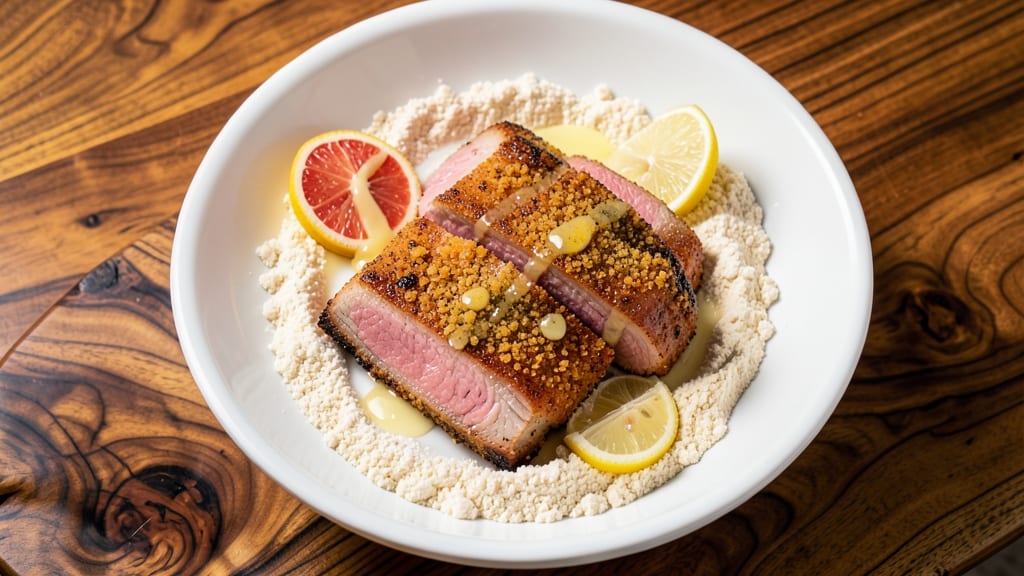
This breaded pork shoulder steak recipe delivers the perfect balance of crunchy crust and juicy pink centers—a technique I perfected after years of experimenting with pork cuts. The secret lies in a double-breading method that locks in moisture while creating that golden, shatteringly crisp exterior.
I developed this recipe during a particularly busy week when I needed a weeknight dinner that felt special without requiring hours in the kitchen.
What makes this recipe stand out is the foolproof method for achieving tender meat every time. The pork shoulder steak is first brined to ensure maximum juiciness, then coated in a light seasoning before the first breading.
After a quick sear, it gets a second breading that becomes irresistibly crispy while the inside stays perfectly pink and tender. This isn't your typical dry, overcooked pork—it's restaurant-quality with a homestyle touch.
The result is a steak that's juicy enough to satisfy even the most critical palates while delivering that satisfying crunch with every bite. The technique works equally well for pan-searing or baking, giving you flexibility for different occasions.
Whether you're serving it as a main course or cutting it into strips for sandwiches, this recipe consistently delivers impressive results with minimal effort.
Pair it with classic sides like roasted potatoes or a simple green salad to complete the meal. The beauty of this recipe is its versatility—it works for family dinners, game day gatherings, or when you want to impress guests without spending hours in the kitchen.
Let's get started on creating this crowd-pleasing dish that's sure to become a regular at your table.
Ingredients for breaded pork shoulder steak
The perfect balance of crunchy crust and juicy pink centers starts with these carefully selected ingredients.
| Ingredient | Amount | Notes |
|---|---|---|
| Pork Shoulder Steak 🥩 | 1 ½ lb | 1-inch thick cut, trimmed of excess fat |
| All-Purpose Flour 🌾 | 1 cup | For first breading layer |
| Panko Breadcrumbs 🍞 | 1 ½ cups | Japanese-style for extra crunch |
| Large Eggs 🥚 | 2 whole | Beaten with 1 tbsp water |
| Dry Mustard 🌶️ | 1 tbsp | For flavor in first breading |
| Diamond Crystal Kosher Salt 🧂 | 1 tsp | For brining solution |
| Black Peppercorns 🌶️ | ½ tsp | Freshly cracked for seasoning |
| Garlic Powder 🧄 | 1 tsp | For seasoning blend |
| Onion Powder 🧅 | 1 tsp | For seasoning blend |
| Vegetable Oil 🫒 | ½ cup | High smoke point for frying |
| Unsalted Butter 🧈 | 2 tbsp | Melted for basting |
| Lemon Juice 🍋 | 1 tbsp | Freshly squeezed for brining |
| Ice ❄️ | 1 cup | For brining solution |
The pork shoulder steak is non-negotiable for this recipe—look for a 1-inch thick cut with good marbling but minimal external fat. Costco or Whole Foods typically carry premium cuts, but your local butcher can often source excellent quality too. Trim any excess fat before brining to ensure even cooking. The double-breading technique requires precise timing, so measure your flour and breadcrumbs carefully. Panko is essential for that shatteringly crisp exterior—regular breadcrumbs won't provide the same texture. For the brining solution, use Diamond Crystal kosher salt (it's coarser than table salt) and fresh lemon juice for optimal flavor penetration.
No panko? Crushed cornflakes or matzo meal can substitute in a pinch, though the texture won't be identical. The dry mustard in the first breading adds depth—don't skip it. For the seasoning blend, garlic powder and onion powder from Penzeys or bulk bins will give you the most flavor. If you're short on time, you can use pre-made seasoned breadcrumbs, but you'll lose some of that restaurant-quality crunch. The vegetable oil should have a high smoke point (like Avocado oil or grapeseed oil) to prevent burning during frying. And for that final basting touch, unsalted butter is crucial—it adds richness without overpowering the delicate crust.
Prep the brining solution first—it needs at least 4 hours (overnight is ideal) for maximum juiciness. Store the brined steak in its marinade in the fridge until ready to use. The panko breadcrumbs should be kept in an airtight container to maintain their crispiness—use them within 2 weeks of opening. Once breaded, the steak can be refrigerated for up to 4 hours before cooking, but work quickly to maintain that perfect crunch. For leftovers, store in an airtight container for up to 3 days, reheating gently in the oven at 350°F until crispy again.
Why You'll Love This Recipe
- Crispy in Minutes: I swear, the panko and egg wash combo locks in that golden crunch faster than takeout delivery—just 15 minutes of baking, no frying mess.
- Mustard Magic: That dry mustard in the flour mix? It’s the secret weapon—sharp, tangy, and it cuts through the richness of the pork like a bright little flavor bomb.
- Game for Any Meal: Slap these on a plate with roasted potatoes for dinner, toss them in a sandwich for lunch, or serve them cold in tacos—no rules, just delicious flexibility.
- Budget-Friendly Feast: Pork shoulder is the wallet’s best friend, and this recipe stretches it across multiple meals without sacrificing flavor. Leftovers? They’re basically free meals.
Step-by-step instructions for breaded pork shoulder steak
Master this technique and you'll achieve a perfect balance of crispy golden crust and tender pink centers every time.
Prepare the Brining Solution and Season the Steak
In a large bowl, combine the 1 cup ice, 1 tablespoon lemon juice, and 1 teaspoon Diamond Crystal kosher salt. Stir until the salt dissolves completely, creating a light brine solution. This step ensures your steak stays juicy by preventing moisture loss during cooking.
Pat the 1.5 lb pork shoulder steak completely dry with paper towels—this is critical for adhesion of the breading. Place the steak in a resealable plastic bag and pour the brine solution over it. Seal the bag and refrigerate for 30 minutes. The acidity from the lemon juice will tenderize the meat slightly while the salt enhances flavor and helps retain moisture.
Create the First Breading Layer
Remove the steak from the brine and pat it dry again. In a shallow dish, combine the 1 cup all-purpose flour, 1 tablespoon dry mustard, 1 teaspoon garlic powder, 1 teaspoon onion powder, ½ teaspoon black peppercorns, and 1 teaspoon Diamond Crystal kosher salt. The mustard adds a subtle tang that complements the pork beautifully.
Coat the steak thoroughly in the flour mixture, pressing gently to ensure even coverage. Tap off any excess flour—this prevents a gummy crust. Place the floured steak on a wire rack set over a baking sheet and let it rest for 10 minutes. This allows the flour to adhere fully before moving to the next step.
Set Up the Egg Wash and Panko Station
In a medium bowl, beat the 2 whole large eggs with a fork until just combined. Add 1 tablespoon water to help thin the mixture slightly—this ensures a smoother coating. The egg wash creates a binding layer that helps the panko breadcrumbs stick firmly to the steak.
In another shallow dish, spread the 1.5 cups panko breadcrumbs evenly. The Japanese-style panko provides that signature crispy texture we're after. Keep both the egg wash and panko breadcrumbs within easy reach as you'll be working quickly to maintain even coverage.
Bread the Steak and Prepare for Cooking
Dip the floured steak into the egg wash, allowing excess to drip off but ensuring complete coverage. Press the steak into the panko breadcrumbs, coating all sides generously. For extra security, I like to press the panko onto the edges and corners where it tends to be thinner. Place the breaded steak on the prepared wire rack and refrigerate for 15 minutes—this helps the breading set up firmly.
While the steak rests, melt the 2 tablespoons unsalted butter in a small saucepan over low heat. Keep it warm but not smoking—we'll use this butter to baste the steak during cooking for added richness and flavor.
Fry to Golden Perfection
Heat the ½ cup vegetable oil in a heavy skillet over medium-high heat until it reaches 350°F. Use a kitchen thermometer to monitor the temperature—this ensures even cooking and prevents burning. The oil should shimmer but not smoke excessively.
Carefully place the breaded steak in the hot oil and cook for 4-5 minutes per side, turning only once. You'll know it's ready when the breading turns a deep golden brown and the internal temperature reaches 145°F at the thickest part. The crust should be crispy enough to resist gentle pressure but not so hard it cracks when you cut into it.
Transfer the steak to a wire rack and let it rest for 5 minutes before serving. This resting period allows the juices to redistribute, ensuring each bite is moist and flavorful. Drizzle with the reserved melted butter and serve immediately with your favorite dipping sauce or lemon wedges.
Pro Tips For Making Breaded Pork Shoulder Steak
- Pat the steak dry: I learned this the hard way—wet pork shoulder steak won’t crisp up no matter how much flour you dredge. Grab paper towels and press hard on both sides before seasoning. The extra 30 seconds saves you from soggy breading later.
- Mix mustard into the egg wash: Skip the dry mustard sprinkle on the breadcrumbs—it’s way more effective if you whisk 1 teaspoon into the beaten egg. The flavor clings better to the meat, and you won’t waste half of it stuck to your fingers.
- Fry in batches, don’t crowd: I used to toss in all the steaks at once, and they’d steam instead of sizzle. Use a 1-inch gap between pieces—your oil stays hotter, the crust forms faster, and you won’t end up with greasy, unevenly cooked meat.
- Rest the meat after breading: This isn’t the prettiest method, but it’s the tastiest: Let the breaded steaks sit on a wire rack for 5 minutes before frying. The flour has time to absorb moisture, so the breading stays crispy instead of turning into a gluey mess mid-fry.
Storing and reheating your leftovers
Refrigerator Storage
Store your cooked breaded pork shoulder steak in an airtight container for up to 3 days in the fridge. I always use glass containers from Pyrex because they keep the crust crispier longer than plastic.
Let the steak cool completely before storing to prevent condensation that can make the breading soggy. The key is to stack it flat—this helps maintain that perfect crunch layer. 🥩
Freezer Prep Tips
For longer storage, freeze the breaded steak uncooked in a single layer on a tray before transferring to a freezer bag—this prevents clumping. Label with the date and freeze for up to 2 months.
When ready to cook, thaw overnight in the fridge. I've found that freezing works best with the first breading only—the panko crust can get overly dry when thawed. 🧊
Oven Reheating
My preferred method for reheating is the oven at 375°F for 10-12 minutes. Place the steak on a wire rack over a baking sheet to allow hot air to circulate and crisp the breading.
Brush with a little melted butter before reheating for extra richness. For best results, cover loosely with foil during the first 5 minutes to prevent over-browning, then uncover to crisp. 🔥
Air Fryer Method
For a quick option, use an air fryer at 350°F for 4-5 minutes. This method maintains the crispy texture better than the microwave. I recommend spraying the steak lightly with olive oil before air frying to help restore that golden crust.
Shake the basket halfway through for even heating. This works especially well for individual portions. ✨
Microwave as Last Resort
If you're in a hurry, the microwave can work—but expect less crispiness. Place the steak on a microwave-safe plate, cover with a damp paper towel, and heat in 30-second bursts at 50% power, checking between each.
Add 1 tablespoon water to the plate to help steam the breading slightly. This method is best for reheating small portions quickly. 💫
Serving Leftovers
Leftovers make fantastic sandwiches! Slice the reheated steak and serve on toasted brioche buns with coleslaw or pickled onions. The crispy edges add incredible texture to sandwiches. For a complete meal, pair with roasted sweet potatoes or a simple green salad.
The flavors actually improve after resting overnight—proof that good food gets better with time. 🍽️
Nutrition facts
Frequently asked questions
Can I substitute pork shoulder steak with another cut?
For best results, stick with pork shoulder steak (like a boneless pork loin chop) as it has the right balance of tenderness and fat for breading. You could try a pork tenderloin or pork chop, but they're leaner and may dry out faster. If you must use a different cut, choose one with some fat marbling—like pork rib chops—to help keep it juicy during cooking.
Why does my breading keep falling off?
This usually happens when the meat isn't dry enough or the egg wash is too thick. First, pat the steak completely dry after brining—moisture is the enemy of adhesion. Second, make sure your egg wash has 1 tablespoon water to help it spread evenly. Also, don't skip the 10-minute rest after the first breading—it helps everything stick together properly.
Can I bake this instead of frying?
Preheat your oven to 400°F and place the breaded steak on a wire rack over a baking sheet. Bake for 20-25 minutes, flipping halfway, until the internal temperature reaches 145°F. For extra crispiness, broil for the last 2 minutes. The texture will be slightly different but still delicious—just not as crispy as fried.
What's the best way to keep the crust crispy?
After cooking, place the steak immediately on a wire rack instead of a plate—this allows air circulation to keep the crust crisp. For serving, store leftovers in a single layer in an airtight container (like Pyrex glass) rather than stacked. Reheat in the oven at 375°F for 10 minutes with a foil tent to restore that perfect crunch.
How do I make this recipe gluten-free?
Replace the all-purpose flour with 1 cup gluten-free flour blend and use gluten-free panko (like Bob's Red Mill). For the egg wash, use gluten-free beer or water instead of regular beer. The texture will be slightly different but still delicious. Just make sure all your seasonings are certified gluten-free too.