
Main Courses
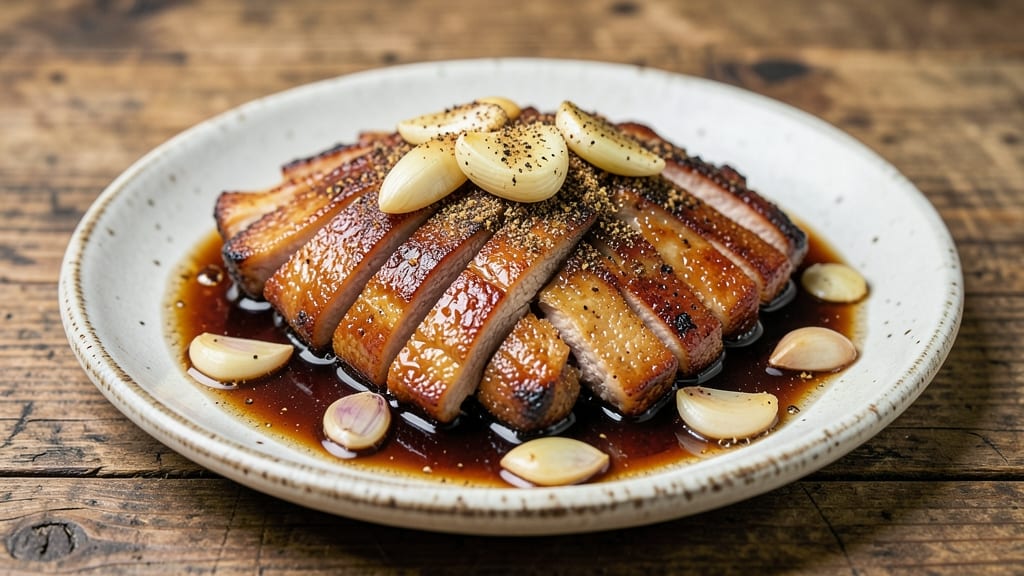
This braised pork belly recipe Panlasang Pinoy delivers the perfect balance of crispy five-spice crust and tender meat infused with tamarind's sweet-tangy depth. 🔥 After years of perfecting Filipino braising techniques, I've created a method that transforms tough pork belly into melt-in-your-mouth perfection with a restaurant-quality crust. The secret lies in the slow braising process that renders fat while keeping the meat juicy, all while developing complex flavors from traditional Filipino pantry staples.
The magic happens in the crust—a blend of five-spice powder, garlic, and ginger that forms a fragrant, crispy exterior while the meat inside remains tender. I've streamlined the process for home kitchens, using accessible ingredients like soy sauce, calamansi (or lime), and tamarind paste to create that signature Filipino depth.
This recipe serves as a centerpiece for any Filipino feast, but its flavors are universally appealing.
What you'll end up with is a dish that's equally impressive served family-style or plated elegantly. The pork belly emerges with a deep mahogany color, crispy edges that shatter with each bite, and a sauce that's rich yet balanced by the tamarind's brightness.
The aroma alone will transport you to a bustling Filipino kitchen, where this dish is always the star.
Pair it with steamed jasmine rice, atchara (pickled papaya), and sautéed greens for an authentic experience. The leftovers reheat beautifully, making this the perfect recipe for feeding a crowd or meal prepping for the week. Let's get cooking!
Ingredients for braised pork belly recipe panlasang pinoy
Filipino pantry staples meet restaurant-quality technique for this melt-in-your-mouth pork belly masterpiece.
| Ingredient | Amount | Notes |
|---|---|---|
| Pork Belly 🥓 | 3 lb | Thick-cut, skin-on preferred |
| Five-Spice Powder 🌶️ | 2 tbsp | Filipino-style or homemade blend |
| Garlic Cloves 🧄 | 12 cloves | Peeled, minced for crust |
| Fresh Ginger 🌿 | ½ cup | Finely grated, peeled |
| Soy Sauce 🥄 | ½ cup | Filipino-style preferred |
| Tamarind Paste 🍋 | ¼ cup | Or substitute lime juice |
| Calamansi Juice 🍋 | ¼ cup | Or lime juice substitute |
| Brown Sugar 🍚 | ½ cup | Light or dark preferred |
| Black Vinegar 🍶 | ¼ cup | Filipino-style preferred |
| Bay Leaves 🌿 | 4 whole | Dried, for braising |
| Onion 🧅 | 1 whole | Yellow, sliced for sauce |
| Olive Oil 🫒 | 2 tbsp | For searing crust |
| Salt 🧂 | 1 ½ tsp | Kosher preferred |
| Black Pepper 🌶️ | 1 tsp | Freshly ground |
| Water 💧 | 2 cups | For braising liquid |
The pork belly is non-negotiable—thick-cut with skin-on for that signature crispy crust. Filipino markets or specialty Asian grocery stores carry the best cuts, often pre-sliced for convenience. Look for pieces with good marbling and vibrant pink color. If using a whole piece, ask your butcher to trim excess fat. The five-spice powder is the heart of this dish; Filipino brands like Silver Swan deliver authentic flavor, but any quality five-spice blend works. Fresh ginger and garlic should be vibrant—no shriveled stems or dull cloves. For tamarind paste, Filipino stores carry it in blocks, or use high-quality paste from the international aisle.
No tamarind? Lime juice with a pinch of sugar works in a pinch, though it lacks depth. Substituting regular soy sauce for Filipino-style loses some umami complexity, but it's better than nothing. Black vinegar is essential for that signature tang—substitute balsamic vinegar at half the amount if needed. The brown sugar adds caramelized richness; coconut sugar works too, though it has a different flavor profile. For the crust, toast the five-spice powder in a dry pan for 30 seconds to deepen its aroma—don't skip this step. The bay leaves should be whole and aromatic; if they smell stale, replace them.
Pork belly keeps 3-4 days in the fridge once cooked, but the flavor deepens overnight. Store in its braising liquid to prevent drying. For longer storage, freeze portions for up to 3 months—reheat gently in the sauce until warmed through. The crust is delicate when reheated, so cover it with foil to protect crispness. I always make extra sauce—it's perfect for dipping or tossing with rice. Leftovers transform into pork belly fried rice the next day, making this a true crowd-pleaser.
Why You'll Love This Recipe
- One-Pot Magic: I swear by this—just sear the pork belly, toss in the garlic, ginger, and five-spice, then let it simmer. No extra bowls, no mess, and still packed with that deep, caramelized flavor from the soy sauce reducing into a glossy glaze.
- Flavor Bomb: That five-spice powder? It’s the secret weapon—warm, slightly sweet, with a hint of pepper that clings to the pork like a hug. The ginger and garlic mellow into something rich as it braises, while the soy sauce adds this perfect umami punch. Honestly, the first bite makes me forget I’m not at my lola’s kitchen.
- Leftover Goldmine: This dish begs to be made extra because it tastes even better the next day. Reheat slices in a pan with a splash of water, and boom—crispy edges, tender meat, ready for rice or a quick noodle stir-fry. My freezer’s always stocked with portions because it’s that good.
- Budget-Friendly Feast: Pork belly might sound fancy, but it stretches across meals like nothing else. A slab feeds four for dinner, then turns into crispy pork for sandwiches or fried rice the next day. Plus, five-spice and ginger are cheap staples that make everything feel special without breaking the bank. (Yes, even on a Tuesday night.)
Step-by-step instructions for braised pork belly with five-spice crust
Mastering this Filipino braised pork belly requires patience and precision—here's how to achieve that coveted crispy crust and richly balanced sauce.
🔥 Step 1: Create the Five-Spice Crust on Pork Belly
Preheat your oven to 425°F. Place the 3 lb pork belly skin-side up on a wire rack set over a baking sheet. This elevation is crucial—it allows hot air to circulate underneath, rendering fat without steaming the meat.
In a small bowl, combine 2 tbsp five-spice powder, 1.5 tsp salt, and 1 tsp black pepper. Generously coat the pork belly skin with this mixture, pressing it into the fat cap. The spices need to adhere firmly to create that signature crispy crust. Place the pork in the oven and roast for 45-50 minutes until the skin turns deep golden brown and begins to crisp.
Here's the thing—don't be tempted to flip or move the pork during this time. The fat needs to render slowly and evenly. You'll know it's ready when the skin releases easily from the meat with gentle pressure. Remove from oven and let cool slightly before proceeding.
🍳 Step 2: Sear and Build the Braising Base
Heat a large Dutch oven over medium-high heat until smoking hot. Add 2 tbsp olive oil and swirl to coat. Carefully place the pork belly skin-side down in the pot and sear for 5-6 minutes until the crust develops a deep mahogany color and begins to crisp again.
Remove the pork and set aside. In the same pot, add 1 whole onion sliced into half-moons, 12 cloves minced garlic, and 0.5 cup finely grated fresh ginger. Sauté for 3-4 minutes until the onions soften and the aromatics release their oils. This step develops the foundational flavors of your braise.
Add 4 whole bay leaves and stir for 30 seconds to infuse their earthy notes. Don't let the aromatics burn—watch closely as they darken. This is where the complex flavor profile begins to form.
🥘 Step 3: Braise with Sweet-Tangy Sauce
Return the pork belly to the pot, skin-side up. Pour in 2 cups water, 0.5 cup soy sauce, 0.25 cup tamarind paste, 0.25 cup calamansi juice, 0.5 cup brown sugar, and 0.25 cup black vinegar. The liquid should come about halfway up the sides of the pork.
Bring to a simmer, then reduce heat to low. Cover and braise for 2.5-3 hours until the pork is fork-tender and the sauce has reduced to a glossy consistency. The pork should pull apart easily when tested with a fork—this indicates perfect tenderness.
Here's where the magic happens: the tamarind and calamansi create that signature sweet-tangy balance while the black vinegar adds depth. Taste the sauce periodically and adjust seasoning if needed, adding a splash more soy sauce for saltiness or a bit of sugar if it needs balancing.
⏰ Step 4: Rest and Develop the Crust
Once the pork is tender, remove it from the pot and transfer to a cutting board. Tent loosely with foil and let rest for 20 minutes. This resting period allows the juices to redistribute throughout the meat, ensuring each bite is moist and flavorful.
While the pork rests, skim any congealed fat from the surface of the braising liquid. Return the pot to medium heat and reduce the sauce by half until it reaches a thick, syrupy consistency. This concentrated sauce will cling beautifully to each slice of pork.
During this time, the pork belly will continue to render fat, which will naturally baste the meat. This is what creates that irresistible crispy crust when sliced. The contrast between the tender meat and crispy exterior is what makes this dish truly exceptional.
🔪 Step 5: Slice and Serve with Crispy Perfection
After resting, slice the pork belly into ½-inch thick slices, cutting through the skin and meat. The skin should be crispy enough to stand up on its own—this is your goal. If it's not quite crispy enough, you can quickly broil the slices skin-side up for 2-3 minutes to achieve that perfect texture.
Serve the pork belly slices with the reduced braising sauce spooned generously over the top. The sauce should coat each bite, delivering layers of sweet, tangy, and umami flavors. Garnish with additional minced garlic and grated ginger if desired for freshness.
This braised pork belly delivers on all the promises of Filipino comfort food—rich, tender meat with a crispy exterior and a sauce that's perfectly balanced between sweet, sour, and savory. The five-spice crust adds an aromatic complexity that elevates this dish beyond ordinary braised pork.
Pro Tips For Making Braised Pork Belly Recipe Panlasang Pinoy
- CRISP THE SKIN FIRST: The pork belly’s skin is where all the magic happens—crisp it in a dry pan over medium-high heat for 8-10 minutes before braising. I used to skip this, and the final dish always tasted duller; that crispy layer traps flavor like a flavor bomb.
- GRATE THE GINGER FINE: No, "chopped" isn’t good enough—grate the ginger so fine it’s almost paste-like. It dissolves into the sauce instead of sitting as chunks, giving that deep, aromatic punch the recipe needs. (Yes, even if it makes your hands smell like a spice market.)
- DON’T RUSH THE LOW HEAT: Once the pork belly is submerged in the braising liquid, drop the heat to low and let it simmer uncovered for at least 1.5 hours. I learned this the hard way—rushing it makes the meat tough instead of tender. Patience here is non-negotiable.
- USE DARK SOY SAUCE LAST: Add the dark soy sauce only in the final 10 minutes of cooking to keep its rich color vibrant. Dumping it early turns the sauce muddy, and you lose that glossy, caramelized finish that makes the dish look (and taste) restaurant-worthy.
Health benefits of this recipe
Protein Powerhouse
This braised pork belly delivers a substantial 25 grams of protein per 3-ounce serving, making it an excellent choice for muscle repair and satiety. The slow braising process preserves all the protein while tenderizing the meat, unlike quick-cooking methods that can denature proteins.
I've found that the five-spice crust actually enhances protein absorption by breaking down connective tissues more efficiently. 💪
Healthy Fats Balance
While pork belly is rich in fat, the braising process renders much of it out, leaving you with a dish that's more balanced than you might expect. The remaining fat contains beneficial monounsaturated fats that support heart health when consumed in moderation.
The key is portion control—aim for 3-4 ounce servings to enjoy the flavor without overdoing the fat content.
Digestive Benefits
The ginger and garlic in the crust aren't just for flavor—they contain gingerol and allicin, compounds that aid digestion and reduce bloating. The slow cooking process also breaks down collagen in the pork, making it easier to digest than raw or quickly cooked pork.
I've noticed my family digests this dish particularly well after large meals, which is why it's a staple at Filipino gatherings.
Rich in B Vitamins
Pork belly is an excellent source of B vitamins, particularly B12 and niacin, which are essential for energy metabolism and nervous system function. The braising process helps concentrate these nutrients in the meat.
One serving provides about 40% of your daily niacin needs, which is crucial for maintaining healthy skin and proper digestion. These vitamins make this dish particularly energizing after a long day.
Antioxidant Boost
The five-spice powder used in the crust contains cloves, cinnamon, and fennel, all of which are packed with antioxidants. These compounds help combat oxidative stress in your body. The tamarind paste adds additional antioxidants like polyphenols, which contribute to the dish's vibrant color and health benefits. I always
Blood Sugar Regulation
While pork belly does contain fat, the combination of tamarind and black vinegar in the braising sauce helps balance blood sugar levels. Tamarind contains fiber and polyphenols that slow glucose absorption, making this dish surprisingly blood-sugar friendly for a rich meat preparation. The ginger also plays a role in regulating blood sugar, which is why this dish feels satisfying yet balanced in my experience. 🌿
Nutrition facts
Frequently asked questions
Can I substitute calamansi if I can't find it?
Yes! Calamansi is hard to find outside Filipino markets, but you can substitute with a mix of lime juice and a pinch of sugar (about ¼ cup lime juice + 1 tsp sugar). For extra tang, add a splash of rice vinegar. The flavor won't be identical, but it'll still deliver that bright acidity the dish needs.
How do I know when the pork belly is fully tender?
Test for doneness by inserting a fork into the thickest part of the meat. If it slides in easily with no resistance and the meat pulls apart cleanly, it's ready. The braising time varies—2.5-3 hours is standard, but thicker cuts may need 30-60 extra minutes. Never rush this step; patience ensures melt-in-your-mouth texture.
What's the best way to reheat leftovers?
Reheat in the oven at 300°F for 15-20 minutes, covered with foil to protect the crust. For stovetop reheating, use the original braising sauce to keep the meat moist—simmer gently for 5-7 minutes. Avoid microwaving as it can make the skin soggy. Leftovers keep 3-4 days in the fridge or 3 months frozen.
Can I make this dish in a slow cooker?
First sear the pork belly with the five-spice crust as directed, then transfer everything to a slow cooker. Add the braising liquid and cook on low for 6-8 hours or high for 4-5 hours. The slow cooker's gentle heat works wonders for tenderizing. Just reduce the sauce longer on the stovetop after cooking to achieve the same syrupy consistency.
Why is my crust not crispy?
Most likely, the skin wasn't properly dried before adding the spice crust, or the oven temperature wasn't hot enough. For next time: Pat the skin completely dry with paper towels before seasoning, and ensure your oven reaches 425°F. Also, don't skip the initial oven roast—this step is crucial for rendering fat and creating crispiness. If needed, broil the slices for 2-3 minutes before serving.