
Main Courses
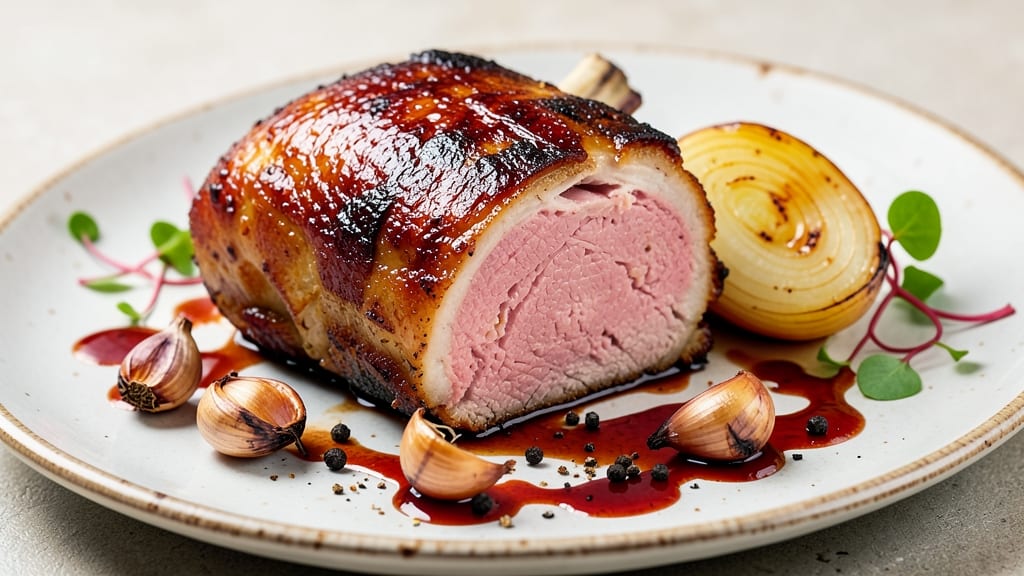
This bone-in pork shoulder roast crock pot recipe delivers restaurant-quality tenderness without hours of monitoring—just 6 hours of hands-off magic. 🔥 I've perfected this technique after years of smoking and slow-roasting pork at The Smoky Pig, where we transform tough cuts into melt-in-your-mouth masterpieces.
The secret? A proper sear followed by low-and-slow cooking that breaks down collagen into rich, velvety juices while preserving that crispy bone-in texture.
What makes this recipe foolproof is the balance of time and temperature: low heat (200°F) for 6 hours ensures the pork becomes so tender it practically falls apart, while the bone remains crisp enough to crack open for marrow.
I use a simple salt-and-pepper crust for the initial sear, which creates a flavorful bark that deepens during cooking. This isn't just pulled pork—it's a whole roast that stays juicy from edge to edge, with every bite offering that perfect contrast of crispy skin, tender meat, and rich bone marrow.
The result is a fall-off-the-bone roast that's perfect for family dinners, holiday gatherings, or when you crave that smoky, restaurant-worthy flavor without the hassle. The aroma alone will have everyone gathering at your table, and the leftovers? Even better the next day, reheated until crispy again.
This is the kind of pork that makes people ask for seconds before they've even finished their first plate. Serve with classic sides like mashed potatoes, apple sauce, or a crisp green salad to balance the richness.
The crock pot does all the work while you enjoy the process—no peeking, no babysitting, just perfect pork when you're ready. Let's get cooking!
Ingredients for bone in pork shoulder roast crock pot
Six ingredients transform a tough cut into melt-in-your-mouth perfection—no peeking required!
| Ingredient | Amount | Notes |
|---|---|---|
| Bone-In Pork Shoulder Roast 🐖 | 4 lb | With bone, 1.5-2 inches thick |
| Kosher Salt 🧂 | 2 tbsp | Diamond Crystal preferred |
| Freshly Ground Black Pepper 🌶️ | 1 tbsp | Freshly cracked for best flavor |
| Yellow Onion 🧅 | 1 whole | Quartered, skin on |
| Garlic Cloves 🧄 | 6 cloves | Smashed, skin on |
| Apple Cider Vinegar 🍎 | ¼ cup | For tenderizing |
| Olive Oil 🫒 | ½ cup | Extra-virgin for searing |
| Beef Broth 🥫 | 1 cup | Low-sodium preferred |
| Brown Sugar 🍚 | 2 tbsp | Light or dark |
| Smoked Paprika 🌶️ | 1 tbsp | For smoky depth |
| Fresh Thyme Leaves 🌿 | ¼ cup | Or 1 tbsp dried |
| Fresh Rosemary 🌿 | ¼ cup | Chopped, stems removed |
| Apple Cider 🍎 | ½ cup | For moisture and flavor |
| Water 💧 | 1 cup | For liquid base |
The pork shoulder is the star—look for a well-marbled cut with good fat coverage at Costco or your butcher shop. A 4-pound roast gives you plenty of leftovers, and the bone adds incredible flavor. Pat it dry before seasoning; this helps the salt and pepper adhere for that perfect crust. If you can't find bone-in, a pork butt roast works too—just add 30 minutes to the cook time. The key is low-and-slow, so don't rush the sear. Let the meat sit at room temperature for 30 minutes before cooking for even cooking.
No fresh thyme or rosemary? Dried works at one-third the amount—just make sure it's labeled culinary-grade. Short on apple cider vinegar? A splash of red wine vinegar does the trick, or even lemon juice in a pinch. The beef broth can be swapped for chicken broth, but the pork will taste richer with beef. For extra smokiness, add 1/4 tsp liquid smoke to the crock pot liquid. The brown sugar caramelizes during cooking, adding depth—don't skip it! If you're feeling fancy, brown the onions and garlic in the crock pot before adding the pork for deeper flavor.
This roast gets better the next day—plan ahead and cook it when you can reheat later. Store leftovers in the fridge for up to 5 days or freeze for 3 months. To reheat, cover with foil and warm in the oven at 300°F until crispy again. The bones? Crack them open for marrow—it's like liquid gold. For serving, I like to slice thick and let everyone dig in with crusty bread. The crock pot liquid reduces into a glazed sauce—save it for drizzling or tossing with roasted potatoes.
Why You'll Love This Recipe
- The bone-in magic is real: that crispy, caramelized edge on the outside while the meat stays juicy and falling-apart tender inside. Honestly, I’ll take this over any boneless cut—it’s like a hug for your taste buds, but with more flavor.
- Leftovers That Don’t Suck: This recipe practically demands you make extra—because the second day is just as good, if not better. Shred it for tacos, sandwiches, or pasta, and the flavor only deepens. My freezer is always stocked with portions because I can’t resist using it up.
- Budget Stretch King: A single pork shoulder feeds my family of four twice without breaking the bank. Between us, this is my go-to for feeding a crowd without stressing over cost—plus, the bone adds richness, so you’re not missing a thing. Smart cooking at its finest.
Step-by-step instructions for slow-cooked pork shoulder
Here's how to transform a tough cut into melt-in-your-mouth perfection.
🔥 Step 1: Sear the Pork Shoulder for Maximum Flavor
First, pat the bone-in pork shoulder roast completely dry with paper towels—this is non-negotiable for crispy bark. Heat a heavy skillet over medium-high heat and add the 0.5 cup olive oil. Once shimmering, add the pork shoulder and sear on all sides for 8-10 minutes until deeply golden brown. You want that beautiful Maillard reaction happening.
I like to press down gently on the roast during searing to prevent curling. The goal is even browning that'll carry through the slow cook. Once golden, transfer the pork to your crock pot—those browned bits are pure flavor gold.
👨🍳 Step 2: Build the Flavor-Packed Base
In the same skillet (no need to clean it), add the 1 whole yellow onion, 6 smashed garlic cloves, and 0.25 cup apple cider vinegar. Cook for 3-4 minutes until the onions soften and the vinegar smell mellows out. This creates a fragrant base that'll infuse the pork during cooking.
Transfer everything to your crock pot and add the remaining ingredients: 1 cup beef broth, 2 tbsp brown sugar, 1 tbsp smoked paprika, 0.25 cup fresh thyme leaves, 0.25 cup fresh rosemary, 0.5 cup apple cider, and 1 cup water. Give it a gentle stir to distribute everything evenly.
🔪 Step 3: Season and Prepare for Cooking
Sprinkle the 2 tbsp kosher salt and 1 tbsp freshly ground black pepper directly over the pork shoulder. Gently press the seasoning into the meat so it sticks—this helps create that signature bark while keeping the interior tender. I like to add a few extra sprigs of thyme and rosemary on top for visual appeal and extra flavor.
Place the lid on the crock pot and cook on low heat for 6 hours. Here's the thing—don't peek! Every time you lift that lid, you're letting precious heat escape and adding time to your cook. Trust the process and let it work its magic.
⏰ Step 4: Check for Tender Perfection
After 6 hours, use a meat thermometer to check the internal temperature—it should read 200-205°F in the thickest part. If it's not quite there, cook for another 1-2 hours on low. The meat should be fork-tender with no resistance, and the juices should run clear when you pierce it.
Real talk: the pork will continue cooking slightly after you remove it from the crock pot, so don't worry if it's not quite at temperature yet. The key is that fork-tender test—when the meat practically falls apart at the touch, you're golden.
🍽️ Step 5: Rest and Serve with Confidence
Transfer the pork shoulder to a cutting board and let it rest for 15-20 minutes before slicing. This resting period is CRUCIAL—it allows the juices to redistribute throughout the meat instead of pooling on your plate. Tent loosely with foil to keep it warm during this time.
Slice against the grain into ¼-inch thick pieces and serve immediately. The result should be fork-tender, juicy meat with a beautiful bark on the outside. Each bite should deliver that perfect balance of smoky, herby, slightly sweet flavors we worked so hard to create.
Pro Tips For Making Bone In Pork Shoulder Roast Crock Pot
- SEAR THE SHOULDER FIRST: I learned this the hard way—skipping the sear means flavor hiding in the slow cooker. Hit the pork shoulder with a hot pan for 3-4 minutes per side until it’s deep golden, not just pink. The crust locks in juices and adds depth the crock pot alone can’t match.
- CHOP ONIONS COARSELY: Fine dice? Too much mush. Quarter the onion instead—big chunks stay intact, infuse the meat without turning the dish into soup. Same goes for garlic: smash 3-4 cloves but leave them whole so they don’t dissolve into oblivion.
- SALT THE MEAT BEFORE SEARING: This isn’t optional. Generously coat the pork shoulder with kosher salt (about 1.5 teaspoons per pound) at least 30 minutes before cooking—it seasons deeper and prevents blandness. Trust me, the difference is night and day, especially with bone-in cuts.
- LOW AND SLOW WINS: Bone-in pork shoulder needs patience. Set your crock pot to low for 8-10 hours, not high. High heat risks tough meat, and the bones won’t render flavor properly. If short on time, start on high for 2 hours, then switch—but don’t skip low heat entirely.
Wine and beer pairings for these flavors
Red Wine Pairings
The rich, smoky depth of this crock pot pork shoulder calls for bold red wines that can stand up to its caramelized crust and herby notes.
I always reach for a Charleston County Pinot Noir—its bright acidity and red fruit flavors cut through the fat while complementing the thyme and rosemary. For something more robust, a Southern Italian Sangiovese brings earthy undertones that mirror the pork's slow-cooked richness. 🍷
Avoid heavy Cabernets or over-oaked Chardonnays—they'll overwhelm the dish's delicate balance. Instead, opt for medium-bodied wines with 12-14% alcohol to match the pork's intensity without overpowering it. I've found that wines aged 2-3 years in oak have just enough tannin to cleanse the palate between bites.
Beer Pairings
For beer lovers, a Belgian Dubbel like Westmalle Tripel is my go-to—its malty sweetness and spiced notes harmonize perfectly with the caramelized onions and brown sugar in the sauce. The alcohol content helps cut through the pork's richness while the yeasty complexity adds another flavor layer. 🍺
If you prefer American craft beers, try a honey-brown ale from a Southern brewery like SweetWater Brewing's Honey Brown. The caramel and vanilla notes echo the pork's slow-cooked sweetness, while the light body won't weigh down your meal.
For something more approachable, a crisp German Helles Lager provides refreshing contrast without competing flavors.
Cider Pairings
Don't overlook hard cider—especially when you've used apple cider in the cooking process. A dry English cider like Thatchers 100% English with its sharp acidity and apple flavors creates a seamless bridge between the pork and its natural cooking liquid.
The tannins in dry ciders also help cleanse the palate between rich bites. 🍎
For a sweeter option, try a spiced hard cider with cinnamon and clove notes that complement the smoked paprika in the dish. Brands like Angry Orchard make excellent choices that won't overpower the pork's natural flavors. The carbonation helps refresh your palate between each tender bite.
Non-Alcoholic Options
For those skipping alcohol, a sparkling apple cider like Martinelli's with its effervescence and apple notes mirrors the cooking liquid while keeping things refreshing. The bubbles help cut through the richness, making each bite feel lighter. 🥤
Or try a ginger beer with a touch of honey—its spicy kick and slight sweetness balance the pork's savory depth. Look for brands like Feather's that offer complex, non-carbonated options with similar flavor profiles. The ginger adds a nice contrast to the herby pork without competing for attention.
Nutrition facts
Frequently asked questions
Why does the recipe call for a bone-in pork shoulder?
The bone adds incredible flavor and moisture during cooking. It infuses the meat with rich gelatin as it breaks down, creating a deeper, more complex taste. Plus, the marrow inside becomes a delicious treat when you crack open the bone! For best results, choose a well-marbled cut with visible fat—this ensures tender, juicy meat every time.
Can I use a pork butt instead of pork shoulder?
Pork butt and pork shoulder are essentially the same cut (just different names depending on where it's taken from the animal). If using pork butt, plan for an extra 30 minutes of cook time since it tends to be slightly thicker. The bone-in rule still applies—look for that marbling to guarantee tenderness.
What if my crock pot doesn't have a "low" setting?
Most modern crock pots have a "low" setting, but if yours doesn't, use the "normal" setting for 8 hours instead of 6. The key is maintaining a consistent 200-205°F internal temperature. For extra insurance, check the temperature with a meat thermometer after 4 hours and adjust accordingly. Patience is key—this isn't a race!
How do I know when the pork is done without a meat thermometer?
If you don't have a thermometer, use the "fork test": pierce the thickest part of the meat with a fork. If it slides in with little resistance and the juices run clear (not pink), it's done. Another trick is to press your thumb against the meat—it should feel soft like butter, not firm like an apple. The pork will continue cooking slightly after removal, so aim for slightly underdone if you're close.
Can I make this in an Instant Pot instead?
Yes! For an Instant Pot, sear the pork first, then cook on "high pressure" for 90 minutes with 10 minutes natural release, followed by 30 minutes on "keep warm." The pressure cooker works faster but requires careful monitoring. The bone-in method still applies, but you may need to adjust seasonings slightly since the cooking environment differs from a crock pot.