
Sauces & Condiments
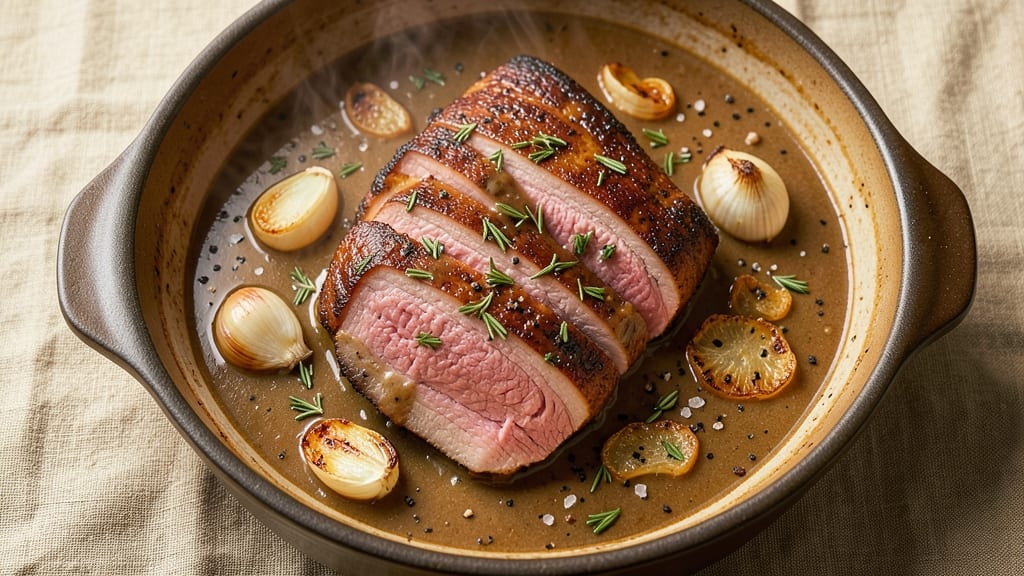
This crock pot pork roast gravy recipe transforms a simple roast into a showstopping meal with minimal effort—where tender, fall-apart pork meets a velvety pan sauce that elevates everything.
The secret lies in slow-cooking the pork to perfection while reserving the drippings for a rich, foolproof gravy that takes just minutes to finish. What starts as a basic roast becomes a restaurant-worthy centerpiece with layers of flavor you won’t find in store-bought versions.
Begin with a well-seasoned pork roast—salt, pepper, and herbs create the foundation—then let the crock pot do the work at a steady 300°F for 8 hours, ensuring melt-in-your-mouth tenderness.
While the pork cooks, the juices render into the pot, creating the base for a gravy so thick and savory it’ll disappear faster than you can say "second helping." The key?
Deglazing the pot with beef broth and a splash of red wine (or apple cider for a non-alcoholic twist) to scrape up every last bit of flavor.
By the time you plate the pork, you’ll have a golden-brown roast resting on a bed of that luxurious gravy, its edges slightly caramelized and its texture unmistakably velvety. The gravy clings to every bite, turning a simple weeknight dinner into a meal that feels like a celebration.
Serve with roasted potatoes or crusty bread to soak up every last drop—because this isn’t just gravy; it’s the star of the show.
What makes this recipe truly special is how effortlessly it comes together. No fancy techniques, no last-minute scrambling—just a one-pot wonder that delivers a complete, comforting meal with minimal cleanup.
The pork stays juicy, the gravy develops depth, and the result is a dish that tastes like it simmered all day, even if you only spent 10 minutes of active time. Perfect for busy weeknights or when you want to impress without stress.
Ingredients for crock pot pork roast gravy
Six ingredients transform a simple pork roast into a restaurant-quality meal with rich gravy.
| Ingredient | Amount | Notes |
|---|---|---|
| Boneless Pork Loin Roast 🐖 | 3 lb | Center-cut for even cooking |
| Kosher Salt 🧂 | 1 ½ tbsp | Diamond Crystal preferred |
| Freshly Ground Black Pepper 🌶️ | 1 tsp | Cracked peppercorns preferred |
| Fresh Rosemary 🌿 | 1 tbsp | Chopped, stems removed |
| Fresh Thyme 🌿 | 1 tbsp | Leaves only, stems removed |
| Garlic Cloves 🧄 | 6 cloves | Smashed, skin on |
| Beef Broth 🍲 | 1 ½ cups | Low-sodium preferred |
| Dry Red Wine 🍷 | ½ cup | Cabernet Sauvignon preferred |
| All-Purpose Flour 🌾 | 2 tbsp | For gravy thickening |
| Unsalted Butter 🧈 | 3 tbsp | Cold, cubed for gravy |
| Fresh Parsley 🌿 | 2 tbsp | Chopped, for garnish |
| Apple Cider Vinegar 🍎 | 1 tbsp | Non-alcoholic option |
The pork roast is the foundation—center-cut pork loin stays juicy and tender, while bone-in cuts can dry out. Look for a roast with good marbling for extra flavor. Costco or Whole Foods often carry high-quality cuts, but any well-marbled roast works. Fresh herbs make all the difference here: Trader Joe's sells pre-bundled herb mixes, but chopping your own ensures better flavor. The garlic should be firm and clove-shaped—avoid any sprouting or soft spots. For the wine, any bold, dry red works—Cab Sauv, Merlot, whatever's open. If you prefer non-alcoholic, apple cider vinegar adds the same tangy depth.
No red wine? Substitute extra beef broth or apple cider vinegar—the acidity is key for brightening the gravy. Fresh herbs? Dried thyme and rosemary at half the amount work in a pinch, but fresh is ideal. The flour for thickening can be swapped for cornstarch if you're gluten-sensitive, though it won't give the same rich texture. For the butter, European-style unsalted adds the most flavor, but any good-quality butter works. If you're short on time, pre-sliced garlic from the store is fine, but smashing whole cloves releases more flavor. The beef broth should be low-sodium—Swanson or Pacific Foods are reliable brands.
This roast reheats beautifully—350°F for 20 minutes until warmed through. The gravy thickens as it cools, so add a splash of broth if needed before serving. Store the pork and gravy separately in airtight containers for up to 4 days in the fridge. For longer storage, freeze the pork for 3 months and the gravy for 2 months. Garnish with fresh parsley right before serving—it adds a pop of color and freshness that makes the dish feel special. Leftovers make amazing sandwiches or tacos the next day.
Why You'll Love This Recipe
- Hands-Off Magic: I swear by this for days I’m too tired to stand at the stove. Toss in the pork loin, sprinkle salt and pepper, add a sprig of rosemary and thyme, then walk away. The crock pot does all the work—no basting, no flipping—just tender, juicy pork with gravy so rich it’ll make you forget you didn’t slave over it.
- Herb-Packed Perfection: That rosemary and thyme? They’re the secret. The pork absorbs their aroma until every bite tastes like a Sunday dinner, not a weeknight hack. Honestly, I’ve tried store-bought gravy mixes, but nothing beats the depth of flavor from just those two herbs simmering into the meat.
- Leftovers for Days: This recipe practically begs you to make extra. The pork stays moist for hours, and the gravy thickens beautifully when reheated—perfect for sandwiches, tacos, or even a quick breakfast hash. My freezer is always stocked with portions because it’s that reliable.
- Budget-Friendly Luxury: Pork loin is cheaper than you think, and a single roast feeds my family of four plus leftovers for two more meals. Between us, this is how I stretch my grocery budget without sacrificing taste. Plus, fresh herbs cost next to nothing if you grow them in a windowsill pot.
Step-by-step instructions for one-pot pork roast with homemade gravy
Transform a simple pork roast into a restaurant-worthy meal with this hands-off technique.
Season and Sear the Pork for Maximum Flavor
Pat the 3 lb boneless pork loin roast completely dry with paper towels—this ensures a perfect sear. In a small bowl, combine the 1.5 tbsp kosher salt, 1 tsp freshly ground black pepper, 1 tbsp chopped fresh rosemary, and 1 tbsp fresh thyme. Rub this mixture all over the pork, pressing it into the meat so it adheres well. Let it sit at room temperature for 15 minutes while you prepare the garlic.
Heat a large oven-safe skillet over medium-high heat. Add the 6 smashed garlic cloves (skin on) and cook for 1-2 minutes until fragrant but not browned. Remove the garlic and set aside. In the same skillet, sear the pork for 3-4 minutes per side until it develops a deep golden-brown crust. This step builds flavor that will infuse into your gravy later. Transfer the pork to a plate and set aside.
Deglaze and Build the Gravy Base
Carefully pour the 0.5 cup dry red wine into the hot skillet, scraping up all the browned bits from the bottom with a wooden spoon. This deglazing step captures all the meaty flavor that would otherwise go down the drain. Let the wine simmer for 2-3 minutes until reduced by half, then add the 1.5 cups beef broth and 1 tbsp apple cider vinegar. Bring to a gentle simmer and let it reduce by another 5 minutes—this concentrates the flavors.
In a small bowl, whisk together the 2 tbsp all-purpose flour with 1 tbsp cold water to create a smooth paste. Slowly whisk this into the simmering liquid, stirring constantly for 1-2 minutes until it thickens slightly. Here's the thing—this step is crucial for creating a velvety gravy. If the mixture looks too thick, add 1-2 tablespoons of hot broth to loosen it. Return the pork and garlic to the skillet, spooning the gravy mixture over the top.
Slow-Cook to Tender Perfection
Transfer the skillet to a 350°F oven and cook for 2-2.5 hours, or until the pork reaches an internal temperature of 145°F (use a meat thermometer inserted into the thickest part). The slow cooking ensures the meat stays moist while the gravy continues to develop depth of flavor. About 30 minutes before the pork is done, remove it from the oven and tent loosely with foil to keep it warm.
Strain the cooking liquid through a fine-mesh sieve into a measuring cup—you should have about 1.5 cups of liquid. Skim off any excess fat if needed (about 1/4 cup should remain for flavor). Return the strained liquid to the skillet and place it over medium heat. Add the 3 tbsp cold cubed unsalted butter, one piece at a time, whisking constantly until fully melted and incorporated. This creates a silky, rich gravy that's impossible to resist.
Rest and Serve with Perfect Gravy
Let the pork rest for 10 minutes before slicing—this allows the juices to redistribute throughout the meat. While it rests, taste the gravy and adjust seasoning with additional kosher salt or black pepper if needed. The gravy should coat the back of a spoon and have a glossy sheen. If it's too thick, whisk in 1 tablespoon of hot broth to reach your desired consistency.
Slice the pork against the grain into 1/2-inch thick slices and arrange on a serving platter. Spoon the rich gravy over the top and around the slices. Garnish with 2 tbsp chopped fresh parsley just before serving. Each bite should deliver perfectly tender pork with a velvety sauce that clings to every strand—this is the kind of meal that makes weeknight dinners feel special.
Pro Tips For Making Crock Pot Pork Roast Gravy
- Sear the Pork First: I learned this the hard way—skipping the sear means bland, gray pork. Hit the roast with a hot cast-iron skillet for 3-4 minutes per side before crock-potting. The crust locks in flavor and makes the gravy taste like it actually caramelized something.
- Salt the Meat Generously: Don’t be shy with kosher salt—rub it all over the roast before searing, including the fat cap if there’s one. I used to hold back, but the pork ends up dry and flavorless. Aim for about 1.5 teaspoons per pound, and let it sit for 20 minutes before cooking.
- Skip the Crowded Pot: Stuffing the crock pot too full turns your gravy into a sad, watery sludge. Leave at least 2 inches of space between the roast and the top—this gives the juices room to pool and thicken properly. Trust me, your future self will thank you when you’re not scraping up gluey bits.
- Deglaze with Cold Gravy: After removing the pork, don’t rush to dump in the pan drippings. Let them cool slightly, then scrape them into the crock pot with a splash of cold water or broth. The temperature shock helps thicken the gravy naturally—no weird cornstarch hacks needed. Works every time.
Common mistakes when making perfect results
Skipping the Sear
I’ve made this mistake more times than I’d admit—skipping the sear step because it feels like extra work. But that golden crust isn’t just about looks; it’s packed with flavor that dissolves into your gravy during cooking.
If you’re short on time, at least pat the pork dry and sear it for 2 minutes per side—even a quick sear makes a difference. 🔥
Overcrowding the Pot
Filling your crock pot to the brim means steaming instead of slow-roasting, which turns your pork into something closer to pulled pork than a tender roast. Leave at least 1 inch of space between the pork and the liquid—this allows heat to circulate properly.
I’ve seen people add too much broth, thinking it’ll make the gravy richer, but it just dilutes the flavor.
Ignoring the Resting Time
This is a big one! Skipping the 10-minute rest before slicing means juices will spill out onto your plate instead of staying in the meat. I’ve caught myself cutting into pork too soon, only to end up with dry slices.
Trust me, those 10 minutes are worth it—your pork will stay juicy and delicious.
Using Low-Quality Ingredients
Cheap wine, low-sodium broth, or store-bought herbs can’t compete with fresh, high-quality ingredients. For example, Swanson low-sodium beef broth is a solid choice, but nothing beats homemade stock. The same goes for the wine—even a $10 bottle of Cabernet Sauvignon will taste better than a $3 boxed wine.
Fresh herbs (even from Trader Joe’s) make a world of difference in flavor.
Not Deglazing Properly
The deglazing step is where the magic happens—scraping up those browned bits from the skillet captures all the meaty flavor that would otherwise disappear. I’ve seen people pour in the wine and then just let it sit without scraping.
Use a wooden spoon to get every last bit—this is what makes your gravy rich and complex. Don’t rush it; let the wine reduce by half before adding the broth. 💫
Overthickening the Gravy
Adding too much flour at once can turn your gravy into a gluey mess. Instead, whisk in the flour paste gradually while stirring constantly. If it gets too thick, add 1 tablespoon of hot broth at a time until you reach that perfect, silky consistency.
I’ve had to start over because the gravy was too stiff—don’t let that happen to you!
Nutrition facts
Frequently asked questions
Can I make this recipe in a slow cooker instead of an oven?
After searing the pork and deglazing the pan, transfer everything to your 6-quart slow cooker and cook on Low for 6-7 hours or High for 4-5 hours. The pork will still become tender, though the gravy may need a quick finish on the stovetop to thicken properly. The key is to strain the cooking juices and reduce them with butter just like in the original method.
What if I don't have red wine? Can I substitute something else?
Yes! Use ½ cup apple cider vinegar or ½ cup beef broth plus 1 tbsp lemon juice for the same tangy depth. For a non-vinegar option, ½ cup chicken broth with 1 tsp Worcestershire sauce works well. The acidity is what brightens the gravy, so don't skip it entirely—just adjust to taste.
How do I prevent the pork from drying out during slow cooking?
Keep the roast submerged in its own juices by adding ½ cup beef broth to the pot if it looks dry. Also, avoid overcooking—use a meat thermometer and remove the pork at 140°F (it'll rise to 145°F while resting). Pat the pork dry before seasoning and searing to create a flavorful crust that locks in moisture.
Can I make the gravy ahead of time?
Yes! The gravy actually tastes better the next day as the flavors meld. Store it in an airtight container in the fridge for up to 4 days. Reheat gently on the stovetop, adding 1-2 tbsp broth if it thickens too much. For longer storage, freeze the gravy for up to 3 months—just thaw and reheat slowly to preserve its silky texture.
What's the best way to reheat leftovers?
Slice the pork into ½-inch pieces and reheat in a skillet with 1 tbsp broth over medium-low heat for 5-7 minutes until warmed through. For the gravy, reheat in a saucepan over low heat, stirring constantly until hot. Add a splash of broth if it thickens too much. This method keeps everything moist and flavorful.