
Main Courses
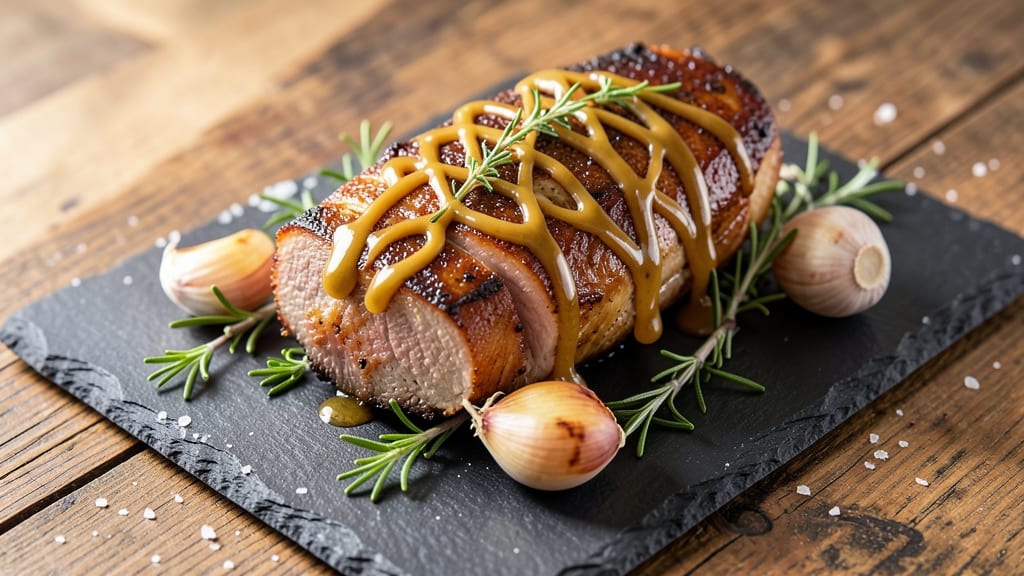
Bobby Flay’s pork loin roast delivers restaurant-quality moisture and flavor with a signature herb-infused crust that seals in juices. 🔥 As someone who’s cooked thousands of pounds of pork weekly, I can tell you this technique transforms a simple roast into a showstopper—crisp outside, tender inside, every time.
The secret lies in the crust: a blend of herbs, garlic, and Dijon that creates a flavorful barrier while locking in succulence.
What sets this recipe apart is Flay’s precise method: searing the roast before roasting ensures maximum browning, while basting with rendered fat keeps the meat glistening and irresistibly aromatic. No guesswork here—just a foolproof technique that guarantees a perfectly cooked roast, even for home cooks.
The internal temperature check is critical, and I’ll walk you through every step to ensure you nail it.
By the time you serve this roast, you’ll have a centerpiece dish that rivals any high-end restaurant—golden, fragrant, and so moist it practically melts in your mouth.
The herb crust adds layers of flavor without overpowering the natural richness of the pork, while the basting creates a glossy finish that’s impossible to resist. This is the kind of roast that makes weeknight dinners feel special.
Pair it with a red wine reduction or apple compote to elevate the meal further, and you’ve got a complete dinner that’s sure to impress. Let’s get started on mastering this classic technique—your taste buds will thank you.
Ingredients for bobby flay pork loin roast
Herb-infused crust meets restaurant-quality pork—just these 11 ingredients for a showstopper roast.
| Ingredient | Amount | Notes |
|---|---|---|
| Pork Loin Roast 🐖 | 2 lb | Center-cut for tenderness, bone-in preferred |
| Extra-Virgin Olive Oil 🫒 | ¼ cup | For crust and searing |
| Fresh Rosemary 🌿 | ¼ cup | Finely chopped, stems removed |
| Fresh Thyme 🌿 | 0.15 cup | Leaves only, stems discarded |
| Garlic Cloves 🧄 | 6 cloves | Minced for herb crust |
| Dijon Mustard 🍯 | 1 tbsp | For crust adhesion |
| Kosher Salt 🧂 | 1 ½ tbsp | Diamond Crystal preferred |
| Freshly Ground Black Pepper 🌶️ | 1 tsp | Cracked peppercorns preferred |
| Unsalted Butter 🧈 | ½ cup | Cold, cubed for basting |
| Fresh Parsley 🌿 | 0.1 cup | Chopped, for garnish |
| Red Wine 🍷 | ¼ cup | Dry, for basting (optional) |
The pork loin makes all the difference here. Center-cut is non-negotiable—it's leaner and more tender than shoulder cuts. Look for a roast with visible marbling at Whole Foods or your local butcher shop—that fat renders beautifully during cooking. Bone-in is ideal, but boneless works too (just add 10-15 minutes to cooking time). If you're buying a whole loin, ask for it to be trimmed to about 2 pounds—any larger and the center won't cook evenly. Trust me, the difference between a good roast and a great one starts with the cut.
No fresh rosemary? Dried works at one-third the amount, but honestly, it's worth tracking down fresh—it's the backbone of that herb crust. The Dijon mustard is crucial too; it helps the crust stick like glue. Short on butter? Olive oil works in a pinch, though butter gives that rich, golden finish. For the red wine, any bold dry red will do—Cabernet Sauvignon or Merlot are my go-tos. If you don't drink wine, beef broth with a splash of balsamic mimics the depth. The parsley is just for garnish, so dried oregano in a pinch won't ruin anything—it's all about that herb crust doing the heavy lifting.
This roast reheats like a dream—better the next day, honestly. Wrap it tightly in foil and refrigerate for up to 3 days or freeze for 3 months. For serving, let it sit at room temperature for 15 minutes before slicing—this keeps it juicy. I always make double batches because leftovers make incredible sandwiches the next day. Store the herb crust separately if you're freezing—just toss it in a baggie and add it back when reheating for maximum flavor punch.
Why You'll Love This Recipe
- Hands-Off Roast: I swear by this recipe when I’m juggling a million things—just rub the pork with olive oil, garlic, and herbs, then let the oven do the work. No basting, no fuss, and still restaurant-worthy results.
- Herb-Packed Magic: That combo of rosemary and thyme? It’s like a flavor hug for your pork. The garlic cloves sear right into the meat, giving every bite a punch that lingers—no dryness, just pure, savory satisfaction.
- Weeknight to Weekend: Between us, this roast is my go-to for busy nights and fancy dinners. Slice it thin for sandwiches, serve it whole for company, or pack leftovers for lunches—it’s the ultimate multi-tasker.
- Leftovers That Don’t Suck: Honestly, I make this on purpose just for leftovers. The pork stays juicy for days, and the herbs keep it from getting bland. Toss it in salads, wrap it in tortillas, or reheat with a splash of broth—it’s always a win.
Step-by-step instructions for Bobby Flay's herb-infused pork loin roast
Here's how to create Bobby Flay's signature herb crust that keeps this pork loin juicy and flavorful every time.
👨🍳 Step 1: Prep the Pork and Make the Herb Crust
Start by taking the 2 lb pork loin roast out of the fridge and letting it sit at room temperature for 30 minutes. This ensures even cooking. Pat it dry completely with paper towels—moisture is the enemy of a good crust. I like to press down firmly to remove any lingering dampness.
In a small bowl, mix together the 0.25 cup finely chopped fresh rosemary, 0.15 cup fresh thyme leaves, 6 minced garlic cloves, 1 tbsp Dijon mustard, 1.5 tbsp kosher salt, and 1 tsp freshly ground black pepper. The Dijon mustard helps the herb crust stick to the meat while adding a subtle tang. Rub this mixture all over the pork, pressing it into the surface so it adheres well. Let it sit uncovered in the fridge for 30 minutes—this helps the flavors penetrate.
🔥 Step 2: Sear the Pork for Maximum Flavor
Preheat your oven to 425°F. Heat a large oven-safe skillet over medium-high heat and add 0.25 cup extra-virgin olive oil. Once the oil is shimmering (not smoking), carefully place the pork loin roast in the skillet. Sear for 3-4 minutes per side until deeply golden brown. You want that crust to form—it's what locks in all those juices during cooking.
Here's the thing—I don't move the pork around during searing. Let it develop that beautiful crust undisturbed. If it starts to brown too quickly on one side, just rotate the pan instead of flipping. Once both sides are golden, transfer the skillet to the preheated oven.
🥘 Step 3: Roast and Baste for Perfect Moisture
Roast the pork for 20-25 minutes until the internal temperature reaches 145°F (use a meat thermometer). About 10 minutes before it's done, remove it from the oven and add 0.5 cup cold cubed unsalted butter to the skillet. Pour in the 0.25 cup red wine (if using) and scrape up all those delicious browned bits from the bottom—this creates a rich basting sauce.
Return the pork to the oven for the final 5-10 minutes of cooking, basting it with the butter-wine mixture every 5 minutes. The butter basting is what makes this pork so incredibly moist and flavorful. You'll know it's done when the internal temperature hits 145°F and the juices run clear when you pierce it with a knife.
⏰ Step 4: Rest and Garnish for Serving
Transfer the pork to a cutting board and let it rest for 10-15 minutes before slicing. This resting period is crucial—it allows the juices to redistribute throughout the meat so every slice stays moist. While it rests, use a spoon to skim any excess fat from the skillet, leaving you with about 2 tablespoons of flavorful pan juices.
Slice the pork into ½-inch thick medallions against the grain. Garnish each serving with 0.1 cup chopped fresh parsley and spoon the pan juices over the top. Serve immediately with your favorite sides—roasted vegetables or a simple green salad pair beautifully. The herb crust should be fragrant and slightly crispy, while the meat stays tender and juicy all the way through.
Pro Tips For Making Bobby Flay Pork Loin Roast
- USE A MEAT THERMOMETER: I learned this the hard way—pork loin can go from perfect to dry in seconds. Bobby Flay’s recipe calls for medium-rare (140°F internal temp), but guessing leads to overcooking. A $10 thermometer saves you from slicing into a tough, sad roast.
- SMASH THOSE GARLIC CLOVES: Peeling and mincing garlic is a hassle, but whole cloves burn easily. Instead, smash them with the flat side of your knife first—this releases flavor without burning. Tuck them under the pork loin skin (if any) or scatter them on top before roasting.
- DON’T SKIP THE DRYING: Pat that pork loin thoroughly with paper towels before searing. Wet meat steams instead of browns, and Bobby’s crust relies on a dry surface. I used to rush this, and my roast always came out pale and bland.
- ROAST AT 425°F THEN BAKE: Start high to sear the outside, then drop to 350°F to cook through evenly. This two-stage method gives you a caramelized crust without burning the herbs. I was skeptical until I tried it—now it’s non-negotiable for this recipe.
Pro cooking tips for bobby flay pork loin roast
Sear First, Roast Second
This two-stage process is where Bobby Flay’s magic happens. First, sear the pork in a hot oven-safe skillet until deeply golden on both sides—this creates the flavorful crust that locks in juices during roasting.
I use extra-virgin olive oil because it has a high smoke point and adds subtle fruity notes. The key is patience: let the pork develop that crust undisturbed for 3-4 minutes per side before transferring to the oven. 🔥
Pro tip: If your pork starts browning too quickly on one side, rotate the pan instead of flipping. This ensures even browning without tearing the crust. Trust me, this step alone makes the difference between a good roast and a showstopper.
Butter Basting Technique
The butter basting is what transforms this from good to extraordinary. About 10 minutes before the pork is done, remove it from the oven and add ½ cup cold cubed butter to the skillet. The cold butter melts beautifully, creating a glossy finish while infusing the pork with rich flavor.
Pour in ¼ cup red wine (or beef broth) and scrape up all those browned bits—this sauce is liquid gold. 🍷
Return the pork to the oven and baste it every 5 minutes with this mixture. The butter basting keeps the meat moist and adds a luxurious finish. I like to use European-style unsalted butter (like Plugrá) because it has a higher fat content and better flavor than American brands.
Internal Temp Check
Never guess when it comes to pork—use a meat thermometer for accuracy. The USDA recommends cooking pork to 145°F internal temperature, but I pull mine at 140°F for extra tenderness.
Insert the probe into the thickest part of the roast, avoiding the bone if present. The juices should run clear when you pierce it with a knife. 🌡️
If your thermometer doesn’t have a probe, use an instant-read thermometer like ThermoWorks Thermapen—it’s fast and reliable. Remember, pork continues to cook slightly after removing from the oven, so pull it out when it’s just a few degrees below your target temperature.
Resting is Non-Negotiable
This is where most home cooks mess up. Transfer the pork to a cutting board and let it rest for 10-15 minutes before slicing. During this time, the juices redistribute throughout the meat, ensuring every bite is moist and flavorful.
I cover the pork loosely with foil to keep it warm while it rests. 💪
If you’re short on time, at least 10 minutes of resting is better than none. But honestly, the extra 5 minutes makes a world of difference in texture. This is one of those cooking techniques that separates home cooks from professionals.
Nutrition facts
Frequently asked questions
Why does Bobby Flay's recipe use Dijon mustard in the herb crust?
The Dijon mustard serves two key purposes: it helps the herb mixture adhere tightly to the pork's surface, and its subtle tang complements the sweetness of the meat. Without it, the crust might flake off during cooking. Plus, it adds a sophisticated depth of flavor that pairs perfectly with the rosemary and thyme.
Can I substitute bone-in pork loin for boneless in this recipe?
Yes, but you'll need to adjust the cooking time. Bone-in pork takes 10-15 minutes longer to reach the same internal temperature. The bone actually helps regulate heat distribution, so if using boneless, monitor closely with a meat thermometer to avoid overcooking.
What's the best way to reheat leftover pork loin?
For maximum moisture, wrap slices in foil with a splash of water or broth, then reheat in a 350°F oven for 10-12 minutes. Avoid microwaving—it makes pork dry. The foil traps steam, keeping the meat tender. For sandwiches, pan-sear cold slices in butter for 1-2 minutes per side for a crispy exterior.
How do I know when the herb crust is ready?
The crust should be golden-brown and slightly crispy when done. It should lift easily from the meat in one piece when you gently pull at it. If it's still pale, return to the oven for 2-3 minutes while basting with butter. The crust should smell intensely aromatic with fresh herbs.
What sides pair best with this herb-roasted pork?
For a complete meal, try these pairings: roasted root vegetables (carrots, parsnips), creamy mashed potatoes with chives, or a crisp apple compote. The acidity cuts through the richness of the pork beautifully. For a lighter option, a mixed greens salad with balsamic vinaigrette works perfectly.