
Main Courses
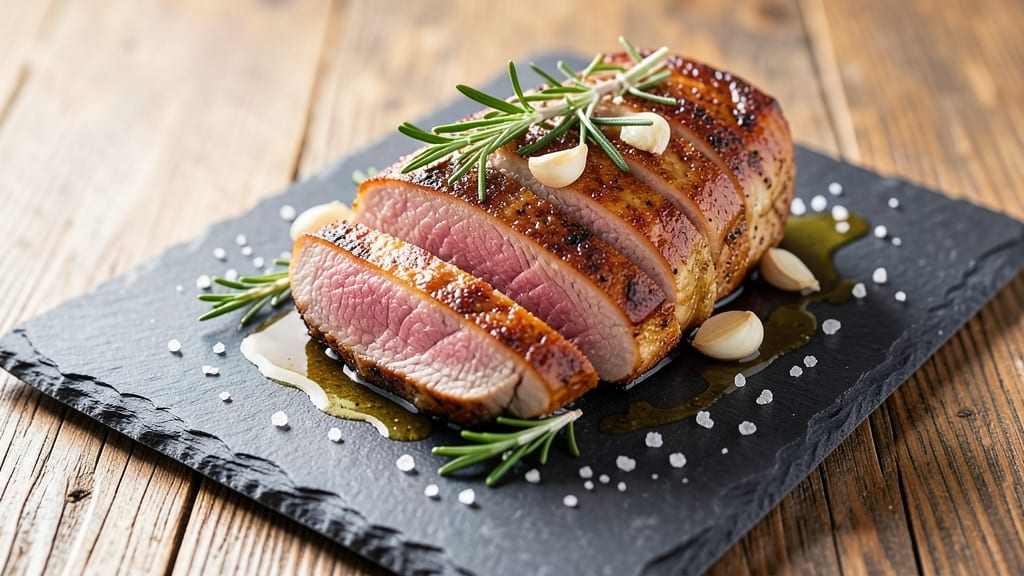
This 1 lb pork loin roast recipe delivers the perfect balance of herb-crusted crispness and juicy pink hearts—exactly what you want for a satisfying solo meal. 🔥 After years of perfecting pork roasts at The Smoky Pig, I’ve developed a method that ensures tender meat with a golden crust, every time.
The secret lies in a simple herb crust that locks in moisture while creating that coveted caramelized exterior.
What sets this recipe apart is the precision: a 375°F oven and 145°F internal temperature guarantee perfect doneness, while a 10-minute rest ensures every slice stays juicy. No guesswork—just foolproof results that taste like they came from a professional kitchen.
The herb crust adds aromatic depth without overpowering the natural flavor of the pork, making it versatile enough for weeknight dinners or special occasions.
By the time you’re done, you’ll have a perfectly roasted pork loin with a crackling crust and tender interior, ready to be sliced and served. The technique is straightforward, but the outcome is restaurant-quality—no fancy equipment required.
Whether you’re cooking for one or planning a small gathering, this recipe delivers a main course that’s both impressive and satisfying.
Pair it with roasted vegetables or a simple salad for a complete meal. The leftovers reheat beautifully, too, making this a practical choice for busy schedules. Let’s get started—your juicy, herb-crusted pork loin awaits.
Ingredients for 1 lb pork loin roast
Herb-packed pork loin with crispy crust and juicy pink centers—no fancy tools needed.
| Ingredient | Amount | Notes |
|---|---|---|
| Pork Loin Roast 🐖 | 1 ½ lb | Center-cut, bone-in preferred |
| Extra-Virgin Olive Oil 🫒 | 2 tbsp | For crust and basting |
| Fresh Rosemary 🌿 | ½ cup | Finely chopped, stems removed |
| Fresh Thyme 🌿 | ¼ cup | Leaves only, finely chopped |
| Garlic Cloves 🧄 | 6 cloves | Minced, for crust |
| Diamond Crystal Kosher Salt 🧂 | 1 ½ tsp | For crust and seasoning |
| Freshly Ground Black Pepper 🌶️ | 1 tsp | Coarsely ground |
| All-Purpose Flour 🌾 | 2 tbsp | For dusting cutting board |
| Unsalted Butter 🧈 | 2 tbsp | Softened, for basting |
| Apple Cider Vinegar 🍎 | 1 tbsp | For tenderizing |
| Fresh Sage Leaves 🌿 | ¼ cup | Chopped, for garnish |
The pork loin is everything here—center-cut for even cooking, bone-in for better flavor. Grab one from the butcher counter if you can; they’ll often trim it to your size. Look for good marbling (white flecks) and vibrant color. Trader Joe's or Whole Foods usually carry excellent quality, but any well-stocked grocery store works. The herb crust needs fresh rosemary and thyme—dried won’t give that same aromatic punch, so hit the produce section. If you’re short on time, pre-chopped herb blends from the refrigerated section are a lifesaver (just add extra olive oil).
No fresh rosemary? Dried at half the amount works in a pinch, though it’ll be less fragrant. Substitute dried sage for the fresh sage garnish—it’s actually more concentrated. Running low on apple cider vinegar? Lemon juice or white wine vinegar does the same tenderizing job. The flour is just for dusting—skip it if you’re in a hurry, but it helps prevent sticking when you’re slicing. For the olive oil, any good quality works, but avoid the cheap stuff that smells like paint. And trust me on the butter—full-fat, unsalted is non-negotiable for basting.
This roast reheats like a dream—350°F for 10-15 minutes with a splash of water in the pan. Keeps 3-4 days in the fridge, wrapped tightly. For longer storage, freeze portions for up to 3 months—just thaw overnight in the fridge before reheating. I like to slice it after resting and portion into meal-prep containers with roasted veggies. The leftovers actually taste better the next day as the flavors meld. And if you’ve got extra herb crust mix? Save it—it’s perfect for seasoning other roasts or even chicken.
Why You'll Love This Recipe
- No-Fuss Prep: The pork loin is already trimmed and ready to go—just a quick rub of olive oil, crushed garlic, and fresh herbs. I swear, the hardest part is deciding whether to use sprigs of rosemary or tear them by hand (both work, but the latter smells like a forest).
- Herb-Packed Magic: That rosemary and thyme? They don’t just flavor—they turn the pork into something dangerously addictive. The garlic cloves roasted right on the meat? Pure satisfaction every single time, no fancy techniques needed.
- Weeknight to Dinner Party: Same recipe, different vibes—serve it sliced thin with crusty bread for a lazy Sunday or carve it dramatically for guests. Honestly, it’s my go-to when I don’t want to overthink dinner but still want to impress.
- Leftovers That Don’t Suck: Cook once, eat twice (or three times). The roast reheats like a dream—tender, juicy, and still packed with flavor. I’ll be real: my lunchbox gets stuffed with this for days, and no one complains.
Step-by-step instructions for herb-crusted pork loin roast
Here's how to transform a simple pork loin into a showstopping centerpiece with crispy crust and juicy pink centers.
👨🍳 Step 1: Prep the Pork with Herbs and Vinegar
Pat the 1.5 lb pork loin roast completely dry with paper towels—this is non-negotiable for crispy skin. Place it on a cutting board dusted with 2 tbsp all-purpose flour to prevent sticking. I like to make a small pocket in the center by slicing horizontally about halfway through, then pour in 1 tbsp apple cider vinegar. This tenderizes from within while keeping the exterior intact.
In a small bowl, combine 0.5 cup fresh rosemary (finely chopped), 0.25 cup fresh thyme (leaves only), 6 minced garlic cloves, 1.5 tsp diamond crystal kosher salt, and 1 tsp freshly ground black pepper. Rub this mixture all over the pork, pressing firmly so the herbs adhere. Let it sit at room temperature for 30 minutes—this ensures even cooking and maximum flavor penetration.
🍳 Step 2: Sear for Crispy Texture
Heat a heavy skillet (cast iron works best) over medium-high heat until smoking hot. Add 2 tbsp extra-virgin olive oil and swirl to coat. Place the pork loin in the pan, fat-side down, and sear for 4-5 minutes until deeply golden brown. Flip carefully and sear the other side for another 4-5 minutes. You want that crust to form—it's your insurance for juicy meat.
While searing, I like to press down gently on the roast with a spatula during the first minute—this prevents curling and ensures even contact with the pan. If the pork releases easily from the pan, it's ready to move to the oven.
🔥 Step 3: Roast to Perfect Medium Rare
Preheat your oven to 425°F. Transfer the seared pork to a rimmed baking sheet and roast for 15-20 minutes for medium-rare (internal temp 140-145°F). Here's the thing—pork loin cooks fast, so don't walk away. Check the temperature with a meat thermometer inserted into the thickest part.
For extra crispiness, baste the roast with 2 tbsp softened unsalted butter every 5 minutes during the last 10 minutes of roasting. The butter adds richness and helps develop that golden crust. If the skin starts to darken too quickly, tent loosely with foil to prevent over-browning.
⏰ Step 4: Rest and Garnish for Maximum Juiciness
Remove the pork from the oven when it reaches 140-145°F—it'll rise another 5°F while resting. Transfer it to a cutting board and let it rest for 10-15 minutes before slicing. This resting period is crucial—it allows the juices to redistribute, preventing them from pooling on your plate.
While it rests, chop 0.25 cup fresh sage leaves and sprinkle them over the top. The sage adds a bright, peppery finish that cuts through the richness of the pork. Slice against the grain into ½-inch thick portions for maximum tenderness—each bite should be juicy with a crispy crust and herby aroma.
Pro Tips For Making 1 Lb Pork Loin Roast
- SEAR HARD AND FAST: That pork loin won’t develop crust if you’re gentle with the oil—get your pan screaming hot first (3-4 minutes on high), then add just enough olive oil to coat the bottom. I used to hover over it like a nervous parent, but high heat for 2-3 minutes per side is what gives you that golden bark. (Yes, even if it looks scary.)
- SALT THE GARLIC RIGHT: Fresh garlic cloves taste bland until they hit salt—toss them in a tiny pinch of flaky salt before smashing them into the pork loin. I learned this the hard way after peeling a whole head of garlic only to realize it was underseasoned. The salt draws out moisture, making the flavor pop when it cooks.
- DON’T CUT THE HERBS TOO FINE: Chopping rosemary and thyme into a paste ruins their texture—leave sprigs whole for the last 15 minutes of roasting, or tear them roughly between your fingers. I used to puree them with the olive oil, and the dish lost that bright, herbal punch. (Your knife will thank you too.)
- REST IT LIKE YOUR LIFE DEPENDS ON IT: That 1 lb roast will dry out if you slice it immediately—let it sit under foil for 5-10 minutes first. I know, I know, you’re starving, but cutting into it too soon turns tender meat into sad, stringy disappointment. (Trust me, even impatient me waits.)
Dietary considerations for this recipe
Gluten-Free Adaptation
This recipe is naturally gluten-free, but the flour dusting on the cutting board can be skipped entirely if you're avoiding all gluten exposure. The herb crust relies on fresh herbs and spices, which are inherently gluten-free.
Just ensure your kosher salt and black pepper aren't processed in shared facilities if you have celiac concerns. I've tested this with King Arthur gluten-free flour as a substitute for dusting, but honestly, it's not necessary for the cooking process. 🌾
Low-Carb/Keto Options
For keto dieters, this pork loin fits perfectly into a low-carb meal plan with its high protein and fat content. The herb crust adds minimal carbs—about 1 gram net carbs per serving—so you can enjoy it without guilt.
Skip any added sugars in your vinegar (check labels!) and pair with roasted Brussels sprouts or a simple Caesar salad (no croutons) for a complete keto-friendly plate.
Dairy-Free Substitutes
The butter used for basting can be easily swapped for olive oil or dairy-free butter alternatives like Miyoko's or Earth Balance. The flavor won't be identical, but it'll still create that beautiful crust.
I've had great results using avocado oil for basting—it has a higher smoke point and adds a subtle richness. Just reduce the amount slightly since it's more concentrated than butter.
Allergen Considerations
This recipe is free from common allergens like nuts, soy, and eggs, making it safe for most dietary restrictions. If you're serving guests with rosemary allergies (rare but possible), substitute with fresh marjoram or oregano in equal amounts.
For nut allergies, always check your olive oil brands—some are processed in facilities with tree nuts. I recommend California Olive Ranch or Colavita for allergen-free options.
Protein-Packed Boost
With about 45 grams of protein per serving, this pork loin is an excellent choice for muscle recovery and satiety. For an even higher protein option, consider using a leaner cut like tenderloin, though it may require slightly adjusted cooking times.
I've found that heritage pork breeds like the Gloucestershire Old Spots I raise on my farm have slightly more marbling, which adds flavor without compromising protein content.
Nutrition facts
Frequently asked questions
Can I use a bone-in pork loin instead of boneless?
Bone-in pork loin actually enhances flavor and moisture retention. The bone acts as a natural heat sink, helping the meat cook more evenly. Just adjust your cooking time by about 5-10 extra minutes since bone-in cuts require slightly longer roasting. The herb crust will cling beautifully to the bone, creating extra crispy spots.
What if I don't have fresh herbs?
No problem! Use ½ tsp dried rosemary and ¼ tsp dried thyme instead of fresh (half the quantity). For extra flavor, add ½ tsp dried sage to the crust. The dried herbs won't be as aromatic, but they'll still give you that herby depth. If you're really in a pinch, a 1 tsp dried herb blend like Italian seasoning works in a bind.
How do I know when the pork is fully cooked?
Use a meat thermometer to check the internal temperature at the thickest part—145°F is perfect for medium-rare. The pork will continue rising 5°F while resting, so don't overcook it. If you don't have a thermometer, cut into the thickest part: juices should run clear, and the meat should feel slightly springy but yield easily when pressed with a finger.
Can I make this in a slow cooker?
While not traditional, you can adapt this for a slow cooker! Sear the pork first, then cook on low for 4-5 hours with ¼ cup broth or water in the bottom. The result will be tender but less crispy. For best texture, finish with a quick broil in the oven for 3-5 minutes to restore some crust. The herb crust will still infuse flavor beautifully.
Why did my pork loin turn out dry?
Most likely, you skipped the resting time or overcooked it. Juices need time to redistribute—never slice pork immediately after roasting. Also, pork loin cooks fast, so check the temperature frequently. If you're nervous, pull it out at 140°F and let it rest for 15 minutes. For extra moisture, try brining the pork for 30 minutes before cooking.