
Sauces & Condiments
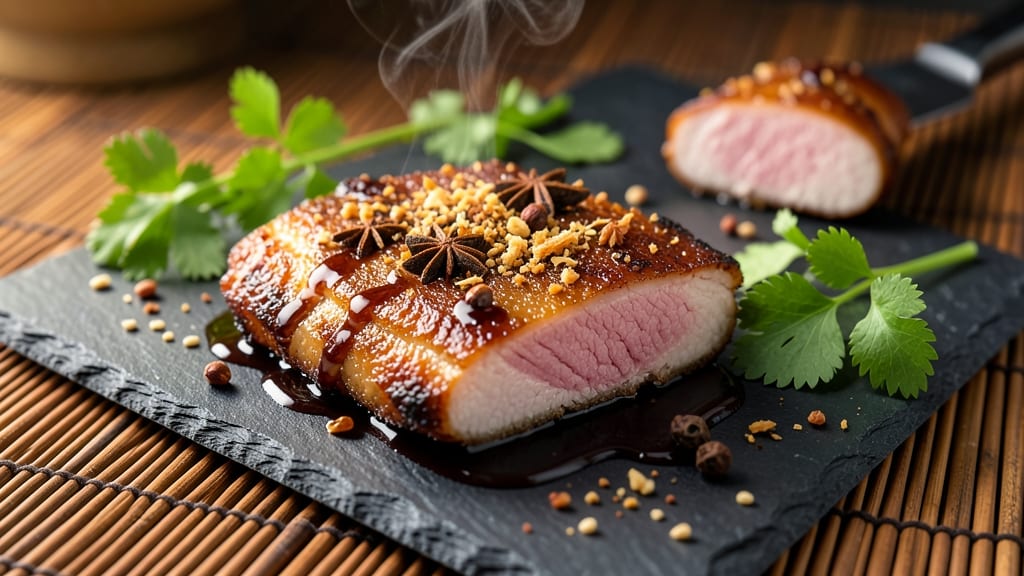
This Asian pork rub recipe transforms simple pork into a flavor explosion with just five bold spices. The blend of star anise, cinnamon, and Szechuan peppercorns creates layers of warmth and complexity that penetrate every bite.
I developed this mix after years of perfecting pork rubs for my restaurant's menu, where it became a customer favorite.
The beauty of this seasoning lies in its versatility—it works equally well on grilled chops, roasted pork tenderloin, or even pulled pork. Each component plays a crucial role: the star anise adds depth, cinnamon brings sweetness, and Szechuan peppercorns deliver that signature tingling heat.
The recipe uses precise measurements to ensure perfect balance every time.
What makes this blend special is how it enhances pork's natural richness without overpowering it. The spices caramelize beautifully when exposed to heat, creating a fragrant crust that seals in juices. This is the kind of seasoning that turns an ordinary cut of pork into something extraordinary with minimal effort.
Once you try this Asian pork rub, you'll never go back to basic seasonings. The blend keeps well in an airtight container for up to three months, making it perfect for stocking your pantry.
Whether you're preparing a weeknight dinner or hosting a BBQ gathering, this seasoning will elevate your pork dishes to restaurant-quality levels.
Ingredients for asian pork rub
Five aromatic spices blend into this restaurant-quality pork rub for irresistible flavor.
| Ingredient | Amount | Notes |
|---|---|---|
| Star Anise 🌿 | 1 ½ tbsp | Whole pods, lightly crushed |
| Ground Cinnamon 🌶️ | 1 ½ tbsp | Freshly ground preferred |
| Szechuan Peppercorns 🌶️ | 1 tbsp | Crushed for tingling heat |
| Ground Ginger 🌿 | 1 tbsp | Freshly ground for depth |
| Kosher Salt 🧂 | 1 tbsp | Diamond Crystal preferred |
| Black Peppercorns 🌶️ | 1 tsp | Freshly cracked for brightness |
| Garlic Powder 🧄 | 1 tsp | Not garlic salt |
| White Pepper 🌶️ | ½ tsp | For subtle warmth |
The star anise and Szechuan peppercorns are non-negotiable here—they create that signature depth and tingling heat. For star anise, Whole Foods or specialty Asian markets have the best quality, but any grocery store carries it. Szechuan peppercorns can be tricky to find—Trader Joe's usually has them, or check the international aisle. Freshly ground spices make all the difference, so if you've got whole spices (like cinnamon sticks or peppercorns), grind them yourself. The Penzeys brand is my go-to for high-quality whole spices, but any reputable bulk bin will work.
No Szechuan peppercorns? Substitute with a pinch of cayenne plus a dash of black pepper—it won't be identical, but you'll still get that warmth. Running low on star anise? Anise seeds work in a pinch, though the flavor is slightly different. The garlic powder can be swapped for fresh garlic (about 2 cloves, minced), but it loses some of its punch. For a sweeter profile, add a pinch of sugar or maple syrup. This blend is designed to be balanced, so adjust to taste—just remember that the spices caramelize when cooked, so don't overdo it on the salt.
Store this rub in an airtight container away from light and heat—it'll keep for up to 3 months. I like to portion it into small jars so I can grab one whenever I'm ready to season pork. If you make a big batch, freeze half for later—just let it sit at room temperature for 10 minutes before using. The flavors actually deepen over time, so this is one of those pantry staples that gets better with age. Trust me, once you try this, you'll never go back to basic seasonings.
Why You'll Love This Recipe
- Pantry Magic: This rub uses spices I already had—no last-minute grocery runs. Star anise and Szechuan peppercorns might sound fancy, but they’re just a few shakes away from transforming plain pork into something special. (Yes, even on a Tuesday night.)
- Warmth with a Kick: That cinnamon and ginger combo feels like a hug, but the Szechuan peppercorns add a subtle, tingling heat that lingers. It’s the kind of flavor that makes you reach for seconds without even thinking—crispy edges, tender inside, and a finish that’s dangerously addictive.
- Weeknight Superstar: Slap this on pork chops, toss it in a stir-fry, or even mix it into ground pork for tacos—it’s my go-to when I need flavor but don’t want to slave over a recipe. The rub keeps well, so I make a big batch and let it work its magic all week.
- Budget-Friendly Upgrade: A little goes a long way, and since the spices are shelf-stable, this is my secret weapon for making cheap cuts of pork taste like a restaurant dish. Leftover rub? Freeze it—perfect for next time I’m craving that same rich, aromatic punch without breaking the bank.
Step-by-step instructions for making the Asian pork rub
This aromatic blend delivers deep flavor with just a few simple steps—perfect for grilled or roasted pork.
Lightly Crush the Star Anise
Place the 1.5 tablespoons of whole star anise between two sheets of plastic wrap. Using a rolling pin or small skillet, gently crush the pods until they're lightly broken—just enough to release their essential oils when mixed. You want them to stay whole but release their flavor, not turn into powder. This step ensures those complex anise notes infuse properly into the rub without overpowering.
Here's the thing—star anise can be potent. Light crushing gives you that warm, licorice-like aroma without the bitterness that comes from over-processing. Set these aside once crushed; you'll add them to the dry ingredients next.
Combine All Dry Ingredients
In a medium bowl, whisk together the 1.5 tablespoons ground cinnamon, 1 tablespoon Szechuan peppercorns, 1 tablespoon ground ginger, 1 tablespoon kosher salt, 1 teaspoon black peppercorns, 1 teaspoon garlic powder, and 0.5 teaspoon white pepper. The Szechuan peppercorns should be crushed first—just enough to release their tingling oils, but not so fine that they turn into a powder.
Use a wire whisk for this step to ensure everything is evenly distributed. You'll see the spices start to blend together, creating a rich, earthy base. The cinnamon and ginger will give you warmth, while the Szechuan peppercorns add that signature numbing heat that makes this rub so special. Don't skip the whisking—uneven distribution leads to flavor pockets in your final dish.
Incorporate the Crushed Star Anise
Add the lightly crushed star anise to the dry mixture and stir gently with a silicone spatula. You want to distribute those whole pods evenly throughout the blend. The star anise will add depth and complexity, but it's important not to overmix—just enough to ensure each tablespoon of rub contains a few pieces.
At this stage, you should be able to see the star anise pieces scattered throughout the powder. If you're using this rub for pork tenderloin or chops, the whole pods will infuse flavor as they cook. For ground meat applications, you might want to crush them slightly more, but I prefer leaving them whole for grilled cuts.
Store Properly for Maximum Freshness
Transfer the completed rub to an airtight container with a fine-mesh sieve or small bowl on top. This setup allows you to shake out exactly what you need without exposing the entire batch to air. The rub will keep well in a cool, dark place for up to 3 months, or you can refrigerate it for up to 6 months to preserve maximum potency.
This blend works beautifully on pork shoulder for pulled pork, pork chops for grilling, or even pork belly for roasting. The key is applying it generously—about 1 tablespoon per pound of meat—and letting it sit for at least 30 minutes before cooking to allow the spices to penetrate. For best results, pat the meat dry first to help the rub adhere properly.
Pro Tips For Making Asian Pork Rub
- CRUSH THE PEPPERCORNS: Don’t just toss whole Szechuan peppercorns into the mix—they’ll sit like tiny rocks and ruin the texture. Lightly crush them with the flat side of a knife or a mortar and pestle until they’re still whole but broken open. This releases their numbing, citrusy magic without turning the rub into a gritty mess. (Yes, I learned this the hard way after biting into a peppercorn in my first attempt.)
- TOAST THE SPICES: Warm the star anise and ground cinnamon in a dry skillet over medium-low heat for 30 seconds until fragrant. This deepens their flavor and cuts through the sharpness of the Szechuan peppercorns. Skip this, and your rub will taste flat—like someone forgot to season the seasoning.
- SALT THE PORK FIRST: Pat the pork dry, then sprinkle a generous layer of kosher salt (about 1 teaspoon per pound) and let it sit for 10 minutes before applying the rub. This ensures the salt penetrates deep, while the rub sticks like glue afterward. I used to skip this, and my pork always ended up with a dry crust and a bland center.
- DON’T OVERMIX THE RUB: Stir the ground ginger and cinnamon into the salt just until combined—lumps are fine. Overworking it turns the cinnamon into a fine powder that clumps when applied, making a sloppy, uneven coating on the pork. A quick fold with a fork does the trick. (Your future self will thank you when the rub clings perfectly.)
Make-ahead tips for this recipe
Prep Ahead for Grilling
Pat your pork chops or tenderloin dry with paper towels, then apply the rub 24 hours ahead of grilling. Store the seasoned meat in an airtight container lined with parchment paper in the fridge.
This gives the spices time to deeply penetrate the meat, creating a flavorful crust that locks in juices. I swear by this method—it makes all the difference when you fire up the grill. 🔥
For pulled pork, apply the rub to a pork shoulder and refrigerate uncovered for 12-24 hours before smoking. The extended exposure to air helps the rub form a dry, flavorful crust that's perfect for low-and-slow cooking.
I like to use a Lodge cast iron Dutch oven for this step—it keeps the meat stable while the rub works its magic.
Freezer-Friendly Prep
Make a big batch of this rub and store it in ice cube trays for portion control. Once frozen, transfer the cubes to a ziplock freezer bag and label with the date. Each cube equals about 1 tablespoon—perfect for a single pork chop or tenderloin.
The rub stays potent in the freezer for up to 6 months, though I find it's best used within 3 months for peak flavor. 💫
Pre-rub pork tenderloins and freeze them on a parchment-lined tray before transferring to a bag. When ready to cook, thaw in the fridge overnight. This method works especially well for weeknight dinners—just pull it from the freezer, pat dry, and hit the grill.
The rub's flavors stay vibrant even after freezing, making it a true pantry hero.
Double-Duty Rub
Use this rub on pork belly for roasting by applying it 12 hours ahead of cooking. The extended time lets the spices caramelize beautifully, creating a crispy, aromatic bark. I often roast the belly at 300°F for 3 hours before finishing with a sear—this rub makes the crackling irresistible. 🥓
For a quick weeknight meal, coat pork tenderloin slices with the rub and refrigerate overnight. The next day, pan-sear them in a cast iron skillet over medium-high heat for 3-4 minutes per side.
The pre-rubbed meat develops a deep, complex flavor that's perfect for stir-fries or tacos. Trust me, this shortcut saves time without sacrificing taste.
Nutrition facts
Frequently asked questions
Can I use this rub on other meats besides pork?
While this blend was designed specifically for pork, it works beautifully on chicken thighs or duck breast for a similar Asian-inspired flavor. The spices complement the richness of these meats, though pork remains the ideal match. For beef, reduce the Szechuan peppercorns by half to avoid overwhelming the dish.
How do I adjust the spice level for sensitive eaters?
For milder heat, reduce the Szechuan peppercorns to 0.5 tablespoon and omit the white pepper. The star anise and cinnamon will still provide depth without the tingling sensation. Alternatively, substitute the Szechuan peppercorns with an extra 0.5 teaspoon of garlic powder for a sweeter, more aromatic profile.
Why do you recommend crushing the star anise instead of grinding it?
Lightly crushing the star anise releases its essential oils while keeping the pods intact for gradual flavor infusion during cooking. Whole pods create layers of flavor as they cook, whereas ground star anise can become bitter. This method ensures balanced, aromatic notes throughout your dish without overpowering it.
Can I make this rub without Szechuan peppercorns?
Yes! Replace the Szechuan peppercorns with 0.5 teaspoon cayenne pepper plus 0.5 teaspoon black pepper for warmth. While it won't replicate the exact numbing heat, this combo adds depth and spice. For a sweeter alternative, use 1 teaspoon ground coriander—it maintains the blend's complexity without the peppery kick.
How much rub should I use for different pork cuts?
Use 1 tablespoon per pound of meat for chops and tenderloins, 2 tablespoons per pound for pork shoulder (pulled pork), and 1.5 tablespoons per pound for pork belly. For thin cuts like pork loin slices, 0.5 teaspoon per slice works perfectly. Always pat the meat dry first to help the rub adhere evenly.