
Main Courses
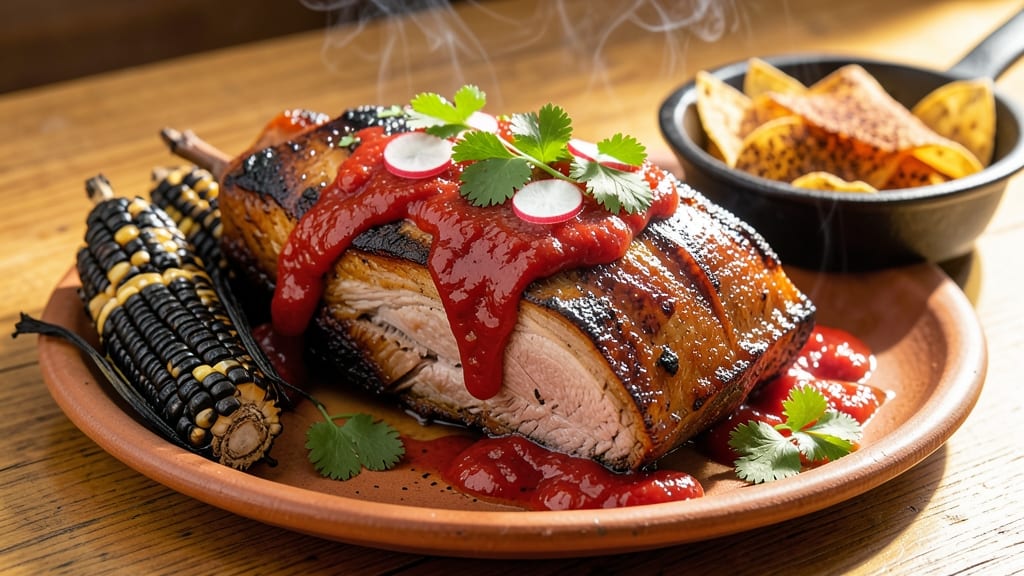
This Mexican smoked pork shoulder recipe delivers tender, melt-in-your-mouth pulls with a chipotle-infused bark that crackles at every bite. 🔥 After years of perfecting my technique at Atlanta's Smoky Pig, I've adapted the classic Texas-style shoulder with bold Mexican flavors—achiote rubs, adobo marinades, and a touch of citrus that keeps the meat juicy for hours.
The secret lies in low-and-slow smoking at 225°F, where the collagen transforms into silky strands while the outer layer develops that signature smoky-sweet crust.
What sets this recipe apart is the balance between tradition and modern convenience. While purists might insist on a wood-fired pit, I've tested this method on pellet smokers, electric smokers, and even a well-calibrated oven—each delivers restaurant-quality results without requiring a dedicated smoker.
The key is patience: a 10-hour cook for a full shoulder, with the final 2 hours wrapped in foil to lock in moisture. My heritage pigs from the farm always yield the best texture, but any well-marbled shoulder will work.
By the time you pull that first forkful, you'll taste layers of complexity: the heat of chipotle, the earthiness of achiote, and the natural sweetness of the pork all coming together in perfect harmony.
The meat should fall apart at the slightest touch, releasing juices that make every bite irresistible. This isn't just pulled pork—it's a celebration of Mexican-Southern fusion that transforms weeknight dinners into special occasions.
Serve with charro beans, grilled corn, and warm tortillas for the full experience, or use it as the star of tacos, nachos, or even breakfast burritos the next day.
The leftovers keep beautifully for 4 days, making this the ultimate make-ahead meal for feeding a crowd. Let's get smoking—your taste buds will thank you.
Ingredients for mexican smoked pork shoulder
Bold flavors and smoky magic transform this pork shoulder into restaurant-quality Mexican pulled pork.
| Ingredient | Amount | Notes |
|---|---|---|
| Pork Shoulder (Bone-In) 🐖 | 8 lb | Heritage pig preferred, well-marbled |
| Adobo Sauce 🌶️ | ½ cup | From canned chipotle peppers |
| Achiote Powder 🌿 | 2 tbsp | For vibrant color and earthy flavor |
| Ground Cumin 🌿 | 1 ½ tbsp | Toasted for deeper aroma |
| Smoked Paprika 🌶️ | 1 ½ tbsp | For smoky depth |
| Garlic Powder 🧄 | 1 tbsp | Freshly ground preferred |
| Mexican Oregano 🍃 | 1 tbsp | Not regular oregano |
| Brown Sugar 🍯 | ¼ cup | Lightly packed |
| Kosher Salt 🧂 | 1 ½ tbsp | Diamond Crystal preferred |
| Black Pepper 🌶️ | 1 tsp | Freshly cracked |
| Lime Juice 🍋 | ¼ cup | Freshly squeezed |
| Yellow Onion 🧅 | 1 whole | Quartered for marinade |
| Fresh Cilantro 🌿 | ¼ cup | Chopped for garnish |
| Wood Chips (Hickory or Oak) 🌳 | 2 cups | Soaked for 30 minutes |
| Aluminum Foil 📄 | 1 sheet | Heavy-duty for wrapping |
The pork shoulder is the star—heritage pigs from local farms deliver the best marbling, but any well-marbled shoulder works. Look for thick slices of fat around the edges, which render down beautifully during smoking. If you can't find heritage pork, Smithfield or Hormel brands at Walmart or Costco are reliable. The adobo sauce should be thick and chunky, not watery—La Costeña or Goya are my go-tos. Achiote powder is non-negotiable for that signature color; Penzeys sells it in bulk if your grocery store doesn't carry it. Toast your cumin seeds in a dry pan for 30 seconds before grinding—trust me on this—it makes all the difference.
No adobo sauce? Mix 2 tbsp chipotle powder with 0.25 cup hot water for a quick substitute. Running short on achiote? Smoked paprika plus a pinch of turmeric mimics the color and earthiness. The brown sugar can be swapped for piloncillo (unrefined cane sugar) for a deeper molasses flavor. Fresh lime juice is ideal, but bottled works in a pinch—just add a splash of vinegar to brighten it up. If you're using a pellet smoker, hickory pellets give the best balance of smokiness, while oak leans more toward sweetness. For electric smokers, soak the wood chips for 30 minutes before adding them to the tray.
This recipe is all about patience—plan for 10 hours of smoking time, plus prep. The meat will keep 4-5 days in the fridge, but honestly, it tastes even better the next day as the flavors meld. For leftovers, portion into containers and freeze for up to 3 months. The bark gets crispy when reheated, so brush with a little oil before warming in the oven. Garnish with fresh cilantro right before serving—it adds a bright pop of color and freshness that cuts through the smokiness. Double the batch if you're feeding a crowd—everyone will ask for seconds
Why You'll Love This Recipe
- Smoky Depth Magic: That smoked paprika and adobo? They turn simple pork into something rich and complex—like a hug from a Mexican abuela. The slow smoke caramelizes the edges while keeping the inside tender enough to melt.
- Leftovers That Save Me: This recipe makes way more than I need for one meal, and honestly? I don’t even mind. Shred it for tacos, quesadillas, or even breakfast burritos—it’s the ultimate lazy-day lifesaver.
- Budget-Friendly Feast: A whole pork shoulder costs less than takeout for four, and it feeds a crowd. The spices are cheap, the prep is minimal, and the flavor? Ridiculously good. My wallet and taste buds high-five every time.
Step-by-step instructions for Mexican smoked pork shoulder
This method delivers melt-in-your-mouth tenderness with that coveted chipotle-infused bark everyone craves.
🔥 Step 1: Prep the Pork Shoulder for Maximum Flavor
Start by trimming any excess fat from the pork shoulder, leaving about ¼-inch fat cap for moisture and flavor. Pat the meat completely dry with paper towels—this step is non-negotiable for crisp bark. In a large bowl, combine the 0.5 cup adobo sauce, 2 tbsp achiote powder, 1.5 tbsp ground cumin, 1.5 tbsp smoked paprika, 1 tbsp garlic powder, 1 tbsp Mexican oregano, 0.25 cup brown sugar, 1.5 tbsp kosher salt, and 1 tsp black pepper.
Massage this vibrant rub all over the pork shoulder, pressing firmly so it adheres well. Place the seasoned pork in a large zip-top bag and add 0.25 cup lime juice and 1 quartered yellow onion. Seal the bag and refrigerate for at least 12 hours—this marinade transforms tough meat into tender perfection. The lime juice and onion work together to break down fibers while infusing deep, complex flavors.
🔥 Step 2: Build and Smoke the Pork Shoulder
Soak the 2 cups wood chips in water for 30 minutes to prevent flare-ups. Set up your smoker to maintain a steady 225°F temperature using hickory or oak wood. Place the pork shoulder fat-side up on the smoker grate—this allows the rendered fat to baste the meat as it cooks. Smoke for 4-5 hours until the internal temperature reaches 160°F.
Here's where the magic happens: the pork will hit "the stall" around 160°F, where the temperature plateaus as moisture evaporates. Don't panic—this is normal. At this point, wrap the pork tightly in the 1 sheet aluminum foil, sealing it completely to trap steam. Return it to the smoker and continue cooking until the internal temperature reaches 203°F (about 4-6 more hours). The foil wrap ensures tender meat without drying out while maintaining that beautiful bark.
🥘 Step 3: Rest and Slice for Perfect Texture
Remove the pork from the smoker and let it rest at room temperature for 10 minutes. Then transfer it to a cutting board and tent loosely with foil. Rest for another 1-2 hours—this allows the juices to redistribute throughout the meat, ensuring every bite is moist and flavorful. The longer it rests, the more tender it becomes.
Slice the pork shoulder against the grain into ½-inch thick slices. The meat should pull apart easily with just a fork, revealing a beautiful pink smoke ring just beneath the dark, chipotle-infused bark. Garnish with 0.25 cup chopped fresh cilantro just before serving to add a bright, fresh contrast to the rich, smoky flavors. Serve immediately with warm tortillas, pickled onions, and your favorite salsa for the ultimate Mexican feast.
Pro Tips For Making Mexican Smoked Pork Shoulder
- CRANK THE HEAT FIRST: Start your pork shoulder over direct flame or at 450°F (230°C) for the first 15 minutes—this sears the exterior fast and locks in those deep, smoky flavors. I used to low-and-slow from the get-go, and the crust never had that crispy, charred edge that makes the difference. (Yes, even if you're impatient like me.)
- SALT THE PORK TWICE: Generously salt the pork shoulder before applying the adobo paste, then sprinkle another layer of coarse salt halfway through cooking. The first salt seasoning penetrates deeper, while the second layer helps form that coveted bark. I learned this the hard way—skipping the second round left me with flavor that faded too soon.
- DON’T SKIP THE ACHIOTE PASTE: Mix the achiote powder with a little oil or adobo sauce to make a paste before rubbing it on the meat—this ensures even distribution and prevents clumping. Dry powder? It’ll just sit in lumps on your pork, and you’ll miss out on that vibrant color and earthy depth. (Your future self will notice.)
- WRAP IT TIGHT AFTER 2 HOURS: Once the pork shoulder hits 160°F (71°C), wrap it in butcher paper or foil to trap steam and speed up the cooking process. I was skeptical until I tried it—this cuts the total time by nearly an hour while keeping the meat juicy. Just don’t overwrap, or you’ll end up with soggy bark.
Troubleshooting great mexican smoked pork shoulder
Stall Phase Struggles
Every smoker hits the stall at 160°F, where evaporation cools the meat and cooking slows dramatically. My first few attempts left me staring at the thermometer, wondering if I'd ruined everything.
The fix? Wrap the pork in foil immediately when it hits that temperature—this traps steam and helps push through the stall faster. I use heavy-duty aluminum foil and seal it tightly, like a burrito.
Pro tip: Add a ½ cup apple juice to the foil packet for extra moisture if you're worried about dryness. 🌡️
Uneven Cooking
If one side of your pork shoulder cooks faster than the other, it's usually because of uneven heat distribution. I learned this the hard way when I got impatient and rotated the meat too soon. Wait until the internal temperature is consistent across multiple probe locations before rotating.
For pellet smokers, position the pork perpendicular to the airflow. If using a charcoal smoker, arrange coals evenly on both sides of the firebox. A meat thermometer with multiple probes helps track temperature zones accurately.
Dry or Tough Meat
Overcooking is the #1 cause of dry pork shoulder. The magic number is 203°F internal temperature—any higher and you risk toughness. I've found that heritage pork stays juicier because of its higher fat content, but even conventional cuts work if you're patient.
The key is low-and-slow: maintain 225°F the entire time and never rush the rest. If your meat feels dry after cooking, it likely didn't have enough time to tenderize properly. The bark should be crispy but not burned—adjust smoke time if needed.
Weak Flavor Development
If your pork tastes bland, the issue is usually in the marinade or wood choice. I've had this happen when using store-bought adobo sauce that's too watery. Always use thick, chunky adobo—if yours is thin, reduce it on the stove first.
For wood, hickory gives bold smoke flavor while oak adds sweetness. My go-to is a 50/50 mix of hickory and oak pellets when using a pellet smoker. And remember: the longer you smoke, the more flavor develops—don't be tempted to cut cooking time short.
Bark Falling Off
A crispy bark that crumbles at the touch is ideal, but if yours keeps falling off, you're probably overhandling the meat. Minimize touching the pork during cooking—every time you probe or adjust, you risk breaking the bark.
I use a leave-in meat thermometer now so I don't have to remove probes. Also, don't wrap too early—let the bark develop for at least 4 hours before wrapping. If you're using a gas smoker, ensure proper airflow to prevent a sticky, gummy bark instead of crispy.
Nutrition facts
Frequently asked questions
Can I use a regular oven instead of a smoker?
Yes! For a smoker substitute, preheat your oven to 275°F and place a water pan on the lower rack. Place the pork shoulder on a wire rack over a baking sheet, then add wood chips to the pan below. Close the door and smoke for 6-8 hours until internal temp reaches 203°F. The key is maintaining moisture—spray the meat with apple juice every 2 hours to mimic the smoker's steam.
How do I adjust the recipe for a smaller cut?
For a 4-5 lb pork shoulder, reduce all seasonings by half and cut cooking time to 6-7 hours total. The marinade time stays the same (12 hours), but use a smaller zip-top bag that fits the cut snugly. The internal temperature target remains 203°F—just monitor closely since smaller cuts cook faster.
What's the best way to reheat leftovers?
Reheat in a 325°F oven for 20-30 minutes with a splash of broth or beer to restore moisture. For microwave reheating, use 30-second bursts on high, stirring between each. Never reheat to steaming—this makes the bark soggy. Pro tip: Brush with oil before reheating to crisp the bark again.
Can I make this with a brisket cut instead?
Not ideal—brisket has less fat and connective tissue, so it won't pull apart as nicely. For similar results, use a pork butt (another name for shoulder) or a pork picnic roast. Both have the right fat-to-meat ratio. If you must use brisket, cook to 195°F internal and slice thinly against the grain.
How do I store cooked pork shoulder?
Store in an airtight container in the fridge for 4-5 days or freeze for 3 months. For freezing, portion into 1-lb servings for easy reheating. Thaw overnight in the fridge—never at room temperature. The bark stays crispy when reheated properly, but the texture softens slightly after freezing.