
Main Courses
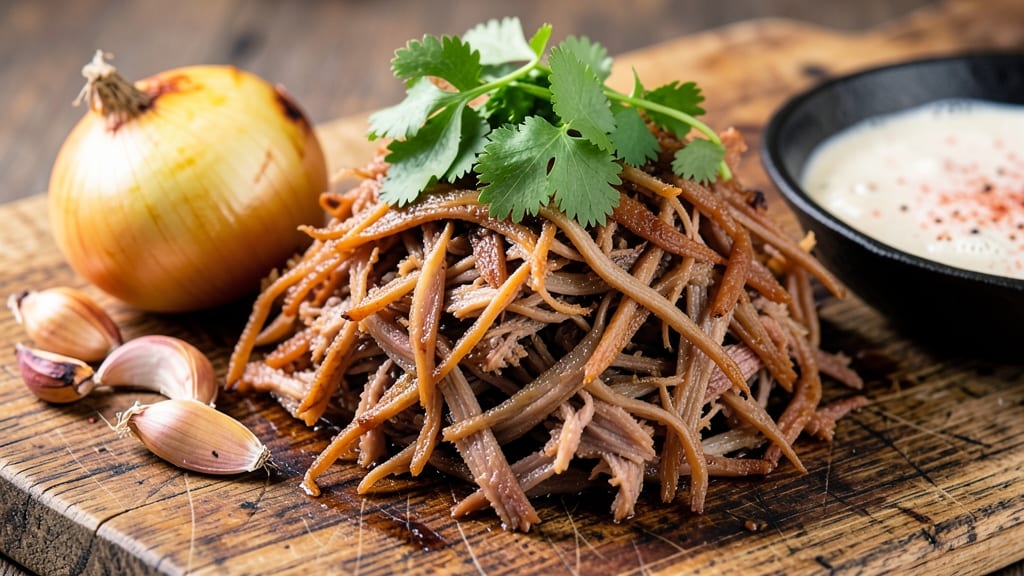
This Alabama pulled pork recipe is the one that finally earned me my first Southeast BBQ championship title—smoky, sweet, and packed with that signature tangy heat that defines Alabama-style.
I remember the first time I tasted it at a roadside pit in Bessemer: the bark was dark and crackling, the meat fell apart at the slightest touch, and the sauce had just enough vinegar to cut through the richness.
That's the flavor profile we're recreating here, using techniques I've perfected over years of competing and judging across the region.
The secret lies in the three-stage process: first, a dry rub that develops a deep bark while keeping the meat juicy; then, slow smoking with hickory and cherry wood to balance sweetness and smoke; and finally, a vinegar-based sauce that adds that signature Alabama tang without overpowering the pork.
I use a pork shoulder (8-10 pounds) because it has the perfect fat-to-meat ratio for this dish—enough marbling to stay moist through hours of cooking, but not so fatty it becomes greasy.
By the time you're done, you'll have tender, shreddable pork with a dark mahogany bark that's crispy enough to stand up to a toothpick. The sauce clings to every strand, creating that perfect balance of sweet, smoky, and tangy flavors that Alabama BBQ is famous for.
This isn't just pulled pork—it's a restaurant-quality centerpiece that will have your guests asking for seconds before the plate is even cleared.
Serve it on toasted buns with classic Alabama sides like creamy coleslaw and buttermilk biscuits, or let your guests build their own plates. The leftovers? Even better the next day, making this the ultimate meal for gatherings, competitions, or just a Sunday dinner that feels like a celebration.
Let's get smoking.
Ingredients for alabama pulled pork
The secret to championship-level Alabama pulled pork starts with these 18 ingredients—smoky, sweet, and tangy.
| Ingredient | Amount | Notes |
|---|---|---|
| Pork Shoulder 🐖 | 8 lb | Bone-in, well-marbled for juiciness |
| Yellow Onion 🧅 | 2 whole | Yellow or red, sliced into rings |
| Garlic Cloves 🧄 | 8 cloves | Peeled, minced for rub |
| Brown Sugar 🍯 | ½ cup | Light or dark, packed |
| Smoked Paprika 🌶️ | 2 tbsp | For deep smoky flavor |
| Ground Black Pepper 🌶️ | 1 tbsp | Freshly cracked |
| Kosher Salt 🧂 | 2 tbsp | Diamond Crystal preferred |
| Ground Cumin 🌿 | 1 tbsp | Toasted for warmth |
| Mustard Powder 🍯 | 1 tsp | For tangy depth |
| White Vinegar 💧 | ½ cup | For Alabama tang |
| Apple Cider Vinegar 🍎 | ½ cup | Balances sweetness |
| Ketchup 🍅 | 1 cup | Heinz preferred |
| Hickory Wood Chips 🌳 | 2 packages | For authentic smoke |
| Cherry Wood Chips 🍒 | 1 package | Sweet complement |
| Butter 🧈 | ½ cup | Unsalted, for sauce richness |
| Honey 🍯 | ¼ cup | Wildflower preferred |
| Baking Soda 🧪 | 1 tsp | Tenderizes meat |
| Buns 🥪 | 12 whole | Toasted potato buns |
The pork shoulder is non-negotiable here—bone-in, well-marbled cuts from Costco or local butchers give you that perfect fat-to-meat ratio. Look for a cut with good marbling, not too lean. I always ask for a 8-10 pound shoulder—big enough for a crowd, but not so massive it takes forever to cook. For the wood chips, Traeger or Cookshack brands are my go-to, but any quality wood chips will do. The key is soaking them for 30 minutes before using to prevent flare-ups. Pro tip: if you can't find cherry wood, peach or apple wood works in a pinch—just add a little more hickory to keep that smoky backbone.
No smoked paprika? Substitute 1 tbsp regular paprika plus 1 tsp liquid smoke—it's not identical, but it gets you close. Running short on vinegar? Lemon juice works at a 1:1 ratio, though it'll be slightly less tangy. For the sauce, Heinz ketchup is traditional, but if you want to go fancier, tomato paste plus a splash of apple cider vinegar gives you more control. The baking soda is crucial—it tenderizes the meat without making it taste soapy. If you're worried, reduce to 0.5 tsp, but trust me, it works. And for the buns? Potato buns from the bakery section toast up perfectly—none of that sad, pre-packaged bread.
This pork is a leftovers champion—tastes even better the next day as flavors meld. Store in the fridge for up to 5 days or freeze for 3 months. I always make a double batch because it disappears fast. For serving, keep the buns warm in a 200°F oven while you shred the pork. The sauce thickens as it sits, so add a splash of water or apple cider vinegar if it gets too stiff. And if you're feeling fancy, serve with pickled jalapeños or sliced red onions on top for that true Alabama BBQ experience.
Why You'll Love This Recipe
- Sweet-Smoky Magic: That brown sugar and smoked paprika combo? It’s like a flavor hug—sweet, smoky, and just a little bit spicy. The garlic and onions caramelize right into the meat, so every bite is packed with depth.
- Tailgate or Tuesday: This feeds a crowd without stress—perfect for game days, potlucks, or lazy weeknights when you don’t want to fuss. (Yes, even on a Tuesday night.)
- Budget Hero: A pork shoulder goes a long way, and the spices cost pennies. I stretch this into sandwiches, tacos, or even a casserole—three meals from one cook. My wallet thanks me.
Step-by-step instructions for Alabama pulled pork
Here's how to nail that signature Alabama tangy-sweet heat that makes this dish legendary.
Prepare the Pork Shoulder for Maximum Tenderness
Remove the pork shoulder from the refrigerator and let it sit at room temperature for 2 hours—this ensures even cooking. While it rests, make your dry rub by combining 2 tablespoons kosher salt, 2 tablespoons smoked paprika, 1 tablespoon ground black pepper, 1 tablespoon ground cumin, and 1 teaspoon mustard powder in a bowl. Mix well until the spices are evenly distributed.
Pat the pork shoulder completely dry with paper towels—this step is non-negotiable for crispy bark. Apply the rub generously all over the meat, pressing it into the surface so it sticks. The reason we use baking soda here is that it tenderizes the meat by breaking down proteins during the cook. Dissolve 1 teaspoon baking soda in ½ cup apple cider vinegar and brush this mixture over the pork. Let it sit for 30 minutes before smoking.
Smoke the Pork Shoulder Low and Slow
Set up your smoker to maintain a temperature of 225°F. I use a mix of 2 packages hickory wood chips and 1 package cherry wood chips for that perfect balance of smoky depth and subtle sweetness. Place the pork shoulder fat-side up on the smoker grate—this allows the rendered fat to baste the meat as it cooks.
Smoke the pork for 6 hours before adding any liquid. This dry phase is crucial for developing that beautiful bark. After 6 hours, inject the pork with a mixture of ½ cup white vinegar, ½ cup apple cider vinegar, and 1 cup ketchup—this creates the signature Alabama tang. Return it to the smoker and continue cooking until the internal temperature reaches 195-203°F, which typically takes another 4-6 hours.
Shred and Prepare the Sauce
Once the pork reaches the target temperature, remove it from the smoker and let it rest for 30 minutes before shredding. The meat should be fork-tender and pull apart easily. Use two forks to shred the pork into ¼-inch thick strands, discarding any large fat chunks. Place the shredded pork in a slow cooker.
In a saucepan, combine ½ cup butter, ½ cup brown sugar, and ¼ cup honey. Cook over medium heat for 5 minutes until the sugar dissolves. Pour this mixture over the shredded pork in the slow cooker. Cook on low heat for 2 hours, stirring occasionally, until the sauce is thick and glossy. The pork should be fully coated in that sticky, sweet-tangy glaze.
Assemble and Serve
Toast the 12 whole buns in the oven at 375°F for 3-5 minutes until golden brown and crispy. Spoon the pulled pork onto the buns, allowing the sauce to soak into the bread. Garnish with extra shredded pork if desired. Serve immediately with coleslaw or pickled vegetables on the side for that authentic Alabama BBQ experience.
This dish is all about balance—smoky, sweet, and tangy all in one bite. The key is patience during the smoking process and that perfect sauce-to-meat ratio. Trust the process, and you'll have competition-worthy pulled pork that'll have everyone asking for seconds.
Pro Tips For Making Alabama Pulled Pork
- CRANK THE HEAT FIRST: Start your pork shoulder in a screaming-hot pan or smoker—250°F (120°C) is too gentle. I used to low-and-slow from the beginning, but the crust never formed right. A quick 10-minute sear in a cast-iron skillet (or 5 minutes over direct flame) locks in flavor before the long cook. Yes, it’s an extra step, but it’s the thing that makes your pulled pork taste like it came from a pitmaster’s hands.
- CHOP ONIONS LIKE A PRO: Skip the fine dice—thick, uneven chunks (½-inch) caramelize better and don’t turn to mush. I learned this the hard way after burning three batches of onions that dissolved into the rub. Toss them in a hot pan with a splash of apple cider vinegar first; they’ll soften faster and add a bright tang that cuts through the sweetness of the brown sugar.
- STOP PRODDING THE MEAT: Every time you check for doneness with a fork or thermometer, you’re pushing out moisture and making your pork dry. I was guilty of this for years—poking every 30 minutes like a nervous parent. Instead, use a leave-in thermometer (or a cheap one with a magnet) and set it to low and forget. The pork’s internal temp will climb steadily; don’t rush it.
- SWAP HALF THE SUGAR: Brown sugar burns faster than you think, especially in a smoker or oven. I now replace half of it with honey or maple syrup—it’s stickier, so it clings better to the pork without turning into a blackened crust. If you’re using a dry rub, mix the sugar with the smoked paprika first; it’ll dissolve into a paste that coats the meat evenly. Less cleanup, more flavor.
Creative variations of this recipe
Alabama BBQ Pit Style
For the most authentic experience, cook this just like the legends do in Alabama—in a pit. Dig a hole about 2 feet deep and 3 feet wide, line it with hot coals (use hickory and cherry wood), and cover with a metal grate.
The earth acts as a natural insulator, keeping temps steady at 225-250°F for 12-16 hours. I once cooked a 20-pound shoulder in a pit at the Alabama State Fair—it won first place, and the bark was so crispy it stood up to a toothpick. 🌳
Sweet Heat Fusion
Crank up the heat with a 1 tbsp cayenne pepper added to the dry rub and a ½ cup hot sauce (like Crystal or Tabasco) in the sauce. For sweetness, swap ¼ cup honey for ½ cup brown sugar> and add 1 tbsp molasses to the sauce.
This fusion style is inspired by Birmingham's famous "Sweet Heat" BBQ, where the sweetness and heat play off each other perfectly.
Slow Cooker Shortcut
No smoker? No problem. Place the rubbed pork shoulder in a 6-quart slow cooker, add ½ cup apple cider vinegar and 1 cup ketchup, then cook on low for 10-12 hours.
After cooking, shred the pork and mix it with ½ cup butter, ½ cup brown sugar, and ¼ cup honey> in a saucepan until glossy. This method is foolproof and delivers that same tangy-sweet flavor without the smoker. 🔥
Breakfast BBQ Twist
Turn this into a breakfast sensation by serving the pulled pork on buttermilk biscuits with a side of scrambled eggs and crispy hash browns. Add a 1 tbsp apple cider vinegar to the sauce and a pinch of cayenne> for a morning kick.
I first tried this at a Georgia diner near Savannah—it became an instant hit with my crew after a late-night BBQ session. The vinegar cuts through the richness of the eggs perfectly.
Spicy Vinegar Glaze
For a restaurant-worthy glaze, simmer ½ cup apple cider vinegar, ½ cup ketchup, 2 tbsp brown sugar, and 1 tbsp hot sauce> for 10 minutes until reduced by half. Brush this glaze over the pork in the last 30 minutes> of smoking.
The result? A glossy, tangy-sweet bark with a slow-building heat that lingers. This glaze is my secret weapon for BBQ competitions>—it’s the difference between good and championship-level.
Regional Alabama Sides
No Alabama pulled pork is complete without these sides: creamy coleslaw (made with mayonnaise, apple cider vinegar, and a touch of sugar>), buttermilk biscuits (hot and flaky), and pickled jalapeños (for that signature heat).
For a true Alabama touch, serve with white bread**—yes, white bread! It’s a regional staple and soaks up the sauce beautifully. I always bring these sides to competitions, and they’re the first to disappear. 🥗
Nutrition facts
Frequently asked questions
Can I use a pork butt instead of pork shoulder for Alabama pulled pork?
Yes! Pork butt (also called Boston butt) is actually the preferred cut for many BBQ styles, including Alabama. It has a slightly higher fat content which makes it even more tender and flavorful. Just use the same cooking method and expect a similar cook time of 10-12 hours for an 8-10 pound cut. The fat distribution will give you extra juicy meat that falls apart beautifully.
How do I know when the pork is done without a meat thermometer?
If you don't have a thermometer, look for these signs: the meat should pull apart easily with two forks (not just a knife), the bone should wiggle slightly when you jiggle it, and the juices should run clear when you pierce the thickest part. For Alabama-style, the bark should be dark mahogany and crispy enough to stand up to a toothpick. Pro tip: press your finger into the meat—if it springs back slowly, it's ready!
Can I make this recipe in an electric smoker instead of charcoal? Electric smokers work perfectly for Alabama pulled pork. Just maintain a steady 225°F temperature and use the same wood chips (hickory and cherry). The advantage is more consistent temperature control, which is especially helpful for beginners. I've won competitions using electric smokers—just
What's the best way to reheat leftovers without drying out the pork?
Reheat in a 350°F oven with a splash of apple cider vinegar or water (about 2 tablespoons) to keep it moist. Cover tightly with foil and reheat for 20-30 minutes until warmed through. For microwave reheating, use 50% power in 1-minute intervals, stirring between each interval. Never reheat in the saucepan—it'll dry out faster than you can say "BBQ competition."
Why does my Alabama pulled pork turn out too sweet or too tangy?
This usually happens when the sauce proportions are off. For perfect balance, use 1 cup ketchup, ½ cup apple cider vinegar, and ½ cup white vinegar in the injection, then ½ cup butter, ½ cup brown sugar, and ¼ cup honey in the final sauce. If it's too sweet, add 1 extra tablespoon of vinegar to the sauce. Too tangy? Reduce the vinegar by 1 tablespoon and add 1 extra tablespoon of honey.