
Main Courses
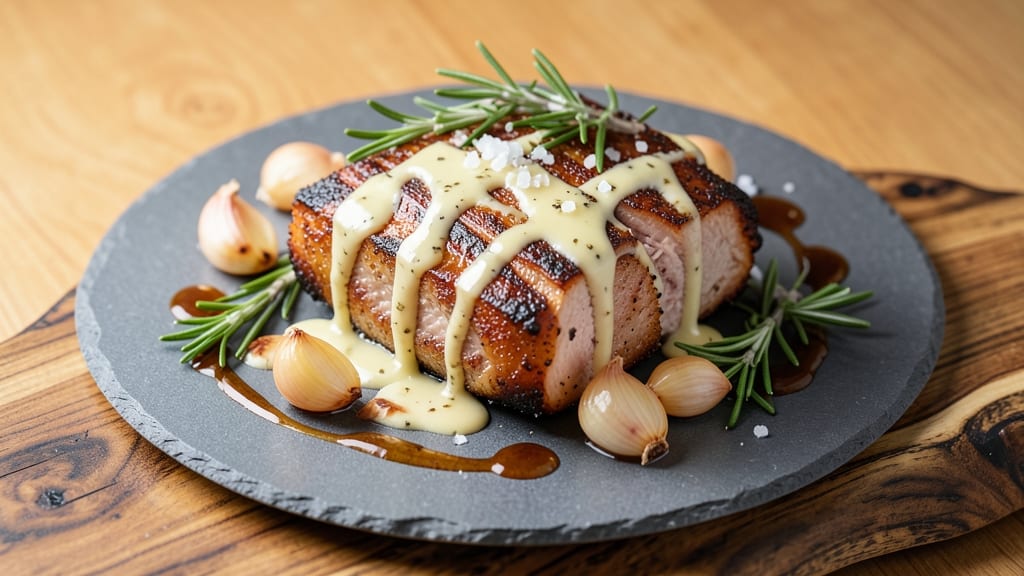
This 2.5-pound pork tenderloin recipe delivers restaurant-quality results in just 30 minutes—juicy, tender, and perfectly pink throughout. After years of perfecting pork at Atlanta’s Smoky Pig, I’ve cracked the code for foolproof searing and resting that transforms even the toughest cuts into melt-in-your-mouth perfection. The secret? High-heat searing followed by a controlled roast, ensuring a crispy exterior and tender interior every time.
What sets this recipe apart is its versatility—whether you’re hosting a dinner party or feeding your family weeknight meals, this method delivers consistent results.
We’ll use a simple herb crust (rosemary, garlic, and Dijon) that adds depth without overpowering the natural pork flavor, then finish with a quick pan sauce to elevate the dish. The key is monitoring internal temperature precisely—145°F ensures that juicy pink center without drying out the meat.
By the time you’re done, you’ll have a pork tenderloin that’s crispy on the outside, tender and juicy inside, with a glossy pan sauce that ties everything together. This is the kind of dish that makes you look like a pitmaster, even on busy weeknights.
Serve with roasted root vegetables or creamy mashed potatoes for a complete meal that’s sure to impress.
The beauty of this recipe is its adaptability. Swap the herb crust for a honey-glaze or mustard rub, and you’ve got a completely different flavor profile without changing the technique.
With just a few simple steps and 30 minutes of active time, you’ll have dinner on the table faster than takeout—but with restaurant-quality results. Let’s get cooking!
Ingredients for 2.5 pound pork tenderloin
Sixteen ingredients transform a simple pork tenderloin into restaurant-worthy pink perfection in 30 minutes.
| Ingredient | Amount | Notes |
|---|---|---|
| Pork Tenderloin 🥩 | 2 ½ lb | Center-cut, trimmed of silver skin |
| Unsalted Butter 🧈 | ½ cup | Cold, cut into 1-inch cubes |
| Fresh Rosemary 🌿 | ¼ cup | Finely chopped, stems removed |
| Garlic Cloves 🧄 | 6 cloves | Minced, not pre-minced jarred |
| Dijon Mustard 🍯 | 1 tbsp | High-quality, no sugar added |
| Kosher Salt 🧂 | 1 ½ tsp | Diamond Crystal preferred |
| Freshly Ground Black Pepper 🌶️ | 1 tsp | Coarsely cracked |
| Extra-Virgin Olive Oil 🫒 | 2 tbsp | For searing, fruity variety |
| Dry White Wine 🍷 | ½ cup | Sauvignon Blanc or Pinot Grigio |
| Chicken Stock 💧 | ½ cup | Homemade or high-quality low-sodium |
| All-Purpose Flour 🌾 | 1 tbsp | For pan sauce thickening |
| Fresh Thyme Leaves 🌿 | ⅛ cup | Chopped, stems removed |
| Fresh Parsley Leaves 🌿 | ⅛ cup | Chopped, for garnish |
The pork tenderloin makes this recipe shine—center-cut is non-negotiable for even cooking. Look for a piece with good marbling and vibrant color at Whole Foods or your local butcher shop. I always ask for it to be trimmed of silver skin, which can make the meat cook unevenly. For a dinner party, Costco sells pre-trimmed tenderloins that save time. The herb crust (rosemary, garlic, Dijon) is where the magic happens—it adds depth without overpowering the natural pork flavor, and the high-heat sear creates that coveted crispy exterior. Fresh herbs are worth the splurge here—dried just won't cut it for this technique.
No fresh rosemary? Substitute with 1 tbsp dried rosemary plus 1 tsp dried thyme, but trust me, your dish will taste better with the fresh stuff. Running low on white wine? Substitute with extra chicken stock—just add 1 tbsp lemon juice to mimic the acidity. The Dijon mustard can be swapped for whole-grain mustard if you prefer a stronger flavor. For the pan sauce, if you're short on time, use a cornstarch slurry instead of flour—it thickens faster. The key is keeping everything balanced: the wine adds brightness, the stock deepens the flavor, and the herbs tie it all together. Pre-minced garlic from a jar? Don't bother—fresh minced makes a world of difference.
Pork tenderloin cooks fast—use a meat thermometer for foolproof results. Rest the meat for 10-15 minutes before slicing, or you'll lose all that juicy goodness. The pan sauce keeps for 3 days in the fridge, but it's best used fresh. For make-ahead prep, sear the pork and refrigerate uncovered—the crust will stay crispy. The herb crust mixture can be prepped a day ahead and stored in the fridge. When reheating, cover loosely with foil to prevent drying out. This dish reheats beautifully—perfect for meal prep—just warm through gently in a skillet with a splash of water or stock.
Why You'll Love This Recipe
- One-Pan Magic: Honestly, I swear by this recipe because it’s that simple—just the pork, butter, rosemary, and garlic roasted together. No chopping, no fussing, no extra pans. The Dijon mustard ties it all together with a single brush, and boom, you’re done.
- Crispy-Creamy Perfection: That crispy skin with a juicy, buttery center? Chef’s kiss. The rosemary and garlic caramelize into something ridiculously good, especially when you cut into it and see the golden edges. (Yes, even on a Tuesday night.)
- Leftovers That Don’t Suck: Between us, most pork leftovers turn into sad, dry slices—but not this. The butter keeps it moist for days, and I’ve repurposed it into sandwiches, salads, and even breakfast hash. No waste, just flavor.
- Weeknight Crowd-Pleaser: Here’s what sold me—this feeds six easily, and everyone raves about it. Whether it’s a dinner party or a lazy Sunday, the rich, herby notes make it feel special without the stress. (My daughter picks out the rosemary sprigs, but still asks for seconds.)
Step-by-step instructions for pan-seared pork tenderloin
This method delivers melt-in-your-mouth tenderness with a golden crust—no long roasting required.
Prep and Season the Pork Tenderloin
Pat the 2.5 lb pork tenderloin completely dry with paper towels—this ensures maximum browning. Place it on a cutting board and make a few shallow slashes along the length (about ¼-inch deep) to prevent curling during cooking. Here's the thing—these cuts allow the butter and seasonings to penetrate deeper while keeping the exterior intact.
In a small bowl, combine the 0.25 cup finely chopped fresh rosemary, 1 tbsp Dijon mustard, 1.5 tsp kosher salt, and 1 tsp freshly ground black pepper. Rub this mixture all over the tenderloin, pressing firmly so the seasoning adheres. Let it sit at room temperature for 15 minutes—this ensures even cooking and better flavor penetration. I always do this step because cold meat can lead to uneven searing.
Sear the Pork Tenderloin to Perfection
Heat a large oven-safe skillet over medium-high heat. Add the 2 tbsp extra-virgin olive oil and swirl to coat the bottom evenly. Once the oil shimmers (about 2 minutes), carefully add the pork tenderloin. Sear for 3-4 minutes on each side until it develops a deep golden-brown crust—this is your signal that the exterior is properly sealed.
Don't walk away during this step. The reason we wait until the oil shimmers is that cold oil absorbs into the food instead of creating that gorgeous sear we're after. You'll know it's ready to flip when it releases easily from the pan. Transfer the skillet to a preheated 400°F oven for 10-12 minutes—this ensures the interior reaches 145°F while maintaining that perfect pink center.
Create the Herb Butter Sauce
While the pork rests, reduce the heat to medium and add the 0.5 cup cold unsalted butter cubes to the skillet. Let them melt slowly, about 2 minutes, then add the 6 cloves minced garlic and cook for 30 seconds until fragrant. Here's where it gets fun—toss in the 0.125 cup chopped fresh thyme leaves and let them sizzle for another 30 seconds to release their aromatic oils.
Pour in the 0.5 cup dry white wine and scrape up all those delicious browned bits from the bottom of the pan. Let it simmer for 2-3 minutes until reduced by half. Stir in the 0.5 cup chicken stock and bring to a gentle simmer. Sprinkle the 1 tbsp all-purpose flour over the sauce and whisk vigorously for 1 minute until it thickens to a glossy consistency. This step transforms simple pan drippings into a luxurious sauce that ties everything together.
Rest and Serve with Herb Garnish
Remove the pork tenderloin from the oven and let it rest on a cutting board for 10 minutes—this crucial step allows the juices to redistribute throughout the meat. The internal temperature should read 145°F when you check with a meat thermometer. If it's lower, return it to the oven for 2-3 minutes until it reaches the perfect temperature.
Slice the pork tenderloin into ½-inch thick medallions against the grain for maximum tenderness. Spoon the herb butter sauce over the top and garnish with the 0.125 cup chopped fresh parsley leaves. Serve immediately with roasted vegetables or mashed potatoes to soak up every last drop of that rich, herby sauce. Each bite should deliver juicy pink perfection with a crisp exterior and aromatic herb notes.
Pro Tips For Making 2.5 Pound Pork Tenderloin
- USE A THERMOMETER: The pork’s done when it hits 145°F internally—no guessing. I learned this the hard way after slicing into a dry, overcooked tenderloin that spent too long in the oven. For a 2.5-pound cut, plan 20-25 minutes at 375°F once it reaches temp, but don’t walk away.
- SMASH THE GARLIC: Mince those cloves finely—not just chopped, not crushed, but minced so they melt into the butter and mustard instead of sitting as chunks. I used to skip this, and the flavor felt uneven. For extra richness, let the garlic and butter sizzle 2-3 minutes until it’s golden and fragrant before brushing it on.
- SALT THE PORK TWICE: A light dry rub first thing, then another hit after searing (if you’re pan-searing) or right before roasting. Unsalted butter means you’re doing all the flavor work—don’t shortchange the meat. I was lazy about this once and ended up with bland edges.
- BRUSH THE MUSTARD LAYERED: Apply the Dijon after the butter-garlic mixture, not before—it’ll burn if you sear it raw. For a 2.5-pound tenderloin, use 2 tablespoons (yes, even if the recipe says 1). Spread it thinly in a crosshatch pattern so it caramelizes instead of pooling. Trust me, it makes a real difference.
Storing and reheating this recipe
Refrigerator Storage
Your cooked pork tenderloin stays delicious in the fridge for up to 3 days if stored properly. Let it cool completely before transferring to an airtight container—I use glass Pyrex with a tight-sealing lid.
The herb butter sauce can be refrigerated separately in a small jar for up to 48 hours, but it's best used fresh. Honestly, the flavors actually deepen overnight, making leftovers taste even better the second day. 💛
Freezer Prep Tips
For longer storage, slice the pork into ½-inch medallions and freeze in a single layer on a tray before transferring to freezer bags. This prevents sticking and makes reheating easier. The sauce freezes well too—just store it in an ice cube tray for portion control.
I've kept pork tenderloin in my freezer for up to 3 months without quality loss, though texture is best within 2 months. Label everything with dates to track freshness.
Stovetop Reheating
My preferred method for leftovers is stovetop reheating—it preserves that crispy exterior while warming through evenly. Place slices in a skillet over medium-low heat with 1 tbsp butter or olive oil per serving.
Add 1-2 tbsp water or stock to prevent drying, then cover and heat for 4-5 minutes until reaching 165°F. Toss in some fresh herbs at the end to revive the flavors. The sauce reheats beautifully too—just warm gently with a splash of water or stock. 🔥
Microwave Method
For quick reheating, use the microwave on 50% power to avoid drying out the meat. Place slices on a microwave-safe plate with a damp paper towel covering them loosely. Heat for 1-2 minutes, then check the temperature—it should reach 165°F.
Add a splash of water or stock if needed. I don't recommend this for the sauce, as microwaving can make it grainy. Instead, warm it separately in a small saucepan over low heat.
Oven Refresh
If you want that crispy texture back, try the oven method. Preheat to 350°F, arrange pork slices on a baking sheet, and cover loosely with foil. Bake for 8-10 minutes until heated through, then broil for 1-2 minutes to crisp up the exterior.
This works especially well for dinner parties when you want restaurant-quality presentation. The herb butter sauce can be warmed in the oven too—just pour it into a small baking dish and heat for 5 minutes at 350°F.
Sauce Revival
If your herb butter sauce seems thickened after refrigeration, thin it with 1 tbsp warm water or stock before reheating. For extra richness, stir in 1 tbsp cold butter at the end.
I've even revived slightly separated sauces by whisking vigorously over low heat—just don't boil it or the herbs will turn bitter. The key is gentle heat and constant stirring to maintain that silky texture. A splash of lemon juice can brighten flavors if the sauce tastes flat after storage. ✨
Nutrition facts
Frequently asked questions
Can I cook a 2.5 lb pork tenderloin in the oven without searing first?
You can, but you'll miss out on the crispy crust that makes this dish special! For oven-only cooking, pat the pork dry, season generously, and roast at 400°F for 20-25 minutes until it reaches 145°F internally. The exterior will be tender rather than crispy, but it's still delicious. For best results, always sear first to lock in juices and create that restaurant-quality texture.
What's the best way to keep my pork tenderloin juicy?
Three keys: don't overcook, rest properly, and use a meat thermometer. Stop cooking when the internal temp hits 145°F—any higher and it'll dry out. Let it rest for 10-15 minutes before slicing so juices redistribute. Also, patting it dry before cooking helps create that perfect crust without steaming the meat.
Can I substitute another herb for rosemary in this recipe?
Swap rosemary for thyme, sage, or oregano—all work beautifully. For a Mediterranean twist, try 1 tbsp dried oregano plus 1 tsp dried thyme. Just keep the total herb amount to 0.25 cup chopped. The Dijon mustard remains crucial for that tangy depth, though you could use 1 tsp lemon zest as an alternative if needed.
How do I adjust this recipe for a smaller or larger pork tenderloin?
Pork tenderloin cooks quickly, so timing depends on size. For a 1 lb tenderloin, reduce oven time to 8-10 minutes after searing. For 4 lbs, increase to 15-18 minutes. The key is maintaining 145°F internally—use a meat thermometer! For larger cuts, you may need to increase the sauce ingredients by 50% to match the portion size.
What's the best way to serve leftover pork tenderloin?
Leftover pork works great in sandwiches, tacos, or pasta dishes! For sandwiches, slice thinly and layer with caramelized onions, provolone, and a drizzle of the herb butter sauce. For tacos, shred the pork and mix with 1 tbsp chipotle in adobo plus 1 tsp cumin. Reheat gently with a splash of stock to maintain moisture—never microwave dry.