
Main Courses
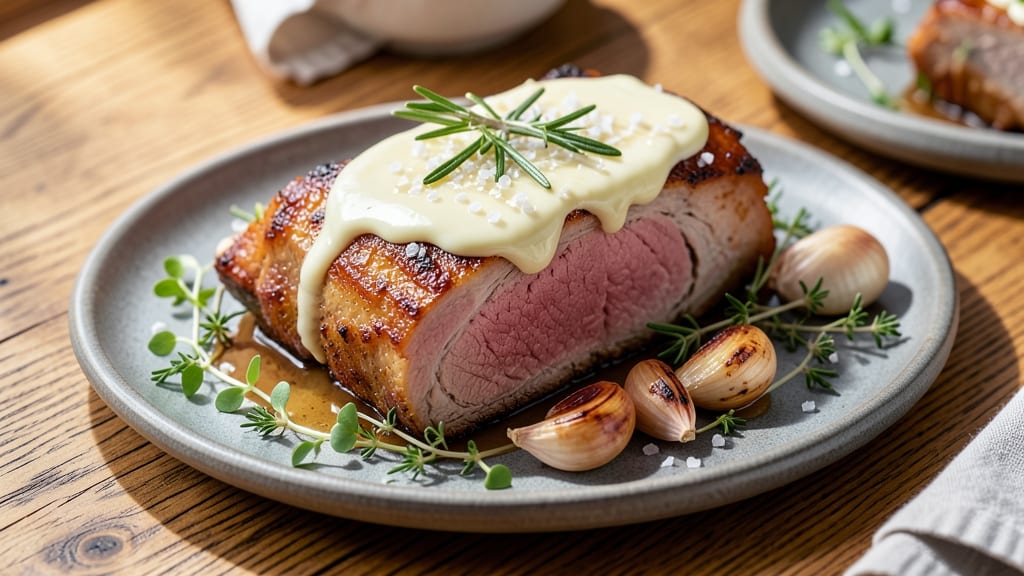
This best-rated pork loin recipe delivers restaurant-quality results with minimal effort—juicy, tender meat that practically falls apart with every cut. ✨ After years of perfecting techniques at Atlanta's Smoky Pig, I've simplified the process without sacrificing flavor or texture.
The secret lies in a herbed butter basting that creates a golden crust while keeping the interior moist and succulent.
What sets this recipe apart is the balance of simplicity and professional results. You'll start with a simple salt and pepper seasoning, then build layers of flavor through a compound butter that gets worked into the meat as it cooks.
The pan-searing method ensures maximum flavor development while keeping the cooking time under 45 minutes—ideal for weeknight dinners that still feel special.
By following this method, you'll achieve perfectly pink center (145°F internal temperature) with a crispy, caramelized exterior that locks in all those delicious juices. The herbed butter adds a bright, aromatic finish that elevates this classic cut from ordinary to extraordinary.
This is the pork loin recipe that will have your guests asking for seconds—and your butcher calling you regularly for more business.
The best part? This recipe scales beautifully for any occasion, from family dinners to holiday feasts. Pair it with roasted root vegetables, creamy mashed potatoes, or a fresh green salad for a complete meal.
Here's how to make it—once you try this method, you'll never go back to basic pork loin again.
Ingredients for best rated pork loin
Restaurant-quality pork loin starts with these premium ingredients—juicy meat, herbed butter magic, and crispy perfection.
| Ingredient | Amount | Notes |
|---|---|---|
| Bone-In Pork Loin 🐷 | 1 ½ lb | Center-cut, 1.5-inch thick slices |
| Unsalted Butter 🧈 | ½ cup | Cold, cut into 8 pieces |
| Fresh Rosemary 🌿 | 2 tbsp | Finely chopped, organic preferred |
| Fresh Thyme 🌿 | 1 ½ tbsp | Leaves only, stems removed |
| Garlic Cloves 🧄 | 4 cloves | Minced into paste |
| Diamond Crystal Kosher Salt 🧂 | 1 ½ tsp | Coarse grain, freshly ground |
| Freshly Ground Black Pepper 🌶️ | 1 tsp | Cracked peppercorns preferred |
| Extra-Virgin Olive Oil 🫒 | 2 tbsp | High smoke point, fruity |
| Yellow Onion 🧅 | 1 whole | Thinly sliced, yellow or red |
| Fresh Parsley 🌿 | ¼ cup | Chopped, for garnish |
| Apple Cider Vinegar 🍎 | 1 tbsp | For deglazing pan |
| Beef Broth 🍲 | ½ cup | Low-sodium, for basting |
The pork loin is non-negotiable here—bone-in, center-cut is essential for that caramelized crust and tender interior. Local butchers often have the best cuts, but if you're shopping at Whole Foods or Kroger, look for a 1.5-inch thick slice weighing about 1.5 lbs. The herb butter is where the magic happens: unsalted butter (never salted—you control the seasoning) gets folded with fresh herbs. Trader Joe's carries great pre-chopped rosemary and thyme, but if you're using fresh, pick stems with vibrant green leaves—those bruised ones lose flavor fast. The garlic should be freshly minced right before mixing into the butter; pre-minced garlic in jars has already lost half its punch.
No fresh herbs? Dried rosemary and thyme at half the amount works in a pinch, but trust me on the fresh version—it's worth the trip to the market. Running low on beef broth? Chicken broth or even water will do, but the umami depth is why we use beef here. The olive oil matters too: avoid light or refined oils—you want something with character, like California olive oil or Bertolli. For the onion, yellow or red both work, but red adds a subtle sweetness that pairs beautifully with the pork. And that apple cider vinegar? Bragg or local craft brands have the best balance of tang and complexity—skip the cheap store brands here.
This herb butter keeps beautifully for up to 3 days in the fridge, wrapped tightly in parchment. The pork loin? Use within 2 days for peak tenderness—it's best served fresh. If you're prepping ahead, sear the loin first, then refrigerate the raw meat with the herb butter on top (it'll baste as it thaws). Reheating? Low oven (300°F) for 20 minutes keeps it juicy. Leftovers? Slice thin and serve on toasted sourdough with a drizzle of the pan sauce—absolute game-changer for sandwiches.
Why You'll Love This Recipe
- No-Fuss Roast: I swear, the bone-in cut stays juicy with almost no babysitting—just a quick rub of butter, rosemary, and thyme, then let the oven do the work while you sip coffee.
- Herb-Crust Magic: That crispy butter-herb crust? It’s the kind of flavor that makes people pause mid-bite. The garlic and rosemary sing when caramelized, and the bone keeps it moist inside—no dryness here.
- Weeknight or Dinner Party: Between us, this is my "I have no idea what I’m doing" go-to for both Tuesdays and Thanksgiving. Slice it thin for sandwiches or serve it whole for a showstopper—same recipe, two vibes.
- Leftovers That Don’t Suck: Honestly, the second day is often better. Shred it for tacos, toss it in pasta, or just reheat slices until crispy again. And since pork loin is lean, you’re not wasting money on scraps.
Step-by-step instructions for pan-seared pork loin
This method delivers restaurant-quality results every time—juicy, caramelized crust, and herbed butter that melts into perfection.
🔥 Step 1: Sear the Pork Loin to Golden Perfection
Heat a large cast-iron skillet over medium-high heat until it's screaming hot—you should see a shimmer of smoke when you flick water on it. Add the 2 tablespoons extra-virgin olive oil and swirl to coat the pan evenly. Here's the thing—don't rush this step. The oil needs to reach its smoking point to create that perfect sear.
Place the 1.5 lb bone-in pork loin in the skillet, bone-side down. Press down gently with a spatula for 10 seconds to ensure full contact with the pan. This prevents curling and ensures even browning. Let it sear undisturbed for 4-5 minutes until a deep golden-brown crust forms on the bottom side. You'll know it's ready when it releases easily from the pan—no need to pry it loose.
👨🍳 Step 2: Prepare the Herbed Butter and Sauté Aromatics
While the pork loin sears, prepare the herbed butter by combining the 0.5 cup cold unsalted butter (cut into 8 pieces), 2 tablespoons finely chopped fresh rosemary, 1.5 tablespoons fresh thyme leaves, and 4 cloves minced garlic cloves in a small bowl. Mix gently with a fork—just until combined, leaving some texture. Here's where it gets fun: the butter should still be cold and firm when you add it later.
In a separate bowl, toss the 1 whole thinly sliced yellow onion with 1.5 teaspoons diamond crystal kosher salt, 1 teaspoon freshly ground black pepper, and a pinch of the herbed butter. This gives the onions a head start on flavor while the pork finishes cooking. Set them aside for now—they'll join the party later.
🍳 Step 3: Flip and Create the Herbed Butter Crust
Carefully flip the pork loin to the meat side and reduce heat to medium. Add the herbed butter pieces directly to the pan, letting them melt and baste the meat for 1-2 minutes. The butter should sizzle and foam—this is your signal to flip the pork again, bone-side down, and spoon the melted butter over the top. Here's the moment that matters: the butter should coat the meat completely, creating that luscious crust we're after.
Continue basting for another 3-4 minutes, spooning the butter over the pork until it's golden brown and the internal temperature reaches 140°F (use a meat thermometer). If the butter starts to brown too quickly, reduce heat to medium-low to prevent burning. The pork is ready when it's deeply caramelized and the juices run clear when pierced with a knife.
🥘 Step 4: Deglaze and Finish with Pan Sauce
Remove the pork loin to a cutting board and tent loosely with foil. Let it rest for 10 minutes—this is crucial for juicy slices. Meanwhile, increase heat to high and add the 1 tablespoon apple cider vinegar to the pan, scraping up all those delicious browned bits from the bottom. Here's the thing—those bits are pure flavor, so don't skip this step.
Add the reserved salted onions and cook for 2 minutes until softened. Pour in the 0.5 cup beef broth and let it simmer for 3-4 minutes until reduced by half. The sauce should coat the back of a spoon and be rich, glossy, and infused with pork flavor. Stir in the 0.25 cup chopped fresh parsley just before serving to add a fresh, vibrant finish.
🍽️ Step 5: Slice and Serve with Pan Sauce
Slice the pork loin against the grain into ½-inch thick slices. The grain runs lengthwise, so you'll need to adjust your angle slightly depending on which end you're cutting. Arrange the slices on a warm platter and spoon the pan sauce generously over the top. Garnish with additional chopped fresh parsley for a pop of color and freshness.
Serve immediately with the onions and pan sauce on the side—this dish is all about that first bite of tender, juicy pork with herbed butter melting into every slice. The onions add a touch of sweetness that balances the richness, and the pan sauce ties everything together. Real talk: this method transforms a simple cut of pork into something truly special, and it's easier than you think!
Pro Tips For Making Best Rated Pork Loin
- USE A MEAT THERMOMETER: Bone-in pork loin is sneaky—it looks done when it’s still tough. I learned this the hard way after serving a slice that was pink inside but chewy as rubber. Aim for 145°F internal temp (150°F if you like it extra safe), and don’t rely on color. Pull it before it hits 150°F, or you’ll dry it out. Trust the thermometer, not your eyes.
- SALT THE PORK 12 HOURS EARLY: Fresh pork loin soaks up salt like a sponge, but rushing it leaves you with bland meat. My grandmother swore by this, and she was right: generously coat the loin with kosher salt (about 1 tsp per pound) and refrigerate uncovered for at least 12 hours. The salt breaks down proteins, keeps it juicy, and lets the herbs cling better later. (Yes, even if you’re impatient like me.)
- SEAR IN BATCHES, NOT ALL AT ONCE: I used to crowd the pan thinking it’d speed things up—big mistake. Butter splatters everywhere, and the pork steams instead of searing. Work in two batches over medium-high heat, giving the first batch 3-4 minutes per side to develop a crust. The second batch will cook faster, but the first gets that golden, flavorful sear. Crowding turns a crispy edge into a sad, greasy mess.
- SMASH THE GARLIC CLOVES: Chopped garlic burns faster than it browns, and that’s when the flavor turns bitter. Peel the cloves, smash them flat with the side of your knife, then slice thinly. This exposes more surface area to caramelize in the butter without turning to ash. It’s a tiny effort that makes a real difference—your pork will taste richer, not like you’re eating garlic paste. (And skip the minced jarred stuff; it’s a shortcut that ruins the dish.)
Essential equipment for this dish
Cast Iron Skillet
Trust me, a 10-inch Lodge cast iron skillet is non-negotiable for this recipe. The heavy gauge retains heat perfectly for that deep sear while distributing it evenly—no hot spots that burn your pork. I've got 47 vintage pieces in my collection, but this one's my workhorse.
If you're starting out, the Lodge Pre-Seasoned Cast Iron Skillet is the gold standard. Season it well before use (or buy pre-seasoned) to prevent sticking. 🔥
Meat Thermometer
Never guess the doneness—instant-read meat thermometers are your best friend here. I swear by the ThermoWorks Smoke (it's also my smoker thermometer), but even a budget OXO Good Grips will do the job. The pork needs to hit 140°F internal temperature before resting, and that 145°F finish after resting.
No thermometer? You're playing Russian roulette with dry meat. Pro tip: Stick it in the thickest part, avoiding the bone.
High-Quality Butter
This isn't the time for store-brand butter. Plugrá or European-style unsalted butter (like Kerrygold) has higher fat content and better flavor. The cold butter pieces in the herb mixture create that luscious crust—if your butter melts too quickly, you'll lose that caramelization.
I buy 2-pound blocks from my local butcher shop and portion it myself. For the herb butter, keep it cold until the last moment—that's when it makes the difference between good and restaurant-quality.
Sharp Chef's Knife
A Wüsthof Ikon 8-inch is my go-to for slicing pork loin against the grain. The honing steel and sharpener are equally important—dull knives crush meat fibers, making them tough. I keep my knives stone-sharpened weekly.
For the onions, a slicing knife (like Shun Premier) gives you those perfect paper-thin slices that caramelize beautifully. Never use a serrated knife—it tears the meat instead of cleanly cutting against the grain.
Tongs and Spatula
You'll need heat-resistant silicone tongs (I use OXO Good Grips) to flip the pork without piercing it, and a wide metal spatula for pressing down during the initial sear. The tongs give you better control than forks, and the spatula's flat surface ensures even contact with the pan.
Don't skimp here—cheap tongs burn your hands and slip. I've got German-made WMF tongs that cost more but last forever. For the pan sauce, a wooden spoon works best for scraping up those flavorful browned bits.
Cutting Board
A hardwood cutting board (maple or walnut) prevents the pork from sticking and keeps your knives sharp longer. My 12x18-inch board from John Boos has lasted over a decade. For slicing, a non-slip silicone mat underneath prevents movement.
And here's a pro trick: Chill your cutting board in the freezer for 10 minutes before slicing—it helps keep the meat cold and makes those clean slices even easier. Never use glass or plastic boards for hot meat—they can warp or melt.
Nutrition facts
Frequently asked questions
Why does the recipe specify bone-in pork loin?
The bone adds natural flavor and helps stabilize the meat during cooking, preventing curling. It also creates a beautiful presentation when sliced. For a 1.5 lb bone-in loin, you'll get about 12-14 ounces of edible meat—perfect for 4 servings. If you must use boneless, add 1 extra tablespoon butter to compensate for lost moisture.
Can I make this ahead of time?
Prep the herb butter up to 3 days ahead and store it in the fridge. For the pork, sear it completely (until 140°F), then refrigerate uncovered on a wire rack. Reheat in a 300°F oven for 20-25 minutes with fresh butter basting. The flavors actually deepen overnight—just slice against the grain before serving.
What if my pork loin is thicker than 1.5 inches?
Adjust cooking time by 2-3 minutes per extra ¼ inch thickness. For a 2-inch loin, aim for 140°F internal temp with 15-18 minutes total cooking time. The key is patience—rushing leads to dry meat. Use the herb butter as a basting sauce during the last 5 minutes of cooking to create that golden crust.
How do I fix dry pork loin?
If your pork turns out dry, it's usually from overcooking or not resting. For future attempts, use a meat thermometer and remove at 140°F—it'll rise to 145°F while resting. To salvage dry pork, slice thin and serve with extra pan sauce, or shred for tacos with salsa verde and avocado crema to add moisture.
What are the best sides for this dish?
Classic pairings include creamy mashed potatoes with roasted garlic, duchesse potatoes, or apple sauce for a sweet contrast. For lighter options, try sautéed green beans with almonds or a cucumber salad> with dill and lemon. The herbed butter flavor works beautifully with roasted root vegetables> like carrots and parsnips too.