
Main Courses
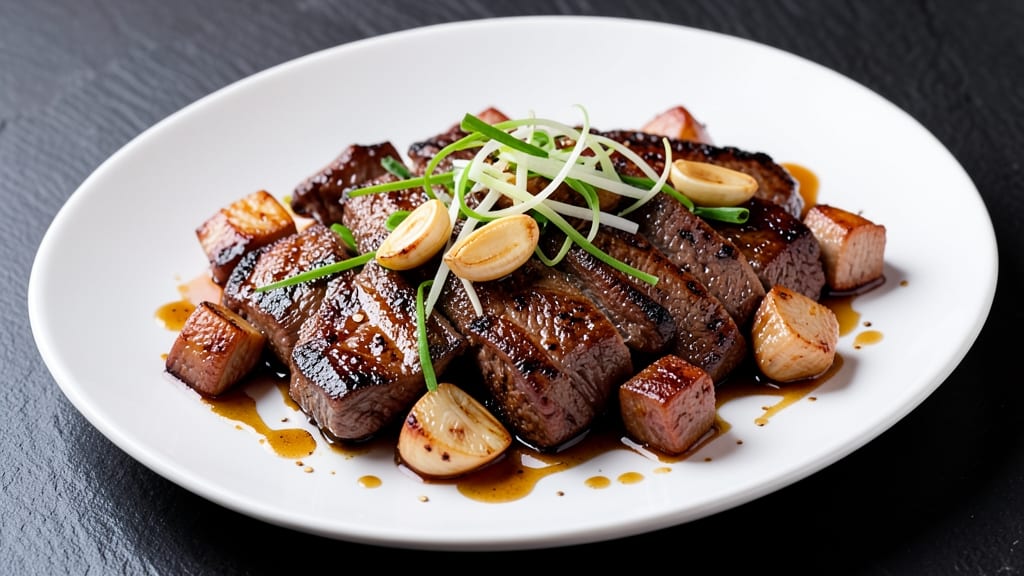
This beef and pork stir fry recipe delivers restaurant-quality wok-tossed perfection in just 20 minutes—no takeout needed. 🔥 After years of perfecting stir-fry techniques in my Atlanta kitchen, I've cracked the code for achieving that signature smoky, caramelized crust while keeping the meat tender and juicy. The key? High heat, quick cooking, and a balance of beef and pork that creates layers of umami flavor with every bite.
What sets this recipe apart is the combination of traditional wok hei (breath of the wok) technique with modern shortcuts that still deliver professional results.
We'll use a simple marinade to enhance the natural flavors of the meat, then sear it at high heat in a well-hot cast iron skillet—your best substitute for a wok.
The vegetables add freshness and crunch, while a quick homemade sauce ties everything together with a perfect balance of sweet, savory, and spicy.
By the time you're done, you'll have a plate of golden-brown beef and pork pieces with crisp edges and tender centers, surrounded by vibrant vegetables and coated in that glossy, flavorful sauce. This stir fry is hearty enough to be a main dish but quick enough for weeknight dinners.
The aroma alone will have everyone gathered around the table, and the first bite will prove why homemade stir fry beats takeout every time.
Serve it over steamed jasmine rice or noodles for a complete meal, or pair it with dumplings for an authentic takeout experience. The beauty of this recipe is its versatility—you can adjust the spice level, swap in different vegetables, or even add shrimp for variety. Let's get cooking!
Ingredients for beef and pork stir fry
Quick marinade, fresh veggies, and two proteins—this stir fry delivers restaurant flavor at home.
| Ingredient | Amount | Notes |
|---|---|---|
| Flank Steak 🥩 | ¾ lb | Thinly sliced against grain |
| Pork Shoulder 🐖 | ¾ lb | Thinly sliced, boneless |
| Soy Sauce 🍶 | ½ cup | High-quality, low-sodium preferred |
| Honey 🍯 | 2 tbsp | Pure, for balance |
| Sesame Oil 🫒 | 1 tbsp | Toasted, for aroma |
| Garlic Cloves 🧄 | 6 cloves | Minced, fresh preferred |
| Fresh Ginger 🌿 | 1 tbsp | Grated, for zing |
| Bell Peppers 🌶️ | 2 whole | Red/yellow, sliced |
| Broccoli Florets 🥦 | 2 cups | Cut into bite-sized pieces |
| Carrots 🥕 | 2 whole | Julienned, fresh or frozen |
| Neutral Oil 🫒 | 2 tbsp | Avocado or vegetable oil |
| Green Onions 🧅 | 3 whole | Sliced, for garnish |
| Sesame Seeds 🌾 | 1 tbsp | Toasted, for crunch |
| Salt 🧂 | 1 tsp | Kosher or sea salt |
| Black Pepper 🌶️ | ½ tsp | Freshly ground |
The meat is where all the magic happens. Flank steak and pork shoulder are your best bets—they stay tender when sliced thin against the grain. Grab them from the butcher counter if possible; they'll cut them for you. For the marinade, Kikkoman soy sauce is my go-to, but any high-quality brand works. Fresh ginger and garlic are non-negotiable here—they make the difference between good and amazing. If you're short on time, frozen veggies work perfectly (just thaw them first).
No sesame oil? Toasted peanut oil adds a similar nutty depth. Short on bell peppers? Swap in snap peas or zucchini for a different texture. The honey balances the soy sauce—if you don't have it, maple syrup or agave works in a pinch. For extra umami, add a splash of fish sauce (about 1 tsp) to the marinade. And if you've got Trader Joe's frozen stir-fry veggie mix, that's a game-changer for busy nights.
Prep everything ahead—slicing the meat and veggies first makes the cooking process smooth. The stir fry reheats beautifully, so double the batch if you're feeding a crowd. Store leftovers in an airtight container for up to 3 days in the fridge, or freeze for 2 months. I always make extra rice too—it disappears fast when paired with this dish.
Why You'll Love This Recipe
- One-Pan Magic: I swear by this—just slice the flank steak and pork shoulder thin, toss them in the pan with a splash of soy sauce, and let the heat do the work. No chopping mountains of veggies, no fancy techniques, just meat that caramelizes into tender perfection while you stir.
- Sweet-Savory Balance: That honey-soy glaze? It’s the star. The soy sauce gives it depth, the honey adds a sticky, golden richness, and a drizzle of sesame oil at the end ties it all together with nutty warmth. It’s the kind of dish that makes you go back for seconds without even thinking.
- Meal Prep MVP: Between us, this is my go-to for busy weeks. Cook a big batch, and it reheats beautifully—whether you’re packing lunches or feeding a houseful of guests. The flavors actually improve the next day, so you’re not stuck with sad leftovers.
- Budget-Friendly Powerhouse: Flank steak and pork shoulder stretch further than you’d think, and the pantry staples (soy sauce, honey) make this a steal. I’ve served it at potlucks, game nights, and even as a quick dinner after work—always a hit, always affordable.
Step-by-step instructions for beef and pork stir fry
Here's how to make this umami-packed stir fry with perfectly tender meat and crisp veggies.
🔥 Step 1: Prep the Meat and Preheat the Wok
Slice the 0.75 lb flank steak and 0.75 lb pork shoulder thinly against the grain into ¼-inch strips. This ensures tender bites that cook quickly in the wok. Pat both meats dry with paper towels—moisture makes them steam instead of sear.
Heat a wok or large skillet over high heat until it's smoking. Add the 2 tbsp neutral oil and swirl to coat. You're looking for a shimmering oil—this prevents sticking and creates that signature wok hei (breath of the wok) flavor. Keep the heat cranked up; you'll cook everything fast and hot.
👨🍳 Step 2: Cook the Meat in Batches
Add half of each meat to the wok and stir-fry for 1-2 minutes until the edges turn light brown and the meat loses its raw color. Don't overcrowd the pan—this drops the temperature and steams instead of sears. Work in batches if needed.
Remove the cooked meat to a plate and set aside. In the same wok, add the remaining meat and cook until just done. Here's the thing—overcooking makes meat tough, so aim for 85% doneness now; it'll finish cooking when everything comes back together.
🍳 Step 3: Stir-Fry the Aromatics and Veggies
Push the cooked meat to one side of the wok. Add 1 tbsp sesame oil, then the 6 minced garlic cloves and 1 tbsp grated ginger. Stir for 10 seconds until fragrant—you'll smell that garlic release its sweetness. Add the 2 sliced bell peppers and 2 julienned carrots, stirring for 2 minutes until they begin to soften.
Toss in the 2 cups broccoli florets and stir-fry for another 2 minutes until the carrots are tender-crisp. The broccoli should still have a slight bite—it'll finish cooking when everything mixes. Season lightly with ½ tsp salt and ¼ tsp black pepper now; we'll balance flavors at the end.
🥘 Step 4: Combine and Glaze the Stir Fry
Return all the meat to the wok and add the 0.5 cup soy sauce and 2 tbsp honey. Stir everything together vigorously for 1-2 minutes until the sauce coats everything evenly. The honey will caramelize slightly, adding natural sweetness that balances the soy's saltiness.
Here's where it gets good—add the 1 tbsp sesame oil and toss for another 30 seconds until everything is evenly glazed. The sesame oil adds that nutty aroma and helps distribute the sauce. Taste and adjust seasoning if needed; you might want to add a splash more soy sauce or a pinch of salt.
🔪 Step 5: Finish and Garnish
Remove from heat and stir in the 3 sliced green onions. Let the stir fry rest for 1 minute—this lets the flavors meld without overcooking. Garnish with 1 tbsp toasted sesame seeds right before serving. They add texture and visual appeal that takes this dish to the next level.
Serve immediately over steamed rice or noodles. Each bite should deliver tender meat, crisp-tender veggies, and that perfect balance of sweet, salty, and umami flavors. Leftovers? Store in an airtight container for up to 3 days, but honestly, this tastes best fresh.
Pro Tips For Making Beef And Pork Stir Fry
- Slice Against the Grain: Flank steak and pork shoulder fight back when you cut them wrong—thin slices stay chewy if you slice parallel to the muscle fibers. Run your knife perpendicular for tender, fork-friendly bites that actually hold up in the stir-fry. (Yes, it takes a few extra minutes, but you’ll notice the difference when you’re not sawing through tough strips.)
- Cook Pork First, Then Beef: Pork shoulder needs more time to tenderize, while flank steak burns faster. Start with the pork in your wok or pan—let it sear and soften for 3-4 minutes before pulling it out. Then crank the heat and throw in the beef for just 1-2 minutes; it’ll finish cooking fast and stay juicy. (I learned this the hard way after serving a rubbery steak to my dad.)
- Marinate Soy Sauce, Not Meat: Slather the raw meat in soy sauce? Nope. That’ll turn it into a soggy mess. Instead, mix 2 tablespoons of soy sauce with 1 teaspoon of honey in a small bowl, then brush it on the cooked meat at the end. The sauce caramelizes into a glossy glaze without making the protein mushy. (Trust me, your stir-fry will look and taste 100x better.)
- Finish with Cold Sesame Oil: Sesame oil loses its nutty punch when heated—so skip adding it until the very last second. Toss it in right after the pan hits "off" and the meat is done, then immediately plate. (I know, it’s annoying to wait, but that’s how you get the aroma that makes the dish taste restaurant-worthy.)
Best sauces and condiments for this recipe
Classic Soy-Ginger Sauce
This foundational sauce is the backbone of any great stir fry. I use ½ cup Kikkoman soy sauce for its deep umami flavor, combined with 2 tbsp honey to balance the saltiness. Add 1 tbsp toasted sesame oil and 1 tbsp grated ginger for aromatic depth.
For extra richness, I sometimes whisk in 1 tsp fish sauce—it adds that authentic Southeast Asian depth. Simmer for 2 minutes to meld flavors, then toss with the stir fry at the end. 🍶
Spicy Chili-Lime Glaze
For a kick, replace the honey in the classic sauce with 2 tbsp lime juice and 1 tbsp chili garlic sauce (like Huy Fong). The acidity brightens the dish while the heat cuts through the richness.
I add ½ tsp red pepper flakes for extra spice and a pinch of cayenne for depth. This glaze works especially well with the pork—it enhances the meat's natural sweetness. 🌶️
Sweet and Tangy Hoisin Twist
Swap out the soy sauce for ¼ cup hoisin sauce (like Lee Kum Kee) mixed with ¼ cup soy sauce. The hoisin adds natural sweetness and a slightly thick, sticky texture. I stir in 1 tbsp rice vinegar for tang and a touch of sesame paste for nutty complexity.
This sauce pairs beautifully with both beef and pork, creating a glossy finish that clings to every bite. 🥢
Creamy Peanut Sauce
For a fusion twist, blend ¼ cup creamy peanut butter with 2 tbsp soy sauce, 1 tbsp lime juice, and 1 tsp sriracha. Thin with 1-2 tbsp warm water until pourable.
This sauce adds a luxurious texture and nutty depth that contrasts perfectly with the stir fry's savory elements. I drizzle it over the finished dish and garnish with crushed peanuts for crunch. 🥜
Umami Bomb Mushroom Sauce
Sauté ½ cup sliced shiitake mushrooms with 1 tbsp sesame oil until golden, then blend with ¼ cup soy sauce and 1 tbsp mirin. Strain for a silky sauce that adds earthy umami.
This works especially well with beef—it enhances the meat's natural richness. I finish with a splash of toasted sesame oil right before serving for that signature aroma. 🍄
Quick Garlic-Scallion Oil
Infuse ¼ cup neutral oil with 4 minced garlic cloves and 2 tbsp chopped scallions by heating gently until fragrant. Pour this aromatic oil over the finished stir fry just before serving.
It adds a fragrant, nutty depth without overpowering the dish. I keep a jar of this in my fridge for instant flavor boosts—it's a game-changer for takeout-style stir fries. 🧄
Nutrition facts
Frequently asked questions
Can I use frozen beef and pork for this stir fry?
but thaw them completely first! Place frozen meat in a sealed bag and submerge in cold water for 30-45 minutes or use the microwave's defrost setting. Never cook frozen meat—it won't sear properly and may leave you with tough, unevenly cooked pieces. Pat dry thoroughly after thawing to ensure that perfect wok hei crust.
What's the best way to slice meat for stir fry?
Slice against the grain into ¼-inch thick strips for maximum tenderness. Use a sharp knife and cut at a 45-degree angle for uniform pieces that cook evenly. For flank steak, look for the muscle fibers and slice perpendicular to them. Pork shoulder should be cut thinly but not shredded—aim for bite-sized rectangles.
How do I prevent the stir fry from getting soggy?
Cook the meat first, then set it aside. Only add vegetables that are ready to eat—no soft veggies like zucchini that release water. Use high heat and work quickly: the total cooking time should be 8-10 minutes from start to finish. If using mushrooms, salt them first and let them sit for 5 minutes to release moisture before cooking.
Can I make this stir fry in a regular skillet?
Yes! While a wok is ideal, a 12-inch cast iron skillet works perfectly. Heat it until smoking hot and use the same high-heat techniques. If your skillet isn't wide enough, cook in batches—just don't overcrowd. The key is maintaining that intense heat to get those crisp edges and tender centers.
What's the secret to extra crispy edges on the meat?
Pat the meat bone-dry before cooking and use high heat until the wok is shimmering. Work in small batches so the meat isn't steaming. For extra crispiness, add the meat back to the wok after cooking the veggies—this lets it re-sear in the residual heat. A quick spray of oil before adding the sauce helps too!