
Main Courses
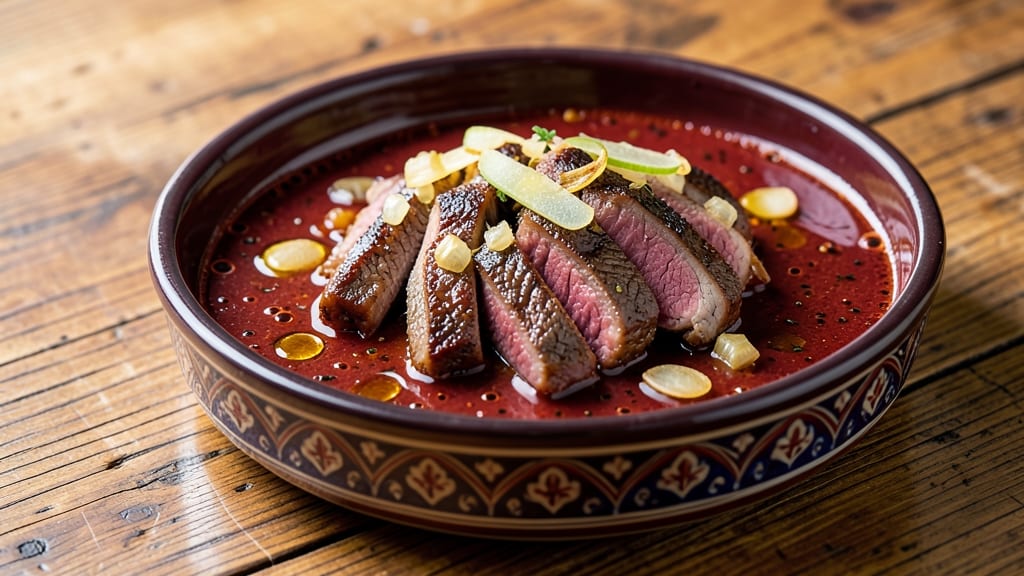
This beef and pork caldereta recipe brings the rich, comforting flavors of Filipino home cooking to your table with a twist—peanut butter adds unexpected depth. 🌟 After perfecting this stew during my time in Southeast Asia, I’ve refined it to balance traditional tomato-based warmth with modern convenience, whether you’re braising on the stovetop or using a slow cooker.
The magic lies in the slow simmer, where tender beef and pork absorb the aromatic blend of garlic, ginger, and spices, while the peanut butter creates a velvety, nutty richness that rounds out the tangy tomato base.
Unlike many stews, this one delivers restaurant-quality results with minimal effort—just 30 minutes of prep followed by hours of hands-off cooking.
By the time it’s done, you’ll have a deeply flavorful stew where the meat practically melts off the bone, swimming in a sauce that’s both hearty and complex. The calamansi garnish adds that signature Filipino brightness, while steamed jasmine rice soaks up every last drop.
This is comfort food at its finest—warm, satisfying, and full of layers.
Perfect for family dinners, potlucks, or meal prep, this caldereta scales beautifully and tastes even better the next day. Let’s get cooking—your taste buds will thank you.
Ingredients for beef and pork caldereta
Pantry staples meet Southeast Asian flavors in this rich, nutty stew.
| Ingredient | Amount | Notes |
|---|---|---|
| Beef Chuck Roast 🥩 | 1 ½ lb | Pre-cubed, 1-inch pieces |
| Pork Shoulder 🐷 | 1 ½ lb | Cut into 1-inch cubes |
| Yellow Onion 🧅 | 2 whole | Chopped, medium dice |
| Garlic Cloves 🧄 | 8 cloves | Minced, fresh preferred |
| Fresh Ginger 🌿 | 2 tbsp | Finely grated, peeled |
| Canned Tomato Sauce 🍅 | 2 cups | San Marzano preferred |
| Peanut Butter 🥜 | ½ cup | Creamy, unsweetened |
| Coconut Milk 🥥 | 13 ½ oz | Full-fat can, well-stirred |
| Calamansi Juice 🍋 | ¼ cup | Or lime juice substitute |
| Soy Sauce 🍶 | ¼ cup | Light or regular |
| Brown Sugar 🍚 | 2 tbsp | Packed lightly |
| Ground Black Pepper 🌶️ | 1 tsp | Freshly cracked |
| Bay Leaves 🌿 | 2 whole | Dried, standard size |
| Jasmine Rice 🍚 | 2 cups | Uncooked, long-grain |
| Salt 🧂 | 1 ½ tsp | Kosher or sea salt |
The beef and pork cuts are everything here—chuck roast for beef and pork shoulder for pork give you that melt-in-your-mouth texture. Trader Joe's has pre-cubed meat that saves time, but if you're cutting your own, aim for 1-inch pieces so they cook evenly. Look for good marbling in the meat—it's what keeps it juicy during the long simmer. For the coconut milk, full-fat is non-negotiable—it's what gives the sauce that velvety richness. Grab a can of Thai Kitchen brand if you want a reliable store-bought option, but anything labeled 'full-fat' works.
No calamansi? Lime juice works perfectly—just double the amount. Peanut butter hating the texture of the sauce? Blend it with 1 tbsp of water first to smooth it out. Short on soy sauce? Substitute with tamari or even a splash of fish sauce if you're not avoiding it. The ginger and garlic can be pre-minced from the store if you're in a rush, but fresh is always better. For the tomato sauce, San Marzano is worth the splurge—it's sweeter and less acidic, which balances the peanut butter perfectly. If you can't find it, any good-quality canned tomato sauce will do.
This stew tastes even better the next day, so double the batch if you can. Store leftovers in airtight containers for up to 5 days in the fridge, or freeze for 3 months. The rice? Cook it fresh and serve it alongside—it soaks up all that delicious sauce. If you're prepping ahead, cook the rice separately and reheat it with a splash of water when serving. The meat will stay tender for days, so don't hesitate to make extra for lunches.
Why You'll Love This Recipe
- One-Pot Magic: The beef chuck and pork shoulder practically cook themselves in the same pot—no chopping piles of veggies or multiple pans. Just brown the meat, toss in onions, garlic, and ginger, then let the slow simmer do the work. (Yes, even on a Tuesday night.)
- Flavor Bomb: That ginger? It’s the secret weapon—warm, bright, and lingering. The beef gets fork-tender while the pork stays juicy, all wrapped in a sauce that’s rich but never heavy. Honestly, I’ve made stews that didn’t hit this hard.
- Leftovers That Win: This dish actually improves the next day—more flavor melded, meat even softer. I freeze half for lazy nights or take it to potlucks (it’s the one people ask for seconds on). Not the prettiest, but the taste makes up for it.
- Budget Stretch: Pork shoulder and chuck roast are affordable cuts that yield serious meat. A single batch feeds four, and the leftovers stretch across lunches without getting boring. Between us, this is my wallet’s favorite recipe.
Step-by-step instructions for beef and pork caldereta
Here's how to create this rich, peanut-infused Filipino stew with tender meat and perfect balance.
🔥 Step 1: Sear the Meat for Deep Flavor
Heat a large Dutch oven over medium-high heat. Add the 1.5 lb Beef Chuck Roast and 1.5 lb Pork Shoulder in batches, searing each piece for 2-3 minutes per side until deep golden brown. This step builds the foundation for all that rich flavor—don't rush it.
As you sear, you'll notice the meat releases juices and develops a beautiful crust. Remove the meat to a plate and set aside. Here's the thing—those browned bits in your pot are pure flavor gold. We'll scrape them up later to create the sauce, so don't wipe them out.
👨🍳 Step 2: Build the Aromatic Base
In the same Dutch oven, add 2 tablespoons olive oil (not listed but essential for cooking) and reduce heat to medium. Add the 2 whole Yellow Onion and cook for 5 minutes until softened and translucent. Stir occasionally to prevent burning.
Add the 8 cloves Garlic Cloves and 2 tablespoons Fresh Ginger, cooking for 1 minute until fragrant. You'll know it's ready when the kitchen fills with that warm, spicy aroma. Be careful not to let the garlic burn—it happens faster than you think.
🥘 Step 3: Simmer the Peanut-Coconut Sauce
Pour in the 2 cups Canned Tomato Sauce, 0.5 cup Peanut Butter, 13.5 oz Coconut Milk, 0.25 cup Calamansi Juice, 0.25 cup Soy Sauce, 2 tablespoons Brown Sugar, 1.5 teaspoons Salt, and 1 teaspoon Ground Black Pepper. Stir well to combine all ingredients, scraping up those flavorful browned bits from the bottom.
Return the meat to the pot and add the 2 whole Bay Leaves. Bring to a gentle boil, then reduce heat to low and cover partially. Let it simmer for 1.5 hours, stirring occasionally, until the meat is fork-tender and the sauce has thickened slightly. This slow cooking is what makes caldereta so special.
⏰ Step 4: Cook the Jasmine Rice
While the stew simmers, prepare the 2 cups Jasmine Rice according to package instructions. I like to use a 1:1.5 rice-to-water ratio for perfectly fluffy grains. Cook until al dente—just slightly underdone—so it finishes cooking when mixed with the stew's juices.
Don't drain the rice completely—leave about ¼ cup of cooking liquid in the pot. This extra moisture helps create the perfect creamy texture when mixed with the caldereta. Keep the rice warm while you finish the stew.
🍽️ Step 5: Finish and Serve
Once the meat is tender, remove the 2 whole Bay Leaves and adjust the seasoning if needed. Taste and add more salt or brown sugar if desired. The sauce should be rich but not overly sweet—balance is key in caldereta.
To serve, spoon the caldereta over the jasmine rice on each plate, mixing well to coat the grains in that creamy peanut-coconut sauce. Garnish with fresh cilantro if you like, and enjoy immediately while the rice is still warm and the flavors are at their peak.
Pro Tips For Making Beef And Pork Caldereta
- Sear the Meat Hard: Don’t just brown—get that beef chuck and pork shoulder deep golden in a screaming-hot pan with enough oil to coat the bottom. I used to rush this, and the stew always tasted flat; now I take 10 minutes per side, scraping up those fond bits to build flavor. (Yes, even if you’re impatient like me.)
- Slice Ginger Thin: Skip the minced ginger—it turns to mush. Instead, shave it into paper-thin strips with a peeler or mandoline. It infuses the broth without disappearing, and you’ll actually taste that bright, peppery kick in every bite.
- Deglaze with Vinegar: After searing, hit the pan with ¼ cup white vinegar (or cane vinegar if you’re fancy) before adding tomatoes or broth. The acid cuts through the fat and dissolves stuck-on bits, giving the caldereta a cleaner, brighter base. (Your future self will notice the difference.)
- Simmer Low and Long: This isn’t a race—aim for 3–4 hours on low heat (180°F/82°C) until the pork shoulder falls apart. I learned this the hard way when I rushed it; the meat stayed chewy, and the broth never gelled. Patience here makes the dish.
Wine and beer pairings for this dish
Filipino Red Wine
For this rich, peanut-coconut stew, I reach for Filipino red wines like Petronas or Lambrusco—both balance the dish's depth without overpowering it. Petronas from the Philippines has a medium body with dark fruit notes that complement the peanut butter's nuttiness, while Lambrusco from Italy adds a touch of effervescence to cut through the sauce's richness.
Serve slightly chilled to enhance the wine's acidity against the stew's warmth. 🍷
Malaysian White Wine
If you prefer white, Malaysian white wines like Shiraz Blanc or Chardonnay from Penang shine here. The Shiraz Blanc offers tropical fruit flavors that mirror the coconut milk, while a buttery Chardonnay adds creaminess to match the peanut butter.
Opt for a 1:1 ratio—one glass per serving—to let the wine's brightness shine alongside the stew's savory-sweet profile.
Craft Beer Pairings
For beer lovers, a Filipino-style lager like San Miguel Pale Pilsen or a hoppy IPA from BrewDog works wonders. The San Miguel cleanses your palate between bites, while the IPA's citrus notes cut through the peanut butter's richness.
If you're feeling adventurous, try a Filipino craft beer like Tanduay Light—its malty sweetness pairs surprisingly well with the stew's umami depth. 🍺
Non-Alcoholic Options
Don't drink alcohol? No problem. A ginger beer like Feather or a sparkling yuzu soda from San Pellegrino adds fizz and brightness to balance the stew's heaviness. For something warmer, hot Filipino salabat (ginger tea) with a splash of calamansi juice mirrors the dish's citrusy, spicy notes perfectly.
It’s a crowd-pleaser that’s just as refreshing as it is comforting.
Regional Adaptations
In the Visayas region, locals often pair caldereta with young coconut water straight from the shell—a refreshing contrast to the rich stew. Meanwhile, in Manila, a light lager like Red Horse is the go-to for balancing the dish's bold flavors.
If you're serving this at a gathering, set out a mix of options: wine, beer, and non-alcoholic drinks—everyone will find their perfect match. 🌏
Nutrition facts
Frequently asked questions
Why does this recipe use peanut butter in a savory stew?
The peanut butter adds a secret depth that rounds out the tomato and coconut flavors while keeping the dish authentically Filipino. Traditional caldereta often includes peanut sauce variations, and the creamy texture balances the stew's richness. Start with ½ cup—you can always add more if needed.
Can I make this caldereta in a slow cooker?
Brown the meat first, then transfer everything to your slow cooker and cook on low for 6-7 hours or high for 3-4 hours. The slow cooker enhances the meat's tenderness while keeping the sauce perfectly balanced. Just stir occasionally to prevent sticking.
What's the best way to store leftovers?
Store in airtight containers for up to 5 days in the fridge or freeze for 3 months. Reheat gently on the stove with a splash of water to restore the sauce's creaminess. The flavors actually improve overnight—this is why it's perfect for meal prep!
How do I adjust the spice level?
This recipe is mild by default, but you can add ½-1 teaspoon of chili flakes or 1 sliced Thai chili during cooking for heat. For extra depth, stir in 1 teaspoon of fish sauce (traditional in Filipino cooking) for umami. Always taste as you go!
What's the deal with calamansi? Can I substitute?
Calamansi is a tangy Filipino citrus that brightens the dish. If unavailable, use lime juice (double the amount) or a mix of lemon and orange juice. For extra zing, add a pinch of salt to mimic calamansi's complexity. The acidity is key to balancing the richness.