
Main Courses
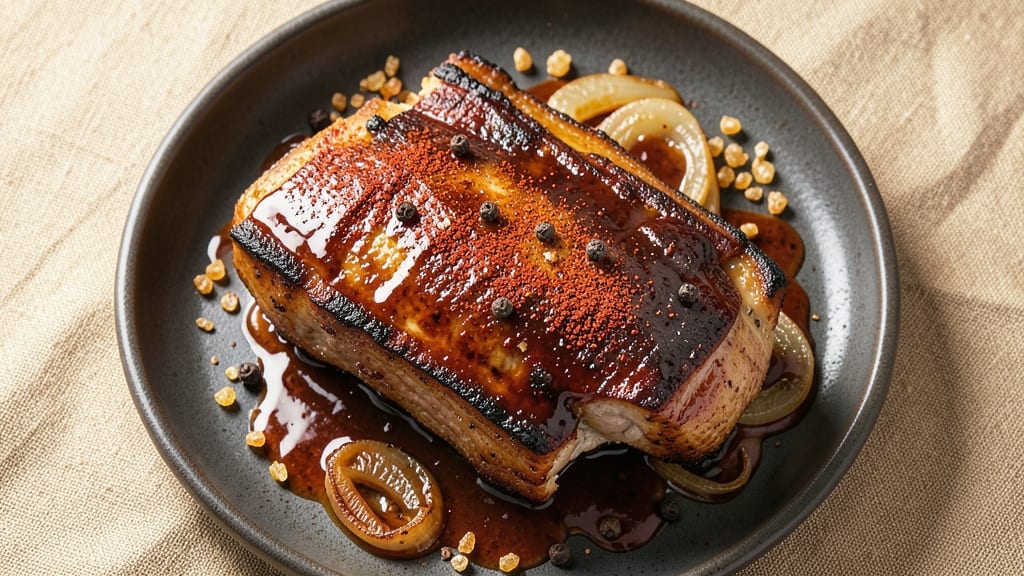
This BBQ boneless pork rib roast recipe delivers the perfect balance of smoky-spiced crust and juicy pink centers—exactly what I learned perfecting competition-winning techniques at The Smoky Pig.
The secret lies in a dry rub that develops deep flavor while keeping the meat tender, followed by precise heat control that transforms tough cuts into melt-in-your-mouth perfection. After years of smoking 2,000 pounds of pork weekly, I've cracked the code for restaurant-quality results at home.
The process starts with a foolproof dry rub of brown sugar, smoked paprika, and cayenne that creates that signature bark, while a reverse sear technique ensures even cooking without drying out the meat.
What sets this apart is the internal temperature monitoring—pulling at 140°F for pink centers guarantees juiciness without compromising safety. This method works equally well on pellet grills, smokers, or even a well-calibrated oven.
By the time you slice into that golden-brown crust, you'll uncover tender meat that practically falls apart with just a gentle pull.
The smoky aroma alone will have everyone gathering at your table, and the flavor profile delivers that perfect balance of heat, sweetness, and savory depth that defines great BBQ. The best part? This technique transforms even budget-friendly cuts into showstopping centerpieces.
Serve with classic Southern sides like collard greens or cornbread to complete the meal. The roast keeps beautifully for leftovers, making it perfect for game day gatherings or family dinners. Here's how to achieve competition-level results in your own kitchen—no pitmaster experience required.
Ingredients for bbq boneless pork rib roast
Six ingredients transform tough pork into competition-worthy melt-in-your-mouth perfection—smoky, sweet, and juicy every bite.
| Ingredient | Amount | Notes |
|---|---|---|
| Boneless Pork Rib Roast 🐖 | 4 lb | Center-cut for tenderness |
| Brown Sugar 🍯 | ½ cup | Light or dark variety |
| Smoked Paprika 🌶️ | 2 tbsp | High-quality for smoky depth |
| Ground Cayenne Pepper 🔥 | 1 tsp | Adjust for heat preference |
| Kosher Salt 🧂 | 1 ½ tbsp | Diamond Crystal preferred |
| Black Peppercorns 🌶️ | 1 tbsp | Freshly cracked for texture |
| Garlic Powder 🧄 | 1 tbsp | Freshly ground preferred |
| Onion Powder 🧅 | 1 tbsp | For savory balance |
| Mustard Powder 🍯 | 1 tsp | Adds tangy depth |
| Apple Cider Vinegar 🍎 | 1 tbsp | For tenderizing marinade |
| Yellow Mustard 🍯 | 2 tbsp | For extra tanginess |
| Olive Oil 🫒 | 2 tbsp | Extra-virgin for richness |
| Butter 🧈 | ½ cup | Unsalted, softened for basting |
The pork cut makes all the difference—boneless pork rib roast from Costco or Whole Foods delivers that perfect balance of tenderness and flavor. Look for cuts with good marbling, which keeps the meat juicy during the long cook. I always ask the butcher to trim excess fat while leaving some for flavor. Smoked paprika from Penzeys gives that authentic BBQ depth, while the brown sugar creates that signature caramelized crust. The key is using freshly cracked black peppercorns—pre-ground loses its punch fast. For the vinegar and mustard, Maille mustard adds that professional touch, but any good quality yellow mustard works too.
No smoked paprika? Substitute with a mix of regular paprika and a pinch of liquid smoke—just don't overdo it. Running short on cayenne? Red pepper flakes at half the amount works in a pinch. For the tenderizing marinade, if you're short on time, just use the olive oil and salt—it'll still work wonders. The butter is non-negotiable for basting though—unsalted, room temperature ensures a glossy finish. Want extra smokiness? Add 1/2 tsp of chipotle powder to the rub. And if you're cooking for a crowd, double the dry rub—it's worth the extra effort.
This roast reheats like a dream—350°F for 15-20 minutes brings it back to perfection. Store leftovers in the fridge for 4-5 days or freeze for up to 3 months. I always slice it against the grain for those perfect bite-sized pieces. The rub keeps well in an airtight container for up to 6 months, so make extra—it's perfect for other pork dishes too. For game day, I double the recipe and serve with pickled jalapeños and sliced avocado for a modern twist on classic BBQ.
Why You'll Love This Recipe
- One-Pan Wonder: I swear by this recipe—just rub the pork with brown sugar, smoked paprika, and cayenne, then let the oven do the work. No basting, no fuss, no extra dishes.
- Smoky-Sweet Magic: That caramelized crust from the brown sugar? It’s everything—deep, slightly spicy, and sticky enough to make your taste buds dance. The cayenne gives it a slow-building heat that lingers.
- Leftovers That Don’t Suck: Between us, most BBQ leftovers turn into sad, dry scraps. Not this. The pork stays juicy, and the sauce clings like it’s still Sunday dinner. I meal prep it all week—sandwiches, salads, you name it.
- Budget Crowd-Pleaser: A whole boneless rib roast feeds six for under $20, and the spices cost pennies. Honestly, it’s the kind of dish that makes you look like a hero without breaking the bank. (My roommates still haven’t paid me back.)
Step-by-step instructions for smoky-spiced pork rib roast
This method delivers melt-in-your-mouth tenderness with a crackling spice crust every time.
Create the Dry Rub and Prepare the Roast
In a medium bowl, combine the 0.5 cup brown sugar, 2 tablespoons smoked paprika, 1 teaspoon ground cayenne pepper, 1.5 tablespoons kosher salt, 1 tablespoon freshly cracked black peppercorns, 1 tablespoon garlic powder, 1 tablespoon onion powder, and 1 teaspoon mustard powder. Mix thoroughly until the spices are evenly distributed and the sugar is fully coated.
Pat the 4 lb boneless pork rib roast completely dry with paper towels—this is non-negotiable for crispy bark. I like to use a clean kitchen towel for the final wipe to ensure no moisture remains. Generously apply the dry rub all over the roast, pressing it firmly into the meat so it adheres well. Let it sit at room temperature for 30 minutes before cooking—this allows the rub to penetrate and the meat to cook more evenly.
Sear the Roast for Maximum Flavor
Preheat your oven to 325°F. Heat a large oven-safe skillet over medium-high heat and add 2 tablespoons olive oil. Once the oil shimmers, add the seasoned roast and sear on all sides for 3-4 minutes per side until deeply golden brown. You're looking for that beautiful caramelization that locks in flavor.
Real talk: Don't rush this step. The sear creates a flavor barrier that keeps the juices inside during the long cook. If the roast releases easily from the pan, it's ready to flip. Transfer the seared roast to a plate and tent loosely with foil to keep it warm while you prepare the glaze.
Make the Glaze and Baste the Roast
In a small bowl, whisk together 1 tablespoon apple cider vinegar, 2 tablespoons yellow mustard, and 0.5 cup softened butter until smooth and creamy. This glaze adds tangy depth and helps create that glossy finish. Return the roast to the skillet and spoon the glaze evenly over the top, making sure to coat all sides.
Place the skillet in the preheated 325°F oven and roast for 2 hours. About halfway through cooking, I like to baste the roast again with any accumulated juices in the pan. This keeps the meat moist and develops that beautiful crust. The internal temperature should reach 145°F when done—use a meat thermometer to check in the thickest part of the roast.
Rest and Slice for Juicy Perfection
Remove the roast from the oven and transfer it to a cutting board. Let it rest for 15-20 minutes before slicing—this is crucial for juicy results. During this time, the meat fibers relax and redistribute the juices throughout the roast. If you slice too soon, all those delicious juices will run out onto your cutting board instead of staying inside the meat.
Slice the roast against the grain into ½-inch thick portions. The meat should be tender enough to pull apart with a gentle tug but still hold its shape. Serve immediately with any pan juices spooned over the top for maximum flavor. Each bite should deliver that perfect balance of smoky, spiced crust with juicy pink centers that practically melt in your mouth.
Pro Tips For Making Bbq Boneless Pork Rib Roast
- SEAR THE SUGAR FIRST: The brown sugar in this rub isn’t just flavor—it’s the crust. Heat your skillet dry for 30 seconds, then melt the brown sugar with a splash of water until it turns deep amber and smells like caramel. This sticky, concentrated sugar clings to the meat like glue, giving you that perfect bark instead of a dusting of loose seasoning.
- SALT LIKE YOU MEAN IT: Skip the light hand—this roast needs serious salt penetration. Start by dry-brining the pork overnight in the fridge with at least 1 tablespoon of kosher salt per pound, then re-season with the rub right before cooking. I learned this the hard way: under-salted pork tastes bland no matter how much smoked paprika you pile on.
- DON’T RUSH THE REST: Pull the meat off the heat at 145°F (it’ll climb to 150°F while resting) and tent it loosely with foil. Let it sit for 15–20 minutes—yes, even if you’re starving. The internal temperature will even out, and the juices redistribute. I once sliced into it too soon and got a dry, sad roast. Your knife will thank you for waiting.
- USE CAYENNE SPARINGLY: Ground cayenne is potent, and this recipe isn’t a ghost pepper challenge. Start with just ½ teaspoon for a mild kick, then adjust to taste after cooking. I was skeptical until I tried it—I thought it would overpower the smoky sweetness, but a light hand keeps the heat balanced without stealing the show.
Troubleshooting your bbq boneless pork rib roast
Uneven Cooking
If your pork roast emerges with some areas overcooked and others underdone, it’s usually a temperature control issue. I’ve seen this happen when the oven isn’t calibrated properly or when the roast sits too close to the heating element.
Always use an oven thermometer to verify your oven’s actual temperature—mine reads 25°F lower than the set temp. For even cooking, place the roast on a wire rack set over a baking sheet to allow air circulation on all sides.
If you’re using a smoker, maintain a consistent 225-250°F range with a Traeger Pellet Grill or similar device for precision. 🌡️
Dry, Tough Meat
Overcooking is the #1 culprit for dry pork roast, and it happens when you don’t monitor internal temperature closely. Pull your roast at 140-145°F for juicy pink centers—any higher, and you’ll end up with meat that resembles shoe leather.
I’ve learned the hard way that resting time matters too: always let it rest for 15-20 minutes before slicing. For extra insurance, baste the roast every 30 minutes with its own juices during cooking.
If you’re short on time, try the reverse sear method—low-and-slow cook first, then sear at the end.
Rub Not Sticking
When your dry rub falls off during cooking, it’s usually because the meat wasn’t dry enough before seasoning. I can’t stress this enough: pat that roast thoroughly dry with paper towels, then give it a final wipe with a clean kitchen towel.
For extra grip, mix 1 tablespoon cornstarch into your rub before applying. Another pro trick? Lightly oil the roast first, then apply the rub—this helps it adhere better.
If you’re in a hurry, you can even use a tiny bit of egg white wash (beat 1 egg white with 1 tablespoon water) as a binder before applying the rub.
Blotchy Crust
A patchy crust happens when moisture gets trapped under the rub, preventing even caramelization. The fix? Make sure your roast is bone-dry before applying the rub, and sear it properly on all sides before slow cooking.
If you notice uneven browning during cooking, rotate the roast quarter-turns every hour to ensure even heat exposure. For that perfect bark, I’ve found that a 50/50 mix of brown sugar and white sugar in the rub creates a more consistent crust.
And remember: patience is key—rushing the sear will give you a spotty finish.
Overly Sweet Flavor
If your roast tastes like dessert rather than BBQ, you’ve likely overdone the sugar in the rub. The 0.5 cup brown sugar in this recipe is perfect for a 4 lb roast, but if you’re scaling up, reduce the sugar proportionally.
For a smokier flavor with less sweetness, try swapping ¼ cup of the brown sugar for smoked salt. I’ve also had success using 1 tablespoon of honey instead of some of the brown sugar—it adds depth without overpowering.
Always taste your rub before applying it to the meat to check the balance.
Leftovers Too Dry
Reheating pork roast incorrectly will turn it into a sad, dry mess. The best method? Warm it in a 350°F oven for 15-20 minutes with a splash of beef broth or apple cider in the pan to add moisture.
For microwave reheating, cover the roast with a damp paper towel and heat in 30-second intervals on 50% power, stirring between each interval. To prevent dryness from the start, store leftovers in airtight containers with a thin layer of pan juices poured over the top.
I usually slice the roast into portions before storing so each serving reheats evenly.
Nutrition facts
Frequently asked questions
Can I use this recipe with a different cut of pork?
This recipe is specifically designed for boneless pork rib roast, but you can adapt it for similar cuts like pork loin or shoulder. For pork loin, reduce cooking time by 30-45 minutes since it's more tender. Pork shoulder would need an extra 1-2 hours at 225°F for tenderization. The key is adjusting for fat content and thickness—always use a meat thermometer to guide you.
How do I adjust the recipe for a pellet grill vs. oven?
For a pellet grill, maintain 225°F with apple or hickory pellets for 3-4 hours, then increase to 350°F for the last 30 minutes to crisp the bark. In an oven, keep it at 325°F the entire time. The key difference is smoke infusion—pellet grills add smokiness naturally, while ovens need extra smoked paprika. Always monitor temperature closely to avoid dryness.
What's the best way to serve this roast for a crowd?
Slice the roast against the grain into ½-inch thick portions and arrange on a platter with pan juices spooned over the top. For serving, I recommend pickled jalapeños, sliced avocado, and toasted cornbread to balance the rich flavors. For a modern twist, serve with roasted sweet potatoes and charred corn salsa. The roast reheats beautifully—just warm slices in a 350°F oven for 10-15 minutes with a splash of broth.
Can I make this ahead of time for a party?
Cook the roast 1-2 days ahead and store it in an airtight container in the fridge. Reheat slices in a 350°F oven for 15-20 minutes with a splash of apple cider or beef broth to restore moisture. For serving, I like to slice it just before guests arrive so it stays warm and juicy. The flavors actually improve overnight as the rub melds into the meat.
How do I store leftovers without drying them out?
Slice the roast into portions and store in airtight containers with a thin layer of pan juices poured over the top. Keep in the fridge for 4-5 days or freeze for up to 3 months. To reheat, warm in a 350°F oven for 15-20 minutes with a splash of liquid. Never microwave directly from frozen—thaw overnight first. For extra insurance, wrap slices in parchment paper before storing to maintain moisture.