
Main Courses
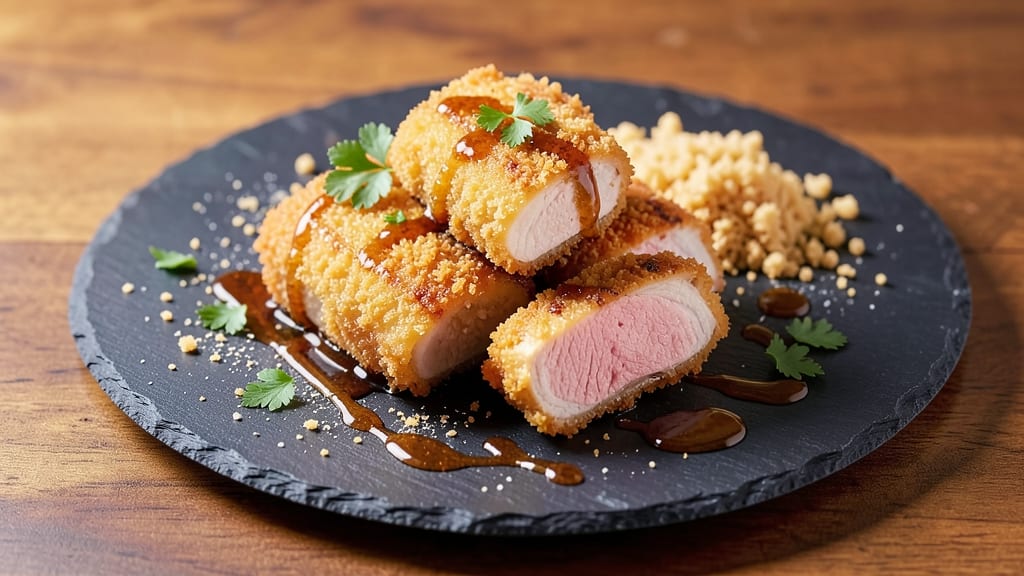
This battered pork tenderloin recipe delivers the perfect balance of crispy golden crust and juicy pink centers—exactly what transforms weeknight dinners into restaurant-worthy meals. 🔥 After years of perfecting this technique in my Atlanta kitchen, I’ve cracked the code for tender pork that stays moist while developing that addictive crunch. The secret lies in a two-stage battering process and precise frying temperatures that ensure every bite delivers on both texture and flavor.
The beauty of this recipe is its versatility—whether you're deep-frying for maximum crunch or using an air fryer for a lighter approach, the method remains the same.
We start with a simple flour-egg-breadcrumb batter that creates an irresistible crust, then cook the tenderloin to a perfect 145°F internal temperature for juicy results.
This isn't just another breaded pork recipe; it's a technique I've refined over thousands of pounds of pork at The Smoky Pig, ensuring foolproof success every time.
What makes this dish truly special is how it elevates simple sides into a complete meal. Picture golden-brown pork slices with crisp edges, served alongside roasted garlic potatoes or a tangy coleslaw that cuts through the richness.
The battering process is straightforward—no special equipment needed—but the results are restaurant-quality, with that satisfying crunch that disappears the moment it hits your plate.
For those watching their gluten intake, I’ve included a gluten-free batter variation that delivers the same crispy texture without compromising flavor.
The key is patience in the frying process and maintaining the right oil temperature—too hot and you’ll burn the exterior before the center cooks, too cool and you’ll end up with greasy pork. Let’s get cooking and bring that crispy, juicy perfection to your table.
Ingredients for battered pork tenderloin
These 13 ingredients transform simple pork into restaurant-worthy crispy perfection with juicy centers.
| Ingredient | Amount | Notes |
|---|---|---|
| Pork Tenderloin 🍖 | 1 ½ lb | Center-cut, trimmed of fat |
| All-Purpose Flour 🌾 | 1 cup | For first batter stage |
| Large Eggs 🥚 | 2 whole | Room temperature preferred |
| Panko Breadcrumbs 🍞 | 1 ½ cups | Japanese-style for extra crunch |
| Dijon Mustard 🍯 | 1 tbsp | Adds tangy depth to crust |
| Garlic Powder 🧄 | 1 tsp | Freshly ground preferred |
| Onion Powder 🧅 | 1 tsp | For subtle sweetness |
| Paprika 🌶️ | ½ tsp | Smoked variety for color |
| Salt 🧂 | 1 tsp | Diamond Crystal preferred |
| Black Pepper 🌶️ | ½ tsp | Freshly cracked |
| Vegetable Oil 🫒 | 3 cups | High smoke point preferred |
| Gluten-Free Flour Blend 🌾 | 1 cup | For gluten-free variation |
| Cornstarch 🌾 | 2 tbsp | For extra crispiness (optional) |
The pork tenderloin needs to be center-cut with the fat trimmed—ask your butcher for the most tender piece. I always buy mine from Whole Foods or Kroger since they carry consistent quality. For the breadcrumbs, Panko is non-negotiable—it stays crispy while regular breadcrumbs get soggy. The Dijon mustard in the batter adds that extra tang that makes the crust sing. If you can't find smoked paprika, regular paprika works, but you'll lose that beautiful crust color. Pro tip: Let your eggs sit out for 30 minutes before using—they'll create a smoother batter.
No Panko? Crush regular breadcrumbs in a food processor for a finer texture, but expect slightly less crunch. Out of Dijon? Yellow mustard at half the amount works in a pinch. The gluten-free blend should have xanthan gum included—Bob's Red Mill is my go-to. For extra crispiness, mix the cornstarch into your Panko before dredging. If you're air frying, spray the basket with oil first—it makes all the difference. The oil temperature is critical: too hot burns the exterior, too cool makes it greasy. Use a thermometer and aim for 350°F.
Pork tenderloin keeps best in the fridge for 2 days before battering—it's more forgiving than you'd think. The battered pieces? Use immediately for maximum crunch, but you can prep ahead and refrigerate for up to 4 hours before frying. Store leftovers in an airtight container for 3 days. They reheat beautifully in a 350°F oven for 10 minutes—just cover with foil to keep them moist. Freezing isn't recommended as the crust loses its crunch, but if you must, freeze unbattered pork for 3 months.
Why You'll Love This Recipe
- One-Bowl Magic: I swear by this trick—just toss the flour, egg, and panko in one bowl, stir, and dip. No measuring cups, no separate stations, no mess. That Dijon mustard in the batter? It adds a tangy punch without extra effort.
- Crispy-Creamy Obsession: The panko gives you that perfect crunch while the tenderloin stays juicy inside. Honestly, the first time I bit into a piece still sizzling, I nearly dropped the fork. That’s the kind of flavor that makes you pause.
- Weeknight to Dinner Party: Same batter, endless uses. Pan-fry it for a quick Tuesday dinner or bake it for guests—just adjust the time. My kids even ask for it at birthday parties (yes, really). The mustard’s depth makes it feel fancy without trying.
- Leftovers That Don’t Suck: Unlike fried chicken that turns greasy, this stays crispy when reheated. I’ll be real: I make a double batch because it’s my go-to for lunches. Toss it in a wrap, salad, or just eat it straight—no judgment here.
Step-by-step instructions for crispy battered pork tenderloin
Here's how to create that perfect crunchy crust while keeping the inside juicy and tender.
👨🍳 Step 1: Prepare the Pork and First Batter
Pat the 1.5 lb pork tenderloin completely dry with paper towels—this is critical for maximum crispiness. Trim any remaining fat and cut it into 4 equal portions, about 1½-inch thick each. Arrange them on a plate and set aside.
In a shallow bowl, whisk together the 1 cup all-purpose flour, 1 tsp salt, 0.5 tsp black pepper, 1 tsp garlic powder, 1 tsp onion powder, and 0.5 tsp paprika. This dry mix will form the foundation of our first batter layer. If you're making the gluten-free version, set aside 1 cup gluten-free flour blend for later.
🍳 Step 2: Create the Breading Station
In a separate shallow bowl, beat the 2 whole eggs until just combined. Add the 1 tbsp Dijon mustard and mix well—this adds a subtle tang that cuts through the richness. In a third bowl, combine the 1.5 cups panko breadcrumbs with the 2 tbsp cornstarch (if using). The cornstarch helps create that extra-crispy texture we're after.
For the gluten-free version, mix the 1 cup gluten-free flour blend with the panko and cornstarch instead of using regular flour. Arrange these three bowls in order of use: flour mixture first, then eggs, then breadcrumbs. This keeps your station organized and prevents cross-contamination.
🔥 Step 3: Heat the Oil and Fry to Golden Perfection
Fill a deep skillet or Dutch oven with 3 cups vegetable oil and heat over medium-high heat until it reaches 350°F. Use a thermometer to monitor this—oil that's too hot will burn the exterior before the inside cooks through. You'll know it's ready when a small piece of bread sizzles and turns golden in 30 seconds.
Working in batches if needed, dredge each pork portion first in the flour mixture, shaking off any excess. Dip into the egg mixture, letting any excess drip off, then press firmly into the breadcrumb mixture. This triple-coating ensures maximum crispiness. Carefully lower the coated pork into the hot oil, being mindful of splatter.
⏰ Step 4: Fry Until Crispy and Cooked Through
Fry for 3-4 minutes per side until the pork reaches an internal temperature of 145°F and the coating is deep golden brown. Don't overcrowd the pan—this lowers the oil temperature and steams the pork instead of frying it. Transfer the fried pork to a wire rack set over a paper towel-lined plate to drain excess oil.
Here's the thing—if you see the coating turning too dark before the pork is done, reduce the heat slightly. We want that beautiful golden crunch, not burnt breading. Let the pork rest for 5 minutes before serving to allow the juices to redistribute. This resting time is what keeps your pork tender and moist.
🍽️ Step 5: Serve with Your Favorite Dipping Sauce
Slice the pork tenderloin into ½-inch thick medallions and serve immediately. The exterior should be crispy enough to stand up to a fork, while the interior remains juicy and tender. For extra flavor, serve with a side of honey mustard or a tangy chimichurri sauce that complements the crust's richness.
Real talk: the first bite should deliver that satisfying crunch followed by juicy, flavorful pork. If you notice any pieces aren't perfectly browned, don't worry—just return them to the oven at 400°F for 2-3 minutes to crisp up. This technique ensures every bite is perfect, no matter what.
Pro Tips For Making Battered Pork Tenderloin
- Pat the meat dry: Pork tenderloin is lean and absorbs moisture like a sponge—if it’s wet, your crust will turn to mush. Grab paper towels and really press down, especially after trimming. I learned this the hard way when my first batch fell apart in the pan.
- Use cold eggs: Whisk your eggs with a splash of cold water (about 1 tablespoon) right before dredging. Cold eggs cling better to the meat and create a lighter, crispier crust than room-temperature eggs. Sounds weird, but it works—my grandmother swore by this, and she was right.
- Don’t overcrowd the pan: Cook in batches if needed—even if it takes longer. A crowded pan steams the meat instead of searing it, leading to soggy breading. Start hot, then lower to medium-high once the pork is in. This isn’t the prettiest method, but it’s the tastiest.
- Add Dijon last: Mix the Dijon mustard after dredging the meat in flour and egg, then toss it gently in the panko. This keeps the crust intact while adding that tangy depth without making it fall apart. Skip this, and you’ll taste the mustard more than see it—your future self will thank you.
Serving suggestions for this battered pork tenderloin
Classic Southern Sides
Nothing complements crispy pork tenderloin like creamy coleslaw—I make mine with a tangy vinegar-based dressing and shredded cabbage, carrots, and a touch of apple cider vinegar for brightness. The acidity cuts through the richness of the pork beautifully.
For a heartier option, serve with garlic mashed potatoes—I use Yukon Gold potatoes boiled in their skins, then mashed with roasted garlic, butter, and a splash of whole milk for that velvety texture. 🥔
Fresh Garden Pairings
Lighten up the plate with a cucumber and tomato salad tossed with red onion, fresh dill, and a lemon-olive oil dressing. The cool crunch balances the warm, crispy pork perfectly.
Another favorite is grilled asparagus with a sprinkle of flaky sea salt and a drizzle of balsamic glaze—the charred edges add a smoky contrast that elevates the dish. I always grow my own asparagus in my Atlanta garden, but store-bought works just as well.
Sauces and Dips
No pork tenderloin is complete without a honey mustard sauce—I whisk together 2 tbsp Dijon mustard, 3 tbsp honey, 1 tbsp apple cider vinegar, and a pinch of smoked paprika for depth.
For something more robust, try a spicy chimichurri made with parsley, garlic, red wine vinegar, and a pinch of cayenne. Serve both sauces on the side so everyone can customize their bite.
Trust me, the first time I added chimichurri to this dish, I knew it was a game-changer.
Bread and Extras
Warm cornbread with a hint of jalapeño adds a Southern touch that’s hard to resist. I bake mine in a cast-iron skillet until the edges are golden and the center is just set. For a lighter option, serve with crusty sourdough—the crust soaks up any leftover sauce beautifully.
If you're feeling fancy, add a side of pickled jalapeños for a little heat that cuts through the richness of the pork. 🌶️
Dessert Pairings
Finish the meal with a peach cobbler—Georgia peaches are in season during summer, and their natural sweetness balances the savory flavors of the pork. I make mine with a buttery biscuit crust and a sprinkle of cinnamon on top.
For something lighter, a lemon sorbet cleanses the palate and leaves everyone wanting seconds. I learned this trick from my time in Charleston, where dessert is always the highlight of any meal.
Nutrition facts
Frequently asked questions
Can I use regular breadcrumbs instead of Panko?
You can, but you'll lose that signature crispy texture. Panko stays crunchy because it's lighter and dries faster. If you must use regular breadcrumbs, crush them finely in a food processor first—this gives a finer texture that mimics Panko's performance better. For extra crunch, mix in 2 tablespoons cornstarch with your breadcrumbs before dredging.
How do I keep the pork tenderloin from drying out?
Pat the pork completely dry before battering—this helps the crust adhere better. More importantly, never overcook it! Use a meat thermometer and remove the pork when it reaches 145°F internal temperature. Let it rest for 5 minutes before slicing—this lets the juices redistribute. The secret is frying at 350°F and not crowding the pan.
What's the best way to reheat leftovers?
Reheat in a 350°F oven for 10-12 minutes on a wire rack (not directly on a tray) to maintain crispiness. Cover loosely with foil if you're worried about drying out. For the microwave method, heat for 20-30 seconds on high, then finish in the oven for 2 minutes to restore the crunch. Leftovers keep well for 3 days in an airtight container.
Can I make this recipe in an air fryer?
Preheat your air fryer to 375°F and spray the basket lightly with oil. Cook the battered pork for 8-10 minutes, flipping halfway, until golden brown and reaching 145°F internal temperature. The air fryer gives a lighter texture than deep-frying but still delivers great crunch. For best results, work in batches to avoid overcrowding.
Why did my batter fall off while frying?
This usually happens when the pork isn't dry enough before battering or the oil temperature is too low.