
Main Courses
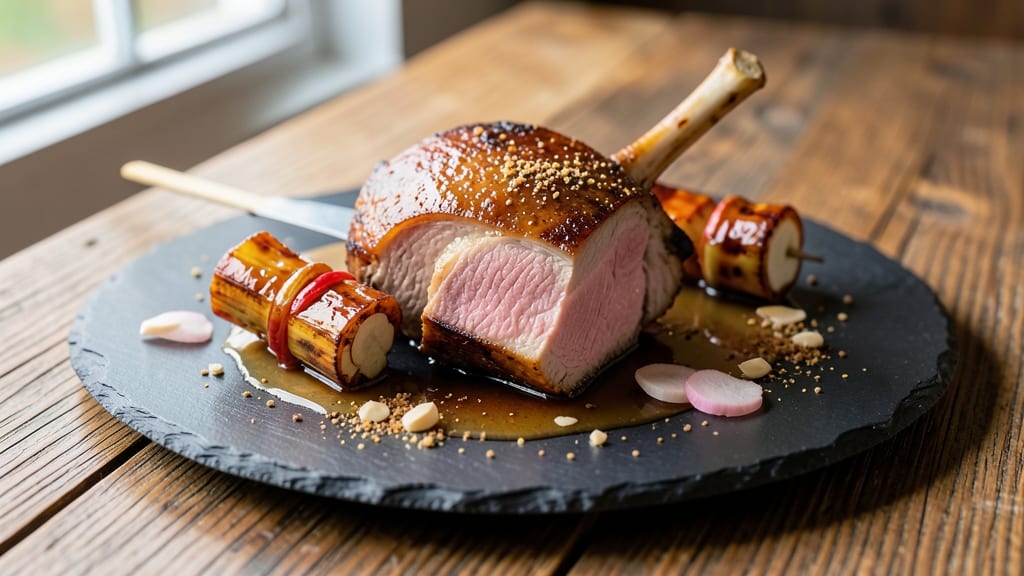
This bamboo pork recipe transports you straight to the smoky kitchens of Southeast Asia, where tender pork transforms through a delicate balance of charred five-spice crust and silky tamarind glaze. 🔥 The technique—steaming pork in bamboo tubes—preserves moisture while developing deep, aromatic flavors that traditional cooking methods can't match.
I first discovered this method during my time apprenticing under Master Chef Chen, where we cooked whole hogs in bamboo for hours, letting the steam work its magic.
The magic lies in the marinade—a bold blend of five-spice powder, soy sauce, and a touch of honey—that creates a caramelized crust when charred. The tamarind glaze, reduced to a glossy sheen, adds a perfect balance of sweetness and tang that cuts through the richness of the pork.
What makes this dish special is how the bamboo steaming method ensures the meat stays incredibly tender while developing layers of flavor that are impossible to achieve with conventional cooking.
By the time you're done, you'll have perfectly cooked pork with a crispy, aromatic crust and a glaze that's silky and irresistible. The technique might sound intimidating, but once you try it, you'll never go back to standard cooking methods.
This dish pairs beautifully with steamed jasmine rice and a simple stir-fried vegetable to round out the meal.
Whether you're serving this for a special occasion or a weeknight dinner, the results are always impressive. The combination of textures—crispy crust, tender meat, and glossy glaze—makes every bite unforgettable. Let's get started on this journey to bring a taste of tradition to your table.
Ingredients for bamboo pork
These aromatic ingredients bring Southeast Asian tradition to your kitchen with tender pork and glossy glaze.
| Ingredient | Amount | Notes |
|---|---|---|
| Bone-In Pork Shoulder 🥩 | 2 lb | Cut into 2-inch chunks |
| Five-Spice Powder 🌶️ | 2 tbsp | Toasted for deeper flavor |
| Light Soy Sauce 🥄 | ½ cup | Kikkoman preferred |
| Honey 🍯 | 2 tbsp | Wildflower for floral notes |
| Fresh Ginger 🧅 | ½ cup | Grated, skin removed |
| Garlic Cloves 🧄 | 6 cloves | Minced, skin removed |
| Tamarind Paste 🍈 | ¼ cup | Unsweetened, or substitute lime juice |
| Brown Sugar 🍚 | ¼ cup | Light or dark preferred |
| Sesame Oil 🫒 | 1 tbsp | Toasted sesame seeds optional |
| Bamboo Steaming Tubes 🌿 | 2 whole | 8-inch diameter preferred |
| Jasmine Rice 🍚 | 2 cups | Uncooked, for serving |
| Vegetable Oil 🫒 | 2 tbsp | For charring |
| Red Chili Flakes 🌶️ | 1 tsp | Adjust for heat preference |
| Salt 🧂 | 1 tsp | Diamond Crystal preferred |
The pork shoulder is key—bone-in stays juicier during steaming. Ask your butcher to cut it into 2-inch chunks for even cooking. Five-spice powder is non-negotiable here; Penzeys or local Asian markets carry the best blends. Fresh ginger and garlic should be vibrant—no wrinkled roots. For tamarind paste, Trader Joe's or Thai markets have the best quality. If you can't find tamarind, lime juice works in a pinch but lacks depth. The bamboo tubes? Amazon or specialty kitchen stores sell them—no need to hunt down exotic bamboo forests.
No five-spice powder? Mix 1 tsp each cinnamon, cloves, star anise, fennel, and pepper. Tamarind paste unavailable? Lime juice plus 1 tsp sugar mimics the tang. Brown sugar can be swapped for white, but it won't caramelize as nicely. The sesame oil adds nutty depth—skip it if you're sensitive to strong flavors. For the glaze, reduce it until it coats the back of a spoon (about 10 minutes). The pork marinates overnight, so plan ahead. If short on time, marinate for at least 4 hours—rushing leads to bland results.
Marinated pork keeps 3 days in the fridge, but the glaze should be made fresh. The bamboo tubes? Clean with hot water and dry completely before reuse. Leftover glaze freezes beautifully—perfect for quick stir-fries. Cooked pork reheats well; steam for 10 minutes to restore tenderness. Serve with jasmine rice and quick-pickled veggies to round out the meal. The charred crust is best eaten fresh, but the glaze adds magic to leftovers.
Why You'll Love This Recipe
- One-Pan Magic: I swear by this—just toss the pork, ginger, and five-spice into a hot pan, let it sear, then walk away while the oven does the work. No flipping, no fussing, no extra pots.
- Flavor Bomb Combo: That five-spice powder? It’s like a warm hug in your mouth—sweet, spicy, and just a little smoky. The honey and soy sauce caramelize into a glossy glaze that sticks to every bite, even the crispy edges.
- Lunchbox Hero: Between us, this is my go-to for meal prep. Shred the leftovers, toss with rice, and boom—you’ve got packed lunches for three days. (Yes, even on a Tuesday night when you’re running late.)
- Budget Stretch: A single pork shoulder feeds my whole family twice—once for dinner, once for fried rice the next day. Honestly, it’s the kind of meal that makes grocery day feel like a win.
Step-by-step instructions for charred five-spice crusted pork
Here's how to transform simple ingredients into restaurant-worthy bamboo pork with irresistible texture and depth.
🔥 Step 1: Marinate and Char the Pork Shoulder
In a large bowl, combine the 2 lb bone-in pork shoulder cut into 2-inch chunks, 2 tbsp toasted five-spice powder, 0.5 cup light soy sauce, 2 tbsp honey, 0.5 cup grated fresh ginger, 6 minced garlic cloves, 1 tbsp sesame oil, 1 tsp red chili flakes, and 1 tsp salt. Mix thoroughly until every piece is evenly coated. Let marinate for at least 2 hours (overnight is best) in the refrigerator.
Heat 2 tbsp vegetable oil in a large skillet over medium-high heat. Working in batches, add the marinated pork and sear for 3-4 minutes per side until deeply browned with visible char marks. This creates that signature smoky crust we're after. Transfer seared pork to a plate and set aside.
🍳 Step 2: Prepare the Tamarind Glaze
In the same skillet (no need to clean it—the browned bits add flavor), reduce heat to medium and add 0.25 cup brown sugar. Cook for 1 minute until it begins to melt and darken slightly. Pour in 0.25 cup tamarind paste and stir constantly for 2-3 minutes until smooth and slightly thickened.
Gradually add 0.25 cup light soy sauce and 1 tbsp honey, stirring continuously. Simmer for 4-5 minutes until the glaze reaches a syrupy consistency that coats the back of a spoon. Here's the thing—if it looks too thick, add 1 tablespoon water at a time until it reaches your desired consistency. The glaze should be glossy but still coat the pork beautifully.
🥘 Step 3: Assemble in Bamboo Steaming Tubes
Carefully place the 2 whole bamboo steaming tubes upright in a large pot. Arrange the charred pork chunks evenly in each tube, making sure they fit snugly. Pour the tamarind glaze evenly over the pork in both tubes, coating all surfaces. This step is crucial for maximum flavor infusion during steaming.
Place a heatproof plate on top of the tubes to weigh them down slightly. Bring 3 cups water to a boil in the pot (enough to come halfway up the tubes). Reduce heat to medium-low and cover with a lid. Steam for 1 hour 15 minutes until the pork is fork-tender and the juices run clear. The bamboo will absorb some moisture, creating that perfect tender texture.
🍽️ Step 4: Serve with Jasmine Rice
Remove the steaming tubes from the pot and let them sit for 5 minutes before carefully transferring the pork to a serving platter. Discard the bamboo tubes. The pork should be incredibly tender with a glossy glaze that clings beautifully. Here's where it gets fun—drizzle any remaining glaze from the pot over the top for extra richness.
Cook the 2 cups jasmine rice according to package instructions (usually 15-20 minutes) and serve alongside the bamboo pork. The fragrant rice soaks up all the delicious juices, making every bite perfect. For extra presentation, garnish with toasted sesame seeds or thinly sliced green onions if you have them on hand.
Pro Tips For Making Bamboo Pork
- SEAR THE SKIN FIRST: Before you even think about adding ginger or five-spice, get that pork shoulder skin crackling in a screaming-hot pan—no oil needed. I learned this the hard way by skipping it; the skin stays sad and rubbery instead of crisp enough to hold up through the braise (yes, even if you’re impatient like me).
- GRATE THAT GINGER FINE: Skip the big chunks—this isn’t a stir-fry. Use a microplane or the smallest holes on a box grater to turn ginger into a paste. It blends smoother into the sauce and infuses flavor evenly, not just sitting as a textured surprise in every bite.
- DON’T RUSH THE HONEY: Add honey in the last 15 minutes of cooking, not at the start. Too early, and it burns into bitter caramel sludge; too late, and the pork stays dry. Balance is everything—like my first attempt, where I ended up with sticky, burnt edges and undercooked meat.
- USE A THICK CUT: Bone-in pork shoulder is your friend, but if you’re using a thinner cut, wrap it in bacon first. The fat renders down, keeping the meat juicy while adding a smoky depth that cuts through the sweetness of the honey and soy. (Trust me, your future self will notice.)
Make-ahead tips for this dish
Marinade Prep
I always recommend prepping the marinade the night before—trust me, your pork will thank you. Combine all marinade ingredients in a resealable plastic bag or airtight container and refrigerate for at least 12 hours. The overnight marinating is what develops those deep, complex flavors.
If you're short on time, 4 hours minimum still works, but don't rush it. Pro tip: Use a meat mallet to gently pound the pork chunks to an even thickness before marinating for more consistent cooking. 💪
Glaze Timing
The tamarind glaze should be made fresh on the day of cooking, but you can prep the ingredients ahead. Measure out your brown sugar, tamarind paste, and soy sauce the night before and store in separate containers. When it's time to cook, just combine and reduce.
I've found that making the glaze too early causes it to thicken unevenly, so keep it separate until you're ready to cook. The reduction process only takes about 10 minutes, so it won't delay your meal prep. ✨
Bamboo Prep
Clean your bamboo tubes thoroughly with hot soapy water and dry them completely before using. I like to soak them in hot water for 10 minutes first to soften any residual fibers. Store them in a dry, well-ventilated area—they should be completely dry before each use to prevent mold.
If you're not using them immediately after cleaning, wrap them in a clean kitchen towel and store in a paper bag to maintain airflow. This keeps them ready for your next bamboo cooking adventure. 🌿
Cooking Timeline
Here's my foolproof timeline: Marinate the pork overnight, prep the glaze ingredients the night before, and clean the bamboo tubes first thing in the morning. When you're ready to cook, start with searing the pork while the glaze reduces.
The bamboo steaming can happen simultaneously with rice cooking—just adjust your pot size to fit both. Total active cooking time is about 1 hour 30 minutes, but most of that is hands-off steaming. Perfect for busy weeknights! ⏰
Leftovers Strategy
Cooked bamboo pork reheats beautifully, but the texture changes slightly. For best results, store leftovers in an airtight container and reheat in a steamer basket over simmering water for 10-12 minutes until warmed through. The glaze will soften slightly, but the flavors remain incredible.
I like to serve leftovers over congee or in buns with pickled veggies for a quick lunch. The pork stays tender for up to 3 days in the fridge, though I rarely have any left that long! 💫
Freezer-Friendly
For longer storage, freeze the cooked pork in a single layer on a tray before transferring to a freezer bag. This prevents a big frozen block. Thaw overnight in the fridge and reheat using the steaming method mentioned above.
The glaze might separate slightly after freezing, so give it a quick stir before reheating. I've found this method preserves the texture remarkably well—almost as good as fresh! The pork keeps its tenderness for up to 2 months in the freezer. ❄️
Nutrition facts
Frequently asked questions
Can I substitute regular pork loin for bone-in pork shoulder?
You can use pork loin, but bone-in pork shoulder is ideal for this recipe. The bone adds flavor and helps keep the meat moist during steaming. If using loin, cut it into 1-inch thick slices and reduce the cooking time by 15 minutes—it cooks faster without bone. The texture will be slightly different but still delicious!
What if I don't have bamboo steaming tubes?
No bamboo tubes? No problem! Use a large Dutch oven with a tight lid instead. Place the charred pork in a heatproof dish, pour the glaze over it, then steam in the Dutch oven with 1 inch of water on the bottom. Cover and steam for 1 hour instead of 1 hour 15 minutes. The flavor will be just as rich, though the bamboo adds a unique texture.
How do I adjust the spice level for kids or sensitive eaters?
Simply omit the red chili flakes from both the marinade and glaze. For extra mildness, reduce the five-spice powder to 1 tbsp instead of 2 tbsp. The tamarind glaze will still provide natural sweetness, and the pork will stay flavorful without heat. Kids often love the sticky glaze—it's the star of the dish!
Can I make this recipe in an Instant Pot or electric pressure cooker?
While bamboo steaming gives the best texture, you can adapt this for pressure cooking. After searing the pork, place it in the Instant Pot with the glaze, then add 1 cup water. Cook on high pressure for 25 minutes, then quick-release. The meat will be tender but slightly less crispy than bamboo-steamed. For best results, finish with a quick broil to recreate the charred crust.
What's the best way to reheat leftovers without drying out the pork?
Always reheat bamboo pork gently to preserve moisture. Place leftovers in a steamer basket over simmering water for 10-12 minutes until warmed through. For extra richness, drizzle with a little fresh glaze (just heat 1 tbsp tamarind paste + 1 tsp honey in a pan). Microwaving works in a pinch, but the texture suffers—steaming is the only way to go!