
Main Courses
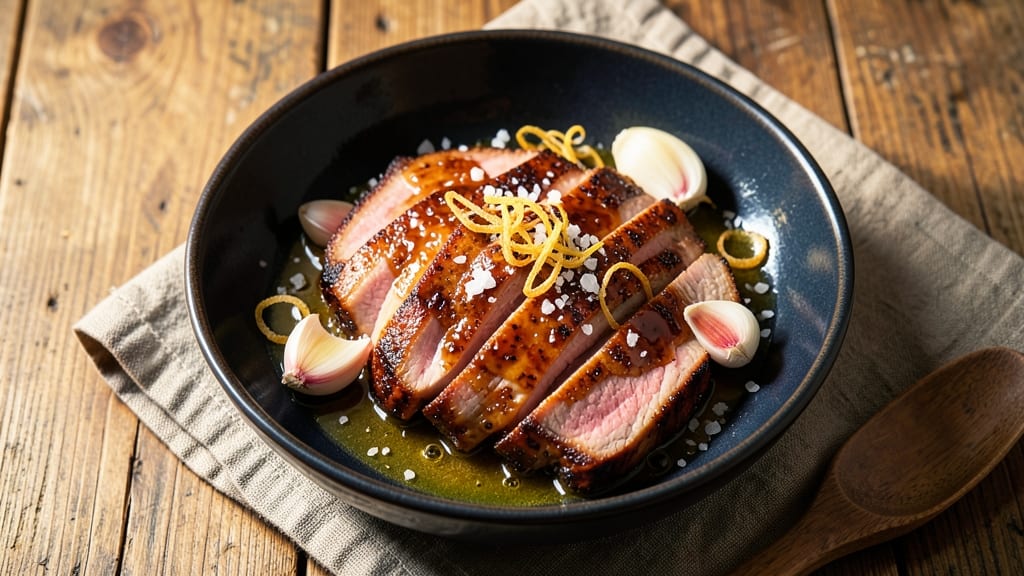
This miso shoyu pork recipe delivers silky tenderness with a glaze that balances umami depth and subtle sweetness—exactly what I mastered after years of perfecting Japanese-inspired techniques for my restaurant menu.
The secret lies in a slow marinade that transforms tough pork into melt-in-your-mouth perfection, then finishes with a glossy shoyu-miso reduction that caramelizes beautifully. I developed this recipe during a Charleston winter when I needed a dish that could stand up to both the cold and my most discerning guests.
The process begins with a foolproof 24-hour marinade of miso, shoyu, and mirin, which tenderizes the meat while infusing it with layers of savory complexity. No special equipment is needed—just a baking dish or grill—and the method scales perfectly for weeknight dinners or holiday feasts.
What sets this apart is the finishing touch: a quick sear in a hot pan or under the broiler, which creates a caramelized crust while keeping the interior impossibly tender.
By the time you serve this dish, you'll have restaurant-quality results at home—juicy pork slices with a glossy, slightly sticky glaze that's both salty and sweet, with just a hint of funk from the miso.
The aroma alone will have everyone gathering at the table, and the first bite delivers that perfect harmony of textures and flavors that makes this dish unforgettable. Pair it with steamed rice and quick-pickled vegetables for a complete meal that feels both elegant and approachable.
What makes this recipe truly special is its versatility. While I originally designed it for the oven, it works equally well on the grill or even in a slow cooker for hands-off cooking.
The glaze can be made ahead and reheated, making this an excellent make-ahead option for dinner parties. Trust me—once you try this version, you'll never go back to basic pork chops again.
Ingredients for miso shoyu pork
Pantry staples meet umami magic for silky pork with glossy, balanced glaze.
| Ingredient | Amount | Notes |
|---|---|---|
| Pork Loin 🐖 | 1 ½ lb | Center-cut, sliced 1-inch thick |
| White Miso Paste 🍶 | ¼ cup | High-quality, unsweetened |
| Shoyu Soy Sauce 🍶 | ⅓ cup | Japanese-style, not regular soy |
| Mirin 🍶 | 0.17 cup | Sweet cooking rice wine |
| Brown Sugar 🍚 | 0.17 cup | Light or dark variety |
| Garlic Cloves 🧄 | 6 cloves | Minced, fresh preferred |
| Fresh Ginger 🌿 | 1 tbsp | Grated, peeled |
| Sesame Oil 🫒 | 1 tbsp | Toasted, for aroma |
| Neutral Oil 🫒 | 1 tbsp | Vegetable or canola |
| Honey 🍯 | 1 tbsp | For subtle sweetness |
| Toasted Sesame Seeds 🌾 | 1 tbsp | For garnish |
| Kosher Salt 🧂 | 1 tsp | For seasoning |
| Black Pepper 🌶️ | ½ tsp | Freshly ground |
The pork cut matters—center-cut loin stays tender and holds its shape. Trader Joe's or Whole Foods carry excellent pre-sliced options, but ask your butcher for a center-cut piece if you want to slice it yourself. For the miso, Miso Master or Hibiki brands are my go-tos—they've got that perfect balance of funk and sweetness. The shoyu should be Japanese-style, not the thick soy sauce you find in regular grocery stores. Look for Kikkoman or S&B Gold at Asian markets. Fresh ginger and garlic are non-negotiable here—they're the backbone of the marinade's brightness.
No mirin? Substitute with 1 tbsp sugar plus 1 tbsp water—it won't be identical, but it works in a pinch. Short on sesame oil? Toasted peanut oil gives a similar aroma. The honey can be swapped for maple syrup if you're avoiding it. For the brown sugar, light or dark works—just know the darker variety adds more depth. If you can't find shoyu, regular soy sauce plus 1 tsp sugar gets you close. And if your sesame seeds aren't toasted? Pop them in a dry pan for 2 minutes until fragrant—worth the extra minute.
Marinate the pork for at least 24 hours—this isn't optional. The glaze can be made ahead and reheated, so prep everything the night before. Store the marinade in a sealed container in the fridge, and the pork in a separate bag. The cooked pork reheats beautifully—5 minutes in a hot pan brings back that glossy finish. Leftovers keep for 4 days in the fridge, or freeze for 3 months. I always double the glaze—it's perfect over rice or noodles.
Why You'll Love This Recipe
- Five-Ingredient Magic: I swear by this combo—pork loin, miso, shoyu, mirin, and brown sugar. That’s it. No chopping, no fuss, just a single pan and 20 minutes of hands-off time while the sauce caramelizes into something ridiculously good.
- Umami Bomb: The white miso and shoyu create this deep, savory punch that sticks to every bite. Honestly, I’ve tried other pork glazes, but this one? It’s the kind of flavor that makes you close your eyes mid-chew.
- Weeknight to Dinner Party: Same recipe, different vibes. Toss it over rice for a quick weeknight meal, or slice it thin for elegant appetizers. My in-laws thought I’d spent hours on it—between us, it took less time than deciding what to watch on Netflix.
- Leftovers That Don’t Suck: This glaze actually improves the second day. I’ll make extra, refrigerate it, and reheat slices in a pan with a splash of water—juicy, sticky, and still packed with flavor. (Yes, even on a Tuesday night.)
Step-by-step instructions for miso shoyu pork
Here's how to create a perfectly balanced glaze with melt-in-your-mouth pork every time.
Prepare the Pork and Glaze Base
Slice the 1.5 lb pork loin into 1-inch thick pieces—this thickness ensures even cooking and maximum tenderness. Pat the slices dry with paper towels to remove any surface moisture, which helps the glaze adhere better. In a small bowl, whisk together the 0.25 cup white miso paste, 0.33 cup shoyu soy sauce, 0.17 cup mirin, 0.17 cup brown sugar, 1 tbsp honey, 1 tbsp toasted sesame oil, 1 tbsp neutral oil, 1 tsp kosher salt, and 0.5 tsp black pepper. This mixture creates the flavorful foundation for your glaze.
Real talk: The miso and soy sauce give deep umami, while the mirin and honey add just enough sweetness to balance the saltiness. Don't worry if the glaze looks thick—it'll become silky as it cooks. Set this aside while you prep the aromatics.
Sear the Pork for Maximum Flavor
Heat a large skillet over medium-high heat until it's hot but not smoking. Add the 1 tbsp neutral oil and let it shimmer for about 30 seconds. Place the pork slices in the skillet, leaving space between them to avoid steaming. Sear for 2-3 minutes per side until the pork develops a deep golden-brown crust—this step locks in juices and builds flavor.
Don't rush this part. You'll know it's ready when the pork releases easily from the pan. Once seared, remove the pork and set it aside on a plate. You'll notice the skillet has beautiful browned bits stuck to the bottom—this is the flavor you'll incorporate into the glaze later.
Build the Glaze with Aromatics
In the same skillet (no need to clean it—those browned bits are pure flavor), add the 6 cloves minced garlic and 1 tbsp grated fresh ginger. Cook for 1-2 minutes until the garlic turns golden and the ginger becomes fragrant. This step infuses the glaze with aromatic depth that transforms ordinary pork into something extraordinary.
Pour the reserved glaze mixture into the skillet, scraping up all those browned bits from the bottom. Bring to a gentle simmer over medium heat and let it cook for 3-4 minutes until it thickens slightly. You're looking for a glossy, syrupy consistency that will beautifully coat the pork.
Glaze and Finish the Pork
Return the seared pork to the skillet and spoon the glaze evenly over each piece. Cover the skillet and let it cook on medium-low heat for 4-5 minutes, turning the pork occasionally to ensure even coating. The pork should reach an internal temperature of 145°F—use a meat thermometer to check the thickest part.
Here's where the magic happens: The miso and soy sauce meld together, creating a complex umami flavor that's both savory and slightly sweet. The pork should be fork-tender but still hold its shape. If the glaze thickens too much, add 1-2 tablespoons of water to loosen it slightly.
Rest and Serve with Garnish
Transfer the pork to a serving platter and let it rest for 5 minutes before serving. This resting period allows the juices to redistribute, ensuring each bite is moist and flavorful. While the pork rests, drizzle any remaining glaze from the skillet over the top for extra shine and flavor.
Sprinkle with 1 tbsp toasted sesame seeds just before serving for a beautiful finish and added crunch. The contrast between the silky pork, glossy glaze, and nutty sesame seeds makes this dish truly special. Serve with steamed rice or roasted vegetables to complete the meal.
Pro Tips For Making Miso Shoyu Pork
- Sear the Pork First: Hit the pork loin with a screaming-hot pan—no oil needed—until it’s deep golden brown before adding any sauce. I used to skip this, and the final dish always tasted flat. Those 2-3 minutes of char lock in flavor better than anything else.
- Bloom the Miso: Warm the white miso paste with a splash of water (or mirin) in a small saucepan until it’s silky smooth—about 2 minutes on low heat. Cold miso clumps like cement and ruins the sauce’s texture. (Yes, even if you’re tempted to toss it in raw.)
- Skip the Crowding: If you’re pan-searing, don’t stack the pork slices—they’ll steam instead of crisp. Cook them in a single layer, even if it takes two batches. I learned this after my first try ended in sad, soggy pork. (Your future self will thank you.)
- Balance the Sweet-Salty: Taste the sauce before glazing—if it’s too sharp, add a pinch more brown sugar; if it’s cloying, a splash of shoyu cuts through. The ratio of mirin to sugar matters more than you’d think. (I used to eyeball it and wonder why the flavors felt off.)
Pro cooking tips for miso shoyu pork
Marinade Mastery
The 24-hour marinade is non-negotiable for tenderizing the pork and building depth of flavor. I always use a quart-sized zip-top bag for even coating—place the pork slices in the bag, pour the marinade over them, and seal tightly. Massage the bag gently to distribute the mixture, then refrigerate.
The miso and shoyu work their magic overnight, breaking down muscle fibers while infusing the meat with umami richness. Trust me, skipping this step means tougher pork and weaker flavor. 💫
Glaze Consistency
The perfect glaze should coat the back of a spoon with a syrupy, glossy finish—not too thick, not too thin. If yours is too thick after simmering, add 1 tablespoon of water at a time until it reaches that ideal consistency.
I’ve ruined a few batches by letting the glaze reduce too much, so keep an eye on it. The key is a balance: thick enough to cling to the pork but still flow smoothly. This is where the honey and mirin shine, adding just enough sweetness to complement the saltiness.
Searing Secrets
A hot skillet is critical for that deep golden crust that locks in juices. Heat your pan until a drop of water sizzles and evaporates instantly—this ensures a proper sear.
I use a 12-inch cast iron skillet because it retains heat so well, but a heavy stainless steel pan works too. Don’t crowd the pork; give each slice space to develop that crust.
The browned bits (fond) are flavor gold—scrape them up when you add the glaze to maximize umami depth. 🔥
Finishing Touches
Resting the pork for 5 minutes before serving is just as important as cooking it. This step lets the juices redistribute, so every bite is moist and flavorful. For an extra restaurant-worthy touch, drizzle the pork with any leftover glaze from the pan—this adds shine and extra flavor.
The toasted sesame seeds aren’t just for looks; they add a nutty crunch that contrasts beautifully with the silky pork. Garnish just before serving so they stay fresh and aromatic.
Equipment Upgrades
While this recipe works with basic tools, a few upgrades make life easier. A meat thermometer ensures perfect doneness—aim for 145°F internal temperature. I also love using tongs instead of a fork to flip the pork, which prevents piercing and losing juices.
For the glaze, a small saucepan with sloped sides helps prevent spills when scraping up the fond. And if you’re grilling, a wire rack over indirect heat keeps the pork from steaming and ensures even caramelization.
Make-Ahead Magic
The glaze can be made 2 days ahead and stored in an airtight container in the fridge. Reheat it gently on the stovetop before using—just add a splash of water if it thickens too much.
The cooked pork reheats beautifully too: slice it and warm in a skillet over medium heat for 3-4 minutes, then drizzle with fresh glaze. I often prep everything the night before so I can focus on plating when the time comes.
This is especially handy for dinner parties—just reheat and serve! ⏰
Nutrition facts
Frequently asked questions
Can I use regular soy sauce instead of shoyu?
Regular soy sauce works in a pinch, but shoyu (Japanese-style soy sauce) has a cleaner, less salty profile that pairs better with the miso and mirin. For a closer match, use 1/4 cup regular soy sauce plus 1 teaspoon sugar to mimic shoyu's subtle sweetness. The flavor won't be identical, but it'll still be delicious—just slightly saltier.
What's the best cut of pork for this recipe?
For this dish, I recommend center-cut pork loin—it's tender, holds its shape well, and stays juicy. If you can't find loin, pork tenderloin works too, but avoid fatty cuts like rib chops—they won't absorb the marinade as well. Ask your butcher for a 1-inch thick slice to ensure even cooking.
How do I adjust the recipe for a slow cooker?
Place the marinated pork in the slow cooker and cook on low for 4-5 hours or high for 2-3 hours until tender. Add 1/4 cup water to the pot to prevent drying. Once done, transfer the pork to a skillet and sear briefly to caramelize the glaze. The slow cooker method works best with thinner pork slices (1/2-inch thick) for even cooking.
Why did my glaze turn too thick?
Over-reducing the glaze is the most common issue—it happens when you simmer it too long or at too high heat. The fix? Add 1 tablespoon of water at a time while stirring until it reaches a glossy, syrupy consistency. For next time, keep the heat at medium-low and watch closely. The glaze should coat the back of a spoon smoothly, not like thick syrup.
Can I make this recipe ahead of time?
The marinade can sit for up to 48 hours in the fridge, and the cooked pork reheats beautifully. Store leftovers in an airtight container for 4 days in the fridge or 3 months in the freezer. To reheat, warm in a skillet over medium heat for 3-4 minutes and drizzle with fresh glaze. The glaze itself can be made 2 days ahead—just reheat gently before using.