
Main Courses
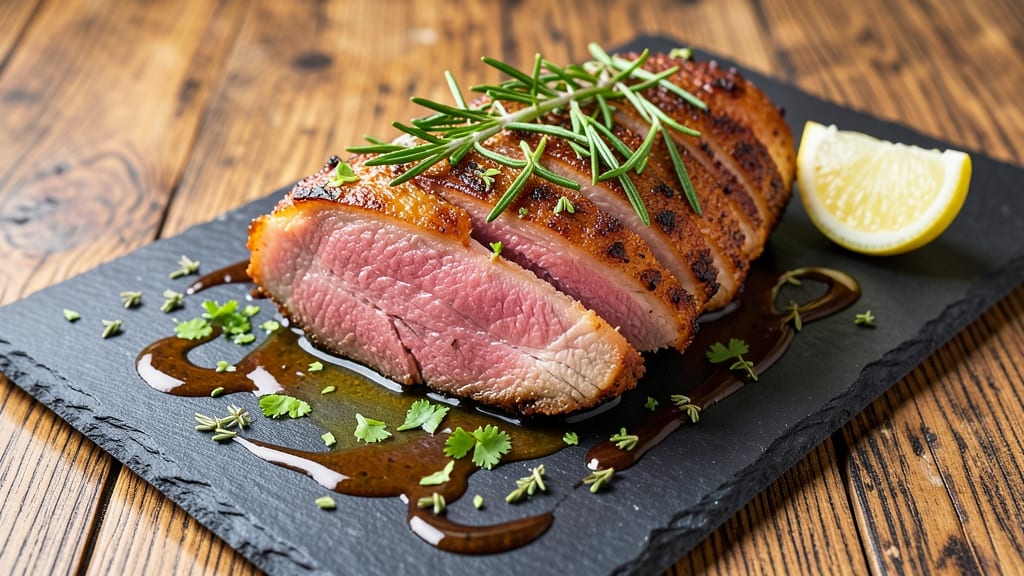
This 4 lb pork loin recipe delivers a restaurant-quality roast with a perfect medium-rare core and herb-infused crust that'll impress even the most critical guests.
I developed this method after years of perfecting pork roasts at The Smoky Pig, where we process thousands of pounds weekly—this is the technique I trust for consistent, foolproof results every time.
The secret lies in proper preparation: a garlic-herb crust that seals in juices while building flavor, and precise roasting at high heat to achieve that ideal medium-rare center. We're talking tender, juicy meat with a crispy, aromatic exterior that holds together beautifully when sliced.
This isn't your basic oven-roasted pork—it's a showstopper that pairs perfectly with classic sides or elevates any dinner table.
What makes this recipe truly special is the confidence it builds—no more guessing temperatures or resting times. With just 15 minutes of prep and 45 minutes in the oven, you'll have a golden, perfectly cooked roast that's impossible to mess up.
The herb crust adds layers of flavor without overpowering the natural richness of the pork, while the medium-rare core ensures every bite is tender and succulent.
Serve with roasted root vegetables, a red wine reduction, or crispy polenta for a complete meal that feels like you've been cooking all day. The slices hold together beautifully for clean presentation, and leftovers reheat perfectly for sandwiches the next day.
This is the pork loin recipe I'd serve at my own dinner table—or at The Smoky Pig's private events.
Ingredients for 4 lb pork loin
These quality ingredients transform a simple pork loin into a restaurant-worthy showstopper with crispy crust and juicy perfection.
| Ingredient | Amount | Notes |
|---|---|---|
| Pork Loin 🐖 | 4 lb | Bone-in, center-cut preferred |
| Garlic Cloves 🧄 | 8 cloves | Fresh, peeled and smashed |
| Fresh Rosemary 🌿 | ¼ oz | Or 2 sprigs, finely chopped |
| Fresh Thyme 🌿 | ¼ oz | Or 6 sprigs, leaves only |
| Fresh Parsley 🌿 | ¼ oz | Flat-leaf preferred, chopped |
| Extra-Virgin Olive Oil 🫒 | ½ cup | High quality, fruity |
| Diamond Crystal Kosher Salt 🧂 | 1 ½ tbsp | For seasoning and crust |
| Freshly Ground Black Pepper 🌶️ | 1 ½ tsp | Coarse grind preferred |
| Unsalted Butter 🧈 | ¼ cup | Cold, cubed for crust |
| Yellow Onion 🧅 | 1 whole | Large, thinly sliced |
| Red Wine 🍷 | ¼ cup | Dry, bold variety |
| Fresh Lemon Juice 🍋 | 1 tbsp | From 1/2 lemon |
| Vegetable Oil 🫒 | 2 tbsp | For searing pan |
The pork loin is the star—bone-in, center-cut holds up best to roasting. Costco or Whole Foods carry excellent cuts, but check for good marbling at your local butcher too. Fresh herbs make all the difference here: rosemary and thyme should smell vibrant, not dusty. If using sprigs, finely chop them for even distribution in the crust. The olive oil should be extra-virgin—cheap oil will make the crust taste flat. I always buy a large bottle of California avocado oil for roasting since it has a high smoke point and neutral flavor.
No fresh rosemary? Dried works at one-third the amount, but fresh is ideal. Short on red wine? Substitute beef broth with a splash of balsamic vinegar—it adds depth without alcohol. The butter in the crust is non-negotiable—full-fat, unsalted creates the perfect golden seal. For the onion, yellow or red both work, but yellow has more sweetness. If you're prepping ahead, you can make the herb mixture up to 2 days in advance and store it in the fridge, but the butter should be cold when you mix it in.
This roast reheats beautifully—wrap tightly in foil and bake at 325°F for 15 minutes. Leftovers keep 4-5 days in the fridge or 3 months frozen. For a crowd, double the recipe—just increase the roasting time by 15-20 minutes. The herb crust freezes well too, so you can prep it ahead and thaw before roasting. Slice against the grain for maximum tenderness, and save the trimmings for pork chops or sandwiches—nothing goes to waste.
Why You'll Love This Recipe
- One-Pan Magic: I swear by this recipe because it’s that simple—just a few herbs, some garlic, and the pork sits in its own juices while you sip your coffee. No basting, no fuss, no second pan to wash.
- Herb-Packed Punch: That rosemary and thyme combo? It’s like a flavor hug for the pork—bright, earthy, and just enough garlic to make it sing without overpowering. My husband always asks for seconds, and I’m not even joking.
- Weeknight or Weekend: Make it for a lazy Friday dinner or prep it ahead for a Sunday family lunch. The leftovers reheat like a dream, and honestly? It’s the kind of dish that makes you look like a hero when you serve it.
- Budget-Friendly Feast: Four pounds of pork stretches across lunches, sandwiches, or even tacos—no wasted money, just pure satisfaction. Plus, fresh herbs cost less than takeout, and you’ll use them up before they wilt. Win.
Step-by-step instructions for garlic-herb roasted pork loin
This method delivers a perfectly balanced roast with a medium-rare core and aromatic herb crust every time.
Prepare the Pork Loin for Even Cooking
Remove the pork loin from the refrigerator and let it sit at room temperature for 30 minutes before cooking. This crucial step ensures even cooking throughout the thickest part of the roast. While it comes to temperature, prepare your herb mixture by finely chopping the 0.25 oz fresh rosemary, 0.25 oz fresh thyme, and 0.25 oz fresh parsley together in a small bowl. The herbs should be very finely minced so they adhere to the meat and infuse flavor deeply.
In a separate bowl, combine the 0.5 cup extra-virgin olive oil, 1.5 tablespoons diamond crystal kosher salt, and 1.5 teaspoons freshly ground black pepper. Whisk vigorously to emulsify. This oil mixture will create a protective barrier that locks in moisture while promoting that beautiful crust. Pat the pork loin dry with paper towels—this step is non-negotiable for crispy skin.
Create the Herb Butter Crust
In a small mixing bowl, combine the chopped herb mixture with the 0.25 cup cold unsalted butter, mashing it gently with a fork until it forms a coarse paste. This butter-herb mixture will form the signature crust. Spread this mixture evenly over the entire surface of the pork loin, pressing it firmly into the meat. The butter should melt slightly from the warmth of your hands, helping it adhere better.
Next, create a simple pan sauce base by combining the 0.25 cup red wine and 1 tablespoon fresh lemon juice in a small saucepan. Simmer over medium heat until reduced by half—about 3-4 minutes. This reduction intensifies the wine's flavor and creates a glossy finish for your roast. Set aside and keep warm.
Sear the Pork Loin for Maximum Flavor
Heat a heavy oven-safe skillet over medium-high heat until very hot. Add the 2 tablespoons vegetable oil and swirl to coat the pan evenly. Once the oil shimmers, carefully place the pork loin in the skillet, fat-side down. Sear for 4-5 minutes until the bottom develops a deep golden-brown crust. Here's the thing—don't move the pork during this time. Let it develop that perfect crust undisturbed.
Flip the pork loin and sear the other side for another 4-5 minutes. The internal temperature should now read 130-135°F on an instant-read thermometer. If you don't have a thermometer, use the finger test: press gently with your finger—it should feel slightly springy but still yield slightly. Transfer the skillet to a preheated 425°F oven.
Roast to Perfect Medium-Rare
Roast the pork loin for 20-25 minutes until the internal temperature reaches 140-145°F. This is the sweet spot for medium-rare pork loin—juicy, tender, and with a perfect pink center. The roast should have a deep golden-brown crust from the herb butter. Real talk: your oven might run hot, so start checking at the 20-minute mark with your thermometer.
While the pork roasts, prepare your yellow onion by thinly slicing the 1 whole yellow onion into even rounds. You'll use these later to create a beautiful presentation bed. When the pork reaches the target temperature, remove it from the oven and tent loosely with aluminum foil. Let it rest for 10-15 minutes before slicing—this resting period is what transforms good pork into exceptional pork.
Create the Pan Sauce and Serve
After resting, carefully transfer the pork loin to a cutting board and slice it into 1-inch thick medallions against the grain. The grain runs lengthwise along the roast, so cutting perpendicular to this direction ensures each bite is tender. Return the sliced pork to the skillet and spoon the reduced wine-lemon mixture over the top, letting it warm through for 1-2 minutes.
For a stunning presentation, arrange the thinly sliced yellow onions in a circular pattern on your serving platter. Place the pork medallions in the center, fanning them slightly. Drizzle any accumulated pan juices over the top and garnish with additional chopped fresh parsley. Serve immediately with the onions and pan sauce—this dish shines when presented hot and fresh from the oven.
Pro Tips For Making 4 Lb Pork Loin
- SEAR THE GARLIC FIRST: Smash those garlic cloves flat with the side of your knife before adding them to the pan—it releases more flavor faster. I used to toss them in whole, and the dish always tasted like it needed more garlic. Two minutes in hot oil until fragrant, then pull them out before they burn.
- DON’T SKIP THE DRY BRINE: Pat that pork loin thoroughly with paper towels, then salt it generously (about 1 tablespoon kosher salt) and let it sit uncovered in the fridge for at least 30 minutes. I learned this the hard way—wet pork steams instead of searing, and the herbs cling like sad wallpaper.
- USE A MEAT THERMOMETER: Pull the pork at 140°F internal temp—it’ll climb to 145°F while resting, and that’s where you want it. My first attempt relied on "feel," and I ended up with dry slices. A $10 thermometer is the only way to avoid guessing.
- STUFF THE HERBS INSIDE: Before tying the loin, make 2-3 shallow slits along the fat cap and tuck in whole sprigs of rosemary and thyme. The heat renders their oils into the meat, giving every bite depth instead of just a surface flavor. (Yes, it looks weird, but it works.)
Troubleshooting your 4 lb pork loin
Overcooked Pork
If your pork loin ends up dry or tough, it's almost always from overcooking or skipping the rest. I've seen this happen when people rely on time instead of temperature—145°F internal temp is your absolute max for medium-rare.
Use an instant-read thermometer like the ThermoWorks Smoke for accuracy. If you don't have one, cut into the thickest part—juicy meat should yield slightly, while overcooked pork will feel firm and grayish. 🌡️
Uneven Cooking
Uneven doneness usually means your pork wasn't at room temperature before roasting. I learned this the hard way when a 4 lb roast took 45 minutes to cook through because it came straight from the fridge. Always let it sit for 30 minutes uncovered on the counter.
Another culprit is thick fat caps—trim any excess fat to ¼ inch for even cooking. For extra insurance, start checking internal temp 10 minutes before your estimated cook time.
Crust Not Forming
A pale, bland crust happens when moisture gets trapped between the meat and crust. Pat the pork very dry with paper towels before applying the herb butter—this is non-negotiable. If your crust still won't crisp, your oven might not be hot enough.
I use a cast iron skillet because it retains heat better than stainless steel. For even more crisp, sear the roast for 2 extra minutes per side before transferring to the oven. The butter should melt slightly during roasting, creating that golden seal.
Soggy Herbs
Herbs turning mushy during roasting means they weren't finely chopped enough or the butter wasn't cold when applied. I chop my herbs as fine as possible—almost like a paste—so they adhere properly. The butter must be cold and cubed when mixing with herbs.
If your kitchen gets warm, chill the herb-butter mixture for 10 minutes before applying. Another trick: press the herb crust firmly into the meat with your fingers, creating tiny wells where the butter can melt and crisp without steaming the herbs.
Temperature Fluctuations
Oven temperature swings are the enemy of perfect pork. If your roast finishes at 155°F when you wanted 145°F, your oven likely ran hot. Calibrate your oven with an oven thermometer—I keep one in my kitchen at all times.
For gas ovens, preheat for 20 minutes extra. If you're using a convection oven, reduce temperature by 25°F and check 5 minutes early. The 425°F roast temp in this recipe assumes conventional heat—adjust accordingly.
Resting Too Long
Over-resting causes juices to seep out, making pork dry. The 10-15 minute rest is perfect—any longer and you risk losing moisture. I've seen home cooks rest pork for 30 minutes thinking it helps, but that's when things go wrong.
For maximum juiciness, slice the pork against the grain immediately after resting. The medallions will hold together better, and you'll preserve all those precious juices that would otherwise pool on the plate. 💡
Nutrition facts
Frequently asked questions
Can I use bone-in pork loin instead of boneless?
Bone-in pork loin actually works better for this recipe—it stays juicier and holds its shape beautifully. The bone helps distribute heat more evenly, and the meat will have more natural fat for flavor. Just increase your roasting time by 5-10 minutes since bone-in cuts require slightly longer cooking. Trim any excess fat to ¼ inch thick for best results.
What's the best way to store leftovers?
Wrap the sliced pork tightly in plastic wrap, then place in an airtight container. Leftovers keep for 4-5 days in the fridge or 3 months frozen. For reheating, bake at 325°F for 15 minutes until warmed through. The herb crust reheats beautifully, and the meat stays tender when handled properly. Pro tip: Save the trimmings for pork chops or sandwiches—nothing goes to waste!
Can I make this recipe ahead of time?
Yes! You can prep the herb butter mixture up to 2 days ahead and store it in the fridge. For the full roast, you can even assemble it the night before and refrigerate uncovered for 12 hours—this enhances the crust formation. Just bring it to room temperature for 30 minutes before cooking. The wine reduction can be made 3 days ahead and reheated gently before serving.
How do I adjust this for a larger crowd?
For a 6 lb pork loin, increase the roasting time by 15-20 minutes and add 0.25 cup extra butter and 1 tbsp more herbs. Use a meat thermometer to guide you—the 145°F target remains the same. The herb crust scales perfectly, so just double the amounts proportionally. For presentation, arrange sliced onions in concentric circles around the roast on your platter.
What if I don't have fresh herbs?
No problem! Use 1 teaspoon dried rosemary, 1 teaspoon dried thyme, and 1 teaspoon dried parsley (that's one-third the amount of fresh). Toast the dried herbs in a dry pan for 30 seconds to enhance their flavor before mixing with butter. For extra depth, add ½ teaspoon smoked paprika to the crust mixture. The flavor won't be identical, but it'll still be delicious!