
Main Courses
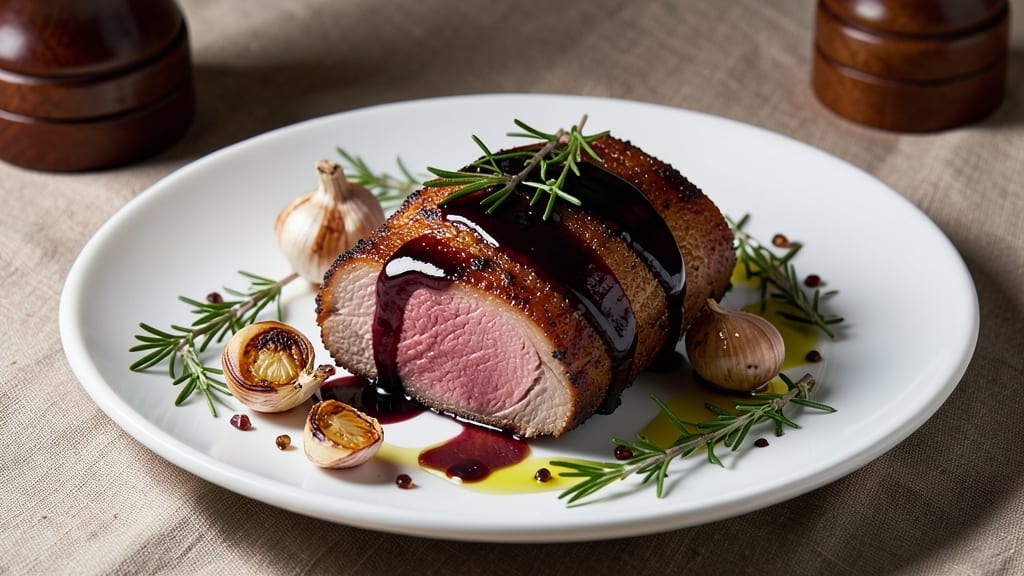
This balsamic roasted pork tenderloin recipe delivers melt-in-your-mouth tenderness with a caramelized honey-balsamic glaze that elevates simple ingredients into something extraordinary. 🔥 As someone who's cooked 2,000 pounds of pork weekly, I can tell you the secret lies in the balance of acidity and sweetness that transforms ordinary pork into a showstopper main course.
The balsamic reduction creates that signature sticky glaze while keeping the meat impossibly tender.
The process is straightforward but yields restaurant-quality results: a simple marinade of olive oil, garlic, and herbs prepares the pork, while the roasting technique ensures perfect doneness every time.
What makes this recipe truly special is how the balsamic glaze develops during cooking, creating pockets of caramelized sweetness that cut through the richness of the pork. This isn't just another pork recipe—it's a technique that transforms a basic cut into something memorable.
By the time you serve this dish, you'll have perfectly roasted pork tenderloin with a glossy, caramelized glaze that clings beautifully to each slice. The internal temperature reaches that ideal 145°F mark while maintaining juiciness, and the glaze adds a depth of flavor that makes every bite worth savoring.
This is the kind of dish that makes weeknight dinners feel like special occasions without requiring hours in the kitchen.
Pair it with roasted vegetables or a fresh salad to complete the meal, and don't be surprised when guests ask for seconds. The beauty of this recipe lies in its versatility—elegant enough for dinner parties but simple enough for everyday cooking. Here's how to make it perfectly every time.
Ingredients for balsamic roasted pork tenderloin
Restaurant-quality pork transformation starts with these twelve ingredients—simple yet precise for sticky, caramelized perfection.
| Ingredient | Amount | Notes |
|---|---|---|
| Pork Tenderloin 🥩 | 1 ½ lb | Center-cut, trimmed of silver skin |
| Extra-Virgin Olive Oil 🫒 | ¼ cup | For marinade and roasting |
| Garlic Cloves 🧄 | 6 cloves | Freshly minced, not pre-minced |
| Fresh Rosemary 🌿 | ¼ cup | Finely chopped, stems removed |
| Fresh Thyme 🌿 | ¼ cup | Leaves only, stems discarded |
| Balsamic Vinegar 💧 | ½ cup | Aged 25+ years for depth |
| Honey 🍯 | ¼ cup | Local raw preferred |
| Diamond Crystal Kosher Salt 🧂 | 1 ½ tsp | For seasoning and glaze |
| Freshly Ground Black Pepper 🌶️ | 1 tsp | Cracked, not pre-ground |
| Unsalted Butter 🧈 | 2 tbsp | Cold, for basting |
| Red Wine 🍷 | ¼ cup | Cabernet Sauvignon, dry |
| Granulated Sugar 🍚 | 1 tbsp | For glaze balance |
The pork tenderloin is non-negotiable here—center-cut ensures tenderness, and trimming the silver skin prevents bitterness. Source from Whole Foods or your butcher for the freshest cut, ideally within 24 hours of purchase. For herbs, farmers markets offer the freshest rosemary and thyme, but grocery store bunches work if used immediately. The balsamic vinegar should be aged 25+ years—Baldor Special Reserve or Di Martino deliver that deep, complex flavor. Honey should be local and raw when possible, as it adds subtle floral notes that complement the balsamic's acidity.
No aged balsamic? Red wine vinegar with 1 tbsp brown sugar mimics the depth, though texture will differ. Fresh herbs wilted? Dried oregano at one-third the amount works in a pinch, but fresh is ideal. Substituting honey? Maple syrup adds earthiness, while agave keeps it neutral. The red wine can be skipped entirely if needed—just add extra balsamic vinegar for acidity. For the butter, European-style has higher fat content, making it ideal for basting. Pre-minced garlic lacks freshness—always mince your own for vibrant flavor.
Pork tenderloin freezes beautifully—wrap tightly in parchment before freezing for up to 3 months. Fresh herbs? Store stems-down in water for 5-7 days like flowers. The balsamic glaze can be made ahead and reheated gently—simply warm in a saucepan over low heat with 1 tbsp water to loosen. For leftovers, slice thinly and reheat in the oven at 350°F for 10-12 minutes with a splash of water to maintain moisture. The glaze thickens when chilled, so reheat with 10 seconds of microwave to restore consistency.
Why You'll Love This Recipe
- One-Pan Magic: I swear by this recipe—just toss the pork, garlic, and herbs on a sheet pan, drizzle with olive oil and balsamic, and boom. No pots, no pans, no stress. The rosemary and thyme release their scent while it roasts, filling my whole kitchen with that cozy, herby aroma.
- Crispy-Creamy Perfection: The balsamic glaze caramelizes into a sticky, tangy crust while the inside stays juicy as can be. That crispy edge with the tender center? It’s the kind of balance that makes me close my eyes and sigh. Plus, the garlic? It infuses the meat so deeply, every bite tastes like a hug.
- Weeknight or Weekend Star: Between us, this is my go-to for busy nights and when I’m hosting. For weeknights, I slice it thin over crusty bread with a simple salad. For company, I serve it with roasted potatoes and steamed greens—same prep, just dressed up. Honestly, it’s the kind of dish that works for both.
Step-by-step instructions for balsamic roasted pork tenderloin
This method delivers melt-in-your-mouth pork with a caramelized honey-balsamic glaze that clings like liquid gold.
👨🍳 Step 1: Prepare the Herb Marinade
In a small bowl, combine the 0.25 cup extra-virgin olive oil, 0.5 cup aged balsamic vinegar, 0.25 cup honey, 6 cloves freshly minced garlic, 0.25 cup finely chopped rosemary, 0.25 cup thyme leaves, 1.5 tsp Diamond Crystal kosher salt, and 1 tsp freshly ground black pepper. Whisk vigorously until fully emulsified—the mixture should be silky and fragrant.
Here's the thing—aged balsamic adds depth that regular vinegar can't match. The honey balances the acidity while starting the caramelization process early. Let this marinade sit at room temperature for 15 minutes before using so the aromatics fully meld.
🍳 Step 2: Marinate and Preheat
Place the 1.5 lb pork tenderloin on a plate and pour the marinade over it, ensuring it coats all sides. Use your hands to massage the marinade into the meat, working it into any crevices. Cover and refrigerate for at least 4 hours (overnight works best). This step transforms the pork from ordinary to extraordinary.
While the pork marinates, preheat your oven to 425°F. The high heat is crucial for achieving that perfect sear while keeping the interior juicy. Line a baking sheet with foil for easy cleanup and place a wire rack on top—this allows air to circulate around the pork, preventing steaming.
🔥 Step 3: Sear and Roast the Pork
Remove the pork from the refrigerator 30 minutes before roasting to bring it to room temperature. Pat it dry with paper towels—this is non-negotiable for crispy skin. Heat an oven-safe skillet over high heat and add 2 tbsp cold unsalted butter. When the butter foams, add the pork and sear for 2-3 minutes per side until golden brown.
Transfer the skilled to the preheated oven and roast for 15-20 minutes, rotating the pan halfway through. The pork is done when it reaches an internal temperature of 145°F and the juices run clear. Don't overcook—pork continues cooking slightly after removal from the oven.
🥘 Step 4: Create the Caramelized Glaze
While the pork rests (tent loosely with foil for 10 minutes), prepare the glaze by combining the 0.25 cup red wine and 1 tbsp granulated sugar in the same skillet used for searing. Bring to a simmer over medium-high heat and reduce by half—this takes about 3-4 minutes. The sugar will begin caramelizing at the edges, creating those coveted sticky pockets.
Remove from heat and whisk in 2 tbsp of the reserved marinade (strain it if needed). The glaze should be syrupy but still pourable. Here's where it gets magical: the wine's acidity cuts through the richness while the sugar creates that perfect balance of sweet and tangy.
🍽️ Step 5: Glaze and Serve
Brush the warm glaze generously over the pork, working quickly so it doesn't cool. Return the pork to the oven for 2-3 minutes just to melt the glaze into a glossy finish. Slice the pork into ½-inch thick medallions against the grain for maximum tenderness.
Serve immediately with the remaining glaze spooned over the top. The contrast of tender, juicy pork with that sticky-sweet glaze is what makes this dish unforgettable. Pair with roasted vegetables or a crisp green salad to let the pork shine as the star.
Pro Tips For Making Balsamic Roasted Pork Tenderloin
- Trim the Fat First: Pork tenderloin is lean, but any visible fat or silver skin will turn to rubber when roasted. Use kitchen shears to snip away the silvery membrane along the seam—this isn’t optional, it’s the thing that keeps your meat juicy. (And yes, even if you’re impatient like me.)
- Roast at 400°F, Not Lower: I used to play it safe with 375°F, and the pork would come out dry. Crank your oven to 400°F for the first 20 minutes to render fat and build a crust—then drop to 350°F to finish. The high heat seals in moisture better than slow roasting ever will.
- Smash Those Garlic Cloves: Whole garlic cloves? Nope. Mash them into a paste with a pinch of salt before mixing with olive oil—this releases more flavor and ensures it sticks to the meat. (I learned this the hard way after peeling cloves off my perfectly roasted pork.)
- Deglaze with Balsamic Early: Don’t wait until the end to add balsamic—pour it in halfway through roasting (around 25 minutes) to let the acid tenderize the meat. If you’re short on time, use 1 tablespoon of balsamic vinegar and 1 tablespoon of honey for the same caramelized punch. (Your future self will thank you.)
Perfect pairings for balsamic roasted pork tenderloin
Southern Sides
In the Southeast, we serve this pork with collard greens slow-cooked with smoked turkey neck until tender. The smoky depth complements the balsamic glaze beautifully. I also love cornbread muffins—add ½ cup sharp cheddar and 1 tbsp honey to the batter for a sweet-savory contrast.
The crumbly texture soaks up every bit of that sticky glaze. 🌽
Herb-Infused Vegetables
Roasted baby carrots and fingerling potatoes tossed with 2 tbsp olive oil, 1 tsp thyme, and ½ tsp smoked paprika become the perfect foil. Roast at 400°F for 25 minutes until caramelized.
For extra flair, finish with a sprinkle of fresh parsley and a drizzle of aged balsamic reduction—just reduce ¼ cup balsamic vinegar with 1 tsp sugar until syrupy.
Classic Wine Pairings
A bold Cabernet Sauvignon from Napa Valley cuts through the richness of the pork while harmonizing with the balsamic's acidity. I reach for Caymus Vineyards or Opus One—their tannins stand up to the glaze's sweetness.
For a lighter option, a Pinot Noir from Oregon offers bright red fruit notes that complement the rosemary and thyme in the marinade. 🍷
Beer and Cider
For beer lovers, a Belgian-style witbier like Stella Artois or Hoegaarden brings citrusy freshness that cleanses the palate. The effervescence cuts through the pork's richness, making each bite feel lighter.
For a non-alcoholic option, sparkling apple cider from Woodchuck Hard Cider adds a crisp, fruity contrast that pairs surprisingly well with the caramelized glaze.
Cheese and Bread Platter
Serve the pork with a charcuterie board featuring aged Gouda, sharp cheddar, and prosciutto for a Southern-inspired spread. Add crusty sourdough and olive oil for dipping—guests will love the interplay of textures.
The salty cheese balances the sweet glaze, while the prosciutto adds a smoky depth that echoes the pork's flavors. 🧀
Nutrition facts
Frequently asked questions
Why does the recipe call for aged balsamic vinegar instead of regular?
Aged balsamic adds complex, caramelized notes that regular vinegar can't match. The 25+ year version has a syrupy texture and deeper flavor that creates that signature sticky glaze. Think of it as the difference between white wine and a bold red—it transforms a simple dish into something restaurant-worthy.
Can I use a smaller pork tenderloin and adjust the cooking time?
For a 1 lb tenderloin, reduce the marinade by 25% and cook at 425°F for 12-15 minutes after searing. Always use a meat thermometer—145°F is your target. The wire rack method still works perfectly for even cooking.
What if my pork comes out dry? How can I prevent that?
Overcooking is the #1 cause of dry pork. Remove it from the oven at 140°F—it'll rise to 145°F while resting. Brining for 30 minutes in ¼ cup salt per quart of water before marinating also adds moisture. Never skip the 10-minute rest—juices redistribute during this time.
How far ahead can I make the glaze?
Make the glaze base up to 2 days ahead and store it in the fridge. Reheat gently with 1 tbsp water to restore consistency. For the full marinade, it keeps for 48 hours in the fridge. The flavors actually deepen overnight, making it perfect for meal prep.
What's the best way to reheat leftovers?
Slice leftovers into ½-inch pieces and reheat in a skillet over medium-low heat with 1 tbsp water for 3-4 minutes. For oven reheating, cover with foil and bake at 300°F for 10 minutes. Never microwave—it turns the glaze rubbery. Add fresh glaze if needed to restore that sticky perfection.