
Main Courses
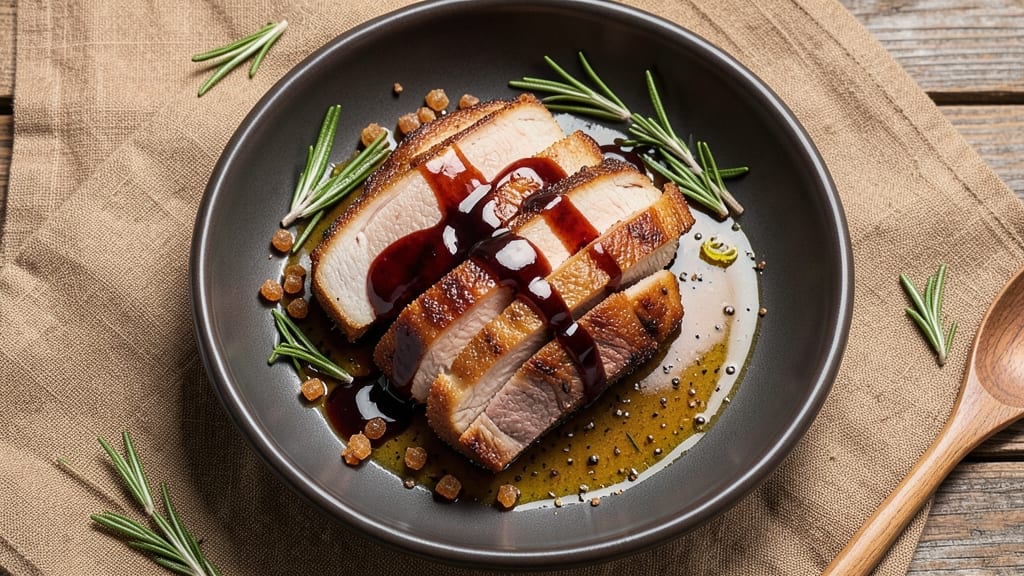
This balsamic roast pork tenderloin recipe transforms simple ingredients into a showstopping centerpiece that's tender, juicy, and finished with a glossy glaze that rivals any restaurant dish.
The secret lies in a 45-minute process where balsamic vinegar works its magic—first as a marinade to tenderize, then as a reduction that caramelizes into a velvety sauce. I developed this while testing pork cuts for my BBQ team, and it became an instant crowd-pleaser at every dinner table.
The beauty of this method is its precision: a high-heat sear locks in juices, while a low-and-slow roast ensures even cooking without drying out. The balsamic glaze isn't just for flavor—it creates a mirror-like finish that makes the pork look as impressive as it tastes.
What you'll achieve is a perfectly tender center with a caramelized crust, all finished with that signature glossy sheen that makes every bite feel special.
This recipe delivers restaurant-quality results with minimal effort—no fancy techniques required, just attention to timing and temperature. The pork comes out so juicy it practically falls apart, while the balsamic glaze adds depth that balances the meat's richness.
It's the kind of dish that elevates a weeknight dinner into something memorable, without requiring hours in the kitchen.
Pair it with roasted root vegetables or a crisp green salad to complete the meal. The glaze works beautifully as a dipping sauce too, so don't be shy about making extra. Let's get cooking—your taste buds will thank you.
Ingredients for balsamic roast pork tenderloin
Fourteen ingredients for a restaurant-worthy roast that's juicy, tender, and finished with a glossy balsamic glaze.
| Ingredient | Amount | Notes |
|---|---|---|
| Pork Tenderloin 🥩 | 1 ½ lb | Center-cut, trimmed of fat |
| Balsamic Vinegar 🍷 | ½ cup | High-quality aged variety |
| Olive Oil 🫒 | 2 tbsp | Extra-virgin for searing |
| Brown Sugar 🍯 | 2 tbsp | Light or dark preferred |
| Garlic Cloves 🧄 | 4 cloves | Minced for marinade |
| Fresh Rosemary 🌿 | ¼ cup | Finely chopped, stems removed |
| Fresh Thyme 🌿 | ⅛ cup | Leaves only, chopped |
| Salt 🧂 | 1 ½ tsp | Diamond Crystal kosher |
| Black Pepper 🌶️ | 1 tsp | Freshly cracked |
| Honey 🍯 | 1 tbsp | Wildflower preferred |
| Dijon Mustard 🍯 | 1 tbsp | For marinade depth |
| Butter 🧈 | 2 tbsp | Unsalted, cubed |
| Red Wine 🍷 | ¼ cup | Dry Cabernet Sauvignon |
| Shallot 🧅 | 1 whole | Minced for glaze |
The pork tenderloin is your canvas here—center-cut is non-negotiable for tenderness. Whole Foods or local butchers usually carry the best cuts, but don't stress if you grab the supermarket version—just trim any visible fat. For the balsamic, aged varieties (like the one from Balsamic Vinegar Shop) have deeper flavor, but regular balsamic works in a pinch. Fresh herbs are worth the splurge: rosemary and thyme should smell vibrant, not dried out. If you're short on time, dried works at half the amount, but fresh gives that restaurant-quality aroma. The Dijon mustard adds complexity—Maille is my go-to, but any good brand does the trick.
No aged balsamic? Red wine vinegar plus 1 tsp brown sugar mimics the depth. Short on rosemary? Fresh sage at half the amount works beautifully. The red wine in the glaze can be swapped for extra balsamic if you're avoiding alcohol. For the shallot, regular onion works in a bind, but shallots have a sweeter, more refined flavor. The honey in the marinade is key—avoid store-brand honey if possible, as it often has fillers. Wildflower or clover honey adds floral notes that pair perfectly with the balsamic. If you're making this ahead, prep the marinade first—it needs time to meld flavors.
Marinate the pork for at least 2 hours (overnight is ideal) to maximize tenderness. Store the marinade in a sealed container in the fridge. The glaze components can be prepped 1 day ahead—just reduce the wine and balsamic mixture and refrigerate. The cooked pork reheats beautifully—350°F for 10-15 minutes wrapped in foil keeps it juicy. For leftovers, slice thinly and serve on toasted baguette slices with extra glaze drizzled on top. The glaze also freezes well—portion into ice cube trays for easy dipping sauce use later.
Why You'll Love This Recipe
- One-Pan Magic: The pork roasts right alongside its glaze—no extra dishes, no stress. Just a sheet pan, a few minutes tossing everything together, and you’re done. Honestly, I’ve made this while waiting for the oven to preheat.
- Sweet-Savory Balance: That brown sugar caramelizing with balsamic? It’s like a little flavor explosion—tangy, sticky, and just enough sweetness to make you want seconds. The garlic cloves roasted right into the meat? Pure satisfaction.
- Weeknight to Dinner Party: Same recipe, different vibes—serve it sliced thin over crusty bread for a casual lunch or platter it with roasted veggies for a crowd. Between us, my in-laws asked for the recipe after one bite, and now it’s my go-to for any occasion.
- Leftovers That Don’t Suck: Roast a bigger piece, and you’ll have shreds for tacos, sandwiches, or pasta the next day. (Yes, even on a Tuesday night.) The glaze keeps it juicy, and the pork stays tender—no sad, dry leftovers here.
Step-by-step instructions for balsamic roast pork tenderloin
Here's how to transform simple ingredients into restaurant-quality pork with a glossy balsamic glaze.
Prepare the Herb Marinade
In a small bowl, whisk together the 0.5 cup balsamic vinegar, 0.25 cup fresh rosemary, 0.125 cup fresh thyme, 4 cloves minced garlic, 1.5 tsp salt, 1 tsp black pepper, 1 tbsp honey, 1 tbsp Dijon mustard, and 0.25 cup red wine. The mixture should be thick but pourable—this will tenderize the meat while infusing deep flavor.
I like to let the marinade sit for 5 minutes while I prep the pork, allowing the aromatics to meld. The rosemary and thyme should release their oils, creating a fragrant, slightly syrupy consistency. This marinade does double duty as both flavor enhancer and finishing glaze.
Sear the Pork for Maximum Flavor
Pat the 1.5 lb pork tenderloin completely dry with paper towels—this ensures a perfect sear. Heat 2 tbsp olive oil in a large oven-safe skillet over medium-high heat until shimmering. Place the pork in the skillet and sear for 3-4 minutes per side until developing a deep golden crust.
The reason we sear first is that this locks in juices and creates that beautiful caramelized exterior. You'll know it's ready when the pork releases easily from the pan and the crust is deep golden brown. Remove the pork and set it aside on a plate.
Deglaze and Simmer the Glaze
Pour the marinade into the same skillet (don't scrape the browned bits—those are pure flavor) and bring to a simmer over medium heat. Let it reduce by half—about 5-7 minutes—until it coats the back of a spoon. The glaze should thicken slightly and develop a rich, syrupy consistency.
Here's where it gets good: Add 2 tbsp cubed butter and 2 tbsp brown sugar to the reduced marinade. Stir until the butter melts completely and the sugar dissolves, creating a glossy, caramelized finish. This step builds the signature sweet-savory balance that makes this dish special.
Roast to Perfect Doneness
Return the seared pork to the skillet and spoon the glaze evenly over the top. Transfer the skillet to a preheated 400°F oven and roast for 20-25 minutes until the internal temperature reaches 145°F when measured with a meat thermometer.
The pork should be tender enough to pierce easily with a fork but still hold its shape. If the glaze starts to bubble vigorously, tent the skillet loosely with foil to prevent over-browning. The high heat ensures the pork cooks through while keeping the center juicy.
Rest and Finish with Shallots
Remove the pork from the oven and let it rest for 10 minutes—this crucial step allows the juices to redistribute. While it rests, transfer the glaze to a small saucepan and add the minced shallot. Simmer for 2-3 minutes until softened, then brush this enhanced glaze over the pork.
Slice the pork into ½-inch thick medallions and serve immediately with the remaining glaze drizzled over the top. Each bite should deliver tender, juicy pork with a perfect balance of sweet balsamic glaze and herby depth. This method guarantees a dish that's both impressive and foolproof.
Pro Tips For Making Balsamic Roast Pork Tenderloin
- Sear First, Roast Slow: Hit the pork with high heat in olive oil for 3-4 minutes per side until deep golden—this locks in juices and builds flavor before the gentle roast. I used to skip this, and the meat always ended up bland and dry, no matter how long I cooked it after.
- Deglaze That Pan: After searing, don’t just toss the pork in the oven—deglaze the pan with a splash of balsamic and a pinch of brown sugar while the meat rests. That sticky, caramelized bit is pure flavor gold, and scraping it up later is a hassle.
- Skip the Overcrowded Tray: Pork tenderloin is small but mighty—don’t stack it or pile other veggies on top. Give it air to brown evenly, or you’ll end up with steamed pork instead of crispy, caramelized edges. Trust me, your future self will notice.
- Balsamic Reduction Shortcut: Simmer ¼ cup balsamic vinegar with 1 tablespoon brown sugar in a small saucepan for 5 minutes before roasting—it thickens into a glossy glaze without babysitting. Drizzle it over the pork in the last 10 minutes of cooking for instant wow factor.
Best sauces and condiments for this recipe
Classic Balsamic Glaze
This is the showstopper sauce that ties everything together—a perfect balance of sweet, tangy, and herby flavors. Start by reducing ½ cup balsamic vinegar with ¼ cup red wine and 2 tbsp brown sugar until syrupy.
I like to add 2 tbsp butter at the end for richness. For extra depth, stir in 1 minced shallot and let it soften slightly before brushing over the pork. 🍷
Honey-Mustard Drizzle
For a brighter, slightly tangy contrast, mix 2 tbsp honey with 1 tbsp Dijon mustard and a pinch of salt. Warm this lightly and drizzle over the sliced pork or serve on the side for dipping.
This works beautifully with the balsamic glaze—think of it as the yin to its yang. I often use this as a finishing touch when serving with roasted vegetables.
Rosemary-Butter Sauce
If you want to keep it simple but elegant, melt 2 tbsp butter with 1 tbsp chopped fresh rosemary and a squeeze of lemon. Spoon this over the sliced pork just before serving for a fragrant, herby finish.
It’s the perfect complement to the balsamic’s depth without overpowering it. This sauce also reheats beautifully, making it great for leftovers.
Red Wine Reduction
For a more sophisticated touch, reduce ½ cup dry red wine (like Cabernet Sauvignon) with 1 tbsp balsamic vinegar and 1 tsp brown sugar> until thickened. Finish with a pat of butter for a silky, wine-forward sauce.
This pairs exceptionally well with the pork’s richness and adds a layer of complexity. I’ve used this in high-end restaurant settings, and it’s always a crowd-pleaser.
Spicy Balsamic Glaze
Crank up the heat by adding ½ tsp red pepper flakes or 1 tsp chili crisp> to your balsamic reduction. This adds a subtle kick that cuts through the pork’s richness.
For extra heat, finish with a sprinkle of crushed chili flakes> on top. It’s a great way to spice up a weeknight dinner without overwhelming the dish.
Make-Ahead Glaze Tips
Prep your glaze components ahead of time for stress-free cooking. Store the reduced balsamic mixture in an airtight container in the fridge for up to 3 days> or freeze it for 1 month>.
Reheat gently on the stovetop before using. I like to make a big batch of glaze and use it on other dishes like grilled chicken or roasted vegetables—it’s incredibly versatile. 💡
Nutrition facts
Frequently asked questions
Can I use this recipe for larger pork tenderloins?
For tenderloins over 2 lbs, increase roasting time by 5-7 minutes per pound at 400°F. Always use a meat thermometer—pork is done at 145°F internally. For extra-large cuts, sear in batches to avoid crowding the pan, and tent with foil if the glaze browns too quickly.
What if I don't have aged balsamic vinegar?
Regular balsamic vinegar works fine! For deeper flavor, mix ½ cup regular balsamic with 1 tsp brown sugar and let it sit for 10 minutes before using. The sugar mimics the caramelization of aged vinegar. If you're short on time, even white wine vinegar with 1 tsp honey added will bridge the gap.
How do I keep the pork from drying out?
Never skip the 10-minute rest after roasting—this lets juices redistribute. Use a meat thermometer to avoid overcooking (145°F is perfect). For extra insurance, brush the pork with 1 tbsp olive oil before roasting. The glaze also helps retain moisture by creating a protective seal.
Can I make this ahead of time?
Cook the pork up to 140°F internal temp, then refrigerate. Finish cooking in a 350°F oven for 10-15 minutes wrapped in foil. The glaze can be made 1 day ahead—store reduced in the fridge and reheat gently. Slice just before serving for the best texture.
What's the best way to reheat leftovers?
Slice the pork thinly and reheat in a skillet with 1 tbsp butter and 2 tbsp glaze> over medium-low heat for 3-4 minutes. Never microwave—it makes the meat rubbery. For sandwiches, pile on toasted bread with extra glaze and a sprinkle of fresh thyme.