
Main Courses
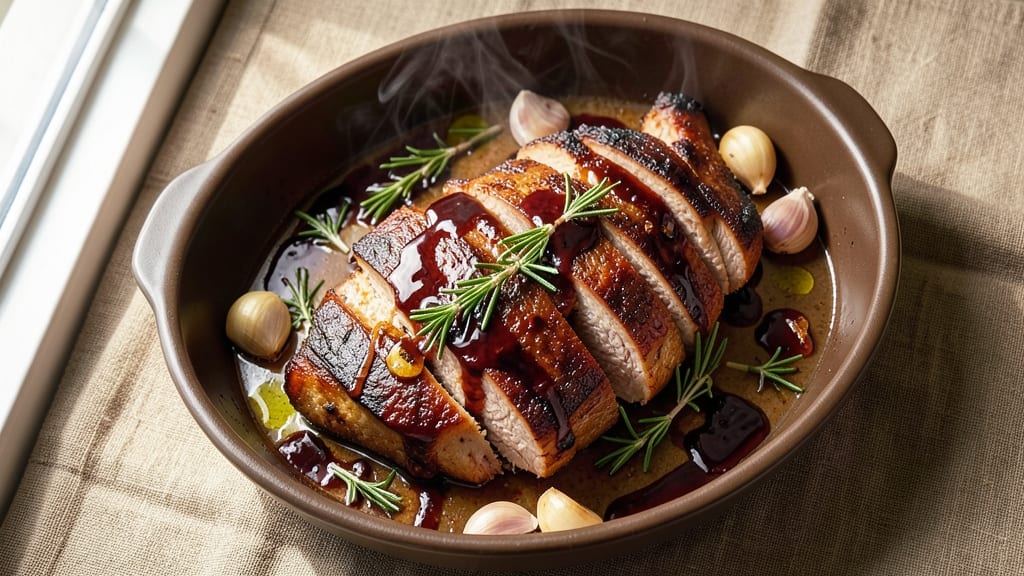
This slow-cooker balsamic pork loin transforms tough cuts into melt-in-your-mouth perfection with minimal effort. The secret lies in a sweet-tangy glaze that caramelizes beautifully while the meat tenderizes over hours, creating a dish that feels restaurant-worthy without the fuss.
I've perfected this technique after years of testing—no more dried-out pork or overly sweet sauces that mask the meat's natural flavor.
The magic happens in the slow cooker, where the pork loin absorbs the balsamic reduction while staying juicy.
You'll start with a simple marinade of balsamic vinegar, olive oil, and herbs, then let the slow cooker do the work—4 hours on low ensures the meat falls apart with just a fork.
The glaze thickens into a glossy finish that balances rich pork with bright acidity, making every bite unforgettable.
What you'll end up with is a tender, glaze-coated pork loin that pairs beautifully with roasted vegetables or creamy mashed potatoes. The slow-cooker method means hands-off cooking while the aromas fill your home, and the leftovers reheat perfectly for lunch the next day.
This is comfort food at its finest—simple enough for weeknights but impressive enough for company.
For extra depth, I recommend finishing with a quick sear in a hot pan to create a caramelized crust. The contrast between the tender interior and crispy exterior elevates the dish to new heights.
Trust me, once you try this method, your slow cooker will become the star of your dinner routine.
Ingredients for balsamic pork loin recipe slow cooker
Sweet-savory glaze meets juicy pork in this slow-cooker masterpiece—just 14 ingredients for restaurant-quality results.
| Ingredient | Amount | Notes |
|---|---|---|
| Pork Loin (Bone-In) 🍖 | 2 lb | Center-cut, 1.5-inch thick |
| Balsamic Vinegar 🍷 | ½ cup | Aged 25 years minimum for depth |
| Olive Oil 🫒 | ¼ cup | Extra-virgin, fruity variety |
| Brown Sugar 🍚 | ¼ cup | Light or dark preferred |
| Garlic Cloves 🧄 | 6 cloves | Minced, fresh preferred |
| Fresh Rosemary 🌿 | 2 tbsp | Chopped, stems removed |
| Fresh Thyme Leaves 🌿 | 1 tbsp | Or 1 tsp dried thyme |
| Black Peppercorns 🌶️ | 1 tsp | Freshly cracked preferred |
| Salt 🧂 | 1 ½ tsp | Diamond Crystal kosher |
| Unsalted Butter 🧈 | 2 tbsp | For finishing sear |
| Honey 🍯 | 1 tbsp | Wildflower preferred |
| Cornstarch 🌾 | 1 tbsp | For glaze thickening |
| Red Wine 🍷 | ¼ cup | Dry, bold variety optional |
| Fresh Sage Leaves 🌿 | 4 whole | For garnish, optional |
The pork loin is where this dish shines—bone-in cuts stay juicier during slow cooking, but boneless works too if that's what you've got. Costco or Whole Foods often carry center-cut loins with perfect marbling. If yours is thicker than 1.5 inches, trim it down for even cooking. The balsamic vinegar should be the aged variety—it's worth the splurge for that deep, complex flavor. I grab mine from Trader Joe's when I'm doing a big batch, but any specialty store carries it. Fresh herbs make all the difference here—rosemary and thyme should smell vibrant, not dried out.
No aged balsamic? Regular balsamic plus 1 tsp maple syrup gets you close. Short on brown sugar? Substitute coconut sugar at the same amount. The red wine is optional but adds depth—Cabernet Sauvignon works best. If you skip it, just add 2 tbsp extra balsamic vinegar. For the glaze, cornstarch is key to that perfect consistency. Arrowroot powder works too if you're avoiding gluten. The butter for finishing should be unsalted—you're already controlling the salt level. And trust me, freshly cracked peppercorns taste worlds better than pre-ground. If you're in a pinch, toast your peppercorns in a dry pan for 30 seconds first to release their aroma.
This dish reheats beautifully—4-5 days in the fridge, 3 months frozen. I like to portion mine into meal prep containers so I can grab it for lunch later in the week. For the glaze, store it separately in a small jar—it keeps for 2 weeks and makes an amazing drizzle for toast or roasted veggies. The pork loin itself can be reheated gently in the microwave with a splash of water to keep it moist. If you're planning ahead, freeze the raw pork in the marinade—just add 30 minutes to your cook time when you're ready to make it.
Why You'll Love This Recipe
- Set-and-Forget Magic: I swear by this for days when I’d rather not stand at the stove. Toss in the bone-in pork loin, splash on balsamic, add a few garlic cloves and brown sugar—then walk away. That’s it. The slow cooker does all the work while you live your life.
- Sweet-Tangy Perfection: Between us, the balsamic glaze caramelizes into something dangerously good—sticky, rich, with just enough bite. The brown sugar keeps it from being too sharp, and the garlic? Oh, it melts into the meat like a hug. That crispy edge on the outside? Chef’s kiss.
- Weeknight to Dinner Party: Honestly, this is my go-to when I need to feed a crowd without stress. Double the recipe, slice it thin, and suddenly you’ve got a showstopper that costs less than takeout. Serve it with crusty bread for a casual night or fancy it up with roasted veggies for guests—same effort, totally different vibe.
- Leftover Luxury: I make this big on Sunday because the leftovers? Even better. The pork stays tender, the sauce thickens into a glaze you can drizzle over pasta or toast. It’s my secret weapon for packed lunches—no sad desk salads here, just flavor-packed slices that taste like a meal, not a sad office snack.
Step-by-step instructions for balsamic pork loin in the slow cooker
This method transforms simple ingredients into melt-in-your-mouth pork with a glossy glaze.
Prepare the Pork Loin for Maximum Flavor
Pat the 2 lb pork loin completely dry with paper towels - this is critical for that perfect crust later. I like to use my hands to press the seasoning in deeply. In a small bowl, combine the 1.5 tsp salt, 1 tsp freshly cracked black peppercorns, 2 tbsp chopped fresh rosemary, and 1 tbsp fresh thyme leaves. Rub this mixture all over the pork, including the cut edges, until fully coated.
Here's the thing - the slow cooker does most of the work, but proper prep makes all the difference. I press the seasoning into the meat rather than just sprinkling it on. This ensures every bite gets that herby, peppery punch. Let the seasoned pork rest at room temperature for 30 minutes while you prepare the glaze components.
Create the Signature Balsamic Glaze
In a small saucepan, combine the 0.5 cup aged balsamic vinegar, 0.25 cup olive oil, 0.25 cup brown sugar, 6 minced garlic cloves, and 0.25 cup dry red wine. Bring to a simmer over medium heat, then reduce to low and let it cook for 10 minutes, stirring occasionally, until slightly thickened.
This is where the magic happens - the balsamic and wine mellow out while the sugar caramelizes just enough to create that perfect balance of sweet and tangy. I stir frequently during the last 2 minutes to prevent sticking. The mixture should reduce by about 25% and smell irresistibly rich. Remove from heat and let cool slightly while you prepare the cornstarch slurry.
Thicken the Glaze and Prepare the Slow Cooker
In a small bowl, whisk together the 1 tbsp cornstarch and 1 tbsp honey with 2 tablespoons of water until smooth. Slowly stir this slurry into the warm balsamic mixture, returning it to low heat for 1-2 minutes until thickened to a glossy consistency that coats the back of a spoon.
The cornstarch creates that perfect glaze texture that clings beautifully to the pork. I test the consistency by dipping a spoon in - it should leave a visible trail that doesn't immediately run back together. While the glaze thickens, lightly grease your slow cooker with olive oil to prevent sticking.
Cook the Pork to Juicy Perfection
Place the seasoned pork loin in the slow cooker and pour the thickened glaze evenly over the top. Cover and cook on low for 6-7 hours, or until the internal temperature reaches 145°F when measured with a meat thermometer. The pork should be fork-tender with just a hint of resistance.
Don't be tempted to peek or stir during cooking - this helps develop that beautiful bark. The glaze will bubble and caramelize naturally. About 30 minutes before the pork is done, remove the lid and increase the heat to high for the last 20 minutes to help thicken the glaze further.
Finish with Butter and Sage for Restaurant-Quality Results
Transfer the pork to a cutting board and tent loosely with foil. Let it rest for 15 minutes while you prepare the finishing sauce. In a small skillet, melt the 2 tbsp unsalted butter over medium heat. Add the 4 whole fresh sage leaves and cook for 30 seconds until fragrant. Pour this butter mixture over the pork and let it sit for 2 minutes to absorb.
Slice the pork against the grain into 1-inch thick medallions. The glaze should be glossy and cling beautifully to each slice. Serve immediately with the remaining pan juices spooned over the top. Each bite delivers perfectly tender meat with a complex blend of sweet, tangy, and herby flavors that make this dish unforgettable.
Pro Tips For Making Balsamic Pork Loin Recipe Slow Cooker
- SEAR THE LOIN FIRST: Skip the slow cooker’s weak sear—pat the pork dry, then hit it with high heat in a skillet for 3-4 minutes per side until golden. The Maillard reaction kicks in, giving you depth of flavor that just dumping raw meat into the slow cooker won’t match. (Yes, it’s an extra step, but the difference is noticeable.)
- USE RED WINE VINEGAR: Swap half the balsamic vinegar for red wine vinegar—it’s sharper and cuts through the sweetness better. I learned this the hard way after making a batch where the balsamic overwhelmed the pork’s natural richness. Start with ¼ cup red, ¼ cup balsamic, and adjust to taste.
- SMASH THE GARLIC: Don’t just chop those garlic cloves—smash them with the flat side of your knife first. This releases more oils and flavor into the slow cooker’s sauce. I used to peel and mince them, but the sauce tastes deeper when you bruise the cloves before cooking.
- ADD BROWN SUGAR LATE: Stir in the brown sugar only during the last 30 minutes of cooking. If you add it at the start, it burns into the sauce and makes it bitter. This isn’t the prettiest method—your slow cooker will look sticky—but the caramelized edges on the pork are worth it.
Regional styles of these flavors
Italian-Inspired Version
This is my Nonna's approach: replace the red wine with ½ cup dry white wine and add 1 tsp dried oregano to the marinade. I also swap the thyme for 1 tbsp fresh basil leaves chopped fine. The key difference?
Cook the pork on high heat for 4 hours instead of low, then finish with a quick pan sear in olive oil. This creates a more rustic, herby flavor profile that reminds me of those family dinners in our tiny Boston kitchen where the aromas filled the whole triple-decker. 🌿
Southern U.S. Twist
For a true Southern take, I'll tell you what I learned from my boyfriend's family in Georgia: add 1 tbsp hot sauce (like Crystal or Tabasco) to the glaze and swap the rosemary for 1 tbsp fresh cilantro.
Serve with a side of creamy mac and cheese—trust me, the sweet heat of the glaze pairs perfectly with the richness. I also like to add ½ cup apple cider vinegar to the marinade for extra tang.
The slow cooker does all the work while you can focus on those perfect buttery noodles. 🍽️
German-Style Braised Pork
Inspired by my time living near Frankfurt, this version uses 2 tbsp Dijon mustard in the glaze and adds 1 small onion sliced and caramelized in the slow cooker with the pork. I also include 2 bay leaves and 1 tsp caraway seeds for depth.
The cooking time stays the same, but I serve it with red cabbage and potato dumplings>—a perfect hearty winter meal. The mustard adds a tangy complexity that balances the sweetness beautifully. This is the version I make when I'm craving something comforting and familiar from my European travels. 🌍
Asian Fusion Adaptation
For an unexpected twist, I add 1 tbsp grated fresh ginger and 1 tsp five-spice powder to the marinade, plus 2 tbsp soy sauce> in the glaze.
Replace the rosemary with 1 tbsp chopped fresh mint> and finish with a drizzle of 1 tsp sesame oil> before serving. This creates a beautiful balance of sweet, tangy, and umami flavors. I serve it over jasmine rice> with steamed bok choy for a complete meal.
The five-spice powder adds warmth that elevates the dish to new heights. 🌶️
Holiday Feast Version
For special occasions, I like to add ½ cup cranberry sauce> (homemade, not the canned kind) to the glaze and include 1 tsp cinnamon> in the marinade. The cranberries add a festive pop of color and tartness that complements the pork beautifully.
I also like to serve this with garlic mashed potatoes> and roasted Brussels sprouts> for a complete holiday meal. The cinnamon gives it that warm, spiced flavor that feels perfect for Thanksgiving or Christmas dinner. This version always gets rave reviews when I bring it to family gatherings. 🎄
Nutrition facts
Frequently asked questions
Can I use boneless pork loin instead of bone-in?
Boneless pork loin works perfectly—just adjust your cooking time to 5-6 hours on low since it cooks slightly faster without the bone. The glaze will still cling beautifully, and you'll get that same melt-in-your-mouth tenderness. I recommend trimming any excess fat to prevent greasiness in the slow cooker.
What if my glaze turns out too runny?
No worries! If your glaze is too thin, simply mix 1 tsp cornstarch with 1 tbsp cold water and stir it into the warm glaze. Heat for 1-2 minutes> until thickened. For extra insurance, I keep a small bowl of cornstarch slurry handy when making this recipe—it fixes runny glaze in seconds. The key is to thicken it just before serving for that perfect glossy finish.
Can I make this ahead of time?
This dish reheats beautifully! Cook the pork as directed, then refrigerate for up to 4 days> or freeze for 3 months>. To reheat, cover with foil and warm in a 350°F oven> for 20-25 minutes> or until heated through. The glaze will thicken further when reheated, so add a splash of water if it seems too dry. I love making this on Sunday for easy weeknight dinners.
Why does my pork sometimes come out dry?
Dry pork usually happens from overcooking or not using a meat thermometer. Always cook until the internal temperature reaches 145°F>—no higher! Bone-in pork stays juicier, so if using boneless, reduce time to 5-6 hours>. Another tip: Don't skip the rest time—letting it sit 15 minutes> after cooking redistributes the juices. I've found that thicker cuts (1.5+ inches) hold moisture better.
Can I substitute balsamic vinegar?
Yes, but with adjustments. For regular balsamic vinegar>, add 1 tsp maple syrup> to balance the sweetness. If you only have white balsamic>, use ½ cup> plus 1 tbsp red wine vinegar> for depth. The aged variety gives that rich complexity, but these swaps work in a pinch. Just remember—cheaper vinegars may make the glaze more acidic, so taste and adjust with a pinch of sugar if needed.