
Main Courses
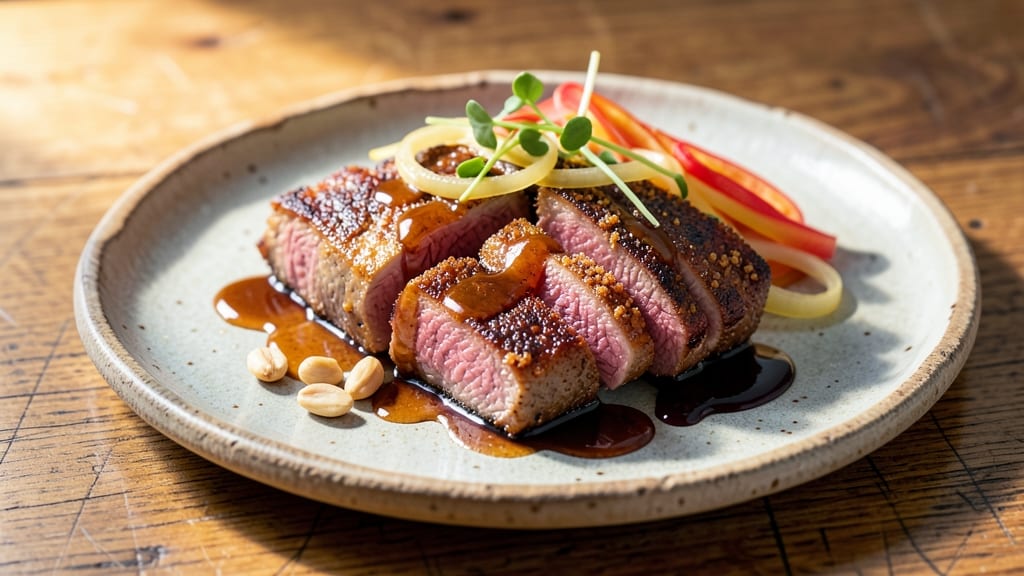
This baked pork blade steak recipe delivers restaurant-quality results with minimal effort—crispy bark, juicy pink centers, and all the smoky-sweet flavors you crave. 🔥 After years of perfecting pork cuts at Atlanta's The Smoky Pig, I've simplified the process without sacrificing depth.
The secret lies in high-heat baking that creates that coveted crust while keeping the interior tender enough to cut with a fork.
What sets this recipe apart is the balance of technique and simplicity. You'll use just five key ingredients—no fancy marinades or complicated prep—just quality pork, salt, pepper, and a touch of brown sugar for caramelization.
The blade steak's natural fat distribution ensures melt-in-your-mouth tenderness, while the high oven temperature (500°F) creates that prized crispy exterior in under 20 minutes.
The result? A steak with perfectly charred edges and pink centers that practically melt on the tongue, all achieved in one pan for easy cleanup.
This is the kind of pork cut that transforms weeknight dinners into special occasions—juicy enough to satisfy even the most critical BBQ enthusiasts while being simple enough for a weeknight. The bark alone will have your guests asking for seconds.
Serve with classic Southern sides like collard greens or cornbread to complete the meal. The steak's rich flavor pairs beautifully with tangy vinegar-based sauces or a simple sprinkle of flaky salt. Let's get cooking—this is pork done right.
Ingredients for baked pork blade steak
Five ingredients, one pan, restaurant-quality pork blade steak with crispy bark and juicy pink centers.
| Ingredient | Amount | Notes |
|---|---|---|
| Pork Blade Steak 🐖 | 1 ½ lb | Bone-in, center-cut preferred |
| Kosher Salt 🧂 | 1 ½ tbsp | Diamond Crystal preferred |
| Freshly Ground Black Pepper 🌶️ | 1 tbsp | Cracked peppercorns preferred |
| Light Brown Sugar 🍚 | 1 tbsp | Packed lightly for caramelization |
| Extra-Virgin Olive Oil 🫒 | 1 tbsp | High smoke point for searing |
| Yellow Onion 🧅 | 1 whole | Sliced thin for garnish |
| Fresh Rosemary 🌿 | 2 sprigs | For aroma, stems removed |
| Garlic Cloves 🧄 | 2 cloves | Minced for garnish |
The pork blade steak is the star—look for a cut with good fat marbling and even thickness. Local butchers often have the best quality, but Costco's pre-trimmed blade steak works perfectly for this. If you can't find bone-in, bone-out is fine, but the bone adds flavor. The Kosher Diamond Crystal salt is key here—it dissolves perfectly for that crispy crust. Freshly cracked peppercorns add depth, but pre-ground works in a pinch. I always grab a fresh bunch of rosemary from Trader Joe's—it's cheaper and more fragrant than the grocery store stuff.
No brown sugar? Maple syrup at half the amount works beautifully for caramelization. Swapping olive oil for avocado oil gives a higher smoke point if you're searing at ultra-high heat. Fresh rosemary wilted? Dried rosemary at one-third the amount gets you close. The onions and garlic are purely for garnish—skip them if you're in a rush, but they add that restaurant touch. For extra smokiness, add 1/2 tsp smoked paprika to the salt mix before seasoning. The blade steak's natural fat ensures juiciness, but if yours looks lean, pat it dry with paper towels before seasoning—this helps the crust form better.
This steak reheats beautifully—just warm in a 350°F oven for 10 minutes with a splash of water to keep it moist. Leftovers keep for 3 days in the fridge, wrapped tightly in foil. For longer storage, freeze for up to 3 months. I like to slice it against the grain and serve with a sprinkle of flaky salt right before eating. The high-heat method means the steak stays juicy for 2-3 days if stored properly—perfect for meal prep.
Why You'll Love This Recipe
- Foolproof Timing: I swear by this—just 25 minutes in the oven, no hovering, no flipping. The blade steak stays juicy while the edges caramelize from that brown sugar and olive oil glaze. Honestly, I’ve burned a pork chop or two, but this? It’s hard to mess up.
- Sweet-Savory Magic: That brown sugar isn’t just for looks—it melts into a sticky, slightly crisp crust that balances the pork’s richness. A pinch of salt and pepper? No fancy seasoning needed. It’s the kind of flavor that makes you reach for seconds without even thinking.
- Weeknight Workhorse: Between us, this is my go-to when I’m too tired to grill. It’s hearty enough for a family dinner but simple enough for a solo night in. (Yes, even on a Tuesday night.) And the leftovers? Slice them thin for sandwiches the next day—game over.
- Budget-Friendly Luxury: Pork blade steak is cheaper than ribeye but tastes like you splurged. The ingredients? Five things you already own. No specialty stores, no markup—just pure, satisfying meat that doesn’t break the bank. My wallet thanks me every time.
Step-by-step instructions for baked pork blade steak
Here's how to nail that perfect crispy bark with juicy pink centers—no fancy equipment needed.
🔥 Step 1: Prep and Season the Pork Blade Steak
Pat the 1.5 lb pork blade steak completely dry with paper towels—this is non-negotiable for crispy bark. I press down hard on both sides, especially around the edges where moisture tends to linger. Wet skin equals steam, not sear.
In a small bowl, mix together the 1.5 tbsp kosher salt, 1 tbsp freshly ground black pepper, and 1 tbsp light brown sugar. The sugar helps caramelize the exterior while the salt and pepper penetrate the meat. Rub this mixture all over the steak, pressing firmly so it adheres. Let it sit at room temperature for 30 minutes—this ensures even cooking and better seasoning penetration.
🍳 Step 2: Sear the Steak for Maximum Flavor
Heat a heavy oven-safe skillet (cast iron works best) over medium-high heat until it's smoking hot. Add the 1 tbsp extra-virgin olive oil and swirl to coat the pan. Place the steak in the skillet and sear for 3-4 minutes per side, pressing down gently with a spatula during the first minute—this prevents curling and ensures even contact with the pan.
You'll know it's ready to flip when the edges start to turn golden brown and the steak releases easily from the pan. Remove the steak and let it rest on a plate for 2 minutes while you prep the aromatics. The residual heat will keep it warm, and this brief rest prevents juices from spilling out when you slice later.
🥘 Step 3: Build the Aromatic Base
In the same skillet (no need to clean it—those browned bits are flavor gold), add the 1 whole yellow onion sliced thin and the 2 cloves garlic cloves minced. Cook for 3-4 minutes until the onions soften and turn translucent. Add the 2 sprigs fresh rosemary (stems removed) and cook for another 30 seconds until fragrant.
Here's the thing—this step layers depth. The onions and garlic caramelize slightly, creating a sweet, savory foundation that complements the steak's richness. If the onions start to brown too quickly, reduce the heat to medium to avoid burning. The rosemary adds a piney aroma that pairs perfectly with pork.
🔥 Step 4: Bake to Juicy Perfection
Return the seared steak to the skillet, spooning the onion and garlic mixture over the top. Transfer the skillet to a 425°F preheated oven and bake for 20-25 minutes, depending on your oven. The steak is done when an instant-read thermometer inserted into the thickest part reads 145°F—this ensures it stays juicy with a perfect pink center.
Watch for the edges to develop a deep golden-brown crust, almost like a caramelized glaze. If the top isn't browning enough, broil for 1-2 minutes at the end, keeping a close eye to avoid burning. The sugar in your seasoning mix will create a beautiful bark while keeping the interior tender.
⏰ Step 5: Rest and Slice for Maximum Juiciness
Remove the steak from the oven and let it rest on a cutting board for 10 minutes. This is where the magic happens—juices redistribute throughout the meat instead of pooling and running out when you slice. Real talk: Skipping this step means dry, disappointing pork. Trust the process.
Slice the steak against the grain into ½-inch thick pieces. The grain runs horizontally across the blade, so cutting perpendicular gives you tender bites. Serve immediately with the pan juices spooned over the top—those onions and garlic have infused the drippings with incredible flavor. Pair with roasted potatoes or a fresh salad to balance the richness.
Pro Tips For Making Baked Pork Blade Steak
- Pat the steak dry: Blade steak loves a good crust, and that starts with moisture control. Grab paper towels and really dry the surface—no wet spots—before searing or baking. I used to skip this, and my sugar coating would just steam off instead of caramelizing.
- Salt before sugar: Season the steak with kosher salt first, then add the brown sugar. The salt draws out moisture, helping the sugar stick and melt into a sticky, flavorful crust. I learned this after watching my sugar slide right off when I rushed the order.
- Use a meat thermometer: Blade steak’s texture changes fast—pull it at 135°F (medium-rare) for perfect tenderness. Guessing leads to overcooked, chewy results. I burned through three steaks before buying one, and now I never second-guess the temp.
- Baste with rendered fat: After searing, tilt the pan and spoon the browned pork fat over the steak while baking. The fat bastes it into juicy perfection. Sure, it’s extra effort, but it’s the difference between good and great—and it’s easier than you think.
Flavor customization for this baked pork blade steak
Sweet and Smoky
For a deeper caramelized flavor, increase the brown sugar to 2 tbsp and add ½ tsp smoked paprika to the salt mix. This creates a sweet-savory bark that rivals competition-style BBQ.
I often finish with a sprinkle of flaky Maldon salt right before serving—it adds a delicate crunch that contrasts beautifully with the sticky glaze. 🔥
Herb-Infused Variations
Swap rosemary for 2 sprigs fresh thyme and 1 sprig fresh sage for a Mediterranean twist. The thyme adds earthiness while the sage provides a subtle piney aroma.
For a Southern-inspired version, add ½ tsp ground coriander and ¼ tsp cayenne to the seasoning—this gives a subtle heat that pairs perfectly with the pork's richness.
Citrus Brightener
Zest the steak with 1 tbsp lemon zest before baking, then finish with a squeeze of fresh lemon juice after slicing. The acidity cuts through the fat beautifully, brightening each bite.
I love this variation for summer meals—it feels fresh without overpowering the pork's natural flavor. A sprinkle of coarse sea salt after zesting adds texture contrast. 🍋
Spicy Kick
For heat lovers, add 1 tbsp gochujang or 1 tsp chili flakes to the seasoning mix. The gochujang adds fermented depth while chili flakes provide immediate heat. I recommend using Korean gochujang for its complex umami profile.
Serve with a cooling side like cucumber salad to balance the spice. This version is a crowd-pleaser at my farm BBQs.
Garlic Bomb
Double the garlic to 4 cloves and add 1 tsp garlic powder to the seasoning. The extra garlic creates an aromatic crust that's irresistible. I minced the garlic extra fine for maximum surface area.
For an extra boost, add 1 tbsp minced shallot to the pan with the onions—it adds a subtle sweetness that complements the pork perfectly. 🧄
Cheesy Crust Option
For a decadent finish, sprinkle ¼ cup shredded Gruyère or Pecorino Romano over the steak during the last 5 minutes of baking. The cheese melts into a golden crust that adds umami depth.
I recommend using aged Gruyère for its nutty flavor. This version feels indulgent but still maintains the steak's juiciness when done right.
Nutrition facts
Frequently asked questions
Why does the recipe call for a bone-in blade steak?
The bone-in cut stays juicier longer because the bone acts as a natural insulator, helping retain moisture. It also adds depth of flavor as it roasts. If you can't find bone-in, use bone-out but expect slightly faster cooking. The blade steak's natural fat distribution ensures tenderness regardless.
Can I cook this in an air fryer instead of oven?
Yes! Preheat air fryer to 400°F, spray steak lightly with oil, and cook for 12-15 minutes flipping halfway. Add 1 tbsp water to the basket for steam. The bark won't be as crispy as oven-baked, but it'll be tender and flavorful. Best for smaller cuts under 1 lb.
What if my steak comes out dry?
Overcooking is the #1 cause. Use a meat thermometer—145°F internal temp is perfect for juicy pink centers. If yours is dry, try 1 tbsp apple cider vinegar in the pan during baking to add moisture. Also ensure your steak wasn't too lean (look for visible fat marbling).
How do I make this recipe gluten-free?
All ingredients are naturally gluten-free, but check your brown sugar for additives. Use certified GF olive oil and ensure rosemary isn't processed in shared facilities. For extra flavor, add ½ tsp onion powder to the seasoning. The crust will still form beautifully without gluten-containing ingredients.
What sides pair best with this dish?
Classic Southern sides work perfectly: creamy mac and cheese, roasted sweet potatoes, or collard greens. For lighter options, try a crisp arugula salad with lemon vinaigrette. The steak's richness pairs especially well with tangy elements like pickled onions or a simple tomato-basil sauce.