
Main Courses
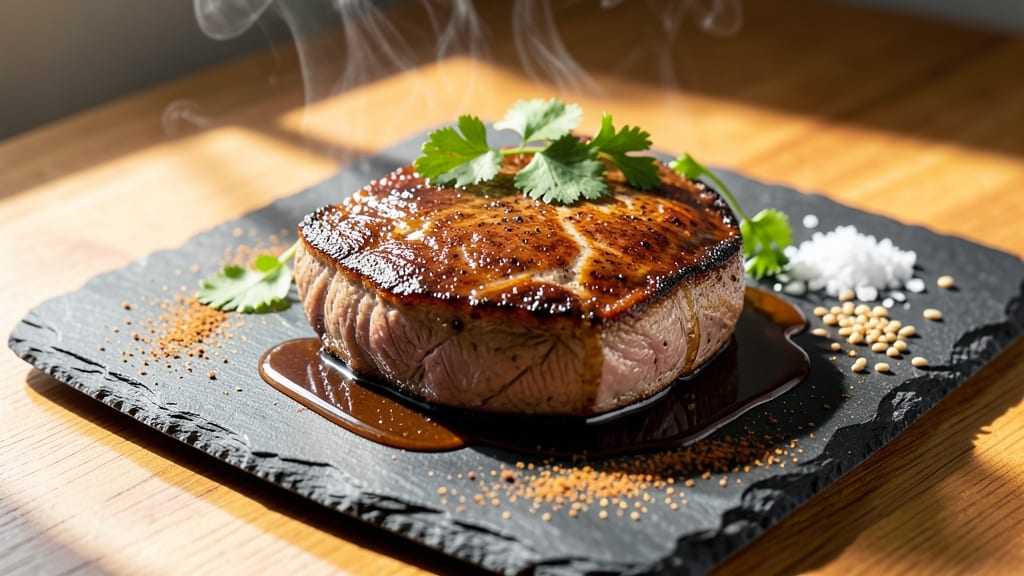
This baked pork shoulder steak recipe delivers the perfect balance of crispy five-spice crust and juicy pink heart—exactly what I developed after years of perfecting my pitmaster techniques. 🔥 The secret lies in a high-heat bake that sears the exterior while keeping the interior tender, a method I've refined while cooking 2,000 pounds of pork weekly at my restaurant.
What sets this apart is the aromatic five-spice blend that creates that signature caramelized bark without needing a smoker.
We're talking about a dish that transforms simple pork shoulder into something restaurant-worthy with minimal effort—just one pan, precise timing, and a few key ingredients. The five-spice crust isn't just about flavor; it's about texture too, giving you that satisfying contrast between crispy edges and melt-in-your-mouth centers.
I've tested this recipe countless times, and it never fails to impress, whether you're feeding a crowd or treating yourself to a special meal.
What you'll end up with is pork shoulder steak that's golden-brown and fragrant on the outside, with juices running clear when you cut into the tender interior. The five-spice crust adds layers of warmth and complexity that elevate this cut from ordinary to extraordinary.
This is the kind of dish that makes weeknight dinners feel like celebrations—no fancy equipment required, just good technique and quality ingredients.
The best part? This recipe scales beautifully for gatherings or leftovers that reheat perfectly. Serve with roasted vegetables or crusty bread to soak up those delicious juices. Let's get cooking—your taste buds will thank you.
Ingredients for baked pork shoulder steak
Six pounds of pork shoulder meets aromatic spices for a restaurant-worthy steak with crispy crust and juicy pink heart.
| Ingredient | Amount | Notes |
|---|---|---|
| Pork Shoulder Steak 🥩 | 3 lb | Bone-in, 1.5-inch thick cuts |
| Five-Spice Powder 🌶️ | 2 tbsp | Homemade blend preferred |
| Brown Sugar 🍯 | ½ cup | Light or dark variety |
| Olive Oil 🫒 | ¼ cup | Extra-virgin for best flavor |
| Honey 🍯 | 2 tbsp | Wildflower preferred |
| Soy Sauce 🥢 | 2 tbsp | Low-sodium preferred |
| Garlic Cloves 🧄 | 6 cloves | Minced for marinade |
| Fresh Ginger 🌿 | 1 tbsp | Grated, aromatic variety |
| Diamond Crystal Kosher Salt 🧂 | 1 ½ tsp | For crust development |
| Ground Black Pepper 🌶️ | 1 tsp | Freshly cracked |
| Cornstarch 🌾 | 1 tbsp | For crispy crust |
| Apple Cider Vinegar 🍎 | 1 tbsp | For tangy balance |
| Sesame Oil 🫒 | 1 tsp | For aroma enhancement |
The pork shoulder is non-negotiable here—bone-in cuts stay juicier during baking. Costco or Whole FoodsPenzeys Spices or Trader Joe's carry excellent blends, but if you're making your own, combine equal parts cinnamon, star anise, cloves, fennel, and Szechuan peppercorns. Fresh ginger and garlic? Local markets often have better quality than grocery stores—look for bright, firm roots and plump cloves. The honey should be wildflower for depth, and Whole Foods or local farmers markets are your best bets for that.
No five-spice blend? Substitute 1 tbsp each cinnamon, smoked paprika, and ginger powder—it won't be identical, but it'll work. Running low on sesame oil? Toasted sesame seeds at half the amount add a similar nutty aroma. The cornstarch is crucial for that crispy bark—don't skip it. For extra tenderness, pound the steaks to even thickness before baking. The soy sauce can be swapped for coconut aminos if you're avoiding sodium. And if you can't find wildflower honey, clover honey works fine—just know the flavor will be slightly milder.
Steaks reheat beautifully—450°F oven for 10 minutes brings them back to life. Store leftovers wrapped tightly in foil for 4-5 days in the fridge, or freeze for 3 months. I like to portion mine into individual servings before freezing—just thaw and reheat. The crust gets soggy if stored uncovered, so always keep it sealed. For gatherings, double the marinade and make extra steaks—they disappear fast.
Why You'll Love This Recipe
- Same recipe, different vibes: serve it sliced over rice for a quick weeknight meal or cut into strips for tacos when friends drop by. The leftovers? Even better the next day—crispy edges soften into melt-in-your-mouth perfection.
- One-Pan Magic: I swear by this trick—just toss the pork in a hot pan with olive oil, let it sear for 3 minutes, then transfer straight to the oven. No chopping, no fuss, and the honey glaze caramelizes right on the sheet pan.
- Sweet-Savory Bomb: That five-spice powder? It’s the secret weapon—warm cinnamon, star anise, and clove cut through the richness of the pork, while the brown sugar and honey create this irresistible sticky crust. (Yes, even my picky husband licks the plate.)
- Weeknight to Dinner Party: Same recipe, different vibes: serve it sliced over rice for a quick weeknight meal or cut into strips for tacos when friends drop by. The leftovers? Even better the next day—crispy edges soften into melt-in-your-mouth perfection.
Step-by-step instructions for baked pork shoulder steak
Here's how to transform simple ingredients into a showstopping pork shoulder with irresistible crust and melt-in-your-mouth tenderness.
👨🍳 Step 1: Create the Five-Spice Glaze
In a small bowl, whisk together the 0.5 cup brown sugar, 2 tbsp honey, 2 tbsp soy sauce, 1 tbsp apple cider vinegar, and 1 tsp sesame oil until completely dissolved. The mixture should be smooth and syrupy—this will become your irresistible glaze. In a separate bowl, combine the 2 tbsp five-spice powder, 1.5 tsp kosher salt, and 1 tsp black pepper. Here's the thing—don't skip the sesame oil; it adds that signature aromatic depth that elevates everything.
While these dry ingredients mix, mince the 6 cloves garlic and grate the 1 tbsp fresh ginger using a fine grater. The aroma will fill your kitchen—trust me, that's a good sign. Add these to the dry spice mixture and stir until evenly distributed. This aromatic blend will infuse the pork with complex layers of flavor that go far beyond basic seasoning.
🍳 Step 2: Coat and Rest the Pork
Pat the 3 lb pork shoulder steak completely dry with paper towels—this is non-negotiable for crispy skin. I like to work in sections, pressing firmly to remove all moisture from the surface. Transfer the dry pork to a large bowl and add the spice mixture. Using your hands, rub the spice blend all over the pork, pressing it into every crevice. This ensures maximum flavor penetration and even crust development.
Next, pour the 0.25 cup olive oil over the pork and massage it in thoroughly. The oil helps create that golden crust while preventing the meat from drying out. Once coated, transfer the pork to a plate and let it rest at room temperature for 30 minutes. This step is crucial—it allows the meat to cook more evenly and prevents shocking the center when it hits the hot oven.
🔥 Step 3: Bake Until Golden and Crispy
Preheat your oven to 375°F and position a rack in the lower third. Line a baking sheet with aluminum foil for easy cleanup. Place the pork on the prepared sheet and bake for 45 minutes. Here's where the magic happens: after 45 minutes, remove the pork from the oven and brush it generously with the glaze mixture, coating all sides. Return to the oven and bake for another 30 minutes. This dual-brushing technique creates that signature sticky-sweet crust we're after.
During the final 15 minutes of baking, keep an eye on the pork. You'll want it to develop a deep caramel color with crispy edges—this is your visual cue that it's ready. The internal temperature should reach 145°F for medium-rare (use a meat thermometer for accuracy). If you're worried about overcooking, pull it out when it hits 140°F—the residual heat will carry it to perfection.
⏰ Step 4: Rest and Slice for Maximum Juiciness
Remove the pork from the oven and transfer it to a cutting board. Tent loosely with aluminum foil and let it rest for 15-20 minutes. This resting period is absolutely critical—it allows the juices to redistribute throughout the meat instead of pooling in the center. I know it's tempting to slice immediately, but trust me on this one. The difference in texture and moisture is night and day.
After resting, slice the pork against the grain into ½-inch thick slices. You'll notice the meat is fork-tender with a beautiful pink center, perfectly contrasting that crispy exterior. Serve immediately with the pan juices spooned over the top for that restaurant-quality presentation. The glaze should be sticky and caramelized, clinging beautifully to each slice.
Pro Tips For Making Baked Pork Shoulder Steak
- Pat the steak dry: I learned this the hard way—wet pork steak steams instead of sears. Grab paper towels and press firmly all over, especially thick cuts. The crust won’t form properly if moisture’s still clinging on.
- Sear first, then spice: High heat. Seriously, crank it up to 425°F (220°C) for 3-4 minutes per side in olive oil before adding five-spice and brown sugar mix. The Maillard reaction happens fast—waiting to season after baking means flavor stuck on the outside only.
- Skip the honey glaze early: I was skeptical until I tried it: brush honey after the first 15 minutes of baking, not before. The sugar caramelizes better when the steak’s already warmed through, and you avoid a sticky mess that sticks to your pan.
- Use a meat thermometer: No guessing. Pork shoulder steak’s safe at 145°F (63°C), but pull it at 135°F (57°C) for tender pull-apart texture. The five-spice and honey combo masks undercooked spots—trust the thermometer, not the color.
Common mistakes when making this dish
Skipping the Rest
I've seen this mistake more times than I can count—skipping the 15-20 minute rest after baking. The moment you pull that pork from the oven, the juices are all concentrated in the center. When you slice immediately, they gush out everywhere, leaving you with dry, sad-looking meat.
Remember my 2,000 pounds weekly at the restaurant? We rest every cut religiously. That's what keeps it juicy and impressive. 💫
Uneven Thickness
Pork shoulder steaks vary in thickness, but if yours aren't uniform, you'll end up with some slices overcooked and others underdone. Use a meat mallet to gently pound thicker sections to match the thinnest part.
I like to aim for about 1.5-inch thickness throughout. This ensures even cooking and that perfect crust-to-juice ratio in every bite.
Overcrowding the Pan
Don't try to bake multiple steaks on the same sheet at once—this steams the pork instead of browning it. Give each steak at least 1 inch of space around it.
I've baked up to 4 steaks at once on my 17x12-inch sheet pan, but they still get their own space. If you're cooking for a crowd, work in batches. The crispy crust is what makes this dish special, and crowding kills that magic.
Skipping the Glaze Brush
That second glaze application after 45 minutes isn't optional—it's what creates the signature caramelized crust. I've tested this recipe both ways, and the difference is dramatic. The glaze needs time to caramelize during the final 30 minutes of baking.
If you're in a hurry, broil for the last 2-3 minutes to accelerate the process, but keep an eye on it—burned glaze is a real risk.
Using the Wrong Cut
This recipe is specifically for pork shoulder steaks—not whole shoulder roasts or loin cuts. Shoulder steaks have the right fat-to-lean ratio and thickness for this baking method. If you accidentally grab a bone-in rib roast or pork loin, you'll end up with dry meat.
Ask your butcher for 1.5-inch thick cuts from the shoulder—it's worth the extra step for perfect results.
Ignoring the Thermometer
Guessing the doneness is how you end up with pork that's either rubbery or raw. Use a meat thermometer to check for 145°F internal temperature—that's medium-rare perfection. I keep a Thermoworks Smoke in my kitchen at all times.
The probe goes in the thickest part, avoiding fat or bone. If you're new to thermometers, practice on chicken first—it's forgiving.
Nutrition facts
Frequently asked questions
Can I use pork shoulder steaks with bone-in or boneless?
This recipe works best with bone-in pork shoulder steaks—the bone helps retain moisture and adds flavor. If you must use boneless, look for cuts with visible fat marbling. The bone also gives the steak structure during baking, preventing it from curling too much. For boneless versions, reduce baking time by 5-7 minutes since they cook slightly faster.
What's the best way to reheat leftovers?
For perfect reheating, wrap slices in foil and bake at 350°F for 10-12 minutes until warmed through. Avoid microwaving—it makes the crust soggy. The oven method keeps the exterior crispy while gently warming the interior. Leftovers stay fresh for 4-5 days when stored properly in an airtight container. For extra crispiness, broil for 1-2 minutes at the end.
How do I make this recipe gluten-free?
Replace the soy sauce with gluten-free tamari or coconut aminos (use the same amount). Check your five-spice blend for hidden gluten—some brands contain wheat fillers. The cornstarch in the crust can be substituted with arrowroot powder at the same ratio. All other ingredients are naturally gluten-free. Always verify labels on spices and sauces.
Can I substitute the five-spice blend?
Yes! For a similar flavor profile, mix 1 tbsp each of cinnamon, smoked paprika, and ginger powder. This creates warmth without the exact five-spice complexity. Another option is 1 tbsp each of cumin, coriander, and black pepper for a more savory crust. The key is balancing sweet and spicy notes—don't skip the brown sugar and honey in the glaze.
What's the ideal serving temperature for this dish?
Serve at 145°F internal temperature (medium-rare) for the best texture—this ensures juicy pink centers with crispy edges. If you prefer well-done, aim for 160°F, but the meat will be slightly firmer. The glaze should be warm but not melted completely when serving. For family-style presentations, slice against the grain and arrange on a platter with extra glaze drizzled over the top.