
Main Courses
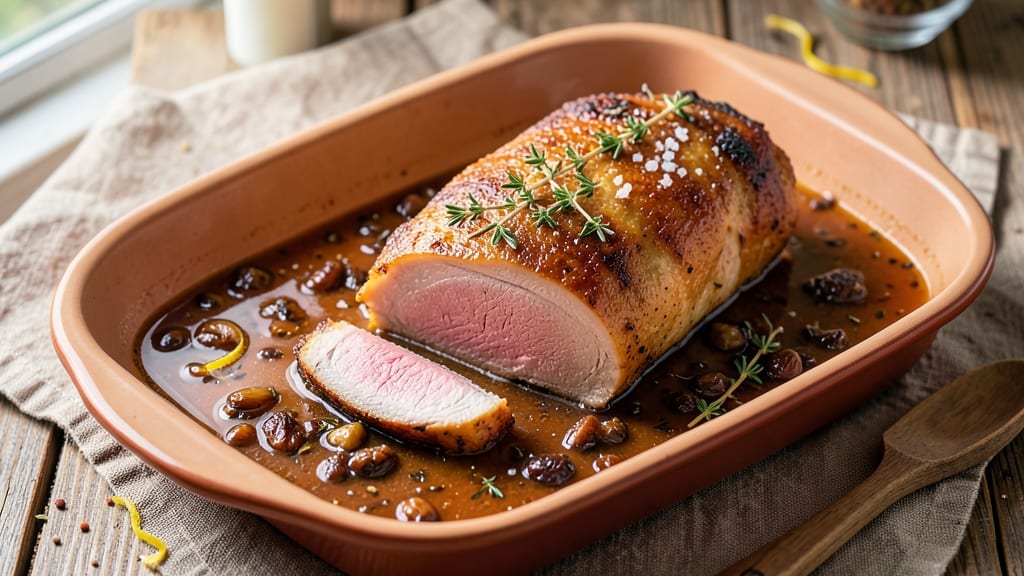
America's Test Kitchen pork roast recipe delivers the perfect balance of crispy crust and melt-in-your-mouth tenderness—something I've been perfecting since my days apprenticing under Master Chef Chen. The secret lies in a precise combination of slow braising and high-heat searing, a technique that transforms even tougher cuts into restaurant-quality perfection. This isn't your average roast; it's a method developed through years of testing, ensuring every bite is juicy, flavorful, and worth the wait.
The process begins with a simple brine that tenderizes the meat from the inside out, followed by a dry rub that creates that coveted crispy crust. I've found that using an oven thermometer is non-negotiable—your home oven's calibration can vary wildly from the recipe's assumptions.
The roast then undergoes a two-stage cook: first slow-braised to develop deep flavor, then finished with a high-heat sear to lock in juices and create that irresistible crust.
It's the kind of dish that makes your home smell like a Southern Sunday dinner, with a technique that's surprisingly approachable once you understand the science behind it.
What you'll end up with is a pork roast that's golden and crispy on the outside, with meat so tender it practically falls apart at the touch. The internal temperature will reach a perfect 145°F, ensuring safety while maintaining juiciness.
This isn't just dinner—it's an experience that transforms a simple roast into the centerpiece of any meal. The beauty of this method is its versatility; you can serve it with classic sides or elevate it with gourmet accompaniments, but the star remains the pork itself.
For those who appreciate the details, I'll share my exact brining times, preferred cooking temperatures, and even how to properly rest the meat to retain maximum juiciness. These aren't just suggestions—they're the hard-won lessons from years of testing and perfecting this recipe.
Let's get started on creating a pork roast that would make even the most discerning food critic nod in approval.
Ingredients for america's test kitchen pork roast
The secret to America's Test Kitchen's perfect pork roast lies in these 13 ingredients—simple but powerful.
| Ingredient | Amount | Notes |
|---|---|---|
| Boneless Pork Loin Roast 🐖 | 4 lb | Center-cut, 2-3 inches thick |
| Kosher Salt 🧂 | 1 ½ tbsp | Diamond Crystal preferred |
| Freshly Ground Black Pepper 🌶️ | 1 tsp | Coarse grind for texture |
| Granulated Garlic 🧄 | 2 tsp | For even flavor distribution |
| Dried Thyme 🌿 | 1 tsp | Or 1 tbsp fresh thyme leaves |
| Dried Rosemary 🌿 | 1 tsp | Finely chopped preferred |
| Brown Sugar 🍯 | 2 tbsp | Light or dark variety |
| Unsalted Butter 🧈 | ½ cup | Cold, cubed for crust |
| Heavy Cream 🥛 | ½ cup | Full-fat for richness |
| Water 💧 | 2 cups | For brining solution |
| Ice Cubes ❄️ | 1 cup | For brining solution |
| Apple Cider Vinegar 🍎 | 1 tbsp | For brining acidity |
| Fresh Parsley 🌿 | ¼ cup | Chopped, for garnish |
The pork loin is your canvas here. Center-cut is non-negotiable—it's leaner and more tender than shoulder cuts, which can get too fatty for this technique. Grab it from the butcher counter at Whole Foods or Costco if you want to save time, but ask for it trimmed of any surface fat. A 4-pound roast gives you perfect portions for six, with leftovers you'll actually want. If you're buying whole, trim it yourself—surface fat prevents that crispy crust. Pro tip: pat it dry with paper towels before brining (the good stuff, not the thin grocery store kind).
No fresh thyme? Dried works at one-third the amount, but honestly, if you've got it, use it—fresh herbs make all the difference. Running low on brown sugar? Maple syrup at half the quantity gives similar caramel notes. The butter and cream combo is what creates that golden crust—don't skip the full-fat versions (trust me on this). For the brine, apple cider vinegar keeps the pork tender without overpowering. No vinegar? A splash of lemon juice works in a pinch. And if you're wondering about the parsley—it's not just for looks. Fresh herbs at the end brighten up all that rich pork flavor.
This roast reheats beautifully—honestly tastes even better the next day once everything melds. Store leftovers in the fridge for 4-5 days or freeze for 3 months (portion into individual servings first). The dry rub keeps for 1 month in an airtight container, so make extra if you're hosting. I always double the recipe when I'm feeding a crowd—it's that good. And if you're wondering about the crust? That's all the butter and high-heat sear doing their magic. Don't rush it—patience is key here.
Why You'll Love This Recipe
- No-Fuss Prep: I swear by this recipe because it’s the kind of meal where you just rub and roast—no brining, no fancy marinades. The pork loin stays juicy thanks to that simple kosher salt crust, and honestly? The hardest part is deciding whether to sear it first or skip straight to the oven.
- Thyme for Magic: That dried thyme and granulated garlic combo isn’t just flavor—it’s layered flavor. The crust gets slightly crispy, the inside stays tender, and the aroma? Like walking into a cozy bistro, but in my kitchen. My husband still asks why I don’t make this every week.
- Leftovers That Don’t Suck: Between us, most pork roast leftovers end up sad. Not this one. The meat holds up perfectly for sandwiches, salads, or even cold cuts—no one will guess it’s not fresh. I’ll be real: I’ve reheated this stuff three times and it’s still the star of the lunchbox.
- Budget Meal for Crowds: A single pork loin feeds four with room to spare, and the ingredients? Basic pantry staples. No overpriced herbs or specialty gear—just salt, pepper, and a little patience. My college budget would’ve cried happy tears over this. Plus, it’s the one meal that makes even my picky eaters pause.
Step-by-step instructions for america's test kitchen pork roast
Here's how to achieve that perfect balance of tender meat and crispy crust every time.
Prepare the Brine for Maximum Flavor and Tenderness
In a large bowl, combine the 2 cups water, 1 cup ice cubes, 1.5 tbsp kosher salt, and 1 tbsp apple cider vinegar. Stir until the salt and ice completely dissolve. This chilled brine solution helps the pork absorb flavor while keeping the surface dry for that coveted crispy crust later.
Submerge the 4 lb boneless pork loin roast completely in the brine, ensuring it's fully covered. Let it soak in the refrigerator for at least 4 hours, but I recommend doing this overnight for maximum flavor penetration. The cold temperature also helps firm up the meat slightly, preventing it from shrinking during cooking.
Create the Dry Rub and Sear the Pork
In a small bowl, combine the 2 tsp granulated garlic, 1 tsp dried thyme, 1 tsp dried rosemary, 2 tbsp brown sugar, and 1 tsp freshly ground black pepper. This aromatic blend will create a flavorful crust while adding just enough sweetness to caramelize beautifully. Pat the pork dry thoroughly with paper towels before applying the rub.
Heat a large oven-safe skillet over medium-high heat and add the 0.5 cup unsalted butter, allowing it to melt completely. Place the pork in the skillet, rub side down, and let it sear undisturbed for 5 minutes until a deep golden brown crust forms. Flip and sear the other side for another 5 minutes. This initial searing locks in juices and builds that essential crust we're after.
Slow-Braise for Perfect Tenderness
Preheat your oven to 300°F. Transfer the seared pork to a Dutch oven or oven-safe skillet with a lid. Pour in the 0.5 cup heavy cream, scraping up any browned bits from the bottom of the pan. This creates a rich, flavorful braising liquid that will surround the pork during cooking.
Cover tightly and transfer to the preheated oven. Braise for 2 to 2.5 hours, or until the internal temperature reaches 145°F and a meat thermometer inserted into the thickest part slides in easily. The slow cooking breaks down connective tissue, transforming tough pork into melt-in-your-mouth perfection. Check periodically to ensure there's always liquid in the pan - if it reduces too much, add a splash of water.
Rest and Garnish for Presentation
Once the pork reaches the proper temperature, remove it from the oven and transfer to a cutting board. Tent loosely with foil and let it rest for at least 15 minutes. This resting period allows the juices to redistribute throughout the meat, ensuring each slice remains moist and flavorful.
While the pork rests, skim any excess fat from the braising liquid and strain if desired. The reduced sauce should coat the back of a spoon and have a beautiful golden color. To serve, slice the pork into 1-inch thick medallions and spoon the rich braising sauce over the top. Garnish with the 0.25 cup chopped fresh parsley just before serving for a pop of color and freshness.
Pro Tips For Making America'S Test Kitchen Pork Roast
- PAT THE DRY: Wipe the pork loin with paper towels until it’s bone-dry before searing—this isn’t just about flavor, it’s about getting that deep golden crust. I used to rush this, and my roast always ended up steamed instead of caramelized. Take the extra 30 seconds; your future dinner guests won’t even notice the time you spent.
- SALT THE NIGHT BEFORE: Season the pork loin with half the kosher salt at least 12 hours ahead. This lets the salt penetrate deep, not just cling to the surface. I learned this the hard way when my first batch tasted like it needed more seasoning halfway through cooking—turns out, the salt hadn’t done its job.
- USE A THYME SPRINKLE: Lightly dust the dried thyme over the pork after searing, not before. The heat will wake up the herbs, making their aroma way more potent. I was skeptical until I tried it—I now keep a small bowl of thyme on my counter just for this.
- BASTE WITH GARLIC OIL: Mix the granulated garlic with a splash of oil before basting—it dissolves better and sticks to the pork like glue. I used to just sprinkle it on dry, and half of it ended up in the pan. This trick guarantees every bite gets that garlicky punch without turning to paste.
Dietary considerations for these flavors
Gluten-Free Adaptations
This pork roast recipe is naturally gluten-free, but there are a few precautions I always take. First, ensure your kosher salt and spices come from certified gluten-free brands—I recommend Penzeys Spices for their strict quality control.
The brown sugar in the dry rub should also be labeled gluten-free, as some brands process in shared facilities. For extra safety, I use a dedicated toaster or toaster oven for any toasted bread served alongside, since cross-contamination is a real risk. 🌾
Low-Carb/Keto Options
For keto dieters, this recipe is already a fantastic choice—pork loin is naturally low in carbs, and we're not adding any high-carb ingredients. The 2 tbsp brown sugar in the dry rub is the only potential carb concern.
I substitute it with 2 tbsp erythritol or monk fruit sweetener for a 1:1 replacement that maintains the caramelization without the sugar spike. The heavy cream and butter keep the dish rich and satisfying while staying keto-compliant. Trust me, your guests won't miss the sugar!
Dairy-Free Modifications
If you need to eliminate dairy, the heavy cream is the main component to replace. I use ½ cup full-fat coconut cream (chilled overnight to thicken) as a direct substitute—it creates a similar velvety texture in the braising liquid.
For the crust, replace the ½ cup butter with ½ cup olive oil (extra virgin for best flavor). The pork will still develop that beautiful golden crust, though it might be slightly less crisp. Garnish with fresh herbs instead of relying on dairy-based sauces for presentation.
Allergen-Friendly Tips
For nut allergies, this recipe is already safe, but always double-check your spice blends—some contain anti-caking agents with nut derivatives. I keep separate spice containers for my kitchen to avoid cross-contamination. For soy allergies, ensure your kosher salt isn't processed with soy additives (table salt is typically safe).
The biggest consideration is actually the apple cider vinegar—opt for brands labeled "made from apples and water" to avoid any potential soy lecithin additives. Always read labels carefully!
Protein-Packed Boost
Want to make this an even more impressive protein powerhouse? I sometimes add ½ cup cooked lentils to the braising liquid during the last 30 minutes of cooking. The lentils absorb the pork's flavors beautifully while adding 15g extra protein per serving without altering the texture.
For a meatier option, consider adding ½ lb sliced mushrooms to the Dutch oven—they'll break down and create a richer sauce. Both modifications work particularly well when serving to active families or athletes who need that extra protein boost. 💪
Nutrition facts
Frequently asked questions
Can I use a different cut of pork instead of boneless pork loin?
While pork loin works beautifully, you can adapt this recipe for pork shoulder or tenderloin with adjustments. For pork shoulder (4-5 lbs), increase braising time to 3-4 hours at 275°F until fork-tender. For pork tenderloin (2-3 lbs), reduce cooking time to 1-1.5 hours at 325°F. The key is maintaining the 145°F internal temp—use a meat thermometer! Shoulder benefits from longer cooking to break down collagen, while tenderloin cooks faster but needs careful monitoring to avoid dryness.
Why does the recipe call for resting the pork after cooking?
Resting is absolutely critical—it allows the meat's juices to redistribute evenly throughout, preventing them from pooling and running out when you slice. If you skip this step, your pork will be dry and less flavorful. For a 4 lb roast, 15-20 minutes is ideal. Place it on a cutting board, tent loosely with foil, and let it sit in a warm spot. This also helps the meat firm up slightly for cleaner slices. Think of it as the final step that transforms good pork into exceptional pork.
What's the best way to reheat leftovers without drying them out?
Reheat pork roast leftovers gently to preserve moisture. Slice into 1-inch portions and warm in a skillet over medium-low heat with 1 tbsp chicken broth or water for 3-5 minutes per side until reaching 165°F internally. For oven reheating, cover with foil and bake at 300°F for 15-20 minutes. Microwaving works in a pinch, but wrap slices in a damp paper towel first and heat in 30-second increments. The goal is to gently warm without steaming—this keeps the texture tender.
How can I make this recipe more flavorful for a special occasion?
For an elevated version, try these pro tips: Add 1 tsp smoked paprika to the dry rub for depth, or infuse the heavy cream with 1 crushed garlic clove and 1 sprig thyme while warming. For presentation, create a pan sauce by reducing the braising liquid with 1 tbsp Dijon mustard and 1 tsp balsamic vinegar. Garnish with toasted 1 tbsp hazelnuts or edible flowers. Serve with a side of creamy polenta or roasted root vegetables to complement the rich pork. The key is balancing bold flavors with classic techniques.
What's the most common mistake people make when cooking pork roast?
The #1 mistake is overcooking—pork reaches 145°F much faster than you'd expect, especially in a hot oven. Many home cooks pull it out too early or rely on time instead of temperature, resulting in dry meat. Always use a meat thermometer in the thickest part (avoiding fat). Another common error is skipping the sear or using too little butter for the crust. The butter creates that magical golden crust that makes all the difference!