
Main Courses
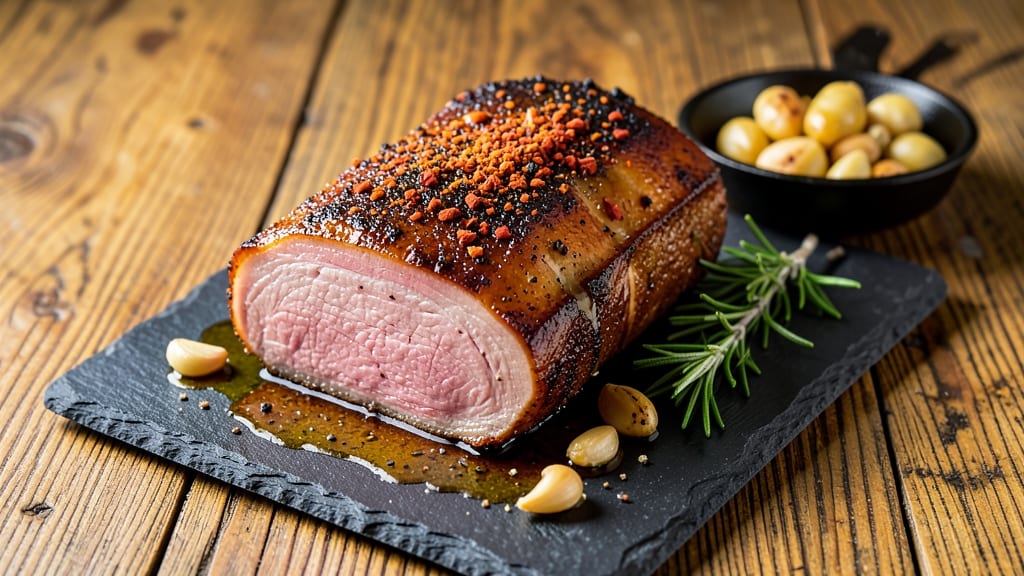
A 4-lb boneless pork loin roast deserves to be treated like the centerpiece it is—juicy, tender, and crowned with a crust that shatters at the first slice.
After years of perfecting this technique in my Atlanta kitchen, I’ve cracked the code for achieving that ideal balance between a golden exterior and a melt-in-your-mouth interior. The secret? A high-heat sear followed by precise temperature control, ensuring every bite delivers maximum flavor without drying out.
This recipe is designed for home cooks who want restaurant-quality results without the fuss. With just a handful of simple ingredients—a bold dry rub, a touch of olive oil, and a little patience—you’ll transform a basic pork loin into a showstopping main course.
The key is letting the meat rest properly after roasting, allowing the juices to redistribute for that juicy core every time. No fancy equipment needed, just a reliable thermometer and a steady hand.
What you’ll end up with is a perfectly cooked roast that’s tender enough to fall apart with a fork but still holds its shape on the plate. The crust is crisp and caramelized, while the inside remains moist and rich, with just a hint of smokiness from the seasoning.
This is the kind of pork roast that makes guests ask for seconds—and leaves you wondering why you ever bought pre-cooked versions.
Pair it with roasted root vegetables, a tangy apple sauce, or a simple green salad to round out the meal. The beauty of this recipe is its versatility—whether you’re hosting a dinner party or simply treating yourself to a Sunday supper, this pork loin will deliver.
Let’s get started on creating your perfect roast.
Ingredients for 4 lb boneless pork loin roast
The secret to a showstopping pork loin lies in these simple yet powerful ingredients—juicy meat, bold seasonings, and a touch of sweetness.
| Ingredient | Amount | Notes |
|---|---|---|
| Boneless Pork Loin Roast 🥓 | 4 lb | Center-cut for even cooking |
| Extra-Virgin Olive Oil 🫒 | 2 tbsp | High-quality, fruity variety |
| Kosher Salt 🧂 | 1 ½ tbsp | Diamond Crystal preferred |
| Freshly Ground Black Pepper 🌶️ | 1 ½ tsp | Coarse grind for texture |
| Garlic Powder 🧄 | 1 tbsp | Freshly ground preferred |
| Smoked Paprika 🌶️ | 1 tsp | For subtle smokiness |
| Onion Powder 🧅 | 1 tsp | Adds depth to crust |
| Fresh Rosemary 🌿 | ¼ cup | Finely chopped, stems removed |
| Fresh Thyme 🌿 | ¼ cup | Leaves only, no stems |
| Honey 🍯 | 1 tbsp | For glaze finish |
| Apple Cider Vinegar 🍎 | 1 tbsp | Balances sweetness |
| Unsalted Butter 🧈 | 2 tbsp | Cold, for basting |
The pork loin is everything here—center-cut is non-negotiable for even cooking. Butcher shops often have the best quality, but the grocery store's boneless roast works too (just check for even thickness). For the herbs, fresh is best—the difference in flavor is night and day. If you're short on time, dried rosemary and thyme work at half the amount, but trust me, fresh is worth the extra minute. The honey and vinegar glaze is what creates that caramelized crust that shatters with every slice—don't skip it, even if you're not a fan of sweet flavors (it balances perfectly).
No smoked paprika? Regular paprika plus a pinch of liquid smoke gets you close. Fresh herbs wilted? Dried at one-third the amount is better than nothing. The olive oil matters here—cheap oil tastes cheap, so splurge on the good stuff. For the butter, cold is key—take it straight from the fridge when basting. If you're short on time, you can skip the honey glaze and just use the vinegar, but I promise you won't regret the extra 2 minutes for that glossy finish.
This roast reheats beautifully—350°F for 15 minutes with a splash of broth keeps it juicy. For maximum flavor, make it a day ahead—the crust gets even better as it sits. Store leftovers in the fridge for 4 days or freeze for 3 months. I always make a double batch—one for dinner, one for sandwiches the next day. The crust stays crispy when wrapped tightly in foil and reheated in the oven.
Why You'll Love This Recipe
- Five-Ingredient Magic: I swear by this combo—just oil, salt, pepper, garlic powder, and that gorgeous pork loin. No fussing with marinades or fancy rubs, yet it still delivers serious flavor. The garlic powder clings to the crust while keeping the inside juicy, and honestly? That’s all you need.
- One-Pan Brilliance: Between us, this is my go-to for lazy Sundays. Toss the roast on a sheet pan, sprinkle everything on, and let the oven do the work. No chopping veggies, no messy sauces—just perfect pork with zero cleanup. (Yes, even on a Tuesday night.)
- Leftover Goldmine: Roast a 4 lb pork loin once, and you’ve got meals for days. Slice it thin for sandwiches, dice it into stir-fries, or shred it for tacos—it stays tender and packed with flavor. I’ll be real: my freezer’s always stocked with extra slices because it’s that versatile.
- Weeknight Hero: This isn’t just for holidays. A 4 lb roast feeds a crowd but costs less than takeout, and it’s ready while you’re still debating what to watch on TV. The crust gets crispy, the inside melts, and the garlic powder? It’s the secret that makes everyone ask for seconds.
Step-by-step instructions for juicy pork loin roast
Here's how to transform a simple pork loin into a showstopping centerpiece with a crackling crust and tender interior.
Prep the Pork for Maximum Flavor and Crisp
Remove the pork loin from the refrigerator and let it sit at room temperature for 30 minutes—this ensures even cooking. Pat the entire surface completely dry with paper towels, pressing firmly to remove any moisture. I can't stress this enough: dry meat equals crispy crust. The reason we do this is that moisture creates steam, which prevents the crust from forming properly.
Next, rub the pork with 1 tablespoon garlic powder, 1 teaspoon smoked paprika, and 1 teaspoon onion powder. Press these spices into the meat so they adhere well. In a small bowl, combine 1.5 tablespoons kosher salt and 1.5 teaspoons freshly ground black pepper, then sprinkle this generously over the entire surface. This seasoning layer will create that signature crust that shatters with every bite.
Create the Herb Glaze and Sear the Pork
In a small mixing bowl, finely chop ¼ cup fresh rosemary and ¼ cup fresh thyme, removing stems as you go. In a separate bowl, whisk together 2 tablespoons extra-virgin olive oil, the chopped herbs, 1 tablespoon honey, and 1 tablespoon apple cider vinegar. This glaze will give you that beautiful caramelized crust while keeping the interior juicy.
Heat your oven to 400°F and place a wire rack in a large roasting pan. Rub the pork loin generously with the herb glaze, coating it thoroughly on all sides. Place the pork on the rack and let it sit for 15 minutes to absorb the flavors. While it rests, place 2 tablespoons cold unsalted butter in the bottom of the roasting pan—this will create a flavorful basting liquid as it melts.
Roast to Perfect Doneness
Place the pork in the preheated oven and roast for 25 minutes. Here's the key: after 25 minutes, reduce the oven temperature to 325°F and continue roasting for another 20-25 minutes, or until the internal temperature reaches 145°F when measured with a meat thermometer in the thickest part of the roast. The reason for lowering the temperature is to ensure the pork cooks through evenly without drying out.
During the last 10 minutes of cooking, baste the pork every 5 minutes with the melted butter in the pan. This basting adds incredible flavor and helps create that glossy finish. You'll know it's done when the crust is deep golden brown and the internal temperature hits 145°F. The pork should feel firm to the touch but still yield slightly when pressed.
Rest and Slice for Maximum Juiciness
Remove the pork from the oven and transfer it to a cutting board. Let it rest for at least 15 minutes before slicing—this resting period is crucial. It allows the juices to redistribute throughout the meat, ensuring each slice is moist and flavorful. If you slice too soon, all those delicious juices will run out onto your cutting board instead of staying in the meat.
To slice, cut the pork into ½-inch thick slices against the grain. The grain runs lengthwise, so you'll want to cut perpendicular to that direction. Arrange the slices on a warm serving platter and spoon any remaining pan juices over the top. The result should be slices with a beautiful golden crust that shatters slightly, revealing juicy pink meat inside. Serve immediately with your favorite sides for a restaurant-quality meal at home.
Pro Tips For Making 4 Lb Boneless Pork Loin Roast
- Pat the Meat Dry: Pork loin loves a good crust, and that starts with moisture control. Grab paper towels and wipe down the roast thoroughly—yes, even if it looks dry—before seasoning. I used to skip this, and my garlic powder would just sit in a wet paste instead of sticking.
- Start High, Finish Low: Crank your oven to 425°F for the first 15 minutes to sear the outside, then drop to 325°F. This locks in juices and gives you that golden crust without drying out the center. I learned this the hard way after serving a sad, gray pork loin that tasted more like shoe leather.
- Salt in Layers: Don’t just sprinkle salt once—work it into the surface in two stages. After searing, flip the roast and press another generous layer of kosher salt into the seared side. This ensures flavor penetrates deeper without overwhelming the meat.
- Use a Thermometer: Pork loin is forgiving, but 145°F is your magic number. I used to guess by touch, and more times than I’d admit, I ended up with either undercooked pink centers or overdone rubber. A cheap instant-read thermometer solves this—no more second-guessing.
Best sauces and condiments for this dish
Classic Herb Butter Sauce
This is my go-to sauce for pork loin—simple yet packed with flavor. Melt 2 tablespoons unsalted butter in a small saucepan over medium heat, then whisk in 1 tablespoon fresh rosemary, 1 tablespoon fresh thyme, and 1 minced garlic clove.
Simmer for 2 minutes until fragrant, then stir in 2 tablespoons apple cider vinegar and 1 tablespoon honey. Drizzle over sliced pork just before serving—it adds a luxurious finish that ties all the flavors together. 🌿
Tangy Apple Cider Glaze
For a sweet-tangy contrast, reduce ½ cup apple cider vinegar with 2 tablespoons honey and 1 teaspoon Dijon mustard in a saucepan over medium-high heat until syrupy (about 5 minutes). Brush this glaze over the pork during the last 10 minutes of roasting for a sticky, caramelized crust.
The acidity cuts through the richness of the pork beautifully. I like to serve this with roasted Brussels sprouts for a perfect balance. 🍎
Creamy Garlic Horseradish Sauce
This sauce adds a kick that pairs perfectly with pork's richness. Mix ½ cup sour cream, 2 tablespoons prepared horseradish, 1 tablespoon Dijon mustard, and 1 minced garlic clove until smooth. Add a splash of apple cider vinegar if you prefer more tang.
Serve on the side for dipping or spoon over slices—it's especially great with crusty bread. The horseradish cuts through the fat while adding a fresh, peppery bite. 🌶️
Smoky Chipotle Cream Sauce
For a smoky depth, blend ½ cup sour cream, 1 tablespoon adobo sauce (from canned chipotles), 1 teaspoon honey, and ½ teaspoon smoked paprika until smooth. This sauce adds a subtle heat and smokiness that complements the pork's crust.
I love drizzling it over sliced pork before serving with a sprinkle of chopped cilantro. It's a crowd-pleaser for those who enjoy a little spice. 🔥
Red Wine Reduction
For a more sophisticated touch, deglaze the roasting pan with ½ cup dry red wine after removing the pork. Simmer until reduced by half, then whisk in 1 tablespoon butter and a pinch of salt.
Strain and drizzle over the sliced pork—this sauce adds an elegant, wine-infused depth that elevates the dish to restaurant quality. Pair it with roasted mushrooms or a crisp green salad. 🍷
Mustard-Dill Pan Sauce
Use the pork's drippings to create a quick pan sauce. After roasting, place the pan on the stove over medium heat and whisk in 2 tablespoons Dijon mustard, 1 tablespoon fresh dill, and 2 tablespoons heavy cream.
Simmer for 2 minutes** until slightly thickened. This sauce is bright and herby, cutting through the richness of the pork while keeping it light. It's perfect for a summer meal. 🌿
Nutrition facts
Frequently asked questions
How do I know if my pork loin is center-cut?
Look for a roast with an even thickness throughout and a uniform shape. A true center-cut loin will have a single, continuous muscle running through it without any thick or thin sections. If your butcher can't confirm it's center-cut, ask for the thickest portion of the loin—this ensures even cooking and maximum tenderness.
Can I substitute fresh herbs with dried ones? Yes, but use one-third the amount of dried herbs compared to fresh. For example, if the recipe calls for ¼ cup fresh rosemary, use just 1 tablespoon dried rosemary. Dried herbs are more concentrated, so they pack more flavor in smaller amounts. Just
What if my pork loin doesn't have a crust?
This usually happens if the meat wasn't dry enough before roasting or if the oven temperature fluctuated. For next time, pat the pork very thoroughly with paper towels and let it sit uncovered for 15 minutes before seasoning. Also, ensure your oven is fully preheated and avoid opening the door during cooking. A quick fix for this roast: broil it for 2-3 minutes at the end to crisp up the surface.
How far in advance can I prep this pork loin?
You can prep the pork loin up to 24 hours ahead by seasoning it and storing it uncovered in the fridge. This helps the seasonings penetrate deeper. On cook day, just pat it dry again before roasting. For the glaze, make it 1 day ahead and store it in the fridge—whisk before using. The roast itself should rest 15 minutes before slicing, but you can slice it 2 hours ahead and reheat gently in the oven at 300°F for 10 minutes.
What's the best way to reheat leftover pork loin?
Slice the pork into ½-inch thick pieces and reheat them in a skillet over medium heat with a splash of broth or apple cider until warmed through (3-5 minutes). For oven reheating, wrap slices in foil with a pat of butter and bake at 350°F for 15 minutes. Never microwave—it makes the meat dry. Leftover roast makes amazing sandwiches or fried rice the next day!