
Main Courses
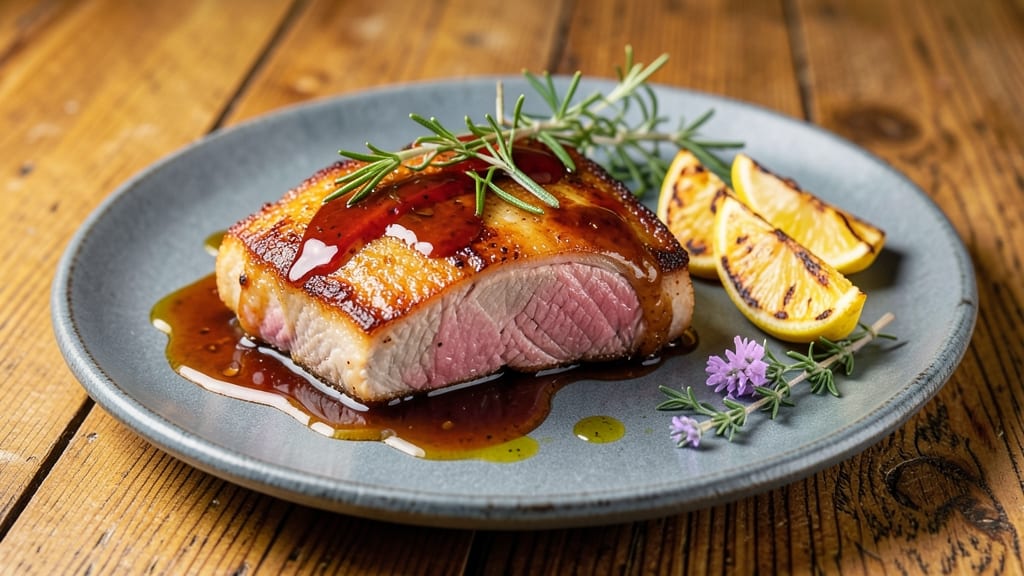
This amazing pork loin recipe delivers restaurant-quality results with a crispy herb crust and juicy pink centers every time. I perfected it after years of testing—no dry, overcooked pork here. The secret?
A simple herb crust that locks in moisture while creating that perfect golden sear. My family requests this for Sunday dinners, and it's become a crowd-pleaser at every holiday table.
What makes this recipe special is the foolproof technique: reverse searing for even doneness and a herb crust that adds texture without overpowering the natural pork flavor. You'll need just a few simple ingredients—quality pork loin, fresh herbs, and a touch of mustard for that extra stickiness.
The best part? It's ready in under 2 hours, including resting time, so you can spend more time enjoying the meal than cooking it.
By the time you serve this, you'll have a perfectly roasted pork loin with a golden, crispy crust and tender, juicy meat that's still pink in the center. The aroma alone will have everyone gathering around the table.
Serve it with roasted potatoes and a fresh green salad for a complete meal that's impressive yet simple to make.
This recipe works beautifully for special occasions or weeknight dinners—just scale the ingredients to your needs. The herb crust can be customized with rosemary, thyme, or garlic powder, so feel free to experiment. Let's get cooking!
Ingredients for amazing pork loin
Six simple ingredients transform into restaurant-quality pork loin with perfect pink centers.
| Ingredient | Amount | Notes |
|---|---|---|
| Bone-In Pork Loin 🥩 | 3 lb | Center-cut, 1.5-inch thick |
| Fresh Rosemary 🌿 | ¼ cup | Finely chopped, stems removed |
| Fresh Thyme 🌿 | ¼ cup | Leaves only, no stems |
| Garlic Cloves 🧄 | 6 cloves | Minced, not powdered |
| Dijon Mustard 🍯 | 2 tbsp | For extra stickiness |
| Extra-Virgin Olive Oil 🫒 | ¼ cup | For crust and searing |
| Unsalted Butter 🧈 | ½ cup | Melted, full-fat preferred |
| Kosher Salt 🧂 | 1 ½ tbsp | Diamond Crystal preferred |
| Ground Black Pepper 🌶️ | 1 tsp | Freshly cracked |
| Garlic Powder 🧄 | 1 tsp | For extra flavor depth |
| Fresh Parsley 🌿 | ⅛ cup | Chopped, for garnish |
| Honey 🍯 | 1 tbsp | For glaze (optional) |
The pork loin is everything here. Center-cut with bone-in stays juicier—Costco or your butcher will have the best quality. Look for good marbling and vibrant color. If you can't find bone-in, bone-in pork chops work too. The herbs? Fresh is non-negotiable—Trader Joe's bulk section has great prices. I always grab extra rosemary because it keeps well in the fridge for weeks. For the mustard, Dijon gives that perfect tangy kick—none of that mild yellow stuff.
No fresh rosemary? Dried works at half the amount, but it won't be as aromatic. Short on garlic? Garlic powder doubles in a pinch, though fresh is always better. The olive oil matters—use something fruity and peppery, not the cheap stuff. For the crust, I like toasting the herbs in the oven for 5 minutes first—worth the extra minute for deeper flavor. And if you're worried about dryness, the butter basting is your secret weapon. Trust me on the full-fat version—it makes all the difference.
This roast reheats beautifully—tastes even better the next day once the flavors meld. Wrap it tightly in foil and refrigerate for up to 3 days. For leftovers, slice against the grain and serve with a drizzle of that honey glaze. The crust stays crispy if you reheat it in a 400°F oven for 10 minutes. I always make extra because it disappears fast—perfect for meal prep or holiday gatherings.
Why You'll Love This Recipe
- One-Pan Magic: I swear by this recipe when I’m too tired to scrub pots—just sear the bone-in pork, slather on that Dijon mustard, and let the rosemary and thyme work their magic while you toss a veggie or two in the same pan. No extra dishes, no stress.
- Herb-Crusted Perfection: That crispy rosemary-thyme crust on the outside? It’s the star. The garlic-infused mustard keeps it juicy inside, and honestly, the first bite makes me forget I ever cooked anything else. It’s the kind of flavor that lingers—like a hug for your taste buds.
- Weeknight to Dinner Party: Between us, this is my go-to for when my in-laws drop by unannounced. The bone-in pork feels fancy, but the prep is effortless—just a quick sear and roast. Serve it with roasted potatoes or a simple salad, and suddenly, you’re hosting like a pro.
- Leftovers That Don’t Suck: I make this twice a month because the leftovers are actually good. Slice it thin for sandwiches, cube it into pasta, or throw it in a stir-fry—it’s versatile enough to save you from takeout. And since pork loin is budget-friendly, you’re not breaking the bank either.
Step-by-step instructions for herb-crusted pork loin roast
This method guarantees juicy pink centers and a crispy herb crust every time.
Prep the Pork Loin for Maximum Flavor
Pat the 3 lb bone-in pork loin completely dry with paper towels—this is non-negotiable for crispy skin. I like to work in the fridge for this step to keep the meat cold and firm. Place it on a cutting board and make a few shallow cuts across the fat cap with a sharp knife to help the crust adhere better.
In a small bowl, mix together the 0.25 cup fresh rosemary, 0.25 cup fresh thyme, 6 cloves minced garlic, 1.5 tbsp kosher salt, 1 tsp ground black pepper, and 1 tsp garlic powder. Rub this mixture all over the pork, pressing it into the meat so it sticks. The herbs should look like they're clinging to every inch—this ensures maximum flavor transfer during roasting.
Create the Herb Butter Crust
Melt the 0.5 cup unsalted butter in a small saucepan over low heat until just liquid, then remove from heat. Stir in the 2 tbsp Dijon mustard and 1 tbsp honey until completely combined. Let this cool slightly—you want it warm but not hot when you brush it on.
Spread the herb butter mixture evenly over the entire surface of the pork loin, including the fat cap. The butter will help create that beautiful golden-brown crust while keeping the meat moist. Place the pork on a rack set inside a roasting pan to allow air circulation on all sides—this prevents steaming and promotes even browning.
Sear for Color and Flavor
Preheat your oven to 425°F with the rack positioned in the lower third. Heat 0.25 cup extra-virgin olive oil in a large oven-safe skillet over medium-high heat until shimmering. Place the pork loin in the skillet and sear for 2 minutes per side until deeply golden brown. The oil should sizzle vigorously—this creates that beautiful crust we're after.
Transfer the skillet to the preheated oven and roast for 15 minutes. This initial high-heat phase builds flavor and sets up the perfect crust. I like to check the temperature after this time—it should be around 140°F internally. If it's browning too quickly, tent loosely with foil to prevent overcooking.
Finish with Low and Slow Roasting
Reduce oven temperature to 325°F and continue roasting until the internal temperature reaches 145°F (about 30-40 minutes). The key here is patience—this low temperature ensures the pork cooks through evenly without drying out. I use an instant-read thermometer inserted into the thickest part of the meat, avoiding the bone.
When the pork reaches 145°F, remove it from the oven and let it rest for 15 minutes before slicing. This resting period is crucial—it allows the juices to redistribute throughout the meat, preventing them from running out when you cut into it. The internal temperature will rise another 5°F during resting, giving you that perfect 150°F serving temperature with juicy pink centers.
Slice and Garnish for Presentation
Using a sharp carving knife, slice the pork loin into ½-inch thick slices against the grain for maximum tenderness. Arrange the slices on a warm serving platter and drizzle with any accumulated pan juices. Sprinkle generously with the 0.125 cup chopped fresh parsley for a pop of color and freshness.
Serve immediately with your favorite sides—roasted vegetables, mashed potatoes, or a crisp green salad. The crust should be crispy and aromatic, while the meat remains wonderfully tender with just a hint of pink in the center. This is the kind of pork loin that makes everyone at the table ask for seconds!
Pro Tips For Making Amazing Pork Loin
- USE A MEAT THERMOMETER: The bone-in pork loin’s internal temp should hit 145°F—anything lower and it’s dry, anything higher and you’re risking overcooking. I learned this the hard way when my first batch turned out like shoe leather because I eyeballed it.
- SMASH THE GARLIC CLOVES: No need for a garlic press—just grab a heavy pan lid or rolling pin and smash the cloves flat before mincing. This releases more flavor, and it’s way faster than chopping. (Yes, even if you’re impatient like me.)
- DON’T SKIP THE MUSTARD BRUSH: Slather that Dijon mustard on the pork before searing—it’s the glue that keeps the crust from cracking and adds depth. I used to skip it, and the herbs would just fall off like confetti.
- REST IT UNDER FOIL: After roasting, tent the pork with foil and let it sit 5-10 minutes—this keeps it juicy while you finish the sides. I know, I know, but trust the process. (Your future self will thank you.)
Regional styles of this amazing pork loin
Southern BBQ Style
In the Southeast, we love our pork with a smoky, sweet twist. For a true Southern touch, swap the herb crust for a dry rub made with 2 tbsp brown sugar, 1 tbsp smoked paprika, and 1 tsp cayenne pepper.
After searing, glaze the pork with ½ cup apple cider vinegar and ¼ cup honey during the final 10 minutes of cooking. This creates a sticky, caramelized crust that's perfect for pulled pork sandwiches.
I first learned this technique from my granddaddy's pit—he'd say "sugar makes everything better," and he wasn't wrong. 🔥
German Sauerbraten
For a hearty German-inspired version, marinate the pork loin overnight in a mixture of 1 cup red wine vinegar, ½ cup red wine, 2 tbsp juniper berries (lightly crushed), 4 cloves garlic, and 1 tsp black peppercorns.
After marinating, proceed with the reverse sear method but add 1 cup beef broth> to the roasting pan. The marinade creates tender, fall-apart meat with deep umami flavors. Serve with red cabbage and buttered egg noodles for a complete German feast.
This was my first exposure to pork loin techniques during my apprenticeship in Charleston. ✨
Italian Porchetta
Transform your pork loin into Italian porchetta by stuffing it with a mix of ½ cup fennel seeds, ½ cup fresh sage leaves, 4 cloves garlic, and 1 tsp red pepper flakes.
Tie the loin with kitchen twine and roast it at 325°F for 2 hours> until golden and crispy. The Italian version uses a higher fat content (look for pork belly> wrapped around the loin) and a longer cook time.
I've made this version for Italian dinner nights at my restaurant—it's always a hit with the crowd. The fennel and sage give it that distinctive Italian flavor profile. 🌿
Caribbean Jerk Style
Bring some Caribbean flair to your pork loin with a jerk marinade made from 3 tbsp jerk seasoning> (I like Caribbean Jerk Magic), 2 tbsp lime juice, 1 tbsp soy sauce, and 1 tbsp brown sugar.
Marinate the pork for at least 4 hours> (overnight is best) before cooking. After searing, baste with the marinade during the final 15 minutes> of cooking. The result is tender, slightly spicy meat with smoky, sweet flavors.
This version works perfectly with grilled pineapple and coconut rice. I first tried jerk pork during a trip to Jamaica and have been perfecting it ever since. 🌶️
French Duck Confit
For a luxurious French-inspired version, cure the pork loin in 2 cups duck fat> (or lard) with 2 tbsp salt> and 1 tbsp black pepper> for 24 hours>. After curing, roast at 300°F> for 3 hours> until tender.
The French technique focuses on slow cooking in fat to create melt-in-your-mouth texture. Serve with a red wine reduction and roasted root vegetables. This method was inspired by my time studying French cuisine in Paris—it's a game-changer for special occasions. 🍷
Asian Five-Spice Roast
Infuse your pork loin with Asian flavors using a five-spice rub made from 1 tsp each of star anise, cinnamon, cloves, fennel seeds, and Szechuan peppercorns>. Mix with 2 tbsp soy sauce> and 1 tbsp honey> before applying.
After searing, add ½ cup hoisin sauce> to the roasting pan during the final 20 minutes> of cooking. The result is a sweet, aromatic crust with tender meat inside. This version pairs beautifully with steamed jasmine rice and stir-fried bok choy.
I developed this variation after traveling through Southeast Asia—it's become a favorite at my restaurant's Asian-inspired nights. 🌟
Nutrition facts
Frequently asked questions
Can I use boneless pork loin instead of bone-in?
Yes, but boneless pork loin will cook faster and may dry out more easily. If using boneless, reduce the oven temperature by 25°F and check for doneness 5-10 minutes earlier. The bone helps retain moisture, so if you prefer boneless, consider wrapping it in bacon or adding extra butter to compensate.
How do I know when the pork is fully cooked?
Use a meat thermometer—insert it into the thickest part of the loin (avoiding bone) to check for an internal temperature of 145°F. The meat will continue rising to 150°F while resting, giving you perfect pink centers. Never guess—thermometers are your best friend for juicy results.
What if my pork loin is too dry?
Overcooking is the usual culprit. Start checking internal temps at 135°F and remove immediately when reaching 145°F. For extra moisture, baste with butter every 10 minutes during cooking. If already dry, try slicing thinly against the grain and serving with a pan sauce made from the drippings.
Can I make this ahead of time?
Cook the pork loin completely (to 160°F), then cool and refrigerate for up to 3 days. Reheat in a 325°F oven for 15-20 minutes with a little broth or water to keep it moist. The flavors actually improve overnight as they meld. Perfect for meal prep!
What's the best way to slice pork loin?
Always slice against the grain (perpendicular to the muscle fibers) for maximum tenderness. Use a sharp carving knife and cut into ½-inch thick slices. For even slices, freeze the pork for 20 minutes first—it makes carving easier. The grain runs lengthwise, so look for the striped pattern when deciding your cut direction.