
Main Courses
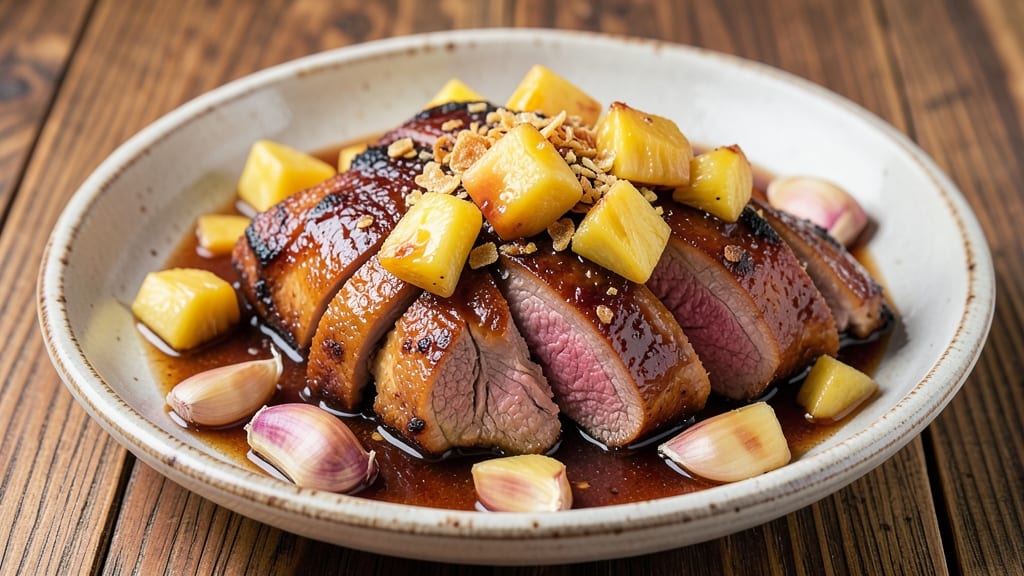
This adobo pork with pineapple recipe brings bold Filipino flavors to your weeknight table with minimal effort—tender pork falls apart in a tangy-sweet sauce that's impossible to resist. 🌟 The magic happens in the marinade, where soy sauce, vinegar, and garlic create a complex base that transforms tough cuts into melt-in-your-mouth perfection. I've adapted the classic technique to include pineapple, which adds natural sweetness that balances the adobo's acidity while keeping the dish authentically flavorful.
The beauty of this recipe lies in its versatility—whether you're using a stovetop, oven, or Instant Pot, the method remains straightforward. The pork cooks low and slow, allowing the flavors to meld together while the pineapple caramelizes slightly, adding depth to each bite.
What you'll end up with is a dish that's rich, savory, and slightly sweet, with pork that practically shreds at the touch of a fork.
Serve this over steamed jasmine rice to soak up every last bit of that luscious sauce, or pair it with grilled vegetables for a complete meal. The aroma alone will have everyone gathering around the table, and the leftovers?
Even better the next day as the flavors continue to develop. This is comfort food at its finest—bold, satisfying, and full of character.
Don't be intimidated by the name; this recipe is foolproof and adaptable to whatever tools you have in your kitchen. Let's get cooking—your taste buds will thank you.
Ingredients for adobo recipe pork with pineapple
Pantry staples meet Filipino flavors in this one-pot pork feast.
| Ingredient | Amount | Notes |
|---|---|---|
| Pork Shoulder 🥩 | 2 lb | Bone-in for flavor, cut into 1-inch pieces |
| Fresh Pineapple 🍍 | 1 whole | Peeled, cored, cut into 1-inch chunks |
| Soy Sauce 🥄 | ½ cup | Light or all-purpose, not low-sodium |
| White Vinegar 💧 | ⅓ cup | White or cane vinegar preferred |
| Garlic Cloves 🧄 | 8 cloves | Minced or finely chopped |
| Brown Sugar 🍚 | ¼ cup | Light or dark, packed |
| Olive Oil 🫒 | 2 tbsp | Extra-virgin for richness |
| Black Peppercorns 🌶️ | 1 tsp | Freshly cracked preferred |
| Bay Leaves 🌿 | 2 whole | Dried, removed before serving |
| Jasmine Rice 🍚 | 1 ½ cups | Uncooked, for serving |
| Green Onions 🧅 | 3 whole | Sliced, for garnish |
| Salt 🧂 | 1 tsp | Kosher or sea salt |
The pork shoulder is your secret weapon here—bone-in cuts stay juicier and absorb all those amazing adobo flavors. Trader Joe's or Costco usually have it pre-cut, which saves time, but if you're buying a whole shoulder, ask the butcher to trim off excess fat. Fresh pineapple is ideal (the juice adds natural sweetness), but frozen works in a pinch—just thaw and drain it well. For the soy sauce, Silver Swan or Lee Kum Kee brands bring authentic depth. Don't skip the garlic—it's the flavor bridge between the sweet, sour, and savory elements. If you're using dried bay leaves, crush them lightly between your palms first to release the oils.
No white vinegar? Apple cider vinegar works just as well. Short on brown sugar? White sugar plus 1 tsp molasses mimics the caramel notes. The pineapple chunks can be swapped for apple chunks or mango if you're feeling experimental. For a deeper flavor, add 1 tbsp fish sauce (though this isn't vegetarian). If you're making this ahead, the sauce actually improves overnight—let it reduce longer for a thicker consistency. The green onions are optional but add that fresh pop of color that makes the dish look restaurant-worthy.
This dish tastes even better the next day, so make extra. Store leftovers in the fridge for 4-5 days or freeze for 3 months. The sauce thickens as it cools, so add a splash of water when reheating. For serving, I like to portion the pork and rice together in containers—just reheat with a splash of water and the sauce will come back to life. The rice soaks up all that delicious adobo goodness, so don't skimp on the portion. If you're meal prepping, the pineapple can be added fresh when reheating to keep it vibrant.
Why You'll Love This Recipe
- One-Pan Magic: I swear by this—dump everything in one pot, let it simmer, and walk away. No flipping pans, no constant stirring. The pork shoulder stays juicy while the pineapple caramelizes right in the sauce.
- Sweet-Savory Balance: That tangy vinegar cut with pineapple’s sweetness? It’s like a flavor hug. The soy sauce deepens it all into something rich but bright—no heavy cream or fancy spices needed.
- Leftover Hero: This dish actually improves the next day. The pork gets even more tender, and the sauce thickens into a glossy glaze. I meal prep it for lunches—just reheat and serve over rice.
- Budget Crowd-Pleaser: Pork shoulder is cheap, and pineapple stretches the flavor for a big batch. Serve it at potlucks, family dinners, or even as a lazy Sunday brunch. Everyone clears their plates, and I’m the hero.
Step-by-step instructions for adobo pork with pineapple
Here's how to create tender, fall-apart pork with sweet pineapple in one flavorful pot.
🍳 Step 1: Sear the Pork Shoulder for Deep Flavor
Heat the 2 tablespoons olive oil in a large Dutch oven or deep pot over medium-high heat until shimmering. Add the 2 lb pork shoulder cut into 1-inch pieces, working in batches if needed, and sear for 3-4 minutes per side until golden brown. You're building flavor here—don't rush, or the pork will steam instead of develop that gorgeous crust.
As you sear, you'll notice the pork releases juices that sizzle in the pan. This is normal and actually adds to the depth of flavor. Once all pieces are browned, transfer them to a plate and set aside. The pork should release easily from the pan when ready to flip—if it sticks, your pan isn't hot enough.
👨🍳 Step 2: Build the Adobo Base with Aromatics
In the same pot, add the 8 cloves minced garlic cloves and cook for 30 seconds until fragrant—you should smell that sweet, pungent aroma. Immediately add the 0.5 cup soy sauce, 0.33 cup white vinegar, and 0.25 cup packed brown sugar, stirring to combine. The mixture will bubble vigorously as the vinegar cooks off.
Here's where the magic happens: let the sauce simmer for 2 minutes until it thickens slightly. You want it to coat the back of a spoon but still be pourable. Add the 1 tsp black peppercorns and 2 whole bay leaves, stirring once more. The peppercorns will infuse their heat, while the bay leaves add earthy depth to the sauce.
🥘 Step 3: Braise the Pork Until Fork-Tender
Return the seared pork to the pot, spooning any accumulated juices over the meat. Add 1 cup water (just enough to come about halfway up the pork pieces) and bring to a gentle simmer. Here's the thing—this isn't a quick cook. Cover the pot and simmer for 1 hour and 15 minutes until the pork is fork-tender.
After about 45 minutes, add the 1 whole fresh pineapple cut into 1-inch chunks to the pot. The pineapple will release juices that help tenderize the pork further. You'll know the pork is ready when it easily pulls apart with two forks and the sauce has reduced to a glossy consistency. If it's not quite there, continue cooking for another 15 minutes.
🍽️ Step 4: Prepare the Jasmine Rice and Finish the Dish
While the pork braises, rinse the 1.5 cups jasmine rice under cold water until the water runs clear. In a separate pot, combine the rice with 3 cups water and ½ teaspoon salt, then bring to a boil. Reduce heat to low, cover, and simmer for 15 minutes or until the water is absorbed. Let it sit covered for 5 minutes off heat.
Once the pork is tender, carefully remove the 2 whole bay leaves from the pot. The pineapple should be tender but still hold its shape slightly. Taste the sauce and adjust seasoning if needed—you might want to add a splash more soy sauce for saltiness or a bit of brown sugar for sweetness. Serve the pork and pineapple over the jasmine rice, garnished with 3 whole sliced green onions.
Pro Tips For Making Adobo Recipe Pork With Pineapple
- Sear the Pork First: Hit the pork shoulder with a screaming-hot pan—no oil needed, just the natural fats—until deep brown crust forms. I used to skip this, and the final dish always tasted flat; that crust locks in flavor and keeps the meat juicy when it braises.
- Core the Pineapple: Cut the pineapple lengthwise first, then slice into rings—this way, you can easily remove the tough core without wasting fruit. Fresh pineapple is sweeter, but even canned works if you drain it and pat it dry first (wet fruit steams instead of caramelizing).
- Simmer, Don’t Boil: Keep the vinegar and soy sauce mixture at a gentle bubble—hard boiling turns the pork rubbery and dulls the adobo’s tang. After 45 minutes, lower the heat so it’s barely simmering; the pork will finish cooking without falling apart.
- Save the Vinegar: Reserve ½ cup of the cooking liquid before adding pineapple—reduce it separately until syrupy, then drizzle back over the pork. This thickens the sauce naturally (no cornstarch needed) and adds depth without overpowering the sweetness.
Perfect pairings for these flavors
Filipino-Inspired Sides
Jasmine rice is the classic partner for adobo pork, but don't be afraid to explore other Filipino staples. Try garlic fried rice tossed with leftover pork and pineapple for a quick, flavor-packed side.
I love adding 1 tbsp soy sauce, 1 tsp sesame oil, and 1 egg scrambled in at the end for extra richness.
For a fresh contrast, serve kinchay (string beans) sautéed with 1 tbsp butter, 1 minced garlic clove, and a pinch of salt—it balances the dish's sweetness beautifully. 🌱
Tropical Fruit Salad
Brighten your plate with a mango-pineapple salsa that echoes the dish's flavors. Dice 1 cup mango, 1 cup pineapple, and ½ cup red bell pepper, then toss with 2 tbsp lime juice, 1 tbsp chopped cilantro, and 1 tsp chili powder.
The acidity cuts through the richness of the pork while adding vibrant color. For a creamy twist, mix in ¼ cup Greek yogurt and a sprinkle of salt. This works as both a side and topping for rice bowls.
Drink Pairings
Filipino calamansi juice (a tangy citrus blend) is the ultimate pairing—its acidity mirrors the adobo's tang. Mix ½ cup calamansi juice with 1 cup sparkling water and 1 tsp honey for a refreshing sipper. Can't find calamansi?
Use equal parts lime juice and orange juice with a splash of soda water. For beer lovers, a light lager like San Miguel cleanses the palate without overpowering. Avoid heavy ales—they'll clash with the dish's delicate balance. 🍹
Sauce Variations
Transform leftovers into adobo pork dumplings by mixing shredded pork with 1 tbsp cornstarch, 1 egg, and 1 tsp sesame oil, then pan-frying in 1 tbsp oil until golden.
For a quick sauce, reduce the adobo liquid by half on the stovetop, then stir in 1 tbsp butter for a glossy finish. This works as a dipping sauce for rice or a glaze for grilled chicken.
The pineapple can also be puréed and added to the sauce for a sweet-tangy drizzle—just simmer until thickened.
Garnish Game-Changers
Elevate your dish with crispy fried shallots—toss ½ cup sliced shallots in 1 tbsp oil and fry until golden, then sprinkle over the top. For heat, add 1 tsp sambal oelek (Filipino chili paste) mixed with 1 tsp honey for a sweet-spicy kick.
Fresh cilantro leaves or Thai basil add a fragrant finish. I also love a dusting of toasted sesame seeds for nutty crunch. These small touches make the dish feel restaurant-worthy. ✨
Nutrition facts
Frequently asked questions
Can I substitute chicken or beef for pork in this recipe?
This recipe works beautifully with chicken thighs (use 2 lbs bone-in) or beef chuck (cut into 1-inch cubes). For chicken, reduce cooking time to 45-50 minutes after adding the pineapple. Beef will need the full 1 hour 15 minutes braise time. The sauce and sweetness will adapt perfectly to either protein.
Why does my adobo sauce turn too thin or too thick?
The sauce consistency depends on cooking time and liquid ratio. For thicker sauce, simmer uncovered for 5-10 extra minutes or reduce it on the stovetop. Too thin? Add 1 tbsp cornstarch mixed with 2 tbsp water and stir until glossy. The key is balancing the 1 cup water with the natural juices from the pork and pineapple.
Can I make this in an Instant Pot or slow cooker?
Yes! For Instant Pot: Sear pork first, then add all ingredients (except rice) and cook on high pressure for 30 minutes, followed by a 10-minute natural release. For slow cooker: Combine everything (including ½ cup extra water) and cook on low for 6-7 hours or high for 3-4 hours. The pineapple should be added in the last 30 minutes to prevent mushiness.
Is this recipe naturally gluten-free?
Mostly, but check your soy sauce! Traditional soy sauce contains wheat. For gluten-free, use tamari or certified gluten-free soy sauce. The rest of the ingredients (vinegar, pineapple, etc.) are naturally gluten-free. Always verify labels, as some vinegars may contain additives.
How do I store and reheat leftovers?
Store in an airtight container in the fridge for 4-5 days or freeze for 3 months. To reheat: Add 2 tbsp water per cup of leftovers, cover, and simmer on low heat for 5-7 minutes until hot. For crispy texture, transfer pork to a skillet and sear for 2 minutes before serving. The sauce will thicken further when reheated.