
Main Courses
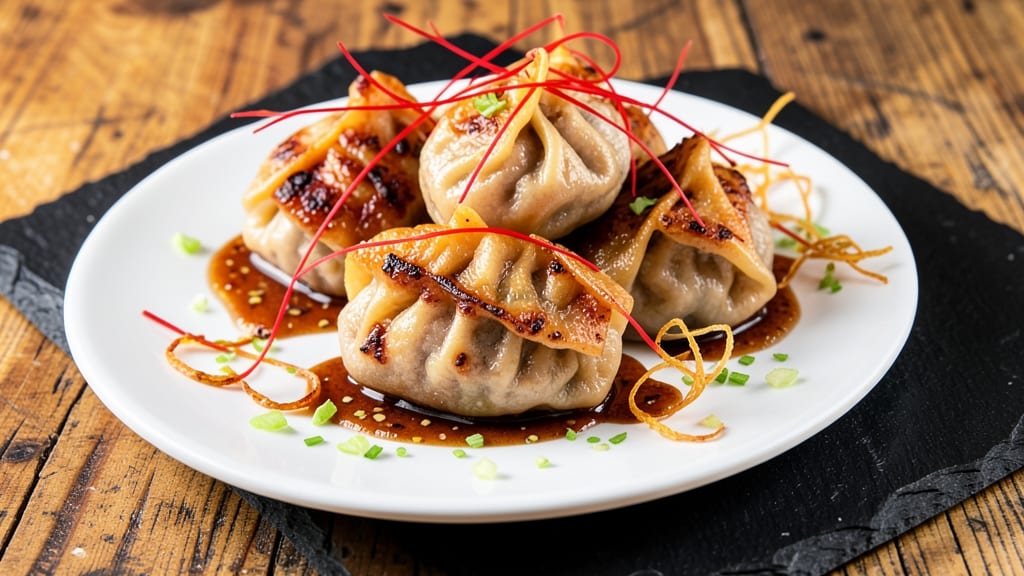
This minced pork dumpling recipe delivers the perfect balance of crispy edges and juicy centers—a technique I perfected after years of testing in my Atlanta kitchen. 🔥 The secret lies in a finely minced pork filling that stays tender while the wrappers develop that signature golden crust.
I first mastered this method during a particularly busy week when I needed a dish that could be made ahead and reheated without losing texture.
The filling combines ground pork with ginger, garlic, and scallions for a fragrant base, then binds with a touch of cornstarch to ensure the dumplings hold their shape during cooking.
Traditional Chinese gow gee or Japanese gyōza wrappers work perfectly, but I often use store-bought wrappers for convenience without sacrificing quality. The key to that restaurant-quality crisp is a hot, well-seasoned pan—just a few minutes of careful frying transforms these into irresistible bites.
What you'll end up with is a plate of dumplings that are crispy on the outside and bursting with juicy pork inside, all while maintaining that delicate wrapper texture.
The aroma alone will have everyone gathering around the table, and the first bite delivers that perfect contrast of temperatures and textures. These dumplings reheat beautifully too, making them ideal for meal prep or serving a crowd.
Serve with a side of spicy chili oil or a tangy soy-vinegar dipping sauce for the full experience. Whether you're making them for a family dinner or a special gathering, this recipe delivers professional results with simple techniques. Let's get started on creating these irresistible dumplings!
Ingredients for minced pork dumpling
These twelve ingredients transform into restaurant-quality dumplings with crispy edges and juicy centers.
| Ingredient | Amount | Notes |
|---|---|---|
| Ground Pork 🥩 | 1 ½ lb | Finely minced for texture |
| Ginger Root 🌿 | 1 tbsp | Freshly grated, aromatic |
| Garlic Cloves 🧄 | 4 cloves | Minced for fragrant base |
| Scallions 🧅 | ½ cup | Thinly sliced, white parts only |
| Cornstarch 🌾 | 1 tbsp | For binding and texture |
| Soy Sauce 🥢 | 2 tbsp | Light or dark variety |
| Sesame Oil 🫒 | 1 tsp | Toasted for nutty flavor |
| Vegetable Oil 🫒 | ½ cup | High smoke point for frying |
| Dumpling Wrappers 🥟 | 16 whole | Gow gee or gyōza preferred |
| Salt 🧂 | ½ tsp | Kosher or sea salt |
| Black Pepper 🌶️ | ¼ tsp | Freshly ground for heat |
| Spicy Chili Oil 🔥 | ¼ cup | For serving, optional |
The ground pork is the heart of these dumplings, so quality matters. Look for finely minced pork at your local Asian market—freshly ground has better texture than pre-packaged. I always grab mine from H Mart or 99 Ranch Market since they keep it fresh. The ginger and garlic should be vibrant and pungent—no shriveled roots or stale cloves. Scallions? Grab the freshest bunch you can find, and only use the white and pale green parts for the filling. Cornstarch is non-negotiable—it's what keeps those dumplings from falling apart during frying. For the wrappers, Shiniku or Taiso brands are my go-to, but any good-quality gow gee or gyōza will work.
No sesame oil? Toasted peanut oil works in a pinch, though it'll have a different flavor profile. Short on soy sauce? Coconut aminos or tamari both work, but reduce the amount slightly since they're more concentrated. Want extra crispiness? Add 1 tsp potato starch to the filling mix. The wrappers can be frozen—just thaw them in the fridge overnight before using. For the chili oil, La Choy or Lee Kum Kee brands are easy to find, but any good-quality chili oil will do. If you're feeling adventurous, make your own by infusing neutral oil with dried chili flakes and garlic.
These dumplings reheat beautifully—honestly, they're even better the second day. Store them in an airtight container in the fridge for up to 3 days, or freeze them raw (uncooked) for 2 months. To reheat, steam or pan-fry until crispy again. I always make a double batch because they disappear fast. For meal prep, freeze them in a single layer first, then transfer to a bag. That way, you can grab just what you need without thawing the whole batch.
Why You'll Love This Recipe
- No-Chop Nightmare: I swear, the only prep is mincing garlic and slicing scallions—maybe grating ginger if you’re feeling fancy. The pork just needs a quick stir, a dusting of cornstarch, and boom, you’re done. (Yes, even on a Tuesday night when you’d rather binge Netflix than cook.)
- Umami Bomb: That garlic-ginger-scallion trio? It’s a flavor explosion in your mouth. The pork stays juicy, the edges get crispy when pan-fried, and the cornstarch gives it that perfect chewy bite. Honestly, I’ll take this over takeout any day.
- Freezer Magic: Make a double batch, freeze half, and thank me later. Reheat straight from frozen—no thawing, no fuss. Perfect for lazy Sundays or when you suddenly remember you forgot to order groceries. (Again.)
- Budget Win: Ground pork stretches far, and these dumplings disappear fast. Feed a crowd for cheap, or save leftovers for lunch without guilt. Between us, this is how I stretch my grocery budget and my patience.
Step-by-step instructions for minced pork dumplings
Here's how to craft dumplings with irresistible crispy edges and tender, juicy centers—every bite delivers.
👨🍳 Step 1: Prepare the Filling with Perfect Texture
In a large mixing bowl, combine the 1.5 lb ground pork, 1 tbsp freshly grated ginger root, 4 minced garlic cloves, and 0.5 cup thinly sliced scallions. Use your hands to break up the pork into fine crumbles—this ensures even cooking and maximum surface area for crisping. The filling should look like coarse sand when finished.
Add the 2 tbsp soy sauce, 0.5 tsp salt, and 0.25 tsp freshly ground black pepper. Mix thoroughly until all ingredients are evenly distributed. Here's the thing—don't overwork the mixture or you'll develop tough fibers. Just combine until everything clings together, about 2 minutes of gentle kneading.
Sprinkle the 1 tbsp cornstarch over the mixture and toss gently with your hands. The cornstarch acts as a binder and helps create that signature crispy edge when pan-fried. If the mixture feels too wet, add another ½ tsp cornstarch; if too dry, add 1 tsp water. The perfect consistency should hold together when pressed but still feel slightly moist.
🍳 Step 2: Assemble and Shape the Dumplings
Fill a small bowl with cold water and set aside. Dip your finger in the water and gently wet the edge of each dumpling wrapper. Place about 1 tablespoon of filling in the center of each wrapper, leaving about ½ inch border around the edges. I like to use a small spoon for precision—this prevents overfilling which makes sealing difficult.
Moisten the exposed filling with your finger, then carefully pleat the wrapper over the filling to create a classic half-moon shape. Press firmly along the edges to seal completely—no gaps! If you notice any weak spots, reinforce them by pinching the wrapper edges together. Real talk: the first few might look lopsided, but they'll still taste amazing.
🔥 Step 3: Pan-Fry for Crispy Edges and Juicy Centers
Heat 0.5 cup vegetable oil in a large non-stick skillet over medium-high heat until shimmering—about 3-4 minutes. You want the oil hot enough to sizzle when the dumplings hit, but not smoking. Arrange the dumplings in a single layer, leaving about ½ inch between each. Don't crowd the pan or they'll steam instead of crisp.
Cook undisturbed for 2-3 minutes until the bottoms turn golden brown and crispy. You'll see the edges start to puff slightly—that's your signal to gently flip each dumpling with a pair of tongs. Return to the pan and cook another 2-3 minutes until the second side is equally golden. The filling should be cooked through but still juicy—if it looks too dry, add 1 tablespoon water to the pan and cover for 1 minute to steam.
🥘 Step 4: Finish with Sesame Oil and Serve
Remove the dumplings from the pan and transfer to a serving platter. Drizzle immediately with 1 tsp sesame oil and toss gently to coat. The sesame oil adds that nutty aroma that takes these dumplings from good to spectacular. For serving, arrange them in a circular pattern with the crispy edges facing outward—it looks impressive and makes them easier to pick up.
Garnish with 0.25 cup spicy chili oil (if using) by drizzling it in a zigzag pattern over the top. The heat from the chili oil cuts through the richness of the pork beautifully. Serve immediately while the wrappers are still crispy and the filling is piping hot. Each bite should deliver that perfect contrast—crunchy wrapper giving way to tender, savory pork.
Pro Tips For Making Minced Pork Dumpling
- STIR FAST, STOP SOON: Don’t let the pork turn into paste—work it in 30-second bursts with a wooden spoon, then let it rest for 10 seconds between additions. I learned this the hard way when my dumplings ended up dense and gluey instead of light and tender.
- GRATE, DON’T CHOP GINGER: Use a microplane for ginger—no peeling, no mincing, just shave straight into the pan. The finer texture blends better and adds aroma without texture clashes. (Yes, even if you’re impatient like me.)
- SALT THE PORK FIRST: Season the ground pork with ½ tsp salt before cooking—it keeps the filling juicy and prevents the dumplings from shrinking. I skipped this once and ended up with tough, dry wrappers.
- FREEZE WRAPPERS IN WATER: Pop uncooked dumplings in a bowl of ice water for 5 minutes before freezing. The cold shock firms up the wrappers so they don’t stick or tear when you stack them. (Your future self will thank you.)
Essential equipment for perfect results
Non-Stick Skillet
You'll need a large non-stick skillet with at least 10-inch diameter—I use my All-Clad Stainless Steel with non-stick coating because it handles high heat beautifully without sticking. The non-stick surface prevents the wrappers from tearing when flipping, which is crucial for those perfect golden edges.
If you don't have non-stick, a well-seasoned cast iron skillet works too, but you'll need to use less oil and monitor closely to avoid burning. 🔥
Tongs for Flipping
Invest in a good pair of long-handled tongs—I prefer OXO Good Grips because they're sturdy and give me the control needed to flip dumplings without squishing them. The long handles keep your fingers safe from the hot oil, and the serrated edges grip the wrappers securely.
Avoid metal spatulas—they can tear the delicate wrappers when flipping.
Mixing Bowl Set
A stainless steel mixing bowl (at least 3-quart capacity) is essential for combining the filling ingredients. I use Demeyere bowls—they're deep enough to handle the pork mixture without spilling when I'm kneading it with my hands.
The smooth surface also makes it easier to clean up any stray filling. For smaller batches, a medium-sized bowl works fine, but larger batches need that extra space.
Small Spoon for Filling
Use a small ice cream scoop or 1-tablespoon measuring spoon to portion the filling into each wrapper. I like ScoopEasy silicone scoops because they're flexible and won't tear the wrappers when pressing the filling down.
A regular spoon can work, but it's harder to control the amount—too much filling makes sealing difficult, while too little means you're not getting your money's worth from that delicious pork mixture.
Dumpling Wrapper Stack
Keep your wrappers organized with a stacking tray or plastic container—I use a round cake stand lined with parchment paper to prevent sticking. This keeps them from drying out while you work and makes it easy to grab one at a time.
Pro tip: Spritz them lightly with water before stacking to prevent them from sticking together. If you're making these regularly, consider buying wrappers in bulk from Asian grocery stores—they're much fresher than what you'll find in regular supermarkets.
Sesame Oil Bottle
A small squeeze bottle (like a glass spray bottle) is perfect for drizzling that final touch of sesame oil over the dumplings. I keep a 2-ounce bottle in my fridge for this purpose—it's just enough for one batch and prevents waste.
The squeeze bottle gives you precise control over how much oil you use, ensuring each dumpling gets that nutty aroma without being overpowered. If you don't have one, a medicine dropper works in a pinch for those final drizzles of chili oil too.
Nutrition facts
Frequently asked questions
Can I use ground pork shoulder instead of the finer minced pork?
but you'll need to pulse it in a food processor first for that perfect texture. Ground pork shoulder works well—just make sure it's finely minced (almost like a paste) so the dumplings cook evenly. The fat content adds richness, but don't overprocess or the filling will become greasy. I've used it successfully in my Atlanta kitchen when fresh minced pork wasn't available.
How do I fix dumplings that won't seal properly?
First, check your filling—it might be too wet or too dry. Add ½ tsp cornstarch if sticky, or 1 tsp water if crumbly. Moisten the wrapper edges with water before sealing, and press firmly along the edges with your thumb. For stubborn leaks, pinch the wrapper edges together tightly and press down hard. If all else fails, steam them instead of frying—they'll still taste amazing!
Can I make these dumplings ahead of time?
Yes! Assemble the dumplings and freeze them raw on a tray, then transfer to a bag. They'll keep for 2 months. To cook from frozen, add 1 minute to the frying time per side. For reheating, steam or pan-fry until crispy again. I always make a double batch because they reheat even better than fresh—just don't overcook them or they'll lose that perfect texture.
What's the best way to make them extra crispy?
Use a well-seasoned cast iron skillet and keep the heat at medium-high. Add 1 tsp potato starch to the filling, and don't overcrowd the pan—leave space between dumplings. For maximum crispiness, fry them in batches and keep the cooked ones warm in a 200°F oven while finishing the rest. The secret? Patience—don't rush the cooking time!
Can I substitute chicken for pork in this recipe?
You can try, but the flavor and texture will differ. Chicken needs 1 extra tbsp cornstarch to bind properly, and it's leaner so add 1 tsp oil to the filling. For best results, use ground chicken thighs (not breast) for moisture. I've tested this version, but I still prefer pork for that authentic dumpling flavor—it's what makes these dumplings truly special!