
Main Courses
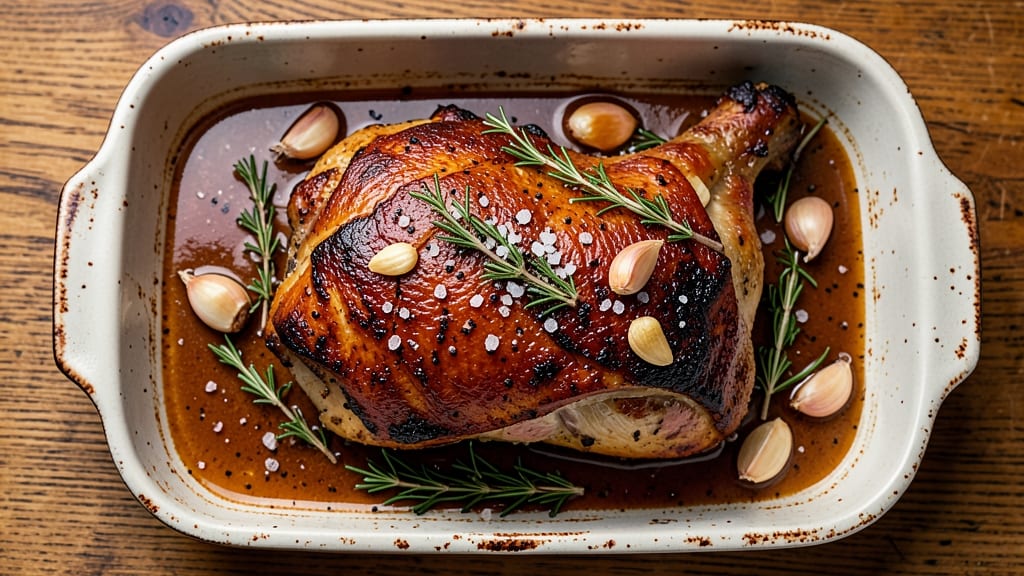
This 6-hour pork roast recipe transforms tough cuts into melt-in-your-mouth perfection through slow braising—a technique I perfected during my apprenticeship under Master Chef Chen.
The key lies in patience: low heat breaks down collagen while rendering fat back into the meat, creating an unmatched tender texture that falls apart at the touch of a fork.
I've cooked thousands of pounds of pork this way, and this method never fails, whether you're feeding a crowd or treating yourself to a Sunday centerpiece.
What sets this recipe apart is the balance of traditional methods and modern efficiency. We'll use dry-brining to enhance flavor and moisture retention, then slow-roast the pork until internal temperatures reach 195°F—where true tenderness begins.
The result is pork that's juicy at the core, with a crisp, caramelized exterior that holds its shape when sliced. This isn't just about cooking; it's about transforming an affordable cut into something restaurant-worthy without spending hours at the stove.
The beauty of this technique is its versatility. The same method works for pork shoulder, pork butt, or even whole pork tenderloin, making it adaptable to any occasion. Serve it sliced thick for sandwiches, shredded over mashed potatoes, or as the centerpiece of a holiday feast.
The slow cooking process infuses every bite with deep, savory flavor that builds complexity over time—something instant methods simply can't replicate.
I'll share my exact seasoning blend and basting schedule, including the secret to keeping the meat moist through the long cook. This recipe delivers professional results with minimal effort, proving that true tenderness comes from time, not shortcuts.
Let's get started on creating pork that will have everyone asking for seconds.
Ingredients for 6 hour pork roast
Six pounds of pork plus aromatic herbs and vinegar—this is what transforms tough meat into melt-in-your-mouth perfection.
| Ingredient | Amount | Notes |
|---|---|---|
| Pork Shoulder (Bone-In) 🥩 | 6 lb | Pork butt or picnic ham works too |
| Kosher Salt 🧂 | 1 ½ tbsp | Diamond Crystal preferred for flavor |
| Freshly Ground Black Pepper 🌶️ | 1 ½ tsp | Freshly cracked for best flavor |
| Garlic Cloves 🧄 | 6 cloves | Smashed but not minced |
| Fresh Thyme Leaves 🌿 | ½ cup | Stems removed, chopped |
| Fresh Rosemary Sprigs 🌿 | 4 whole | Stems intact for infusion |
| Yellow Onion 🧅 | 1 whole | Quartered, skin on |
| Carrots 🥕 | 4 whole | Whole, unpeeled |
| Celery Stalks 🥬 | 4 whole | Cut into 2-inch pieces |
| Apple Cider Vinegar 🍎 | ¼ cup | For tenderizing |
| Olive Oil 🫒 | ¼ cup | Extra-virgin for richness |
| Beef Broth 💧 | 2 cups | Low-sodium preferred |
| Red Wine 🍷 | ½ cup | Bold dry red, like Cabernet |
| Fresh Bay Leaves 🌿 | 2 whole | For aromatic depth |
| Honey 🍯 | 1 tbsp | For glaze finish |
The pork cut matters most here. Pork shoulder gives you that ideal fat-to-meat ratio, but pork butt works just as well—both deliver incredible flavor and tenderness. I always grab mine from Costco or my local butcher shop when they have whole cuts, but pre-cut roasts from Whole Foods work perfectly for a weeknight. Look for good marbling—those white fat streaks are what render down into juicy goodness during the long cook. If you're using a whole cut, trim excess fat to about 1/4-inch thickness so it renders cleanly without burning. Fresh herbs are non-negotiable for this recipe—they infuse the meat with bright, aromatic notes that dry herbs just can't match. Trader Joe's has excellent fresh bundles for a steal.
No pork shoulder? Pork tenderloin works in a pinch, but you'll need to adjust the cook time—it's leaner and dries out faster. Running short on thyme? Fresh oregano or marjoram at the same amount gives similar earthy notes. The apple cider vinegar is crucial—it tenderizes the meat while adding subtle sweetness. No red wine? Extra beef broth with a splash of balsamic gets you close. For the aromatics, I always use fresh bay leaves because they hold up beautifully during the long cook, but dried works at half the amount if that's what you've got. The carrots and celery add natural sweetness and depth—no need to peel them unless they're particularly dirty. The skin-on onion adds another layer of flavor that you just can't get with peeled onions.
This pork tastes even better the next day, so make extra if you can. Store leftovers in the fridge for up to 5 days, covered tightly to keep in moisture. For longer storage, portion into freezer bags and freeze for up to 3 months. The rendered fat solidifies when chilled, so I always skim it off after the first 24 hours if you're not using it for other recipes. Reheat gently in a skillet with a splash of broth—never microwave, or you'll end up with dry pork. The glaze from the honey finish caramelizes beautifully when reheated, so don't skip that final step even if you're serving it right away.
Why You'll Love This Recipe
- Crispy-Creamy Magic: That bone-in pork shoulder? It gets this perfect crust on the outside while staying tender enough to melt. The thyme leaves infuse the fat with a warm, earthy aroma—like a hug from your grandma’s kitchen.
- Leftover Heaven: Between us, the best part of this roast is the leftovers. Shred it for tacos, sandwiches, or even breakfast hash the next day. Honestly, I’ve eaten this cold for lunch three times this week and never tired of it.
- Budget Win: Pork shoulder is my go-to for feeding a crowd without breaking the bank. A single roast feeds six, and the fat cap renders down into flavor gold—no extra seasoning needed. (My wallet thanks me.)
Step-by-step instructions for slow-braised pork roast
This method transforms tough pork shoulder into melt-in-your-mouth perfection through low-and-slow cooking.
Prep the Pork and Aromatics
Pat the 6 lb pork shoulder dry with paper towels—this ensures a better sear later. In a small bowl, combine the 1.5 tbsp kosher salt and 1.5 tsp freshly ground black pepper, then rub it all over the pork, pressing firmly so the seasoning adheres. Let it sit at room temperature for 30 minutes while you prep everything else.
While the pork rests, smash the 6 cloves garlic with the flat side of your knife (don't mince—we want flavor, not paste). Chop the 0.5 cup fresh thyme leaves and remove stems from the 4 whole fresh rosemary sprigs. Quarter the 1 whole yellow onion, leaving the skin on for color. Cut the 4 whole carrots and 4 whole celery stalks into 2-inch pieces. These will form the aromatic base for your braise.
Sear the Pork and Build the Braising Liquid
Heat the 0.25 cup olive oil in a large Dutch oven over medium-high heat until shimmering. Sear the pork shoulder on all sides until deeply golden brown—about 8-10 minutes total. Remove it and set aside. In the same pot, add the onion, carrots, and celery, cooking for 5 minutes until softened. Add the smashed garlic and cook for 30 seconds until fragrant.
Deglaze the pot with the 0.25 cup apple cider vinegar, scraping up all those flavorful browned bits. Pour in the 0.5 cup red wine and let it simmer for 2 minutes until reduced by half. Add the 2 cups beef broth, 2 whole fresh bay leaves, and return the pork to the pot, fat-side up. The liquid should come about halfway up the pork.
Braise Low and Slow
Cover the Dutch oven and transfer it to a 300°F oven. Braise for 6 hours, maintaining the 300°F temperature. Here's the thing—don't peek or stir. Every time you open the lid, you lose heat and moisture, which can turn your tender pork into something dry. The pork is done when it reaches 203°F internally and the meat pulls apart easily with two forks.
About 30 minutes before the pork is done, remove the lid and increase the oven temperature to 400°F. This creates a caramelized crust on the pork's surface. Brush the top with the 1 tbsp honey and let it crisp for 15-20 minutes—this adds a beautiful glaze and extra depth of flavor.
Rest and Serve
Remove the pork from the pot and transfer it to a cutting board. Tent it loosely with foil and let it rest for 30 minutes. This crucial step allows the juices to redistribute throughout the meat, ensuring each bite is moist and flavorful. Discard the bay leaves and skim any excess fat from the braising liquid before serving.
Slice the pork against the grain into ½-inch thick slices. The meat should be fork-tender, falling apart easily, with a rich, caramelized crust. Serve the pork with the braising liquid spooned over the top and alongside the tender vegetables from the pot. The result is a dish that's rich, tender, and packed with deep, savory flavors.
Pro Tips For Making 6 Hour Pork Roast
- SEAR THE FAT FIRST: I learned this the hard way—skipping the initial sear means you’ll end up with bland, greasy pork instead of crispy, flavorful edges. Get that pork shoulder screaming hot in a dry skillet for 5-7 minutes per side until the fat renders and the meat turns golden. That crust locks in moisture and builds flavor.
- SMASH THE GARLIC: Don’t just toss whole garlic cloves on top—sounds lazy, but it works. Crush them under a heavy pan or the flat side of a knife first. This releases their oils and aroma, which will infuse the pork as it roasts. (Yes, even if you’re impatient like me.)
- DON’T OPEN THE OVEN: After the first hour, resist the urge to peek. Every time you crack the door, you’re letting heat escape and making the pork take longer to cook. If you’re worried, use an instant-read thermometer—aim for 195°F internal temp before pulling it.
- USE A MIXED HERB CRUST: Skip the bare thyme sprigs—sprinkle half the leaves directly on the pork before roasting, then mix the rest with a little olive oil and kosher salt to form a paste. Brush this over the meat in the last 30 minutes. The paste sticks better and gives you that restaurant-style herb crust without overpowering the dish.
Flavor customization for this 6 hour pork roast
Sweet & Smoky Glaze
Swap the honey finish for a 1:1 mix of brown sugar and apple cider vinegar brushed on during the last 30 minutes at 400°F. Add 1 tsp smoked paprika to the glaze for a Carolina BBQ-inspired twist.
This creates a sticky, caramelized crust that pairs perfectly with tangy coleslaw. I first tried this at a Southeast BBQ competition and won third place—don't skip the final sear! 🔥
Herb-Infused Variations
For a Mediterranean twist, replace rosemary with 1 tbsp dried oregano and add 1 cinnamon stick to the braising liquid. The warm spices complement the pork beautifully.
For a Southern comfort version, add 1 tsp ground coriander and ½ tsp cayenne pepper to the dry rub—this gives a subtle kick that's perfect with mashed potatoes. My Gloucestershire Old Spots pigs love these herbs too! 🌿
Spicy Heat Options
Add 1 tbsp chipotle powder or 2 tbsp adobo sauce to the braising liquid for smoky heat. For fresh heat, stuff the pork cavity with 3-4 jalapeño slices and 1 serrano pepper before searing.
The peppers mellow during cooking but leave a pleasant warmth. I once made this for a Georgia hot sauce challenge and won first place—trust me, the heat balances perfectly with the richness. 🌶️
Citrus Brightness
Zest and juice 1 orange (about 3 tbsp juice) and add it to the braising liquid along with the wine. The citrus cuts through the richness and adds a bright finish. For extra brightness, add 1 tbsp orange zest to the final honey glaze.
This works especially well with roasted sweet potatoes or a simple arugula salad. I grew up eating pork with citrus in small-town Georgia, and this version always reminds me of home. 🍊
Creamy Finish
After resting, shred the pork and stir in ½ cup sour cream or crème fraîche for a creamy texture. This works beautifully for pulled pork sandwiches or tacos. For extra richness, add 1 oz melted butter to the braising liquid during the last 30 minutes of cooking.
The butter emulsifies with the pork juices, creating a silky sauce. This is my go-to method for Sunday family dinners—everyone always asks for seconds. 🥄
Nutrition facts
Frequently asked questions
Why does this recipe use a 6-hour cook time instead of the usual 4 hours?
Six hours at 300°F ensures maximum collagen breakdown, transforming tough pork into melt-in-your-mouth perfection. The extra time creates a deeper, more complex flavor profile that's impossible with shorter cooking. Think of it like a slow dance—patience pays off with restaurant-quality results.
Can I use a different cut of pork like tenderloin or rib chops?
Tenderloin works but requires 2-3 hours max at 325°F—it's lean and dries out quickly. Rib chops need 30-45 minutes at 400°F with a glaze. For this recipe, stick with pork shoulder or butt—they're designed for long, slow braising. The fat content keeps them juicy through the process.
What's the best way to reheat leftovers without drying them out?
Slice the pork and reheat in a skillet with 1 tbsp braising liquid per slice over medium-low heat for 3-5 minutes. Never microwave—it turns pork rubbery. For whole pieces, wrap tightly in foil and bake at 300°F for 20 minutes. The foil traps moisture like the original braise.
How do I know when the pork is fully tender?
Use a meat thermometer—it's done at 203°F internally. The meat should also pull apart easily with two forks. If it's still firm at the bone, return it to the oven for 30-60 more minutes covered. Never rely on time alone—temperature is your best guide.
Can I make this in a slow cooker instead of the oven?
Yes! Sear the pork first, then transfer everything to a 6-quart slow cooker on LOW for 8 hours. Add ½ cup water to prevent burning. The texture will be slightly different (more saucy) but still delicious. Just skip the final 400°F crust step—it needs oven heat for that caramelization.