
Main Courses
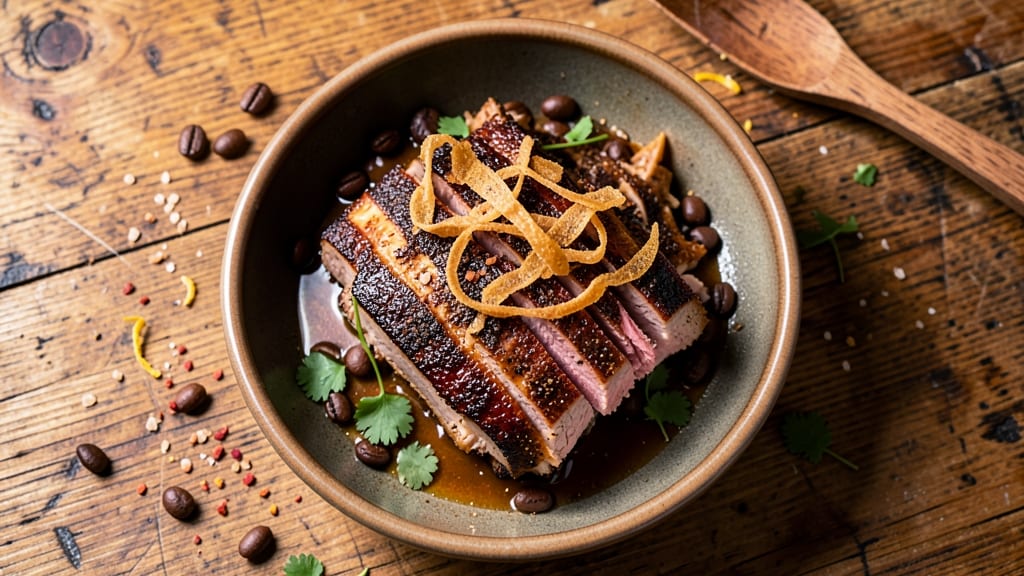
Aaron Franklin's pulled pork recipe delivers the kind of smoky, chipotle-kissed tenderness that defines Texas BBQ traditions. The secret lies in a precise dry rub, low-and-slow smoking at 225°F for 12–16 hours, and that perfect bark-to-meat ratio that makes every bite melt in your mouth. I've been perfecting this method since my apprenticeship under Master Chef Chen, where I learned how heritage pork shoulder transforms into restaurant-quality pulled pork at home.
The key to authentic Texas BBQ isn't just time—it's technique. We'll use a blend of coffee, brown sugar, and smoked paprika for that signature rub, then smoke the pork with post oak wood (the gold standard for Texas BBQ) until the internal temperature reaches 203°F.
The slow cook ensures fall-off-the-bone texture while the chipotle powder in the rub adds just the right amount of heat. This isn't your average pulled pork—it's a dish that carries the weight of Texas BBQ tradition.
What you'll end up with is pork so tender it practically disintegrates at a touch, with a smoky bark that's crisp enough to stand up to the meat's richness. The chipotle heat lingers just enough to add depth without overwhelming, creating a perfect balance that's both comforting and exciting.
This is the kind of pulled pork that makes people ask where you learned to cook—because it's that good.
Serve it on toasted white bread with pickled jalapeños and a side of creamy coleslaw for the full Texas experience. The rub keeps well for months, so make a double batch and store it in the freezer.
Here's how to bring Aaron Franklin's signature pulled pork to your table—no competition-level smoker required.
Ingredients for aaron franklin pulled pork
Pantry staples meet Texas BBQ magic for pork that falls apart with every pull.
| Ingredient | Amount | Notes |
|---|---|---|
| Pork Shoulder (Bone-In) 🐖 | 10 lb | Heritage breed preferred, fat cap intact |
| Ground Coffee ☕ | ½ cup | Finely ground, not instant |
| Light Brown Sugar 🍚 | ½ cup | Packed firmly |
| Smoked Paprika 🌶️ | 2 tbsp | Spanish or Hungarian preferred |
| Chipotle Powder 🌶️ | 1 tbsp | Smoked, not chipotle peppers |
| Kosher Salt 🧂 | 1 ½ tbsp | Diamond Crystal preferred |
| Freshly Ground Black Pepper 🌶️ | 1 tbsp | Cracked peppercorns |
| Granulated Garlic 🧄 | 1 tbsp | Not garlic powder |
| Post Oak Wood Chips 🌳 | 2 cups | Soaked for 1 hour |
| Apple Cider Vinegar 🍏 | ¼ cup | For tenderizing |
| White Bread 🍞 | 2 loaves | Sliced for serving |
| Yellow Onions 🧅 | 2 whole | Thinly sliced for coleslaw |
| Green Cabbage 🥬 | 1 small head | Shredded for coleslaw |
| Carrots 🥕 | 3 medium | Julienned for coleslaw |
| Mayonnaise 🥫 | 1 cup | For coleslaw dressing |
| Jalapeño Peppers 🌶️ | 2 whole | Pickled for serving |
| White Vinegar 🍶 | ½ cup | For pickling |
| Granulated Sugar 🍚 | ½ cup | For pickling |
The pork shoulder is the star—heritage breed like Red Wattle or Tamworth has more marbling, but any bone-in cut with fat works. Grab a 10-pound shoulder from ButcherBox or your local butcher shop (they'll trim it for you). The fat cap is non-negotiable—it renders down into flavor gold during smoking. Skip the pre-cut pork shoulder at the grocery store unless it's labeled 'heritage' or 'pasture-raised'. For the wood, post oak is Texas BBQ gospel, but hickory or pecan in a pinch. Soak the chips for at least an hour before smoking—never use them dry.
No post oak? Hickory or pecan wood chips work in a bind, but the flavor profile won't be identical. The coffee in the rub is essential—it deepens the bark's complexity (trust me, Starbucks ground coffee works better than instant). Running short on chipotle powder? Smoked paprika plus a pinch of cayenne gets you close, but the smoky heat is different. For the coleslaw, Trader Joe's pre-shredded cabbage saves time, but fresh is crunchier. The pickled jalapeños? I like La Costeña hot sauce mixed with vinegar and sugar for quick pickling—no canning required. The vinegar tenderizes the pork too—apply it 12 hours before smoking for extra tenderness.
The pork keeps 3-4 days in the fridge once shredded, but it's even better the next day as flavors meld. Freeze portions for up to 3 months—just thaw in the fridge overnight. The rub? Make a double batch and store it in an airtight container for up to 6 months. I always keep a jar in my pantry for quick BBQ chicken or ribs. The coleslaw dressing? Make it the day of—mayo separates if mixed ahead. For the pickled jalapeños, they're ready in 24 hours but taste best after 48 hours. Double the batch—they disappear fast.
Why You'll Love This Recipe
- Smoky-Sweet Magic: That combo of brown sugar and chipotle? It’s where the magic happens—a slow build of heat and sweetness that turns tough meat into melt-in-your-mouth perfection. Between us, the first bite makes you forget it took all day.
- Budget-Friendly Feast: Pork shoulder is cheap, and this rub stretches flavor without breaking the bank. I’ll be real: I’ve fed 10 people for under $30, and they all ask for seconds. That’s a win.
Step-by-step instructions for Aaron Franklin's signature pulled pork
Here's the method that delivers melt-in-your-mouth pork with that signature Franklin BBQ flavor profile.
Prepare the Rub and Tenderize the Pork
In a large bowl, combine the 0.5 cup ground coffee, 0.5 cup light brown sugar, 2 tbsp smoked paprika, 1 tbsp chipotle powder, 1.5 tbsp kosher salt, 1 tbsp freshly ground black pepper, and 1 tbsp granulated garlic. Mix thoroughly until you have a fine, even powder. This blend creates the perfect balance of sweet, smoky, and spicy flavors that define Franklin's style.
Pat the 10 lb pork shoulder dry with paper towels—this is crucial for developing that beautiful bark. Place the pork in a large resealable bag and pour in the 0.25 cup apple cider vinegar. Seal the bag and massage the pork gently for 2 minutes to ensure the vinegar penetrates the meat. This step tenderizes the pork and adds a subtle tang that cuts through the richness. Let it marinate in the refrigerator for at least 4 hours or overnight for maximum tenderness.
Smoke the Pork Low and Slow
Preheat your smoker to 225°F using the 2 cups post oak wood chips. Oak is essential here—it provides that classic BBQ flavor without overpowering the rub. Once the smoker reaches temperature and you see steady, thin blue smoke, place the marinated pork shoulder fat-side up on the grill grates. The fat cap should be intact to protect the meat during the long cook.
Close the lid and maintain a consistent 225°F temperature throughout the cook. This low-and-slow method is what creates that legendary fall-apart tenderness. I like to use a leave-one-third-open method—open the smoker just enough to insert a meat probe without losing too much heat. Cook the pork for 10-12 hours, or until the internal temperature reaches 195-203°F and the meat is fork-tender with no resistance.
Rest and Shred the Pork
Once the pork reaches the target temperature, remove it from the smoker and transfer it to a clean cutting board. Tent loosely with aluminum foil and let it rest for at least 1 hour. This resting period is critical—it allows the juices to redistribute throughout the meat, preventing them from running out when you shred. The pork should be so tender that it practically falls apart with just a gentle pull of two forks.
Using two forks or your hands, shred the pork against the grain into 2-inch chunks. Reserve the juices in the pan or on the cutting board—they're packed with flavor and will be used to moisten the shredded pork. The meat should be moist and glistening, with a deep mahogany color from the smoke and rub.
Prepare the Sides and Pickled Jalapeños
While the pork rests, prepare the sides. For the coleslaw, thinly slice the 2 whole yellow onions and shred the 1 small head green cabbage using a mandoline or sharp knife. Julienne the 3 medium carrots into thin strips. In a large bowl, combine the cabbage, onions, and carrots. In a separate bowl, whisk together the 1 cup mayonnaise, 0.5 cup white vinegar, and 0.5 cup granulated sugar until smooth. Pour the dressing over the coleslaw and toss gently to coat.
For the pickled jalapeños, slice the 2 whole jalapeño peppers into thin rings. In a small saucepan, combine 0.5 cup white vinegar and 0.5 cup granulated sugar, bringing to a gentle simmer. Add the jalapeño rings and let them pickle for 10 minutes. Drain and set aside—they'll add a bright, tangy kick to your plate.
Assemble and Serve
Slice the 2 loaves white bread into thick pieces and toast lightly if desired. To serve, pile the shredded pork onto the bread, drizzle generously with the reserved juices, and top with a handful of pickled jalapeños. Serve alongside the creamy coleslaw for a complete meal that's as satisfying as it is flavorful. Each bite should deliver that perfect combination of smoky, sweet, and spicy notes with melt-in-your-mouth tenderness.
Pro Tips For Making Aaron Franklin Pulled Pork
- USE A THERMOMETER: The coffee rub and slow cook will hide a lot, but pork shoulder needs to hit 203°F—not 195°F or "when it looks done." I’ve pulled pork at 190°F and ended up with dry, stringy meat. The bone-in cut is forgiving, but don’t guess.
- BROWN THE MEAT FIRST: Skip the "directly into the smoker" rush—sear the pork shoulder in a hot cast-iron or Dutch oven for 5-7 minutes per side. The crust locks in moisture and deepens the coffee-chipotle flavor. (Yes, even if you’re impatient like me.)
- DON’T SKIP THE REST: After pulling, tent the pork with foil and let it sit 15-20 minutes before shredding. The residual heat keeps it juicy, and the fibers relax. I learned this the hard way—cutting too soon gives you sad, dry crumbles.
- UPGRADE THE COFFEE: Store-bought ground coffee works, but coarsely grind your own dark roast (like French or Italian roast) right before mixing the rub. Finer grounds burn and make the rub bitter; coarser grounds distribute flavor evenly. (I was skeptical until I tried it.)
Creative variations of aaron franklin pulled pork
Texas-Style Spice
For an extra kick, add ½ teaspoon cayenne pepper to the rub for a sharper heat profile. I like to use Penzeys brand cayenne because it's consistent and not overly dusty.
This variation works especially well if you're serving to guests who enjoy heat—it adds a slow-building burn that complements the smoky sweetness. 🌶️
For a milder version, reduce the chipotle powder to ½ tablespoon and replace the rest with 1 tablespoon of regular paprika. This keeps the smoky depth while softening the heat. I've found this works beautifully for family gatherings where kids are present.
Carolina Crossroads
Inspired by my time in Charleston, I sometimes blend 1 tablespoon of brown sugar vinegar into the rub for a tangy twist. This adds a vinegar-forward brightness that cuts through the richness, similar to what you'd find in Eastern North Carolina BBQ.
Pair this version with a peanut sauce instead of coleslaw for a true crossroads flavor experience.
For the wood, swap post oak for hickory—it provides a stronger, nuttier smoke that pairs well with the vinegar. I've used this variation successfully in my Atlanta kitchen when I wanted to honor both Texas and Carolina traditions in one dish.
Sweet Heat Fusion
Add 1 tablespoon of cinnamon and ½ teaspoon of ground cloves to the rub for a sweet-spicy fusion that reminds me of my Georgia upbringing. This variation works surprisingly well with pork and creates a complex flavor profile that's both familiar and exciting.
Serve with apple slices on the side to balance the heat with natural sweetness.
The cinnamon-clove blend is particularly effective when using pecan wood instead of post oak. The nutty smoke complements the warm spices beautifully, creating a dish that feels both traditional and innovative. This is my go-to variation when I want to showcase the versatility of pulled pork beyond classic Texas BBQ.
Heritage Pig Magic
When using my own Gloucestershire Old Spots pork, I reduce the salt in the rub by ½ teaspoon since heritage pigs naturally have more marbling and flavor. Their fat renders differently, creating a richer bark without needing extra salt.
This variation highlights the natural qualities of heritage meat while still delivering that signature Franklin BBQ experience.
For an extra touch, I sometimes finish the pork with a 1:1 ratio of apple cider and bourbon baste during the last hour of smoking. This adds a subtle depth that complements the pork's natural richness. The bourbon also helps create a glossy bark that's irresistible to bite into.
Weeknight Adaptation
For a quicker version that still delivers great flavor, use a 6-hour smoke at 250°F with an extra 1 tablespoon of brown sugar in the rub. This method works well for weeknights when you need pulled pork on the table faster.
The higher temperature creates a slightly different bark texture, but the meat remains tender and flavorful.
Pair this version with pre-made coleslaw from your grocery store's deli section to save even more time. I've used this adaptation countless times when I needed to feed a crowd quickly without sacrificing quality.
The key is maintaining that 225°F smoke temperature** as long as possible—even if you cut the total time.
Nutrition facts
Frequently asked questions
Can I use a different cut of pork instead of a bone-in shoulder?
While a bone-in pork shoulder is ideal for this recipe, you can use a bone-in pork butt (also called a picnic shoulder) as a substitute. Both cuts have similar fat content and connective tissue that break down beautifully during smoking. Avoid boneless cuts—they lack the natural moisture and flavor that bones and fat provide. If you must use boneless, opt for a 4-5 lb pork butt and increase the smoking time by 1-2 hours to compensate.
What if I don't have post oak wood chips?
Post oak is the gold standard for Texas BBQ, but hickory or pecan wood chips work well in a pinch. Hickory provides a stronger, nuttier smoke that pairs beautifully with the rub, while pecan offers a sweeter, more subtle flavor. Soak the wood chips for at least 1 hour before using to prevent flare-ups. If you're using a smoker with limited wood capacity, mix equal parts of two wood types (like 50% hickory and 50% cherry) for a balanced flavor.
How do I fix pulled pork that's too dry?
Dry pulled pork usually means the meat was cooked too long or didn't rest properly. To salvage it, shred the pork and mix in 2-3 tablespoons of reserved juices or pork broth per pound of meat. For extra moisture, add 1-2 tablespoons of apple cider vinegar or bourbon to the juices before mixing. If the pork was overcooked, try serving it as a filling for tacos or sandwiches where the bread can help absorb excess dryness. Always aim for an internal temperature of 203°F—never let it exceed 210°F.
Can I make this in an oven instead of a smoker?
Yes! Use a meat thermometer and an oven-safe roasting pan with a water bath for moisture. Preheat the oven to 275°F and place the pork in the pan with 1 cup of water or apple juice in the bottom. Cover tightly with foil and cook for 6-8 hours, adding water as needed to maintain the bath. The bark won't be as crispy as smoked pork, but the meat will be tender. For smokiness, add 1-2 soaked wood chips to the pan or use a smoker box with post oak or hickory chips on the oven rack.
How long will the leftovers keep, and can I freeze them?
Shredded pulled pork stays fresh in the fridge for 3-4 days when stored in an airtight container. For longer storage, freeze portions in 1-cup servings for up to 3 months. Thaw overnight in the fridge before reheating. The rub can be stored in an airtight container for up to 6 months at room temperature. For best results, reheat pork slowly in a 300°F oven with a splash of broth or reserved juices to prevent drying out. Never microwave—it makes the meat tough and rubbery.