
Main Courses
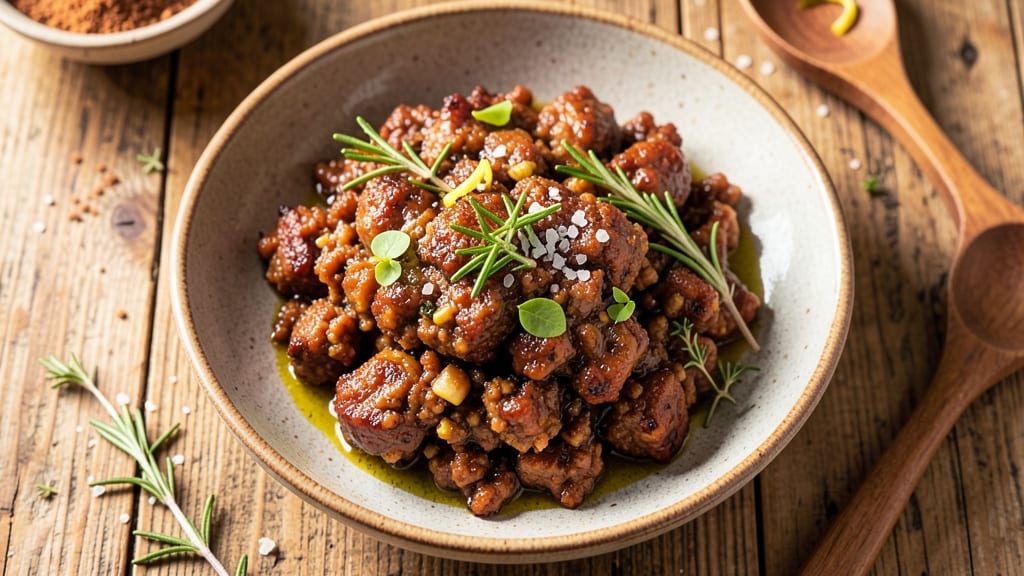
This 1 lb ground pork recipe transforms simple ingredients into a restaurant-worthy dish that proves pork doesn't need to be complicated.
I developed this one-pan method during a particularly busy week when I needed a meal that delivered maximum flavor with minimal effort—something that still holds up in my professional kitchen today.
The secret lies in proper seasoning and technique: breaking up the pork into small, even pieces ensures even cooking, while garlic and herbs infuse every bite with aromatic depth.
Unlike many ground pork recipes that rely on sauces to carry the flavor, this dish lets the meat shine through with just the right balance of salt, pepper, and fresh herbs.
What you'll end up with is tender, juicy pork that's perfectly seasoned and cooked to an ideal temperature, all in one pan with minimal cleanup. The herbs release their oils as they cook, creating a fragrant crust on the pork that's impossible to resist.
This is the kind of weeknight dinner that feels special without requiring hours in the kitchen.
Pair it with crusty bread to soak up the juices or serve over steamed rice for a complete meal. The versatility of this recipe makes it perfect for feeding a family or meal prepping for the week—just scale the ingredients accordingly. Here's how to make it perfectly every time.
Ingredients for 1 lb ground pork
This one-pan pork recipe delivers restaurant-quality flavor with minimal ingredients and effort.
| Ingredient | Amount | Notes |
|---|---|---|
| Ground Pork 🐖 | 1 lb | 80% lean, broken into small pieces |
| Garlic Cloves 🧄 | 4 cloves | Minced finely for aromatic depth |
| Fresh Rosemary 🌿 | ¼ cup | Chopped finely, stems removed |
| Fresh Thyme 🌿 | ¼ cup | Leaves only, stems discarded |
| Olive Oil 🫒 | 2 tbsp | Extra-virgin, for even cooking |
| Kosher Salt 🧂 | 1 ½ tsp | Diamond Crystal preferred |
| Freshly Ground Black Pepper 🌶️ | ½ tsp | Cracked peppercorns preferred |
| Red Wine Vinegar 🍷 | 1 tbsp | For brightness and acidity |
| All-Purpose Flour 🌾 | 1 tbsp | For even browning |
| Fresh Parsley 🌿 | ⅛ cup | Chopped, for garnish |
| Crusty Bread 🍞 | 4 slices | For serving, optional |
The ground pork should be 80% lean—this balance ensures juiciness without excessive fat. Costco or local butchers often carry high-quality ground pork in bulk, and the 80/20 ratio is ideal for this dish. Look for pork that's fresh and has good marbling—this fat renders beautifully during cooking, creating a flavorful crust. Fresh herbs are non-negotiable here; Trader Joe's or your local farmers market will have the best quality. If using dried herbs, reduce to one-third the amount of fresh, but fresh is always better for that aromatic depth the intro promises.
No fresh rosemary? Dried rosemary works at one-third the amount, but the flavor won't be as vibrant. Short on red wine vinegar? Apple cider vinegar or lemon juice in a pinch, though the tang will be slightly different. The olive oil matters—avoid cheap store brands—look for extra-virgin with a fruity aroma. For the flour, King Arthur or Gold Medal are reliable choices. If you're prepping ahead, break the pork into small, even pieces before storing to ensure even cooking later. The garlic should be minced finely—a food processor makes this quick work.
This dish reheats beautifully—store leftovers in an airtight container for up to 4 days. For meal prep, portion into individual containers with a side of crusty bread or rice. The herbs can be chopped ahead and stored in the fridge for 3 days, but they'll lose some potency. If freezing, wrap the pork tightly in parchment paper before freezing for up to 3 months. The crusty bread is optional but recommended—sourdough or a good baguette works best for soaking up the juices.
Why You'll Love This Recipe
- One-Pan Miracle: I swear by this—just brown the pork, toss in the chopped garlic and herbs, let it sizzle. No pots, no pans, no stress. The rosemary and thyme release their scent while you’re still chopping, and by the time it’s done, the whole kitchen smells like a Tuscan bistro.
- Garlic-Herb Magic: That crispy edge on the outside? The way the garlic softens just enough to perfume every bite? Between us, it’s the rosemary that steals the show—bright, piney, and impossible to resist. Honestly, I’ve tried fancy seasonings, but this combo is my secret weapon.
- Leftovers That Beg: This recipe doubles as tomorrow’s lunch. Fold it into crusty bread for a sandwich, or toss it with pasta for a weeknight dinner. My kids actually ask for it cold, straight from the fridge—proof it’s that good. (Yes, even on a Tuesday night.)
- Budget-Friendly Flex: A pound of pork feeds four, and the ingredients won’t break the bank. Olive oil, garlic, and fresh herbs stretch further than you’d think. I’ll be real: it’s the kind of meal that makes me feel like I’m cooking gourmet without the grocery bill.
Step-by-step instructions for one-pan sizzling ground pork
This method delivers perfectly browned pork with fragrant herbs and a bright finish—all in one pan.
Prepare the Herb Mixture and Season the Pork
In a small bowl, combine the 0.25 cup fresh rosemary and 0.25 cup fresh thyme. Chop the stems off the rosemary and discard them—you only want the needle-like leaves. The thyme leaves should be separated from their woody stems. This herb blend will infuse the pork with deep, earthy flavors that pair beautifully with the garlic.
In a separate bowl, mix the 1 lb ground pork with 1.5 tsp kosher salt and 0.5 tsp freshly ground black pepper. Use your hands to gently break up any large clumps, ensuring even distribution of seasoning. The salt will draw out moisture from the surface, helping create a better sear, while the pepper adds a subtle heat that balances the herbs.
Sear the Pork in Olive Oil
Heat a large skillet over medium-high heat until it's hot enough to make a drop of water dance and evaporate instantly. Add the 2 tbsp olive oil and swirl to coat the pan evenly. Once the oil shimmers, add the seasoned pork in small batches—don't overcrowd the pan. You want the pork to sizzle and brown rather than steam.
Use a wooden spoon to gently break up the pork as it cooks, ensuring even browning. After 5-6 minutes, the pork should be deep golden brown in spots and no longer pink in the center. If the pan gets too dry, add 1-2 tablespoons of water to deglaze and prevent burning. This step is critical—proper searing develops deep flavor and texture.
Add Garlic, Herbs, and Vinegar
Push the cooked pork to one side of the pan and add the 4 cloves minced garlic. Stir for 30 seconds until fragrant—don't let it burn, as garlic turns bitter quickly. Pour in the 1 tbsp red wine vinegar and scrape up any browned bits from the bottom of the pan. These bits, called fond, are packed with flavor that will enrich your dish.
Add the herb mixture and stir everything together. Let the mixture simmer for 2-3 minutes until the herbs release their aromatic oils and the vinegar evaporates slightly. The pan should smell intensely of garlic, rosemary, and thyme—this is your signal that the flavors are melding perfectly. If the mixture seems too dry, add 1-2 tablespoons of water to keep it moist.
Finish with Flour and Parsley
Sprinkle the 1 tbsp all-purpose flour over the pork mixture and stir vigorously for 1-2 minutes until the flour absorbs into the pork and forms a light coating. This step thickens the sauce slightly and adds a subtle, savory depth. The flour should blend seamlessly into the pork, creating a cohesive texture.
Remove the pan from heat and stir in the 0.125 cup chopped fresh parsley. The parsley adds a fresh, bright note that cuts through the richness of the pork and herbs. Taste the mixture and adjust seasoning if needed—add a pinch more salt or a crack of black pepper if it needs more depth. Let the pork rest for 2-3 minutes off the heat to allow the flavors to settle.
Serve with Crusty Bread
Transfer the pork to a serving platter and garnish with an additional sprinkle of parsley if desired. Serve immediately with the 4 slices crusty bread on the side. The bread will soak up any remaining juices from the pan, creating a delicious, flavorful accompaniment. The pork should be tender, juicy, and infused with the aromatic herbs and bright vinegar finish.
This dish is best enjoyed fresh, while the pork is still warm and the herbs are at their most fragrant. The crusty bread adds a satisfying contrast to the tender pork, making each bite a perfect balance of textures and flavors. Leftovers can be refrigerated for up to 3 days, but they won't taste as vibrant as when freshly made.
Pro Tips For Making 1 Lb Ground Pork
- CRANK THE HEAT FIRST: Don’t let that pork simmer in its own juices before browning—start with the pan screaming hot. After 2 minutes, the edges will crisp into a golden crust, locking in flavor instead of turning greasy. (Yes, even if you’re impatient like me.)
- CHOP GARLIC SMALLER THAN YOU THINK: Minced garlic burns faster than you’d believe, and this recipe deserves every clove to caramelize, not char. Pulse it in the food processor until it’s almost paste-like—no visible flecks, just tiny specks that melt into the pork without drama.
- DON’T SKIP THE PORK’S REST: After cooking, let the meat sit off the heat for 5 minutes under foil. I learned this the hard way—skipping it sends juices everywhere when you plate, leaving you with dry, sad pork. (Your future self will thank you.)
- SWAP FRESH HERBS FOR DRY—BUT DO THIS: If you’re using dried thyme/rosemary, crush the stems first with your palm—this releases oils that fresh herbs can’t match. Use half the amount (½ tsp dried = 1 tbsp fresh), but always crush. (Sounds weird, but it works.)
Troubleshooting this dish
Pork Too Dry?
If your pork turns out dry, you likely overcooked it. Ground pork cooks faster than you think—5-6 minutes max on medium-high heat is ideal. I’ve seen home cooks leave it too long, especially when distracted. Use a meat thermometer to check—pork should reach 160°F at the thickest part.
If it’s overcooked, try adding 1-2 tablespoons of warm water or broth to the pan and letting it simmer for 2 minutes to rehydrate slightly. 💫
Uneven Cooking?
Uneven cooking usually means the pork wasn’t broken into small, even pieces before seasoning. Use your hands to gently separate clumps into quarter-inch chunks—this ensures consistent browning. Also, avoid overcrowding the pan. Cook in two batches if needed, and resist the urge to stir constantly.
Let the pork sear undisturbed for 3-4 minutes before breaking it up with a wooden spoon. This creates a better crust and even cooking. ✨
Herbs Not Infusing?
Fresh herbs need time to release their oils—don’t rush this step. After adding the garlic and vinegar, let the mixture simmer for the full 2-3 minutes until the herbs turn vibrant and fragrant.
If they’re still bland, try finely chopping them even smaller (almost a paste) or using dried herbs at half the amount (though fresh is always better). A splash of 1 tablespoon of water can also help steam the herbs slightly for better infusion. 🌿
Sauce Too Thin?
The flour step is key for thickening, but if your sauce is still runny, you might not stirred it long enough. After adding the 1 tablespoon flour, cook it for the full 1-2 minutes until it absorbs into the pork and forms a light coating.
If it’s still too thin, mix 1 teaspoon cornstarch with 1 tablespoon cold water, stir it in, and simmer for another 30 seconds. Pro tip: Deglaze the pan with 1 tablespoon of red wine vinegar after searing to build more flavor and body in the sauce. 🍷
Pork Sticking?
Sticking happens when the pan isn’t hot enough or the pork isn’t properly broken up. Heat your skillet over medium-high heat until it’s smoking hot before adding oil. Use high-quality olive oil (like California Olive Ranch)—cheap oils burn at lower temps.
If the pork starts sticking mid-cook, add 1-2 tablespoons of water to deglaze and scrape up the browned bits (fond) for extra flavor. A well-seasoned cast iron skillet helps too—mine’s been my go-to for years. 🔥
Flavor Too Mild?
Mild flavor usually means underseasoning or weak herbs. Double-check your salt and pepper—1.5 teaspoons of kosher salt is plenty for 1 lb pork, but taste as you go.
For herbs, finely mince the garlic (almost a paste) and use fresh rosemary and thyme—dried won’t cut it here. Add a squeeze of lemon juice at the end for brightness, or a pinch of smoked paprika for depth.
Trust me, a little extra effort here makes all the difference. 💪
Nutrition facts
Frequently asked questions about this ground pork recipe
Can I substitute ground beef for the pork in this recipe?
Technically yes, but pork has a distinct flavor and texture that works beautifully with these herbs. If substituting, use lean ground beef (85/15 ratio) and reduce cooking time by 1-2 minutes to avoid drying. The fat content will be slightly different, so adjust seasoning to taste—beef often needs a bit more salt and pepper.
How do I adjust this recipe for 2 lbs of ground pork?
Double all ingredients except the bread—use 2 lbs pork, 8 cloves garlic, 0.5 cup each rosemary and thyme, and 4 tbsp olive oil. Cook in batches if needed to avoid overcrowding. A larger skillet (12-inch) works best for even browning. The cooking time remains similar (5-6 minutes per batch).
What are the best sides to serve with this herb pork?
This dish pairs perfectly with crusty bread (as suggested), but also works well with roasted potatoes, steamed green beans, or wild rice pilaf. For a complete meal, try garlic mashed potatoes or a simple mixed greens salad with balsamic vinaigrette. The herbs in the pork complement earthy sides beautifully.
Can I make this recipe in a slow cooker?
Not ideal for this method—ground pork needs quick searing to develop flavor. However, you could brown the pork first, then transfer everything to a slow cooker on low for 2 hours with 1/4 cup broth instead of vinegar. The texture will be more tender but less crispy. Save this approach for busy days when you can't monitor the stove.
How do I store and reheat leftovers?
Store in an airtight container in the fridge for up to 4 days. Reheat gently in a skillet over low heat with 1 tablespoon water or broth to restore moisture. Microwaving works too (90 seconds), but the texture may be slightly drier. For best results, reheat just until warm—this pork reheats beautifully without losing flavor.