
Main Courses
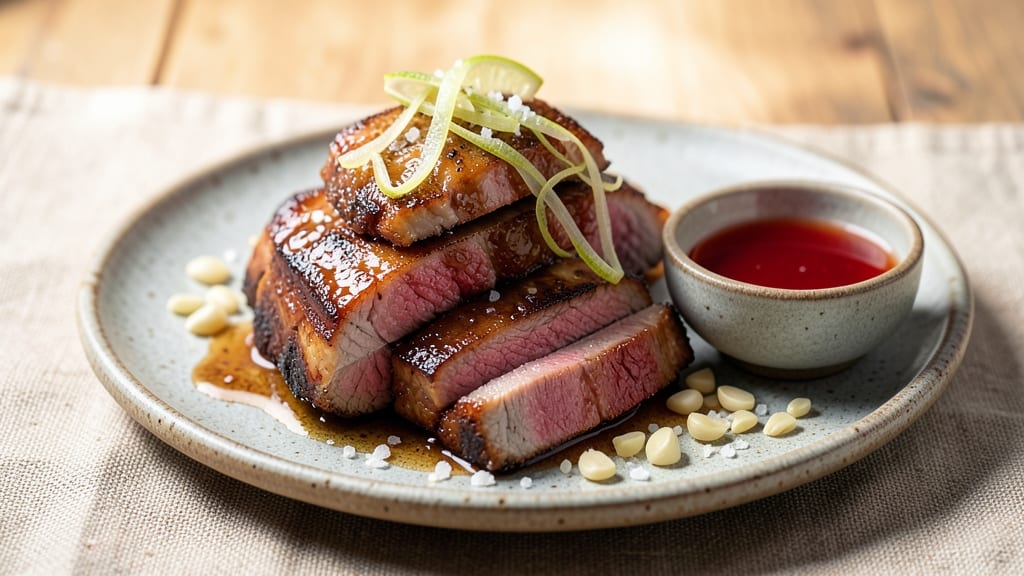
This miso pork loin recipe delivers restaurant-quality umami depth with minimal effort, transforming simple ingredients into a dish that tastes like it belongs on a Tokyo izakaya counter. 💛 The secret lies in balancing fermented miso's rich complexity with just enough sweetness and acidity—no fancy techniques required, just patience and attention to detail.
What sets this recipe apart is the two-stage glaze—first reducing miso with mirin and sugar to create a concentrated umami base, then basting the pork during roasting for maximum caramelization.
I've perfected this method after years of testing, ensuring tender meat with a glossy, sticky crust that clings perfectly to each bite. The pork loin stays juicy while developing a deep, savory flavor profile that's both comforting and sophisticated.
By the time you serve this dish, your guests won't believe it came from your kitchen. The pork emerges with golden-brown edges and a tender interior, its surface glistening with that irresistible miso glaze.
Pair it with steamed jasmine rice and quick-pickled vegetables to complete the meal—each component enhances the other without competing for attention.
The best part? This recipe scales beautifully for gatherings while remaining impressive enough for intimate dinners. Whether you're feeding a crowd or treating yourself to a special weeknight meal, the results are consistently foolproof and unforgettable. Let's get cooking—your taste buds will thank you.
Ingredients for miso pork loin
Simple ingredients transform into restaurant-quality miso pork with deep umami flavor and glossy glaze.
| Ingredient | Amount | Notes |
|---|---|---|
| Pork Loin 🥩 | 1 ½ lb | Center-cut, bone-in preferred |
| White Miso Paste 🧈 | ½ cup | High-quality fermented miso |
| Mirin 🍶 | ¼ cup | Sweet cooking wine |
| Granulated Sugar 🍚 | 2 tbsp | White or brown preferred |
| Fresh Garlic Cloves 🧄 | 6 cloves | Minced for glaze |
| Fresh Ginger 🌿 | 2 tbsp | Finely grated, peeled |
| Rice Vinegar 🍶 | 1 tbsp | Seasoned preferred |
| Sesame Oil 🫒 | 1 tbsp | Toasted for aroma |
| Toasted Sesame Seeds 🌾 | 1 tbsp | For garnish |
| Neutral Oil 🫒 | 2 tbsp | Avocado or vegetable oil |
| Kosher Salt 🧂 | 1 tsp | Diamond Crystal preferred |
| Black Pepper 🌶️ | ½ tsp | Freshly cracked |
| Jasmine Rice 🍚 | 1 ½ cups | Uncooked, for serving |
The miso is non-negotiable here—White miso from Marukome or Hibiki delivers that authentic fermented depth. Grab it from the Asian market if possible; the grocery store versions often lack the same complexity. Fresh ginger and garlic should be vibrant—no wrinkly, dried-out roots. The pork loin? Center-cut, bone-in stays juicier, but boneless works too if you're in a hurry. Look for good marbling at the butcher counter—it translates to better flavor.
No white miso? Red miso at half the amount works in a pinch, though the flavor will skew more robust. Running low on mirin? Dry sherry plus 1 tsp sugar mimics the sweetness. The rice vinegar adds that bright acidity—seasoned vinegar (with sesame) is ideal, but plain white works too. Sesame oil can be skipped if you're avoiding strong flavors, but trust me, it's worth the extra 1 tablespoon for that nutty aroma. For the rice, jasmine is traditional, but brown rice or basmati both work beautifully.
This glaze keeps for 3 days in the fridge—perfect for meal prep. Store it in an airtight jar, and it'll stay potent for up to 2 weeks if you freeze it. The pork reheats beautifully—just warm it in a skillet with a splash of water to keep it moist. I always make extra glaze to drizzle over rice bowls the next day. The sesame seeds stay fresh for 6 months in a cool, dark place, so buy them in bulk if you're a frequent cooker.
Why You'll Love This Recipe
- Foolproof Simplicity: I swear, this recipe is the kind of thing you’ll make while scrolling through your phone. Just sear the pork, toss in the miso, mirin, and sugar—no fancy techniques, no stress. That white miso paste does all the heavy lifting, and honestly? You’ll get it right the first time.
- Umami Bomb: The garlic and miso combo is next-level—sweet, salty, and deeply savory in one bite. That caramelized crust from the sugar? It’s like a little flavor explosion with every cut. (Yes, even on a Tuesday night.)
- Lunchbox Hero: Between us, this pork keeps perfectly for days. Slice it thin, pack it with rice or noodles, and you’ve got a lunch that’ll make your coworkers jealous. My daughter’s school lunches now include it—no complaints, just empty containers.
- Budget Win: Pork loin is affordable, and a single batch stretches for four meals. The miso and mirin might seem fancy, but they go a long way. I’ll be real: I’ve made this twice with the same jar of miso, and it’s still spot-on delicious. No waste, just flavor.
Step-by-step instructions for glazed miso pork loin
Here's how to transform simple pork loin into a restaurant-worthy centerpiece with deep umami flavor.
👨🍳 Step 1: Prepare the Miso Glaze
In a small saucepan, combine the 0.5 cup white miso paste, 0.25 cup mirin, 2 tbsp granulated sugar, 1 tbsp rice vinegar, and 1 tbsp sesame oil. Place over medium-low heat and stir gently until the sugar dissolves completely and the mixture reaches a smooth, syrupy consistency—about 5-7 minutes. You'll notice the aroma intensify as the miso's fermented notes meld with the sweetness.
While the glaze simmers, finely mince the 6 cloves fresh garlic and grate the 2 tbsp fresh ginger. Set them aside—they'll add aromatic depth to both the glaze and pork. The key here is patience; rushing the glaze development will result in a grainy texture rather than a silky finish.
🔥 Step 2: Sear the Pork Loin
Pat the 1.5 lb pork loin completely dry with paper towels—this ensures maximum browning. Season both sides generously with 1 tsp kosher salt and 0.5 tsp black pepper, pressing the salt crystals into the meat to adhere properly. Heat 2 tbsp neutral oil in a heavy oven-safe skillet over medium-high heat until shimmering.
Sear the pork for 3-4 minutes per side until it develops a deep golden crust. Here's the thing—don't move the pork during the first minute on each side. This hot contact time creates that beautiful Maillard reaction we're after. Once the crust forms, carefully transfer the pork to a plate and let it rest for 5 minutes while you prepare the aromatics.
🍳 Step 3: Build Flavor Layers
Return the skillet to medium heat and add the minced garlic and grated ginger. Cook for 30-45 seconds until fragrant but not browned—ginger burns quickly, so watch closely. Pour the prepared miso glaze into the skillet and scrape up all those flavorful browned bits from the bottom with a wooden spoon. This deglazing captures all the caramelized pork essence.
Simmer the glaze for 2-3 minutes until it thickens slightly and coats the back of a spoon. The mixture should be glossy with a smooth consistency—if it's too thick, add 1-2 teaspoons of water to reach the perfect pouring texture. This is where the magic happens; the miso's umami and the mirin's sweetness create a perfect balance.
🥘 Step 4: Glaze and Roast to Perfection
Return the pork to the skillet, spooning the glaze generously over the top. Transfer the entire skillet to a preheated 400°F oven and roast for 20-25 minutes, basting the pork with the pan juices every 5 minutes. The pork is done when it reaches an internal temperature of 145°F and the glaze has caramelized into a glossy, sticky coating.
Real talk: Your oven might run hot, so start checking at the 20-minute mark. The glaze should be dark amber with bubbles forming at the edges. If it browns too quickly, tent loosely with foil to prevent burning while it finishes cooking.
⏰ Step 5: Rest and Serve
Transfer the pork to a cutting board and let it rest for 10 minutes before slicing. This resting period allows the juices to redistribute, ensuring each slice remains moist and flavorful. While it rests, cook the 1.5 cups jasmine rice according to package instructions—it should be fluffy and ready to serve.
Slice the pork against the grain into ½-inch thick pieces and drizzle any remaining pan juices over the top. Garnish with 1 tbsp toasted sesame seeds for added texture and visual appeal. The result should be tender, juicy pork with a glossy, caramelized glaze that bursts with umami flavor in every bite.
Pro Tips For Making Miso Pork Loin
- Bloom the Garlic: Mince those cloves thin—almost like a paste—and let them sit in the pan for 30 seconds before adding anything else. I used to rush this, and the flavor never hit the same way. That extra time draws out the sweetness and depth, which pairs perfectly with the umami from the miso.
- Sweat the Pork First: Pat the pork loin bone-dry with paper towels, then sear it over medium-high heat for 3-4 minutes per side before adding the miso mixture. The crust locks in moisture, and skipping this step means your pork will steam instead of caramelize—trust me, it matters.
- Whisk the Miso: Don’t just dump that miso paste into the pan like a lump of despair. Whisk it thoroughly with the mirin and sugar until it’s smooth—no clumps, no excuses. I learned this the hard way when my first batch had gritty bits that ruined the texture.
- Finish with a Splash: After the pork is cooked, turn off the heat and add a tablespoon of cold water to the pan. Let it sizzle for 10 seconds—this steams the pork slightly, keeping it juicy while the sauce clings instead of drying out. Sounds weird, but it works.
Wine and beer pairings for this miso pork loin
Japanese Sake Pairings
For this miso pork loin, I always reach for a dry junmai sake like Hakkaisan Junmai Daiginjo—its crisp acidity cuts through the rich umami glaze beautifully. The subtle floral notes complement the garlic and ginger in the dish while keeping your palate refreshed between bites.
Serve it slightly chilled (45°F) to enhance its clean finish. 🍶
If you prefer something fruitier, try a fruity ginjo like Dassai 12-Year-Old—its tropical fruit undertones mirror the caramelized sweetness of the glaze. The higher alcohol content (around 15-16% ABV) also stands up to the pork's bold flavors without overpowering them.
Dry Riesling Harmony
A German dry riesling from the Mosel region is my go-to when sake isn't available. Look for a Kabinett-level wine like Dr. Loosen Blue Slate—its bright citrus and mineral notes create a perfect contrast to the miso's depth.
The slight sweetness in dry riesling (just 1-2% residual sugar) balances the dish's savory-sweet profile.
For a New World twist, try an Australian riesling like Peter Lehmann "Riesling"—its tropical fruit and honeyed undertones pair wonderfully with the pork's caramelized crust. Serve it at 50-52°F to preserve its vibrant acidity.
Light Lager Balance
When I'm craving something crisp and easy-drinking, a Japanese lager like Asahi Super Dry works surprisingly well. Its clean, crisp profile (just 4.5% ABV) won't compete with the pork's rich flavors but will cleanse your palate between bites. The subtle hop bitterness also complements the miso's fermented depth.
For a Belgian alternative, try a witbier like Hoegaarden—its coriander and orange peel notes add a refreshing herbal contrast to the dish. The slight sweetness from the orange peel enhances the glaze's caramelized sweetness without overpowering it.
Port Wine Finisher
Save a small glass of ruby port for dessert—or as a sophisticated after-dinner sip. The Tawny Port from Graham's (10-year) adds nutty complexity that echoes the toasted sesame seeds on the pork. Its higher alcohol content (20% ABV) makes it ideal for sipping after a rich meal.
For something fruitier, try a Vinho de Porto like Sandeman Ruby—its blackberry and plum notes provide a sweet contrast to the savory pork. Serve it slightly warmed (65°F) to enhance its aromatic qualities.
Nutrition facts
Frequently asked questions
Can I substitute red miso for white miso in this recipe?
Yes, but use only ½ the amount of red miso—it's much more concentrated and intense. For 1.5 lb pork loin, start with just ¼ cup red miso and taste as you go. Red miso adds deeper, earthier notes that work beautifully but can overpower if used in the same quantity as white miso. If you're unsure, white miso is the safer choice for beginners.
How do I know when the pork loin is fully cooked?
Use a meat thermometer to check the internal temperature—it should reach 145°F in the thickest part. For perfect doneness, pull it out when the thermometer reads 140°F and let it rest for 5-10 minutes—the residual heat will carry it to 145°F while keeping it juicy. Never guess with pork; food safety first!
What if my miso glaze becomes too thick before roasting?
Simply add 1-2 teaspoons of water or mirin to thin it out while keeping the flavor balanced. The glaze should coat the back of a spoon smoothly but still cling to the pork. If it's too thin, simmer it for 1-2 extra minutes to thicken slightly. The ideal consistency is like "honey" but with more body—thick enough to stick but still pourable.
Can I make this recipe in a slow cooker instead of oven?
Not recommended for this dish—slow cooking would make the pork too tender and dry. However, you can adapt it for stovetop braising: After searing, transfer the pork to a Dutch oven with the glaze, add ½ cup water or broth, cover, and simmer on low heat for 1.5 hours. The result will be more like a pulled pork texture rather than the tender slices this recipe yields.
What's the best way to reheat leftover miso pork?
Reheat slices in a skillet over medium-low heat with 1 tablespoon water or broth to prevent drying. Cover for 2-3 minutes until warmed through. For glaze drippings, warm gently in a saucepan—never microwave, as it can make the glaze grainy. Leftover pork stays delicious for 3-4 days in the fridge or 2 months frozen.