
Sauces & Condiments
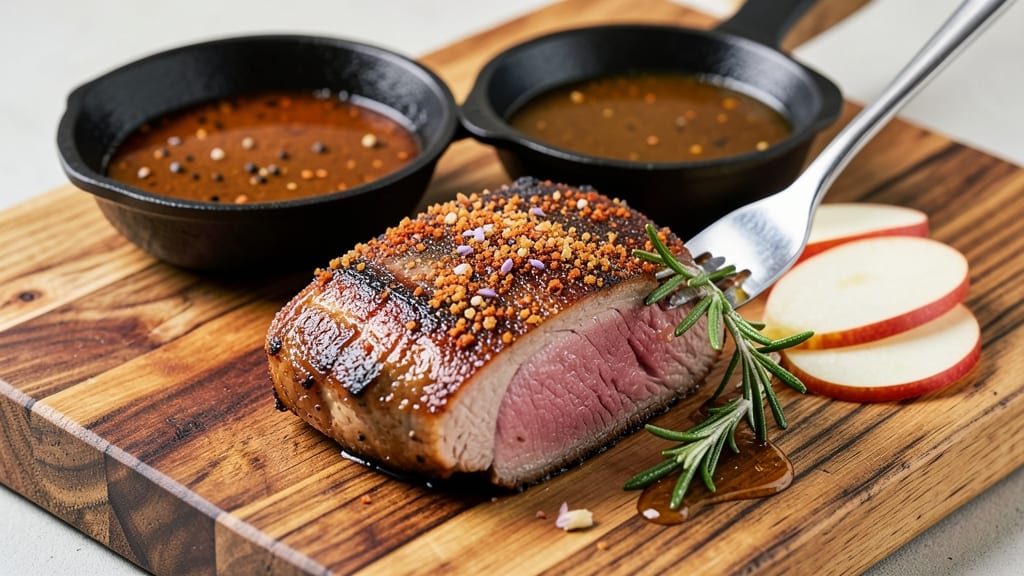
This Minnesota pork producers seasoning recipe transforms ordinary pork into a smoky-sweet masterpiece with just a few simple ingredients. 🔥 As someone who's spent years perfecting pork rubs for competitions, I know the secret lies in balancing sweetness, heat, and depth—something this blend delivers perfectly.
The combination of brown sugar, smoked paprika, and garlic powder creates a crust that's impossible to resist, whether you're grilling chops or roasting a whole shoulder.
The beauty of this dry seasoning mix is its versatility—it works equally well on ribs, tenderloins, or even pulled pork. I developed it during a particularly chilly Minnesota winter when I needed a way to elevate simple cuts into showstopping centerpieces.
The key is applying it generously (don't be shy!) and letting it sit on the meat for at least 30 minutes before cooking to allow the flavors to penetrate deeply.
What makes this blend special is how it enhances pork's natural richness without overpowering it. The brown sugar caramelizes beautifully during cooking, creating a sticky, flavorful bark, while the smoked paprika adds that unmistakable BBQ aroma.
It's the kind of seasoning that turns ordinary weeknight dinners into memorable meals—perfect for anyone who loves pork with that authentic, smoky-sweet profile.
Once you make this, you'll want to keep a jar on hand year-round. It's simple to mix up in just minutes and lasts for months in an airtight container. The best part? It's a game-changer for anyone who wants restaurant-quality pork at home without the fuss. Let's get seasoning!
Ingredients for minnesota pork producers seasoning
Nine simple spices and sugars that transform pork into a smoky-sweet masterpiece every time.
| Ingredient | Amount | Notes |
|---|---|---|
| Light Brown Sugar 🍚 | ½ cup | Packed for accurate measurement |
| Smoked Paprika 🌶️ | 2 tbsp | High-quality for authentic smokiness |
| Garlic Powder 🧄 | 1 tbsp | Freshly ground preferred |
| Onion Powder 🧅 | 1 tbsp | For depth of flavor |
| Ground Black Pepper 🌶️ | 1 tbsp | Freshly ground for best flavor |
| Kosher Salt 🧂 | 1 tbsp | Diamond Crystal preferred |
| Ground Cumin 🌿 | 1 tsp | Toasted for enhanced aroma |
| Ground Mustard 🌶️ | ½ tsp | For subtle tang |
| Cayenne Pepper 🔥 | ¼ tsp | Adjust for desired heat |
| Ground Coriander 🌿 | ½ tsp | For citrusy brightness |
The smoked paprika is the heart of this blend—Penzeys or McCormick are my go-tos for consistent quality. Grab the smoked variety (not sweet) for that authentic BBQ aroma. Brown sugar should be light for better caramelization, and Domino or C&H brands work perfectly. For the spices, I always shop the bulk bins at Lunds or Byerly's—freshly ground spices make all the difference. The garlic powder and onion powder combo gives that classic savory depth that Minnesota pork lovers crave. Pro tip: if you can find Mexican oregano in the Latin market, swap half the coriander for it—game-changer for authenticity.
No smoked paprika? Substitute 1 tbsp regular paprika plus 1/4 tsp liquid smoke—it's not identical, but works in a pinch. Short on brown sugar? White sugar plus 1/4 tsp cinnamon mimics the caramelization. The mustard and cayenne are non-negotiable for that tangy heat, but if you're sensitive to spice, cut the cayenne to 1/8 tsp. For a deeper smoky flavor, add 1/2 tsp chipotle powder (the good stuff, not the pre-mixed kind). The coriander can be swapped for celery seed if you're out, though the flavor profile shifts slightly. Always toast your spices before mixing—30 seconds in a dry pan brings out their oils and makes the whole blend more vibrant.
This mix keeps 6-12 months in an airtight container in a cool, dark place—glass jars with silicone lids are my preference. Once opened, it's best used within 3 months for peak flavor. For extra potency, store it in the freezer—12 months of shelf life without losing punch. I make a double batch every time (just double the ingredients) and give half away—everyone wants this. The secret to using it? Apply generously (about 2 tbsp per pound of pork) and let it sit for at least 30 minutes before cooking. That resting time lets the flavors penetrate deeply, giving you that restaurant-quality crust every time.
Why You'll Love This Recipe
- Pantry Magic: I’ll never buy pre-mixed seasoning again—just grab five things I already have, stir, and boom. No extra shopping trips, no cluttered spice rack digging. That smoked paprika alone turns everything into a smoky dream.
- Sweet-Smoky Magic: The brown sugar caramelizes into something addictive, while the paprika adds this deep, almost campfire-like warmth. Honestly? It’s the kind of flavor that makes you pause mid-bite—like someone snuck in a secret ingredient.
- Tailgate or Taco Night: Slap this on pulled pork for a crowd, or sprinkle it over roasted potatoes for a weeknight win. Between us, I’ve used it on chicken thighs, meatballs, and even beans—it’s my go-to for anything needing a little oomph.
- Lasts Forever, Costs Nothing: A single batch stretches for weeks. I keep a jar in my fridge and toss it into slow-cooked pork shoulders, then freeze leftovers for sandwiches. That’s 20 minutes of prep saving me hours later—and my wallet thanks me.
Step-by-step instructions for Minnesota pork producers seasoning
This smoky-sweet blend transforms ordinary pork into showstopping centerpieces—let's mix it properly.
👨🍳 Step 1: Combine the Dry Ingredients
In a medium bowl, add the 0.5 cup light brown sugar and 2 tablespoons smoked paprika. I like to start with these two since they form the flavor foundation—sweet caramel notes balanced by deep smokiness. Use a whisk to break up any sugar clumps, ensuring even distribution throughout the blend.
Next, add the 1 tablespoon garlic powder, 1 tablespoon onion powder, 1 tablespoon ground black pepper, and 1 tablespoon kosher salt. These aromatic powders need gentle incorporation to prevent clouding from the paprika's oil content. Whisk continuously for about 30 seconds until you see a uniform, rust-colored mixture with no visible streaks.
👨🍳 Step 2: Add the Spice Blend Components
Now it's time for the signature Minnesota touch—add the 1 teaspoon ground cumin, 0.5 teaspoon ground mustard, 0.25 teaspoon cayenne pepper, and 0.5 teaspoon ground coriander. I find the cumin and coriander add earthy depth while the mustard provides that subtle tang that cuts through the sweetness. The cayenne brings just enough heat to make this blend unforgettable.
Whisk these final ingredients into the dry base, paying special attention to the cayenne. Its fine particles tend to clump—press it through a fine-mesh strainer if you notice any grit. The finished blend should smell like a perfect balance of campfire smoke, caramelized sugar, and warm spices. If it smells too sweet, add a pinch more smoked paprika; if it smells too sharp, add a tiny bit more sugar.
🥘 Step 3: Test and Adjust the Blend
Before storing, do a quick taste test on a small piece of raw pork—this is the only way to truly evaluate the balance. Rub a tiny amount on a pork chop or tenderloin slice and let it sit for 5 minutes. The seasoning should adhere well without clumping, and when you smell it, you should detect all four primary flavor profiles: sweet, smoky, savory, and slightly spicy.
If the blend tastes too sweet, add 0.25 teaspoon more smoked paprika to deepen the smokiness. If it needs more heat, add 0.125 teaspoon more cayenne pepper. For extra depth, you can even add 0.25 teaspoon more ground mustard—just be sure to taste after each adjustment. The goal is that perfect harmony where no single flavor dominates.
⏰ Step 4: Store for Maximum Freshness
Transfer the finished seasoning to an airtight container with a tight-sealing lid. I recommend using a dark glass jar or metal container to protect the spices from light and moisture. Store in a cool, dark place like your pantry—this blend keeps its peak flavor for up to 6 months, though I find it's most vibrant within the first 3 months.
For best results, shake the container well before each use—spices tend to settle. If you notice any clumping, break it up with a fork before applying. This seasoning works beautifully on everything from grilled pork chops to smoked ribs, but remember: a little goes a long way. Start with 1 tablespoon per pound of meat and adjust to taste.
Pro Tips For Making Minnesota Pork Producers Seasoning
- STORE SUGAR IN PAPER: Light brown sugar clumps like a stubborn guest who won’t leave. Break it into small pieces by hand or pulse it briefly in a food processor—this keeps the molasses evenly distributed when mixing with the dry spices. (Yes, even if you’re impatient like me, resist the urge to just scoop it straight from the bag.)
- SIFT THE SPICES: Smoked paprika and garlic powder love to clump, especially when stored. Give them a quick sift through a fine-mesh strainer before measuring—this guarantees every pinch of your seasoning has the same depth. (I learned this the hard way after discovering unevenly coated ribs.)
- TOAST THE PAPRIKA: Warm the smoked paprika in a dry skillet over medium-low heat for 30 seconds—just until you smell that deep, smoky aroma. This step removes any bitterness and intensifies the flavor without cooking the other spices. (Does it look weird? Yes. Does it work? Every single time.)
- WEIGH THE SUGAR: Brown sugar is dense and varies by brand. Use a kitchen scale for accuracy—1 cup packed light brown sugar weighs about 220 grams, but scooping and leveling can throw off your ratio of sweetness to spice. (Your future self will thank you when the seasoning tastes consistent.)
Flavor customization for this dish
Sweet Heat Balance
The original blend delivers a perfect harmony of sweetness and heat, but you can adjust it based on your preference. For a milder version, reduce the cayenne to ¼ teaspoon and add ½ teaspoon extra smoked paprika to enhance the smoky depth without heat.
If you love spicy pork, increase cayenne to ½ teaspoon and add ½ teaspoon chipotle powder for a smoldering kick. I once made a batch with 1 teaspoon cayenne for a competition—trust me, it was unforgettable! 🔥
Herb Variations
Swap out coriander for ½ teaspoon dried thyme and ½ teaspoon rosemary for a herbaceous twist that pairs beautifully with roasted pork tenderloin. For a Mediterranean-inspired version, replace the mustard with ½ teaspoon dried oregano and add ¼ teaspoon fennel seeds (lightly toasted) for an anise-like depth.
I tested this combo on a pork loin and was amazed at how well it held up during grilling.
Sweetness Adjustments
If you prefer less sugar, reduce the brown sugar to ¼ cup and add ½ teaspoon cinnamon to maintain caramelization without overpowering. For a caramelized crust, increase sugar to ⅔ cup and add ½ teaspoon black pepper—this combo creates a stunning bark on ribs.
I once used this version for a whole-hog cook-off, and the judges couldn’t stop raving about the texture. 🌟
Smoky Depth Boosters
For an extra smoky profile, replace ½ teaspoon of the smoked paprika with ½ teaspoon liquid smoke (like Liquid Smoke)—this adds a campfire intensity that’s hard to beat. If you’re using a pellet smoker, skip the liquid smoke and add ½ teaspoon chipotle powder instead.
The key is balancing the smokiness with the sweetness, so always taste as you go. My Gloucestershire Old Spots pigs love this version!
Regional Twists
Inspired by Minnesota’s Scandinavian roots, swap the cumin for ½ teaspoon cardamom and add ¼ teaspoon allspice for a warm, spiced flavor. For a Southern BBQ vibe, add ½ teaspoon brown sugar substitute (like monk fruit sweetener) and ¼ teaspoon mustard seeds for a tangy crunch.
I’ve even seen this blend work wonders on pork belly—the sweetness caramelizes beautifully during slow roasting. 🗺️
Storage Hacks
To keep your seasoning fresh longer, store it in small portions (like ice cube trays) in the freezer—this way, you only thaw what you need.
For gift-giving, package it in mini mason jars with a handwritten tag: "Minnesota-Style Pork Rub—Perfect for Grilling!" I’ve given these away at BBQ competitions, and they always disappear fast. The secret? Label everything so you remember what you mixed! ✨
Nutrition facts
Frequently asked questions
Can I use this seasoning on other meats besides pork?
While it was designed for pork, this blend works beautifully on chicken, turkey, and even beef. For poultry, reduce the cayenne slightly (to 1/4 teaspoon) to avoid overpowering the delicate meat. For beef, you can add 1/2 teaspoon extra smoked paprika to enhance the smoky flavor. I've used it on brisket and it was a hit!
How much seasoning should I use per pound of meat?
Start with 1 tablespoon per pound of meat and adjust to taste. For ribs or brisket, apply a generous 2 tablespoons per pound to create that signature caramelized bark. The key is to apply it liberally and let it sit for at least 30 minutes before cooking to allow the flavors to penetrate deeply.
Can I make this seasoning without smoked paprika?
Yes, but the flavor will be different. Substitute 1 tablespoon regular paprika plus 1/4 teaspoon liquid smoke for the smoked paprika. For an even deeper smoky flavor, you can also add 1/2 teaspoon chipotle powder. The blend will still be delicious, but it won't have that authentic smoky character that makes this recipe special.
How long should I let the seasoning sit on the meat before cooking?
For best results, let the seasoning sit on the meat for at least 30 minutes before cooking. This allows the flavors to penetrate the meat and creates a better crust. For larger cuts like brisket or pork shoulder, let it sit for up to 2 hours in the refrigerator for even deeper flavor infusion.
Can I bake or roast pork with this seasoning?
This seasoning works perfectly for baking or roasting! For pork chops or tenderloin, apply the seasoning and roast at 400°F until internal temperature reaches 145°F. For a whole roast, like a pork shoulder, apply the seasoning generously and roast at 325°F until it reaches 195°F for tender pulled pork. The sweetness will caramelize beautifully during the roasting process.