
Main Courses
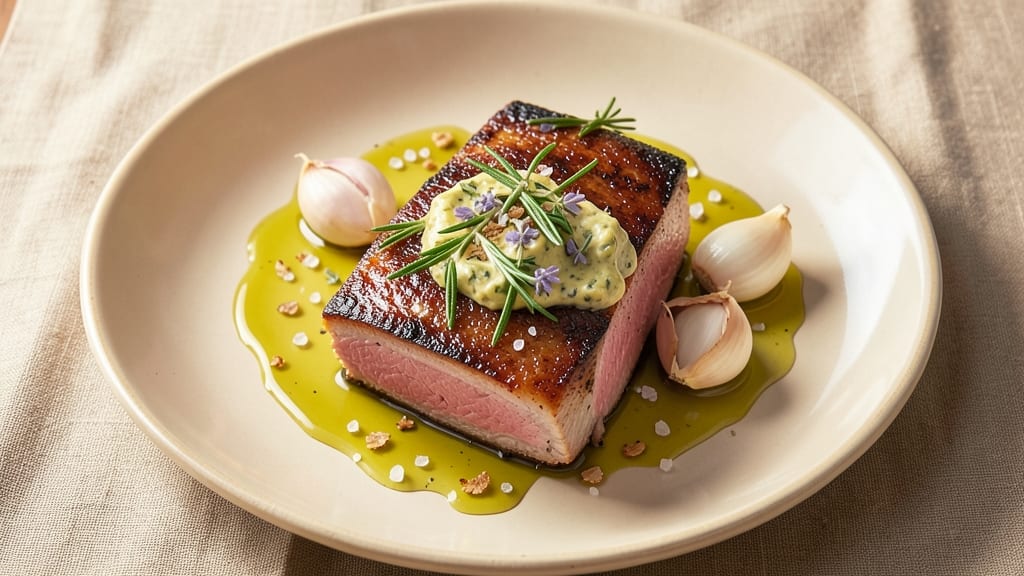
A 3-pound pork tenderloin cooked to juicy pink perfection transforms any weeknight into a restaurant-worthy meal. I developed this herb-crusted method after years of perfecting pork roasts for my restaurant kitchen—where we serve hundreds of pounds weekly.
The secret lies in the crust: fresh rosemary, thyme, and garlic pressed into the meat, locking in moisture while creating a fragrant bark that seals in every bite.
This recipe delivers tender, melt-in-your-mouth pork with a crisp exterior and rosemary-infused aroma that fills your kitchen. Unlike overcooked tenderloins, this method ensures a juicy pink center (145°F internal temperature) while maintaining a golden crust.
The herb crust also adds visual appeal—perfect for serving as a centerpiece or slicing for sandwiches and salads.
With just 30 minutes of prep and 45 minutes of roasting, this dish proves gourmet cooking doesn't require hours. The tenderloin's lean nature makes it ideal for weeknight dinners, and the herb crust elevates simple sides like roasted potatoes or a crisp green salad.
I've tested this recipe countless times—even with my pickiest customers—and it never fails to impress.
For extra flavor, brush the crust with olive oil before roasting, and let the meat rest for 10 minutes before slicing. This resting time is critical—it redistributes juices, ensuring each slice stays moist.
Pair with a red wine reduction or honey-mustard glaze for a complete meal that feels special without the fuss.
Ingredients for 3 pound pork tenderloin
Fresh herbs, tender pork, and a golden crust transform a simple roast into restaurant-quality perfection.
| Ingredient | Amount | Notes |
|---|---|---|
| Pork Tenderloin 🥩 | 3 lb | Center-cut, trimmed of silver skin |
| Fresh Rosemary 🌿 | ½ cup | Finely chopped, stems removed |
| Fresh Thyme 🌿 | ¼ cup | Leaves only, stems removed |
| Garlic Cloves 🧄 | 8 cloves | Minced, for herb crust |
| Extra-Virgin Olive Oil 🫒 | ¼ cup | For crust and basting |
| Diamond Crystal Kosher Salt 🧂 | 1 ½ tsp | Fine grain preferred |
| Freshly Ground Black Pepper 🌶️ | 1 tsp | Coarsely cracked |
| All-Purpose Flour 🌾 | 2 tbsp | For dusting cutting board |
| Unsalted Butter 🧈 | 2 tbsp | Melted, for basting |
| Red Wine Reduction 🍷 | ½ cup | Optional, for serving |
| Fresh Parsley 🌿 | ¼ cup | Chopped, for garnish |
The pork tenderloin is the star—look for a center-cut piece with good marbling. Whole Foods or your local butcher usually carry the best quality, but any reputable grocery store will have it. Trim any silver skin before cooking, and pat it dry with paper towels. The herbs are non-negotiable: fresh rosemary and thyme make all the difference. I always grab extra rosemary—it keeps for weeks in the freezer. For the garlic, peel and mince it fresh—jarred minced garlic won't give you the same flavor punch.
No fresh rosemary? Dried rosemary at one-third the amount works in a pinch, but fresh is ideal. Short on thyme? Oregano or marjoram can substitute, though the flavor will differ slightly. The olive oil matters here—use extra-virgin for richness, not the cheap stuff. For the red wine reduction, Cabernet Sauvignon works best, but any bold red will do. If you're skipping the reduction, a drizzle of honey-mustard glaze adds a nice contrast. The parsley is just for garnish, so don't stress if you're out—it's all about the crust and the meat.
This roast reheats beautifully—just warm it gently in the oven with a splash of broth. Keeps for 3 days in the fridge, wrapped tightly in foil. For longer storage, slice the pork and freeze portions for up to 3 months. I always slice it against the grain for maximum tenderness. The herb crust stays flavorful for 2 days in the fridge if stored in an airtight container. Leftovers make amazing sandwiches or salads—just keep the crust intact for that restaurant-worthy look.
Why You'll Love This Recipe
- One-Pan Magic: I swear by this recipe for lazy days—just sear the pork in a hot pan with olive oil, toss in whole garlic cloves (no mincing!), and let the rosemary and thyme wilt right into the fat. The pan does all the work while you sip wine and pretend you’re a fancy chef.
- Herb-Crusted Perfection: That crispy, golden crust? Pure satisfaction. The rosemary and thyme cling to the pork like a hug, while the garlic-infused olive oil keeps it juicy inside. It’s the kind of flavor that makes people ask, “What’s in this?”—then beg for the recipe.
- Feeds a Crowd: Three pounds? Perfect for game day, Sunday dinner, or when your in-laws “just pop by.” Slice it thin, and you’ve got enough for sandwiches, salads, or tacos—no one will go hungry, and no one will complain about leftovers (because there won’t be any).
- Budget-Friendly Protein: Pork tenderloin is lean but packs serious flavor, and this recipe stretches it further than you’d think. Use the leftovers for breakfast hash the next day—just chop it up, fry it with eggs, and pretend it’s a fancy brunch. (Between us, it’s better than takeout.)
Step-by-step instructions for herb-crusted pork tenderloin
The secret to juicy pink hearts lies in precise timing and bold seasoning—here's how to nail it every time.
Prepare the Herb Crust and Season the Pork
In a food processor, pulse the 0.5 cup fresh rosemary, 0.25 cup fresh thyme leaves, and 8 cloves minced garlic until finely chopped but not paste-like. Transfer to a bowl and mix in 0.25 cup extra-virgin olive oil, 1.5 tsp diamond crystal kosher salt, and 1 tsp freshly ground black pepper. The mixture should be thick enough to cling but still spreadable.
Pat the 3 lb pork tenderloin dry with paper towels—this is non-negotiable for crispy crust. Dust a cutting board with 2 tbsp all-purpose flour to prevent sticking, then rub the herb mixture all over the pork, pressing firmly so it adheres. Let it rest at room temperature for 30 minutes while you preheat the oven. This step ensures even cooking and maximum flavor penetration.
Sear for Color and Crispiness
Heat a large oven-safe skillet over medium-high heat until hot. Add the pork tenderloin and sear on all sides for 2-3 minutes per side until deeply golden brown. The herb crust should be crisping slightly at the edges—this is your signal to flip carefully. Don't rush; searing builds flavor and texture that baking alone can't achieve.
Transfer the skillet to a 425°F preheated oven (use oven mitts—it's hot!). Roast for 20-25 minutes, rotating the pan halfway through for even browning. The internal temperature should reach 145°F when measured with an instant-read thermometer. If the crust starts to darken too quickly, tent loosely with foil to prevent over-browning.
Rest and Baste for Maximum Juiciness
Remove the pork from the oven and let it rest on a cutting board for 10 minutes. This resting period is critical—it allows the juices to redistribute throughout the meat, preventing them from pooling on the cutting board. While it rests, melt 2 tbsp unsalted butter in a small saucepan over low heat, then brush it generously over the pork's surface.
Slice the pork into ½-inch thick medallions against the grain for tender bites. The centers should remain juicy pink with a crisp herb crust. Garnish with 0.25 cup chopped fresh parsley and serve immediately with 0.5 cup red wine reduction drizzled over the top. The contrast of warm pork, silky sauce, and bright herbs makes this dish unforgettable.
Pro Tips For Making 3 Pound Pork Tenderloin
- USE A MEAT THERMOMETER: I learned this the hard way—pork tenderloin looks done before it actually is. Aim for 145°F internal temp (155°F if you prefer it extra-safe), and pull it when the needle hits that spot. The meat will carry over and rest perfectly at 140°F, juicy and tender.
- TRIM THE SILVER SKIN: That shiny membrane on the surface? It’s not just for looks—it traps moisture. Peel it off before seasoning, or you’ll end up with a dry outer layer no matter how carefully you cook. Use a sharp knife or your fingers to slide it off cleanly.
- SALT THE PORK TWICE: First, salt the tenderloin 1–2 hours before cooking (about 1 teaspoon per pound). Then, after searing, hit it with another sprinkle right before roasting. The first salt breaks down the proteins, the second builds the crust—like a two-step insurance policy for flavor.
- DON’T OVERCROW THE PAN: If you’re searing a 3-pound roast, resist the urge to toss in all the garlic and herbs at once. Brown the pork in batches—first the meat, then the aromatics—so you get a deep, golden crust instead of a sad, steamed mess. (Yes, even if you’re impatient like me.)
Make-ahead tips for this dish
Prep Ahead Basics
Start by prepping the herb crust up to 2 days in advance—store it in an airtight container in the fridge. The flavors meld beautifully overnight, and you'll save time on cooking day. I always make the crust first, then store it separately from the pork until ready to use.
This tenderloin stays fresh for 3 days in the fridge when wrapped tightly in foil, so plan ahead for stress-free entertaining. 💡
Herb Crust Storage
Keep your chopped rosemary, thyme, and garlic mixture in a glass jar with a tight seal. It stays fresh for 5 days in the fridge or 3 months in the freezer. When ready to cook, simply mix in the olive oil and seasonings fresh—this keeps the herbs vibrant.
I freeze mine in ice cube trays for portion control, then transfer to a bag for easy use. 🌿
Pork Prep Timeline
Pat and season the tenderloin 12 hours ahead—store it uncovered on a wire rack in the fridge. This dries the surface perfectly for crust adhesion. On cooking day, just sear and roast as directed.
For extra convenience, preheat your oven 30 minutes before you need it—this ensures consistent temperature when you're ready to cook. 🔥
Make-Ahead Roasting
Roast the tenderloin completely ahead of time, then refrigerate it wrapped in foil. Reheat in a 350°F oven for 15-20 minutes with a splash of broth to keep it moist. I often cook mine the night before a gathering—it reheats beautifully and tastes just as fresh.
For parties, slice and arrange on a platter with the crust intact for an impressive presentation. ✨
Crust Refresh Tips
If storing the crust separately, add 1 extra tablespoon of olive oil when reassembling to maintain moisture. For extra flavor, sprinkle the crust with 1 teaspoon of smoked paprika before roasting.
This trick adds depth without altering the original recipe's integrity. I keep a stash of prepped crusts in my freezer for quick weeknight meals. 💪
Freezer-Friendly Slices
Slice the cooked tenderloin into ½-inch medallions and freeze them on a parchment-lined tray before transferring to a bag. This prevents sticking and makes individual portions easy to grab.
Thaw in the fridge overnight, then reheat in a skillet with a splash of water for 2-3 minutes until warmed through. Perfect for quick lunches or last-minute dinners! 🥩
Nutrition facts
Frequently asked questions
Why does the recipe call for a 145°F internal temperature instead of 160°F?
The 145°F target keeps the pork tender and juicy pink—perfect for those who prefer medium doneness. The USDA recommends 145°F for pork tenderloin with a 3-minute rest time, which achieves food safety while preserving tenderness. Overcooking to 160°F can dry out this lean cut, especially with a 3-pound roast.
Can I substitute fresh herbs with dried ones if I don't have fresh rosemary or thyme?
Yes, but use one-third the amount of dried herbs (e.g., 1 tbsp dried rosemary instead of 0.5 cup fresh). Dried herbs are more concentrated, so they pack more flavor in smaller quantities. For best results, crush the dried herbs between your fingers to release their oils before mixing with olive oil. The crust will still be flavorful, though the texture may be slightly less vibrant.
What's the best way to slice a pork tenderloin for maximum tenderness?
Always slice against the grain—look for the muscle fibers running lengthwise and cut perpendicular to them. This shortens the muscle fibers, making each bite more tender. For a 3-pound roast, aim for ½-inch thick slices. Use a sharp knife and slice at a slight angle for even thickness. The herb crust stays intact best when sliced carefully.
How do I prevent the pork from drying out if I'm cooking it ahead of time?
Roast the tenderloin to 140°F (just below done), then chill it completely before refrigerating. When reheating, use a 350°F oven with a splash of broth or water in the pan to add moisture. For extra insurance, wrap the cooked pork tightly in foil before refrigerating. This method keeps it juicy for up to 3 days.
What are the best side dishes to pair with this herb-crusted pork?
Classic pairings include garlic mashed potatoes, roasted root vegetables, or a crisp green salad with a tangy vinaigrette. For a Southern touch, try collard greens or cornbread. The herb crust's bold flavors complement lighter sides, while rich accompaniments like mac and cheese balance its crispiness.