
Main Courses
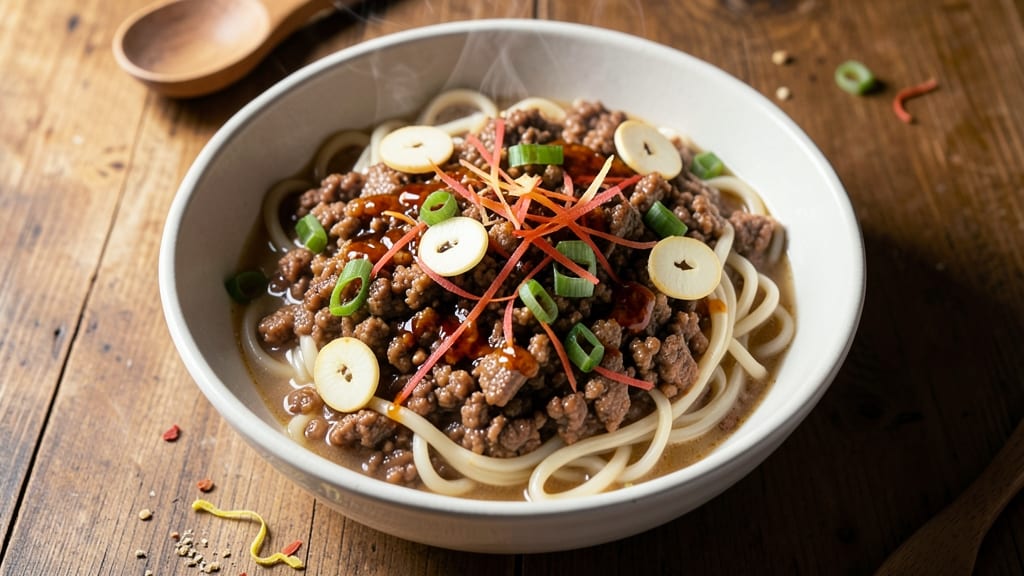
This minced pork porridge recipe delivers the comforting, savory depth of a classic Southern meal with silky rice noodles and tender pork. Growing up in Georgia, I learned how pork transforms simple ingredients into something extraordinary—this dish is proof of that magic.
The secret lies in slow-cooking the pork until it's fork-tender while building layers of aromatic broth that cling to every strand of rice noodle.
What sets this recipe apart is balancing rich pork flavors with just enough acidity from aromatics like ginger and garlic, creating harmony in every bite. You'll start with ground pork seared until golden, then simmered until it practically melts, while rice noodles soak up the deeply flavorful broth.
This method ensures the pork stays juicy and the noodles maintain their signature silky texture.
The result is a dish that's both hearty and delicate—a perfect balance of tender pork, fragrant broth, and delicate noodles. Garnish with green onions and a drizzle of chili oil for that final touch of brightness and heat.
This porridge is the kind of meal that feels like a warm hug on a chilly evening, made even better knowing you created it from scratch.
Serve immediately with a side of pickled vegetables or steamed greens to round out the meal. The leftovers reheat beautifully, making this an ideal dish for feeding a crowd or meal prepping for the week.
Let's get started on this comforting classic that brings a taste of home to your table.
Ingredients for minced pork porridge
Ground pork and aromatic broth meet delicate rice noodles in this comforting Southern classic.
| Ingredient | Amount | Notes |
|---|---|---|
| Ground Pork 🥩 | 1 ½ lb | Freshly ground for best texture |
| Rice Noodles 🍜 | 12 oz | Medium-width, uncooked |
| Garlic Cloves 🧄 | 6 cloves | Minced finely for aromatic base |
| Fresh Ginger 🌿 | 2 tbsp | Grated finely, fresh preferred |
| Green Onions 🧅 | ¼ cup | Sliced thin for garnish |
| Chili Oil 🌶️ | 2 tbsp | For finishing drizzle |
| Soy Sauce 🥄 | ½ cup | Light or all-purpose |
| Sesame Oil 🫒 | 1 tbsp | Toasted for nutty aroma |
| Vegetable Oil 🫒 | 2 tbsp | For searing pork |
| Water 💧 | 4 cups | For simmering broth |
| Salt 🧂 | 1 ½ tsp | Adjust to taste |
| White Pepper 🌶️ | ½ tsp | Freshly ground for subtle heat |
| Pickled Vegetables 🥬 | 1 cup | For serving, optional |
The pork is the heart of this dish, so freshly ground makes all the difference—pre-packaged can taste bland. Look for 80% lean pork at your butcher or grocery store's meat counter for the best texture. I always buy a little extra since it reheats so well. For the ginger, fresh is non-negotiable—dried lacks that bright punch. The rice noodles should be medium-width; wider noodles hold up better to the rich broth. If you can't find them, vermicelli noodles work in a pinch, though they'll be slightly thinner.
No sesame oil? Toasted peanut oil works beautifully for that nutty depth. Short on green onions? Fresh cilantro or chives add a similar brightness. The chili oil can be homemade (mix oil with crushed red pepper flakes) or store-bought—Lao Gan Ma is my go-to. For extra richness, add a splash of oyster sauce (vegetarian version if needed). The broth should be simmered uncovered to let the flavors concentrate—don't rush this step. If your pork browns too quickly, reduce heat to medium-low and let it cook slowly until fully tender.
This dish tastes even better the next day as flavors meld. Store leftovers in an airtight container for up to 3 days in the fridge. For longer storage, freeze portions for up to 1 month. Reheat gently over low heat with a splash of water to restore that silky texture. The noodles will absorb extra liquid, so add water gradually until creamy. Garnish with extra chili oil and green onions right before serving—that's the secret to restaurant-quality presentation
Why You'll Love This Recipe
- No-Chop Needed: I swear by this—just mince the pork (or grab pre-ground), slice the ginger thin, and toss it all in. The garlic gets minced while the pork sizzles—no knife marathons here.
- Umami Bomb: That crispy edge on the pork? Chef’s kiss. The ginger and garlic caramelize into something rich, while the noodles soak up all the savory goodness—like a hug in a bowl.
- Leftover Hero: Make a big batch on Sunday, and you’ve got lunch covered all week. The noodles soften perfectly when reheated, and the pork stays juicy—no sad, dry leftovers here.
- Budget Win: Ground pork stretches far, rice noodles are cheap, and you’re using pantry staples. Honestly, this feeds four for under $10, and everyone’s happy—even my picky teenager.
Step-by-step instructions for minced pork porridge
Here's how to create a velvety porridge with perfectly seared pork and aromatic broth.
Sear the Ground Pork for Maximum Flavor
Heat the 2 tablespoons vegetable oil in a large pot over medium-high heat until shimmering. Add the 1.5 lb ground pork and break it apart with a wooden spoon, cooking for 4-5 minutes until the meat loses its raw color and begins to brown. This step develops deep, savory flavors that infuse the entire dish.
Once the pork is mostly cooked, add the 6 cloves minced garlic cloves and 2 tablespoons fresh ginger, stirring constantly for 30 seconds until fragrant. The garlic should turn golden without burning. Remove the pot from heat and set aside temporarily—we'll return to it after preparing the noodles.
Prepare the Rice Noodles for Perfect Texture
Bring 4 cups water to a boil in a separate pot. Add the 12 oz rice noodles and cook for 3-4 minutes until they're just tender but still slightly firm to the bite. Overcooking makes them mushy. Drain immediately and rinse briefly under cold water to stop the cooking process, then drain again thoroughly.
While the noodles cook, return the pork mixture to the pot and add 0.5 cup soy sauce, 1.5 teaspoons salt, and 0.5 teaspoon white pepper. Stir well to combine all the flavors. The sauce should coat the pork evenly, creating a rich base for the porridge.
Simmer the Porridge to Silky Perfection
Add the drained rice noodles to the pork mixture and pour in 1 tablespoon sesame oil. Stir gently to distribute everything evenly. Return the pot to medium-low heat and add just enough water—about 1 cup—to create a thick, creamy consistency. The porridge should coat the back of a spoon but still be spoonable.
Simmer uncovered for 8-10 minutes, stirring occasionally, until the noodles are fully tender and the mixture reaches a silky, velvety texture. The porridge should cling to the noodles without being watery. Taste and adjust seasoning if needed—this is where you can add a splash more soy sauce or salt if desired.
Finish with Aromatic Touches
Remove the pot from heat and stir in 2 tablespoons chili oil for a subtle, spicy kick. The oil should be evenly distributed throughout the porridge. Divide the porridge among serving bowls and garnish each portion with 0.25 cup sliced green onions and 1 cup pickled vegetables on the side.
For the perfect presentation, drizzle each serving with an additional teaspoon of chili oil and a sprinkle of white pepper. Serve immediately while the porridge is still hot, allowing each diner to customize their bowl with the pickled vegetables and green onions. The contrast of textures and temperatures makes every bite satisfying.
Pro Tips For Making Minced Pork Porridge
- BLOOM THE GARLIC FIRST: Toss minced garlic in hot oil for 10 seconds until it just fragrant—no color yet. Overcooking turns it bitter, and you’ll taste it in every bite. I learned this the hard way after burning a batch where the garlic dominated instead of blending in.
- SALT THE PORK TWICE: Season ground pork with 1 teaspoon salt before cooking, then add another ½ teaspoon after it browns. The first salt tenderizes, the second locks in flavor. Skip this, and your porridge tastes flat, even with all the aromatics.
- DON’T BOIL THE NOODLES: Soak rice noodles in hot (not boiling) water for 3-4 minutes, then drain and rinse with cold water. Boiling makes them gummy—this keeps them light and silky. I used to overcook them, and the texture was a disaster.
- STIR-FRY THE GINGER LAST: Add julienned ginger to the pork after it’s halfway cooked, so it softens instead of burning. Overcooked ginger turns bitter and muddies the broth. Sounds simple, but I’ve ruined batches by ignoring this.
Dietary considerations for these flavors
Gluten-Free Adaptations
This dish is naturally gluten-free if you use tamari instead of regular soy sauce—just swap ½ cup tamari for the soy sauce. I always keep tamari on hand for gluten-free cooking, especially when making porridge.
The rice noodles should also be certified gluten-free; brands like Koyo or Thai Kitchen make excellent options. Double-check labels, as some noodles contain wheat starch. 🌱
Low-Carb Options
For a lower-carb version, replace the rice noodles with shirataki noodles (about 12 oz), which are made from konjac and have almost zero carbs.
These noodles need extra seasoning since they're bland on their own—toss them with 1 tbsp soy sauce and ½ tsp sesame oil before adding to the porridge. The texture will be different but still satisfying. I usually serve this version with extra pork to keep it hearty.
Vegetarian Substitutes
To make this vegetarian, replace the ground pork with mushroom crumbles (about 1.5 lb cremini or shiitake mushrooms finely chopped). Sauté them with the garlic and ginger until deeply browned for maximum umami.
For extra protein, add ½ cup crumbled tofu (pressed and pan-fried) or tempeh to the pot. The dish will still be rich and flavorful, just without the porky depth. 🌿
Dairy-Free Notes
This recipe is already dairy-free, but if you're using store-bought chili oil, check for hidden dairy additives—some brands include it. Homemade chili oil is always the safest bet.
For extra richness in the broth, I sometimes add 1 tbsp coconut aminos (instead of soy sauce) for a slightly sweeter, dairy-free flavor profile. The dish remains creamy and satisfying without any dairy components.
Allergen Awareness
If you're watching for allergens, this dish primarily contains pork, soy (soy sauce), and sesame (sesame oil). For a nut-free version, ensure your chili oil is nut-free (some brands use sesame oil as a base).
I always ask my local butcher to grind the pork fresh to avoid cross-contamination with allergens. When serving, keep toppings like pickled vegetables separate to accommodate different dietary needs. 💡
Nutrition facts
Frequently asked questions
Can I use regular ground beef instead of pork?
While beef works in a pinch, pork is ideal for this dish because it stays tender and absorbs flavors better. If you must use beef, opt for 80% lean ground beef and reduce cooking time by 1-2 minutes to prevent dryness. The flavor profile will be slightly different—more beefy and less delicate—but the technique remains the same.
Why does my porridge turn out watery?
Watery porridge usually means too much liquid was added during simmering. The key is to start with 1 cup water and adjust gradually—it should coat the back of a spoon but still be spoonable. If it's too thin, simmer uncovered for 2-3 extra minutes to let moisture evaporate. For extra thickness, stir in 1 tsp cornstarch mixed with 1 tbsp water at the end.
How do I make this dish ahead of time?
This porridge reheats beautifully! Store leftovers in an airtight container for 3 days in the fridge. To reheat, add 1-2 tbsp water per serving and simmer on low heat until hot. For longer storage, freeze portions for up to 1 month. Thaw overnight in the fridge before reheating—never microwave directly from frozen.
What's the best way to make the pork extra tender?
For melt-in-your-mouth pork, sear it until golden brown first, then simmer it in the broth for 5-7 minutes after adding the noodles. The slow cooking breaks down the fibers. Also, use freshly ground pork (never pre-packaged) and avoid overcooking—it should be just pink in the center when done.
Can I add vegetables to this recipe?
Stir in 1 cup finely chopped bok choy or ½ cup shredded cabbage during the final 5 minutes of simmering. For heartier versions, add ½ cup diced bell peppers or ½ cup corn kernels when searing the pork. Just