
Main Courses
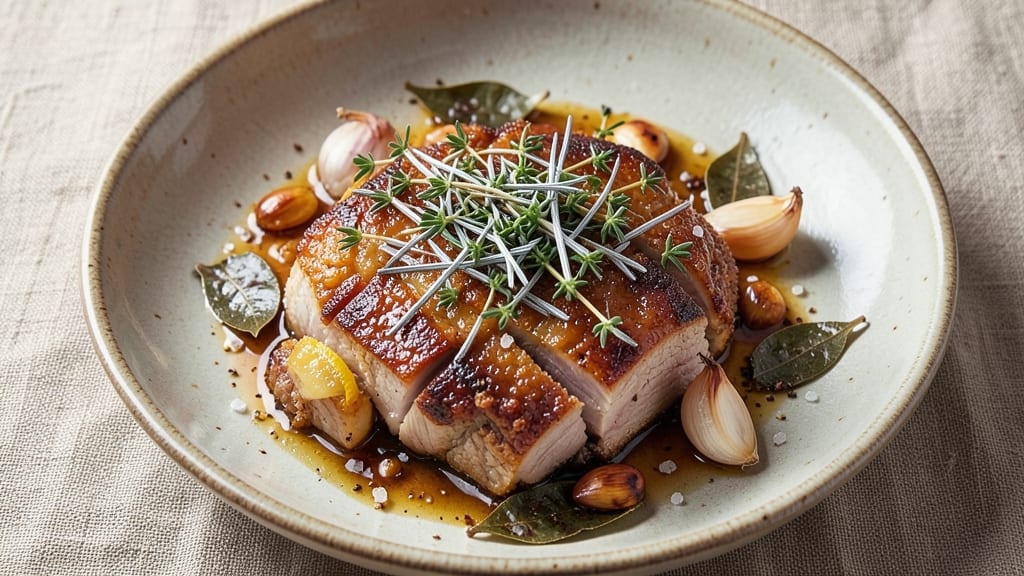
Michel Roux's pork rillettes transform humble pork shoulder into a luxurious, melt-in-your-mouth confit with crispy celery crowns. This French classic—perfected by Roux—requires patience and precision, but the result is worth every minute.
The secret lies in slow-cooking until the meat practically falls apart, then finishing with a crispy celery garnish that adds both texture and elegance. I first tasted this dish in a Parisian bistro, and it became my obsession.
The process begins with curing the pork in a delicate herb-infused brine, ensuring tender, flavorful meat. As it cooks low and slow, the fat renders beautifully, creating a velvety texture that's impossible to resist. Roux's method emphasizes simplicity—just pork, herbs, and time—but the attention to detail makes all the difference.
The crispy celery crowns add a sophisticated touch, balancing the richness of the rillettes with their bright, refreshing crunch.
What you'll end up with is a dish that's both rustic and refined: tender, herbed pork that melts at the touch of a fork, topped with golden, crispy celery.
This recipe is perfect for special occasions or when you want to impress guests with a dish that feels like a Michelin-starred experience. The flavors are rich, the textures are perfect, and the aroma alone will have everyone gathering around the table.
While traditional rillettes are often served simply with crusty bread, I like to elevate them with a side of roasted vegetables or a crisp green salad. The leftovers keep beautifully for days, making this an ideal dish for meal prep or entertaining. Let's get started on creating this showstopping centerpiece.
Ingredients for michel roux pork rillette
Six herbs, one pork shoulder, and a touch of French finesse. Everything you need for Michel Roux's legendary melt-in-your-mouth confit.
| Ingredient | Amount | Notes |
|---|---|---|
| Pork Shoulder (Bone-In) 🥩 | 4 lb | Well-marbled, center-cut preferred |
| Fresh Thyme 🌿 | ½ cup | Stems removed, loosely packed |
| Fresh Rosemary 🌿 | ¼ cup | Needles only, finely chopped |
| Fresh Bay Leaves 🌿 | 4 whole | Lightly crushed for aroma |
| Garlic Cloves 🧄 | 6 cloves | Smashed, skin-on for flavor |
| Coarse Sea Salt 🧂 | 1 ½ tbsp | Diamond Crystal preferred |
| Fresh Black Peppercorns 🌶️ | 1 tsp | Cracked, not ground |
| White Wine 🍷 | ½ cup | Dry, like Sauvignon Blanc |
| Celery Stalks 🧅 | 2 whole | Thick, bottoms only for crowns |
| Unsalted Butter 🧈 | ½ cup | Cold, cubed for crisping |
| Extra-Virgin Olive Oil 🫒 | ¼ cup | For crisping celery |
| Fresh Parsley 🌿 | ¼ cup | Chopped, for garnish |
The pork shoulder makes or breaks this dish. Look for bone-in, well-marbled cuts—the fat renders beautifully during slow cooking. I always grab mine from Whole Foods or my local butcher, asking for the center-cut section. No need for fancy dry-cured hams here; just good-quality pork with visible fat marbling. Fresh herbs are non-negotiable—they infuse the meat with aroma during the long cook. Buy organic if possible, but even regular herbs work if they're vibrant. The garlic? Don't peel it—just smash those cloves with the flat side of your knife to release the flavor without losing any juices. And trust me, the white wine isn't just for drinking—it tenderizes the meat beautifully.
No fresh thyme? Dried works at half the amount, but fresh is ideal. Running low on butter? Lard or duck fat gives that classic rillettes texture. The celery crowns are the showstopper—thick stalks are key. If you can't find them, use the bottom third of regular celery. For the wine, dry vermouth or apple cider works in a pinch. The parsley is just for garnish, so dried oregano would work too if you're in a bind. Pro tip: if your pork shoulder has skin, leave it on—it crisps up beautifully during cooking and adds another layer of flavor. Just score it lightly before curing to help the seasonings penetrate.
This isn't a dish you want to rush. The pork keeps beautifully for 5-6 days in the fridge once fully cooked, so make extra. I always portion it into small jars—perfect for gifts or quick lunches. The celery crowns? Best served immediately for maximum crunch, but they'll keep for 2 days if wrapped tightly in foil. For the ultimate presentation, arrange the rillettes on a platter with the celery crowns fanned around them. Serve with crusty bread or roasted potatoes to soak up all that rich, herbed goodness. Leftovers? Even better the next day as the flavors meld even more.
Why You'll Love This Recipe
- Here’s what sold me: bone-in pork shoulder is cheap, but it feels fancy. The slow cook transforms it into something special with almost no effort. Plus, the leftovers? They keep for days, so you’re not scrambling to use up scraps—just reheat and enjoy.
- One-Pot Magic: Honestly, I love when a recipe only needs one pot. The bone-in pork shoulder simmers right there with thyme and rosemary, releasing all its flavor into the broth—no extra dishes, no stress. Just peel back the skin later and scoop out that creamy, herb-infused meat.
- Herb Bomb Flavor: That crispy skin with the tender, garlic-kissed pork underneath? It’s the kind of taste that makes you slow down and savor every bite. The bay leaves and fresh rosemary add this earthy depth that turns a simple pork shoulder into something ridiculously good.
- Weeknight to Party: Between us, this is my go-to for lazy Sundays and when unexpected guests show up. Serve it warm with crusty bread, or let it cool and pack it for lunches—it’s just as good cold, spread thick on crackers or toast. (Yes, even on a Tuesday night.)
Step-by-step instructions for Michel Roux's pork rillettes
Here's how to create Michel Roux's signature herb-infused pork confit with perfectly crisp celery crowns.
Prepare the Pork Shoulder for Confit
Pat the 4 lb pork shoulder (bone-in) completely dry with paper towels—this ensures maximum crispiness later. In a small bowl, combine 0.5 cup fresh thyme, 0.25 cup fresh rosemary, 1.5 tbsp coarse sea salt, and 1 tsp cracked fresh black peppercorns. Rub this mixture all over the pork, pressing firmly so the herbs adhere. Tuck 4 whole lightly crushed bay leaves and 6 smashed garlic cloves into the meat, then place the pork in a deep roasting pan.
Pour in 0.5 cup dry white wine and enough cold water to come halfway up the pork. Cover tightly with foil and refrigerate for 24 hours—this step develops deep flavor and tenderizes the meat. Real talk: don't skip this marinating time, or you'll miss that signature confit texture.
Slow Cook the Pork Until Fork-Tender
Preheat your oven to 300°F. Remove the pork from the fridge and transfer it to the oven, still covered with foil. Cook for 4-5 hours until the internal temperature reaches 205°F and the meat pulls apart easily with a fork. The pork should be falling-off-the-bone tender—this is your reward for patience.
Here's the thing—if you peek too early, you'll lose heat and moisture. Trust the thermometer over guesswork. When done, remove the pork and strain the cooking liquid through a fine-mesh sieve, discarding the solids. You'll have about 2 cups of flavorful cooking liquid—save this for later.
Shred and Fluff the Pork
Let the cooked pork rest for 10 minutes, then carefully shred it using two forks. Place the shredded pork in a mixing bowl and add 0.5 cup cold unsalted butter, mixing gently until the butter melts and coats the meat. The texture should be moist but not soupy—if it's too dry, add 1-2 tablespoons of the reserved cooking liquid.
This is where Michel Roux's magic happens—the butter creates that signature velvety texture while keeping the rillettes moist. Don't rush this step; let the butter incorporate completely so every bite stays tender and rich.
Prepare the Crispy Celery Crowns
While the pork rests, cut the thick bottoms from 2 whole celery stalks, leaving you with the leafy crowns. Heat 0.25 cup extra-virgin olive oil in a large skillet over medium-high heat. Add the celery crowns and cook for 8-10 minutes, turning occasionally, until they're deep golden brown and crispy.
You'll know they're ready when they're fragrant and have a satisfying crunch—this is your crispy promise delivered. Remove the celery crowns and drain on paper towels, reserving the oil in the pan for the final step.
Finish and Serve with Herb Garnish
Return the shredded pork mixture to the skillet with the reserved oil and cook over low heat for 3-4 minutes, stirring gently until everything is heated through. Remove from heat and stir in 0.25 cup chopped fresh parsley. The final mixture should be smooth, buttery, and irresistibly aromatic.
Serve immediately with the crispy celery crowns on top—each bite delivers perfectly tender pork with that satisfying crunch contrast. The herbs and wine-infused cooking liquid create layers of flavor that make this dish unforgettable. Trust me, your guests will ask for seconds.
Pro Tips For Making Michel Roux Pork Rillette
- CRUSH THE GARLIC: Peel and smash those cloves with the flat side of your knife before adding them—no chopping, no mincing, just bruised flesh. I learned this the hard way when my rillette tasted bland; crushed garlic releases its oils and aroma into the fat like a whisper instead of a shout.
- SKIN THE THYME STEMS: Strip the tiny leaves from thyme stems with your fingers—no need for scissors or knives. Fresh thyme’s flavor is all in those leaves, and skipping the stems keeps the rillette from turning bitter. (Yes, even if you’re impatient like me.)
- LOW AND SLOW AFTER THE CRUST: Once your pork shoulder develops that golden crust, drop the heat to a bare simmer and cover the pot loosely. I used to rush this, and the meat would dry out or stew instead of rendering slowly. Let it cook at 160°F (70°C) for hours—this is where the fat melts cleanly and the meat becomes fork-tender.
- SAVE THE BAY LEAF WATER: After simmering, don’t toss the bay leaves in the trash—strain them out and reserve the broth. That liquid is packed with herb essence; reduce it by half and stir it back into the rillette at the end. It makes a real difference, especially if you’re short on pork fat.
Perfect pairings for this recipe
Bread Pairings
Crusty baguettes are the classic choice for rillettes, but I love using sourdough with its tangy bite to cut through the richness. For extra texture, toast thick slices of French pain de campagne until golden and serve with a smear of herb butter.
If you're feeling fancy, try brioche—its buttery texture complements the pork beautifully. 🥖
Wine Complements
A crisp Sauvignon Blanc from Loire Valley mirrors the herbaceous notes in the rillettes perfectly. For red lovers, a Pinot Noir from Burgundy adds earthy complexity without overpowering. I also enjoy a dry Rosé from Provence—its citrus brightness cleanses the palate between bites.
Avoid heavy oaked whites or bold reds that would clash with the delicate pork flavors.
Vegetable Sides
Roasted haricots verts with garlic and lemon add a fresh contrast to the rich pork. I also love duchesse potatoes—sliced potatoes baked in a creamy sauce until golden and tender.
For a lighter option, serve with a mixed greens salad tossed in a light vinaigrette. The acidity helps balance the richness of the rillettes while keeping the meal light.
Cheese Pairings
Aged Comté or Gruyère adds a nutty depth that pairs beautifully with the pork. For something creamier, try Brie with its buttery texture. I often serve a small wedge alongside the rillettes so guests can sample both.
The contrast between the rich pork and creamy cheese creates an unforgettable combination that feels indulgent yet balanced.
Dipping Sauces
A simple herb aioli made with mayonnaise, fresh herbs, and a touch of lemon brightens every bite. For something tangier, try a red wine reduction—just simmer 1 cup red wine with 1 tbsp shallots and 1 tbsp butter until syrupy.
The acidity cuts through the richness while enhancing the pork's natural flavors. Both sauces work beautifully for dipping or drizzling over the rillettes.
Seasonal Variations
In summer, I serve rillettes with chilled gazpacho for a refreshing contrast. For fall, roasted butternut squash with sage and pecans adds warmth. Winter calls for hearty wild mushroom risotto, while spring pairs perfectly with asparagus spears lightly grilled.
Each seasonal side brings new dimensions to this classic dish while keeping it fresh and exciting. 🌿
Nutrition facts
Frequently asked questions
Can I use chicken or turkey instead of pork for rillettes?
While pork is traditional for its rich texture and fat content, you can make rillettes with chicken or turkey, but the results will differ. Chicken rillettes will be leaner and less tender unless you use dark meat (like thighs) and add extra fat (like butter or duck fat) to compensate. The cooking time will also be shorter—about 2-3 hours at 300°F—but the texture won't be as velvety as pork. For best results, stick with pork for the classic experience.
How do I store leftover pork rillettes?
Leftover rillettes keep beautifully in an airtight container in the fridge for 5-6 days. The flavors actually deepen over time! For longer storage, freeze them in small portions for up to 3 months. When reheating, warm gently in a skillet over low heat with a splash of water or broth to restore moisture. Never microwave—it makes the texture rubbery. The celery crowns? Best served fresh, but you can reheat them in the oven at 375°F for 5 minutes to revive the crunch.
What's the secret to getting the celery crowns perfectly crispy?
Three keys: thick stalks, high heat, and patience. Use the bottom third of celery stalks—they're thicker and crisp better. Heat your oil to medium-high heat (it should shimmer but not smoke) and cook undisturbed for 8-10 minutes. Turning too often steams them instead of crisping. For extra insurance, sprinkle a pinch of salt on the celery before cooking—it helps draw out moisture. If they brown too quickly, reduce the heat slightly and keep cooking until golden all over.
Can I make rillettes in a slow cooker instead of the oven?
Yes! For the pork, use your slow cooker on low for 8-10 hours or high for 5-6 hours until fork-tender. The key difference is you'll need to add 1 cup of liquid (like the wine and water mixture) to prevent drying. After cooking, proceed with the same shredding and butter steps. The texture will be slightly different—more like a moist shredded pork than classic confit—but still delicious. Just monitor the liquid level and add more as needed to keep the pork submerged.
Why did my rillettes turn out dry or crumbly?
Most likely, you didn't cook the pork long enough or didn't add enough fat during the final step. Pork rillettes need to reach 205°F internally for maximum tenderness. If they're dry, stir in 1-2 tablespoons of the reserved cooking liquid or extra butter while reheating. For crumbly texture, ensure you're using bone-in pork shoulder (the bone adds moisture) and don't over-shred the meat. The butter should coat the pork completely—if it looks dry, add more cold butter and warm gently until incorporated. Pro tip: If your pork was lean, add 2-3 tablespoons of duck fat or lard to the final mixture for that classic rillettes richness.