
Main Courses
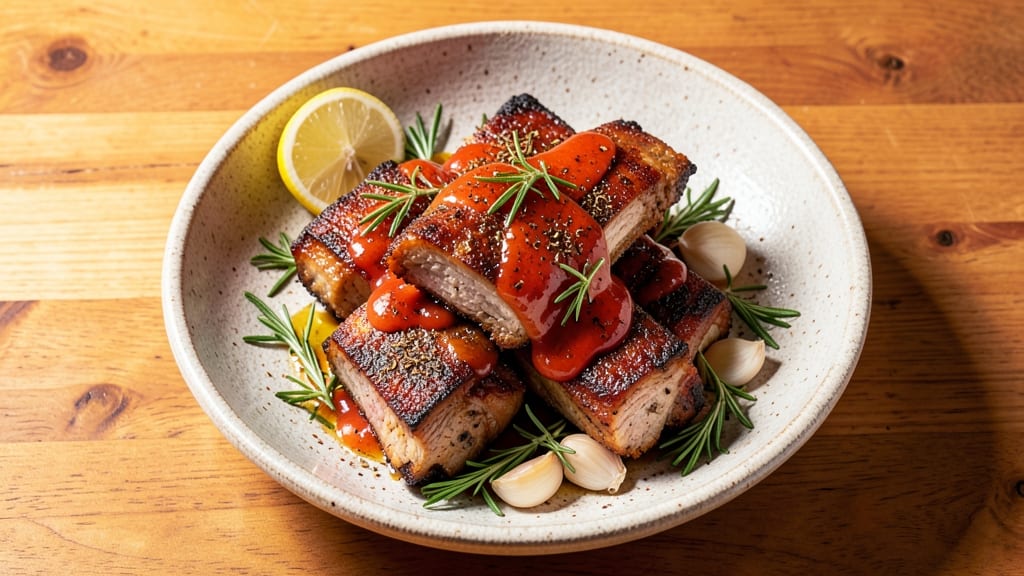
This Mediterranean pork ribs recipe transforms simple ingredients into a dish that tastes like a seaside taverna in Greece. The secret lies in the citrus marinade—bright lemon, garlic, and rosemary—that creates crisp bark and tender meat.
I perfected this technique after years of experimenting with pork ribs in my Atlanta kitchen, balancing traditional flavors with modern precision.
The magic happens when the marinade infuses the ribs overnight, while the high-heat cooking method develops that signature crispy exterior. What makes this recipe special is how the Mediterranean flavors—olive oil, lemon zest, and fresh herbs—elevate pork ribs beyond basic BBQ.
The result is a dish that's both comforting and sophisticated, perfect for a weeknight dinner or special occasion.
By the time you're done, you'll have ribs with a caramelized crust that shatters at every bite, revealing juicy, flavorful meat underneath. The marinade's acidity tenderizes the meat while adding layers of brightness that cut through the richness.
This is the kind of dish that makes your home smell like a Mediterranean vacation.
Serve with a fresh Greek salad, warm pita bread, or roasted vegetables to complete the meal. The flavors are bold enough to stand alone but versatile enough to pair with almost anything. Let's get cooking—your taste buds will thank you.
Ingredients for mediterranean pork ribs
Bright citrus, fragrant herbs, and crispy bark—this Mediterranean pork ribs recipe delivers restaurant-quality flavor with pantry staples and a few specialty touches.
| Ingredient | Amount | Notes |
|---|---|---|
| Pork Ribs (Baby Back) 🍖 | 4 lb | Bone-in, meaty cuts preferred |
| Extra-Virgin Olive Oil 🫒 | ½ cup | High-quality, fruity variety |
| Fresh Lemon Juice 🍋 | ½ cup | From 2-3 medium lemons |
| Garlic Cloves 🧄 | 8 cloves | Fresh, peeled, minced |
| Fresh Rosemary 🌿 | ¼ cup | Chopped, finely |
| Dried Oregano 🍃 | 1 tbsp | Mediterranean blend preferred |
| Kosher Salt 🧂 | 2 tbsp | Diamond Crystal preferred |
| Ground Black Pepper 🌶️ | 1 tbsp | Freshly ground |
| Honey 🍯 | 2 tbsp | Wildflower preferred |
| Red Wine Vinegar 🍷 | 2 tbsp | Dry, bold variety |
| Lemon Zest 🍋 | 1 tbsp | From 1 large lemon |
| Fresh Thyme Leaves 🌿 | ⅛ cup | Chopped, finely |
The ribs are the star, so pick bone-in, meaty cuts—baby back ribs are ideal. I always grab mine from Whole Foods or my local butcher shop where they're fresh-cut. Look for ribs with good marbling and a vibrant pink color. If you're buying frozen, thaw them overnight in the fridge. The extra-virgin olive oil matters too—use something fruity and robust, like Colavita or California Olive Ranch. These brands have that peppery kick that stands up to the citrus and herbs. For the lemon juice, fresh is non-negotiable—bottled won't cut it here.
No fresh rosemary? Dried works at half the amount, but the flavor won't be as bright. Short on time? Pre-minced garlic from the jar is fine, but fresh is always better. The honey should be wildflower or clover—avoid the ultra-processed kind. For the red wine vinegar, Balsamic Creme isn't the same—stick to a dry, bold vinegar. The lemon zest can be pre-grated, but freshly zested is worth the extra minute. If you're missing thyme, dried basil at half the amount works in a pinch, though it changes the flavor profile slightly.
Marinate the ribs overnight for maximum flavor infusion. Store the marinade in a sealed container in the fridge, and keep the ribs submerged. The ribs themselves can stay in the fridge for 2 days before cooking, but marinate them as soon as possible. Once cooked, ribs reheat beautifully—wrap them in foil with a splash of water and bake at 300°F for 15 minutes. For leftovers, portion into airtight containers and store for 3-4 days. The crispy bark softens when reheated, but the meat stays tender and flavorful.
Why You'll Love This Recipe
- Fewer Ingredients, More Impact: That’s right—just five staples transform tough ribs into something tender and vibrant. No fancy marinades or secret blends; just olive oil, lemon, garlic, and rosemary working their magic while you sip wine and pretend you’re on vacation.
- Crispy Without the Hassle: The lemon juice does the heavy lifting here, cutting through the fat while the rosemary and garlic caramelize into a fragrant crust. No basting, no stress—just that perfect snap and smoky-sweet bite every time.
- Weeknight to Weekend: Slap these on the grill for a summer barbecue or slow-cook them in the oven when you’re craving comfort. They’re equally at home on a charcuterie board or wrapped in flatbread with tzatziki—no rules, just flexibility.
- Leftovers That Don’t Suck: Honestly, I make extra because the ribs reheat like a dream—crispy edges stay intact, and the rosemary keeps them aromatic. Pack them for lunch or freeze them for when you’re too lazy to cook. (We’ve all been there.)
Step-by-step instructions for Mediterranean pork ribs
Transform simple ingredients into restaurant-worthy ribs with this bright, aromatic marinade.
Prepare the Citrus-Marination
In a large bowl, whisk together the 0.5 cup extra-virgin olive oil, 0.5 cup fresh lemon juice, 2 tbsp honey, 2 tbsp red wine vinegar, and 1 tbsp lemon zest. The citrus and honey will create a glossy, sticky base that clings beautifully to the ribs. I like to use a whisk for this step—it emulsifies the oil and vinegar into a smooth marinade that won't separate.
Next, add the 8 cloves minced garlic, 0.25 cup finely chopped fresh rosemary, 0.125 cup chopped fresh thyme leaves, 1 tbsp dried oregano, 2 tbsp kosher salt, and 1 tbsp freshly ground black pepper. Stir until all the herbs and spices are fully incorporated. The marinade should smell vibrant and fresh—bright citrus notes with herbal undertones. Let it sit at room temperature for 10 minutes while you prepare the ribs.
Coat and Marinate the Ribs
Pat the 4 lb pork ribs completely dry with paper towels—this is crucial for developing that crisp bark later. I use two layers of paper towels and press firmly to remove all moisture. Arrange the ribs in a single layer in a shallow dish just large enough to hold them without crowding.
Pour the marinade over the ribs, turning them to coat all sides thoroughly. You'll want to get marinade into the crevices between the bones. Cover the dish with plastic wrap and refrigerate for at least 4 hours, or ideally overnight. The longer they marinate, the more tender and flavorful the ribs will become. If you're short on time, marinate for at least 2 hours—just know the bark won't be as developed.
Preheat and Prepare for Cooking
When ready to cook, remove the ribs from the refrigerator and let them sit at room temperature for 30 minutes. This ensures even cooking. Preheat your oven to 375°F and position a rack in the center position. Line a baking sheet with aluminum foil for easy cleanup.
Transfer the marinated ribs to the prepared baking sheet, bone-side down. I like to place them in a single layer with the meaty sides facing up. This positioning helps create that beautiful crisp bark on the bone side while keeping the meat tender. Bake for 45 minutes until the ribs begin to develop a golden-brown crust and the internal temperature reaches 160°F when measured at the thickest part.
Glaze and Finish
Remove the ribs from the oven and increase the heat to 400°F. In a small saucepan, combine any remaining marinade from the dish with 1 tbsp honey and 1 tbsp red wine vinegar. Bring to a simmer over medium heat for 2-3 minutes until slightly thickened. This glaze will add a beautiful sheen and extra flavor to the ribs.
Brush the glaze generously over the ribs, making sure to coat all sides. Return them to the oven and bake for an additional 15-20 minutes until the glaze caramelizes and the ribs reach an internal temperature of 203°F. The edges should be deep golden brown with a crisp bark, while the meat remains tender and juicy. Let the ribs rest for 10 minutes before serving—this allows the juices to redistribute throughout the meat.
Pro Tips For Making Mediterranean Pork Ribs
- CRANK THE HEAT FIRST: Mediterranean ribs need that crisp crust, so blast your oven or grill to 425°F (220°C) for the first 15 minutes—no half-stepping. I used to skip this and ended up with soggy edges instead of the golden, caramelized bite I wanted.
- SMASH THAT GARLIC: Don’t just chop your garlic—smash those cloves flat with the side of your knife first. This releases more flavor and ensures they infuse the olive oil properly. (Yes, it looks messy, but your ribs will taste like they came from a Greek taverna.)
- LEMON JUICE LAST: Add the fresh lemon juice only in the final 5 minutes of cooking—if you do it earlier, the acid will break down the meat too fast. I learned this after serving slightly mushy ribs to guests who politely asked for seconds anyway.
- SKIP THE FOIL TRAP: Resist the urge to tent ribs with foil mid-cook—Mediterranean flavors need to concentrate, not steam. Let the rosemary and garlic crisp slightly on the edges; that’s where the magic happens. (Your ribs won’t fall apart, I promise.)
Troubleshooting perfect results
Stuck Bark Syndrome
If your ribs develop a thick, rubbery bark instead of crispy, it’s likely from too much moisture during cooking. The marinade contains citrus and vinegar, which can make ribs extra sticky.
To fix this, pat the ribs extra dry before marinating and bake them bone-side down on a wire rack over a baking sheet. This allows air to circulate and creates that coveted crisp texture.
I’ve seen this happen when ribs sit in excess marinade—always drain them for 10 minutes before baking. 🔥
Uneven Cooking
Ribs cooking unevenly often means they weren’t at room temperature when placed in the oven. Let them sit for 30 minutes before baking to ensure even heat penetration. If one end is undercooked while the other is overdone, try flipping the ribs halfway through baking (around 25 minutes in).
For stubborn spots, tent them loosely with foil to prevent drying while finishing. My rule of thumb: Internal temp should read 160°F before glazing.
Marinade Separation
The emulsified marinade may separate if left at room temperature too long. To fix this, whisk vigorously to recombine the oil and vinegar. If it’s too thick, thin it with 1 tablespoon of warm water or a splash of lemon juice.
For prevention, store the marinade in a sealed container and refrigerate until ready to use. I’ve found that adding ½ teaspoon of xanthan gum (a pinch) to the marinade helps stabilize it if you’re prepping ahead.
Dry or Tough Meat
Overcooking is the usual culprit here. Ribs should reach 203°F internal temperature—no higher! If they’re dry, try wrapping them in butcher paper (not foil) after the initial bake and return to the oven for 10-15 minutes at 375°F.
The paper lets moisture escape slightly while keeping the meat tender. For extra insurance, brush with a 50/50 mix of olive oil and melted butter before glazing. This adds fat back into the equation.
Flavor Fades Fast
If your ribs lose their vibrant Mediterranean flavors quickly, the marinade didn’t infuse long enough. Overnight marinating is ideal, but if short on time, marinate for at least 4 hours. For extra punch, add 1 teaspoon of smoked paprika to the glaze before finishing.
I also recommend serving ribs immediately after cooking—flavors peak when the meat is piping hot. If reheating, keep it simple: Wrap in foil with a splash of water and bake at 300°F for 15 minutes.
Nutrition facts
Frequently asked questions
Can I use baby back ribs instead of spare ribs?
This recipe works beautifully with baby back ribs—they're more tender and cook faster than spare ribs. Just reduce the cooking time by 10-15 minutes and monitor the internal temperature closely. Baby backs have less connective tissue, so they don't need as long to become tender. I prefer baby backs for this Mediterranean style because their leaner profile absorbs the citrus marinade more effectively.
How do I substitute dried herbs for fresh?
For fresh rosemary and thyme, use ⅓ the amount of dried versions. So ¼ cup fresh rosemary becomes 1 tablespoon dried. With dried oregano, the flavor is more concentrated, so ½ teaspoon replaces 1 teaspoon fresh. Remember, dried herbs lack the bright, fresh notes you get from fresh—so if possible, stick with fresh for that authentic Mediterranean taste. If you must use dried, add a pinch of citric acid to mimic the fresh lemon's brightness.
Can I grill these ribs instead of baking?
Yes, but you'll need to adjust the method slightly. Start by baking the ribs at 375°F for 20 minutes to get them started, then transfer to the grill. Cook over medium-high heat for 15-20 minutes, turning occasionally, until the internal temperature reaches 203°F. The grill adds beautiful char marks, but watch closely—the citrus marinade can make the ribs more prone to flare-ups. For extra safety, keep a spray bottle of water nearby to tame flames. The result? Smoky Mediterranean ribs with that perfect crisp bark.
What's the best way to serve these ribs?
Pair them with classic Mediterranean sides like a Greek salad with cucumbers, tomatoes, and feta, or warm pita bread for scooping up the juices. A simple roasted vegetable medley with zucchini, bell peppers, and red onion complements the dish beautifully. For a refreshing contrast, serve with tzatziki sauce or a cool lemon-herb yogurt dip. The bright acidity of the ribs pairs wonderfully with creamy, cool elements. Don't forget a crisp white wine like Assyrtiko or a light rosé to complete the experience.
Can I make this recipe in a slow cooker?
While possible, I don't recommend it for this recipe—the high-heat method is key to developing that crisp bark. However, if you're determined, cook the ribs on low for 6 hours, then transfer to a baking sheet and broil for 5-7 minutes to create some crispiness. The slow cooker will make the meat tender, but you'll lose that beautiful caramelized crust. For the best results, stick with the oven method or grill as outlined. The Mediterranean flavors still shine through, but the texture will be more like pulled pork than crispy ribs.