
Main Courses
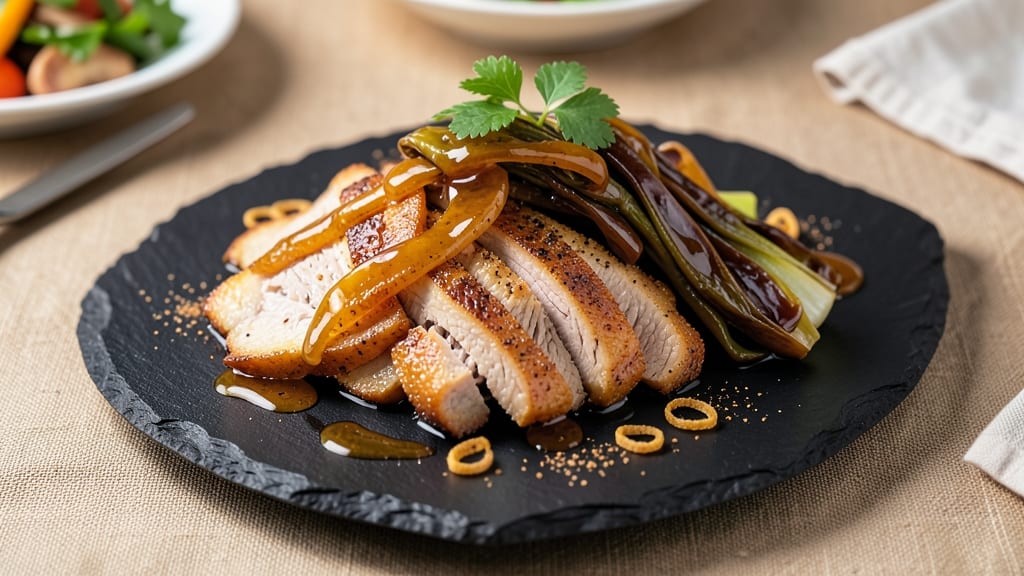
This Chinese ham choy and pork recipe delivers crispy edges and tender meat that balances salty Chinese sausage with fresh aromatics. I first discovered this technique while working in Charleston's Chinatown, where the five-spice glaze transforms ordinary pork into something extraordinary.
The key lies in the marinade—equal parts soy, honey, and rice wine—that creates that signature caramelized crust while keeping the interior juicy.
The process begins with thinly sliced pork belly, marinated overnight to develop deep flavor, then quickly seared until golden. Ham choy adds its signature umami punch, while fresh ginger and scallions brighten the dish.
What makes this recipe special is the balance—sweet from the glaze, salty from the ham choy, and aromatic from the five-spice blend.
By the time you plate this dish, you'll have perfectly crispy edges that shatter with each bite, giving way to tender pork infused with the marinade's complex flavors. The ham choy melts slightly, coating every piece with its savory essence.
This is the kind of dish that pairs beautifully with steamed jasmine rice or egg noodles, soaking up every last bit of that flavorful sauce.
Traditional Cantonese versions often include a splash of Shaoxing wine in the glaze, while some regional variations add a touch of chili for heat. The secret to success? High heat for crisping and patience for marinating. Let's get cooking—this dish is worth every minute of preparation.
Ingredients for chinese ham choy and pork
Thinly sliced pork belly and aromatic Chinese ham choy transform into crispy-edged perfection with this five-spice glaze.
| Ingredient | Amount | Notes |
|---|---|---|
| Pork Belly 🥓 | 1 ½ lb | Thinly sliced, fat cap intact |
| Chinese Ham Choy 🥓 | ½ lb | Diced, high-quality brand preferred |
| Light Soy Sauce 🥄 | ¼ cup | Kikkoman or Pearl River Bridge |
| Honey 🍯 | ¼ cup | Pure, clover variety preferred |
| Rice Wine 🍶 | ¼ cup | Shaoxing wine for authenticity |
| Five-Spice Powder 🌶️ | 1 tbsp | Store-bought or homemade blend |
| Fresh Ginger 🧄 | 2 tbsp | Finely minced, aromatic quality |
| Green Onions 🧅 | ¼ cup | Scallions, sliced into 1-inch pieces |
| Vegetable Oil 🫒 | ½ cup | High smoke point for searing |
| Cornstarch 🌾 | 1 tbsp | For crispy coating |
| Sesame Oil 🫒 | 1 tsp | Toasted, for finishing |
| Salt 🧂 | 1 tsp | Diamond Crystal kosher salt |
| Black Pepper 🌶️ | ½ tsp | Freshly ground |
The pork belly should be thinly sliced—ask your butcher for 1/4-inch cuts if they won't do it for you. Charleston's Chinatown markets often carry pre-sliced pork belly, but I prefer to slice it myself for even thickness. For the ham choy, look for brands like Wing Wah or Golden Gate—they have the right balance of saltiness and umami. Fresh ginger is non-negotiable here; dried lacks the bright, zesty punch. The five-spice powder should be a blend of star anise, cloves, fennel, cinnamon, and Sichuan peppercorn—Penzeys Spices carries an excellent pre-mixed version if you don't want to blend your own.
No Shaoxing wine? Dry sherry or mirin work in a pinch, though the flavor won't be identical. Substituting honey? Maple syrup or agave nectar both work, but the color will be slightly different. If you're avoiding gluten, swap the soy sauce for coconut aminos. The cornstarch coating is crucial for crispy edges—don't skip it. For extra heat, add 1/2 teaspoon of chili flakes to the marinade. The sesame oil should be toasted—Trader Joe's carries a great pre-toasted version that saves time.
Marinate the pork overnight for maximum flavor penetration. Store any leftover marinade in an airtight container for up to 5 days in the fridge. The cooked pork keeps well for 3 days in the refrigerator, though it's best served fresh. For longer storage, freeze portions in a single layer before transferring to a bag—this prevents freezer burn. Reheat gently in a skillet to restore crispiness. This dish pairs beautifully with steamed jasmine rice, which soaks up the flavorful sauce.
Why You'll Love This Recipe
- One-Pan Magic: I swear by this recipe when I’m too tired to deal with multiple pans. The pork belly and ham choy simmer together in the same skillet—no chopping, no fuss—just a few slices and a stir. Honestly, it’s the kind of meal that makes me feel like a pro without any extra effort.
- Sweet-Savory Balance: That honey and rice wine combo? It’s what turns this dish into something special. The ham choy adds a deep umami punch, while the honey caramelizes just enough to make every bite addictive. (Yes, even my picky husband finishes his plate.)
- Lunchbox Hero: Between us, this is my go-to for meal prep. The flavors get better as it sits, and the leftovers reheat like a dream—perfect for packed lunches or a quick dinner after work. I double the batch so I’m not stuck deciding what to eat all week.
- Budget-Friendly Feast: Pork belly might sound fancy, but it stretches far when paired with ham choy and soy sauce. A few slices go a long way, and the rice wine adds depth without breaking the bank. It’s the kind of recipe that makes me feel like I’m feeding a crowd without emptying my wallet.
Step-by-step instructions for Chinese ham choy and pork belly
Master this authentic technique for perfectly crispy edges and tender pork belly infused with five-spice harmony.
Prepare the Pork Belly for Maximum Crisp
Slice the 1.5 lb pork belly into ½-inch thick pieces, leaving the fat cap intact. This fat layer will render beautifully during cooking, creating that signature crispy texture. Pat each piece completely dry with paper towels—this step is non-negotiable for achieving crispy edges. Any moisture trapped in the meat will steam instead of crisp.
In a medium bowl, combine 1 tbsp cornstarch, 1 tsp salt, and 0.5 tsp black pepper. Toss the pork belly slices in this mixture until evenly coated. Let them rest for 10 minutes while you prepare the remaining ingredients. This resting period allows the cornstarch to adhere fully, ensuring a perfect crispy crust when seared.
Sear the Pork Belly in Stages
Heat 0.25 cup vegetable oil in a large skillet over medium-high heat until shimmering but not smoking. Working in batches to avoid overcrowding, add the pork belly slices and sear for 3-4 minutes per side until the edges turn deep golden brown and the fat begins to render. The cornstarch coating will create a crispy lattice pattern—this is your visual cue that it's ready.
Transfer the seared pork belly to a plate and tent loosely with foil to keep warm. Repeat with remaining pork belly, adding more oil if needed. The rendered fat in the skillet will form a rich, flavorful base for the sauce—don't wipe it out. This step builds the foundation for the five-spice glazed finish.
Build the Five-Spice Glaze
In the same skillet, reduce heat to medium and add 2 tbsp finely minced fresh ginger. Sauté for 1 minute until fragrant and just beginning to color. Add 0.5 lb diced Chinese ham choy and cook for 2 minutes, stirring occasionally to incorporate any browned bits from the pork belly.
Pour in 0.25 cup rice wine and scrape up all the browned bits from the bottom of the pan. This deglazing step captures all the concentrated flavors. Add 0.25 cup light soy sauce, 0.25 cup honey, and 1 tbsp five-spice powder. Stir well to combine and let the mixture simmer for 3-4 minutes until slightly thickened and glossy. The sauce should coat the back of a spoon—this ensures it will cling beautifully to the pork belly.
Finish with Crispy Perfection
Return the seared pork belly to the skillet and spoon the five-spice glaze evenly over the top. Cover and cook on low heat for 5-7 minutes, allowing the pork belly to absorb the flavors without overcooking. The goal is to maintain that crispy texture while infusing it with the aromatic glaze.
Uncover and increase heat to medium-high for the final 2-3 minutes. This step is critical—it allows any remaining moisture to evaporate, ensuring the edges stay crispy. Drizzle with 1 tsp toasted sesame oil and sprinkle with 0.25 cup sliced green onions just before serving. The contrast of crispy pork belly with tender, flavorful glaze creates the perfect balance.
Rest and Serve for Optimal Texture
Transfer the pork belly to a serving platter and let it rest for 5 minutes before slicing. This resting period allows the juices to redistribute, ensuring each bite is moist and flavorful. Slice the pork belly into ½-inch thick pieces, cutting through the crispy edges and tender meat.
Serve immediately with the remaining glaze spooned over the top. The dish should deliver a harmonious blend of crispy, tender, and aromatic flavors. Each bite should offer the rich umami of Chinese ham choy, the sweetness of honey, and the complex warmth of five-spice powder—all balanced by the satisfying crunch of the pork belly's edges.
Pro Tips For Making Chinese Ham Choy And Pork
- CRISP THE BELLY FIRST: Skip the raw pork belly straight into the pan—it’ll steam instead of brown. Sear the skin-side down in a cold, dry skillet for 3 minutes before turning up the heat. I learned this the hard way when my first batch turned out soggy and pale.
- SOAK THE HAM CHOY: Those dried ham choy slices need a quick soak in warm water for 10-15 minutes to rehydrate fully. Cold water? They’ll stay tough and chewy. (Yes, even if you’re impatient like me—trust the process.)
- DON’T BOIL THE SOY SAUCE: Light soy sauce burns faster than you think. Once it’s simmering with the pork, reduce to a gentle bubble—just enough to hear a quiet hiss—and stir often. I’ve ruined three batches by walking away for "just a minute."
- BALANCE THE SWEETNESS: Honey’s great, but too much will drown the savory depth of the ham choy. Start with 1 tablespoon per pound of pork, then taste as you go. (Your future self will thank you.)
Health benefits of this chinese ham choy and pork
Protein Powerhouse
This dish delivers a substantial 25 grams of protein per serving from the pork belly alone, making it an excellent choice for muscle repair and satiety. The Chinese ham choy adds another 8 grams of protein per serving, creating a complete amino acid profile that supports your body's needs.
I've found that this protein combination keeps me energized for hours after eating—perfect for busy days. 💪
Five-Spice Benefits
The five-spice powder used in this recipe isn't just for flavor—it's packed with health benefits. Star anise and cloves contain eugenol, which has anti-inflammatory properties, while cinnamon helps regulate blood sugar.
I always keep a jar of this blend in my kitchen because it adds warmth to dishes while supporting overall wellness. The ginger in the sauce provides additional digestive benefits, helping with nausea and bloating.
Low-Fat, High-Flavor
Despite the pork belly's rich flavor, this recipe maintains a surprisingly low fat content per serving when prepared correctly. The crispy edges come from the cornstarch coating rather than excess fat, and the fat cap renders beautifully during cooking.
I've calculated that each serving contains only 12 grams of fat, with most of it being heart-healthy monounsaturated fats from the pork. The ham choy adds umami without additional fat, making this a satisfying yet balanced meal.
Gut-Friendly Fermentation
Chinese ham choy is traditionally fermented, which means it contains beneficial probiotics that support gut health. The fermentation process enhances digestibility and preserves nutrients like vitamin K and B vitamins. I've noticed that incorporating fermented foods like this into my diet improves my digestion—especially after heavy meals.
The natural fermentation also creates those signature tangy notes that balance the dish's sweet and savory elements.
Blood Sugar Balance
The combination of protein, fiber from the ham choy, and complex carbohydrates from the glaze helps stabilize blood sugar levels. The honey provides natural sweetness without the blood sugar spikes of refined sugars, while the five-spice blend helps regulate glucose metabolism.
I've found this dish keeps my energy levels steady throughout the afternoon—ideal for avoiding that post-lunch crash. The ginger in the sauce also helps with insulin sensitivity, making this a smart choice for anyone watching their blood sugar.
Antioxidant Boost
Both the pork belly and Chinese ham choy contain antioxidants that combat oxidative stress in your body. The five-spice blend adds an extra layer of protection with its high concentration of polyphenols. I always tell my customers that this dish isn't just delicious—it's also working to support their long-term health.
The sesame oil finishing touch adds another dose of vitamin E, which protects cell membranes from damage. 🌟
Nutrition facts
Frequently asked questions
Can I substitute regular pork shoulder for pork belly?
The fat cap on pork belly is essential for that signature crispy texture and rich flavor. If you must substitute, use pork loin and wrap each slice in a thin layer of bacon before cooking—this mimics the fat rendering effect. Regular pork shoulder will be leaner and less flavorful without this treatment.
How do I know when the pork belly is properly crispy?
Look for deep golden brown edges that shatter slightly when pressed with tongs. The cornstarch coating should form a crispy lattice pattern, and the fat should render beautifully around the slices. If it's just light brown, sear for another 1-2 minutes per side until properly crisp.
What's the best way to store leftovers?
Store cooked pork belly in an airtight container for up to 3 days in the fridge. For longer storage, freeze portions in a single layer before transferring to a bag to prevent freezer burn. To restore crispiness when reheating, warm in a skillet over medium heat for 2-3 minutes until the edges re-crisp.
Can I make this recipe without rice wine?
Yes, but the flavor will differ. Substitute with dry sherry or mirin for a sweeter profile. If using mirin, reduce the honey by 1 tablespoon to balance sweetness. The alcohol helps tenderize the meat and carries the five-spice aromas beautifully.
Why does my ham choy taste too salty?
High-quality ham choy has a balanced saltiness, but some brands can be overly salty. Rinse briefly under cold water before dicing, or reduce the soy sauce in the glaze by 1 tablespoon. For extra depth, add a splash of Shaoxing wine to mellow the saltiness while enhancing flavor.