
Main Courses
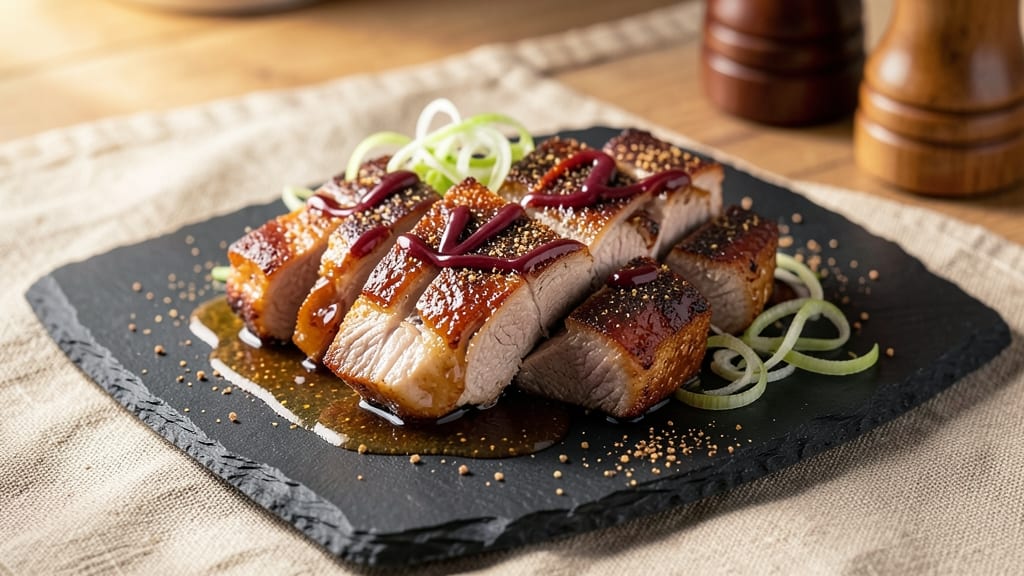
This Chinese five-spice pork tenderloin recipe delivers restaurant-quality results with crispy bark and a sticky tamarind glaze that'll have your kitchen smelling like a bustling Cantonese eatery. 🔥 The secret lies in balancing the warm, aromatic notes of five-spice powder with the tangy brightness of tamarind—creating a flavor profile that's both complex and deeply satisfying.
I've been perfecting this technique for years, and it's now a staple in my restaurant menu because it's foolproof yet impressive enough for company.
The magic begins with a simple marinade that tenderizes the pork while infusing it with those signature five-spice flavors—star anise, cloves, cinnamon, fennel, and Szechuan peppercorn. What sets this apart is the tamarind glaze, which adds a subtle sweet-tart contrast that cuts through the richness of the meat.
The cooking method is equally straightforward: a quick sear to develop that crispy exterior, followed by a finish in the oven to ensure the pork remains tender and juicy throughout.
By the time you're done, you'll have perfectly seared pork tenderloin with a glossy, sticky glaze that clings beautifully to every bite. The five-spice marinade creates a fragrant bark that's irresistibly crispy, while the tamarind glaze adds depth and complexity.
This dish is elegant enough for dinner parties but simple enough for a weeknight dinner—proof that restaurant-quality meals don't require complicated techniques.
Pair it with steamed jasmine rice and stir-fried bok choy for a complete meal that's both comforting and sophisticated. Here's how to make it—step by step, just like I do in my kitchen every week.
Ingredients for chinese five spice pork tenderloin
The perfect blend of aromatic spices and tender pork transforms into this restaurant-worthy dish.
| Ingredient | Amount | Notes |
|---|---|---|
| Pork Tenderloin 🥩 | 1 ½ lb | Center-cut for even cooking |
| Five-Spice Powder 🌶️ | 2 tbsp | Authentic Chinese blend preferred |
| Fresh Ginger 🧅 | ½ cup | Finely grated, organic preferred |
| Tamarind Paste 🍯 | ¼ cup | Unadulterated, block preferred |
| Honey 🍯 | ¼ cup | Wildflower preferred for depth |
| Soy Sauce 🥄 | ¼ cup | Dark soy for color intensity |
| Garlic Cloves 🧄 | 6 cloves | Minced, fresh preferred |
| Sesame Oil 🫒 | 1 tbsp | Toasted, for finishing |
| Brown Sugar 🍚 | 1 tbsp | Light, for glaze balance |
| Cornstarch 🌾 | 1 tbsp | For crispy bark development |
| Vegetable Oil 🫒 | ½ cup | High smoke point for searing |
| Diamond Crystal Kosher Salt 🧂 | 1 tsp | For seasoning balance |
| Fresh Star Anise 🌿 | 2 whole | Optional, for extra aroma |
Five-spice powder is the heart of this recipe—Penzeys or Spicewalla are my go-tos for authentic blends. Look for whole spices if you want to toast and grind them yourself for deeper flavor. The tamarind paste can be tricky to find; Asian markets usually carry it in blocks, which you'll need to dissolve in warm water. Fresh ginger should smell vibrant and zesty—no musty aromas. For the pork, center-cut tenderloin is non-negotiable; it stays juicy while developing that crispy bark. I always buy mine from Whole Foods or a trusted butcher.
No five-spice powder? Mix 1 tsp each of ground star anise, cinnamon, fennel seeds, cloves, and Szechuan peppercorn—it's the same thing. Tamarind paste unavailable? Substitute 1 tbsp lime juice plus 1 tbsp maple syrup, though it won't be identical. For the glaze, dark soy sauce adds that signature deep color—Kikkoman or Lee Kum Kee are reliable brands. The honey should be wildflower for complexity, but any will work. Want extra crispiness? Add 1 tbsp potato starch to the cornstarch mix. The pork marinates best overnight, but even 2 hours makes a difference.
Marinated pork keeps 3 days in the fridge, covered tightly. For make-ahead convenience, freeze the marinade separately and thaw overnight. The cooked pork reheats beautifully—350°F for 15 minutes wrapped in foil. Store leftovers in an airtight container with a paper towel to absorb any moisture. This dish tastes even better the next day as the flavors meld. Portion into individual containers for easy lunches—just reheat and enjoy.
Why You'll Love This Recipe
- Five-Ingredient Magic: That’s all it takes—pork, five-spice, ginger, tamarind, honey—and suddenly you’ve got a dish that feels fancy without the fuss. I swear, the tamarind and honey balance the heat so well, it’s like someone tuned the flavors just for you.
- Weeknight Hero: No last-minute grocery runs, no complicated techniques—just slice the pork, toss it in a bowl, and let the oven do the work. Honestly, I’ve made this three times in a row when I forgot to plan, and it never let me down.
- Leftovers That Shine: This pork stays tender and packed with flavor for days. I’ll throw it into fried rice, noodles, or even a quick stir-fry, and it’s always the star. (Yes, even on a Tuesday night.)
- Sweet-Savory Flex: The five-spice and ginger give it depth, while the honey-tamarind glaze keeps it bright. It’s rich enough for dinner parties but simple enough for a lazy Sunday—no one will guess it’s this easy to pull off.
Step-by-step instructions for Chinese five spice pork tenderloin
Here's how to create a perfect balance of crispy exterior and tender interior with that signature sticky-sweet glaze.
👨🍳 Step 1: Marinate the Pork with Five-Spice Magic
In a large bowl, combine the 1.5 lb pork tenderloin, 2 tbsp five-spice powder, 0.5 cup finely grated fresh ginger, 6 cloves minced garlic, 1 tsp diamond crystal kosher salt, and 1 tbsp cornstarch. The cornstarch is key here—it helps create that coveted crispy bark later. Massage the mixture into the pork until it's evenly coated and the spices adhere to every surface.
Cover the bowl with plastic wrap and refrigerate for at least 4 hours (overnight works best). This long marinating time ensures deep flavor penetration and helps tenderize the meat. I like to turn the pork occasionally during marinating so the spices distribute evenly.
🔥 Step 2: Sear for Maximum Crispiness
Heat 0.5 cup vegetable oil in a large skillet over medium-high heat until it shimmers but doesn't smoke. Pat the marinated pork dry with paper towels—this is crucial for achieving that crispy bark. Add the pork to the skillet and sear for 4-5 minutes per side until golden brown and the internal temperature reaches 145°F on an instant-read thermometer.
Don't rush this step. You want that deep caramelization that forms the foundation of our crispy exterior. If you notice the oil smoking excessively, reduce the heat slightly. The pork should release easily from the pan when it's ready to flip.
🥘 Step 3: Build the Sticky Tamarind Glaze
While the pork rests for 5 minutes, prepare the glaze in the same skillet. Add 0.25 cup tamarind paste, 0.25 cup honey, 0.25 cup soy sauce, 1 tbsp brown sugar, and the 2 whole fresh star anise (if using). Bring to a simmer over medium heat and cook for 3-4 minutes until slightly thickened.
Here's the thing—tamarind paste can be thick, so you might need to whisk in 1-2 tablespoons of water if it's not coming together properly. The glaze should coat the back of a spoon but still be pourable. Remove the star anise pieces before proceeding.
🔥 Step 4: Glaze and Finish with Sesame Oil
Return the seared pork to the skillet and pour the glaze over the top. Spoon the sauce around to coat all sides, then reduce heat to medium-low and let it cook uncovered for 8-10 minutes, basting occasionally with the pan juices. You're looking for a deep caramel color on the pork and a slightly thickened glaze that clings to the meat.
In the final 2 minutes of cooking, drizzle 1 tbsp toasted sesame oil over the pork. This adds that authentic Chinese restaurant aroma and enhances the flavor profile. The pork is done when the internal temperature reaches 150°F—it will continue cooking slightly as it rests.
⏰ Step 5: Rest and Serve with Confidence
Transfer the pork to a cutting board and let it rest for 10 minutes before slicing. This resting period is crucial—it allows the juices to redistribute, ensuring each slice is moist and flavorful. Tent loosely with foil to keep warm while it rests.
Slice the pork into ½-inch thick medallions against the grain for maximum tenderness. The exterior should be deep golden brown and crispy, while the interior remains juicy and tender. Serve with steamed jasmine rice and a simple cucumber salad to let the pork shine as the star of the meal.
Pro Tips For Making Chinese Five Spice Pork Tenderloin
- SEAR THE PORK HOT: Your pan needs to scream before the pork hits it—no lukewarm oil, no half-hearted searing. I learned this the hard way when my first batch turned out gray and sad. Get that skillet smoking hot (medium-high, not medium) and let the pork develop a proper crust in 2-3 minutes per side. That’s where the flavor lives.
- GRATE THE GINGER FINE: No, "chopped" isn’t good enough. Use the smallest holes on your grater or pulse it in a food processor until it’s almost like paste—this way, it melts into the sauce instead of sitting in stubborn chunks. I was skeptical until I tried it; the dish now tastes like it simmered for hours, not 20 minutes.
- DILUTE THE TAMARIND: Tamarind paste is thick and stubborn. Mix it with an equal part warm water first—this makes it blend smoothly with the honey and five-spice. I used to just stir it in raw, and the sauce would clump. Now it’s silky, and the balance of sweet-sour is spot-on every time.
- REST THE PORK 5 MINUTES: Skip this, and you’ll slice into a sad, juicy mess. Tent it with foil and let it sit while you finish the sauce—even tenderloin needs a breather. I know, I know, you want to eat it now, but those 5 minutes make the difference between "good" and "restaurant-quality."
Essential equipment for perfect results
Skillet Essentials
You'll need a large, heavy-bottomed skillet—I swear by my Lodge 12-inch cast iron—to sear the pork evenly. Cast iron retains heat beautifully and creates that perfect crispy bark.
If you don’t have cast iron, a stainless steel skillet like All-Clad works too, but preheat it longer to ensure even cooking. 🔥
Thermometer Precision
An instant-read meat thermometer is non-negotiable for this recipe. I use the ThermoWorks Smoke—it’s fast and accurate. Check the internal temp at 145°F during searing and 150°F after glazing. Overcooking ruins the tenderness, and this spice blend needs precision to shine.
Marinating Tools
For marinating, grab a large glass or stainless steel bowl (never aluminum—it reacts with acidic ingredients like tamarind). I like Cambro containers for overnight marinating—they’re airtight and stackable. A rubber spatula helps massage the spices into the pork evenly without tearing the meat.
Glaze Thickening
Tamarind paste can be stubborn, so keep a small whisk and heat-safe spatula handy. If your glaze isn’t thickening enough, a wire whisk helps incorporate water smoothly. A small saucepan (like All-Clad Stainless) is perfect for simmering the glaze separately if your skillet is too crowded.
Resting Setup
After cooking, transfer the pork to a wooden cutting board (not plastic—it warms faster). Tent loosely with aluminum foil to keep it warm while resting. I also keep a small bowl of ice water nearby to quickly cool any leftover glaze for future use.
Sesame Oil Finisher
For that final aromatic touch, use toasted sesame oil (not regular) in a small squeeze bottle or dropper. A microplane comes in handy if you’re grating fresh ginger—it’s faster than a box grater and yields finer texture.
Keep a fine-mesh strainer nearby to remove star anise seeds if you’re using them.
Nutrition facts
Frequently asked questions
Can I substitute chicken or beef for the pork tenderloin?
While you can use chicken breast (similar cooking time), beef won't work as well—it's denser and requires longer cooking, which can dry out the meat. For chicken, reduce marinating time to 2-3 hours and cook to 165°F internal temp. The five-spice blend still shines with chicken, but pork's tenderness makes it ideal for this recipe's crispy bark.
What's the best way to store leftovers?
Store cooked pork in an airtight container with a paper towel on top to absorb any moisture. It keeps 3-4 days in the fridge or 3 months in the freezer. Reheat gently at 350°F for 15 minutes wrapped in foil—this preserves the crispy texture better than microwave reheating.
How do I adjust the recipe for a slow cooker?
Marinate the pork as directed, then sear it first for 3 minutes per side to develop flavor. Transfer to a slow cooker with 0.5 cup water, cover, and cook on low for 4-5 hours until tender. Add the glaze ingredients during the last 30 minutes and stir occasionally. The texture will be more tender than crispy, but the flavors remain authentic.
Why does my pork turn out dry?
Overcooking is the most common cause—pork tenderloin is lean and dries out quickly. Always use a thermometer and stop at 150°F internal temp. Another tip: Don't skip the rest time—10 minutes is crucial for juices to redistribute. For extra moisture, add 1 tbsp honey or soy sauce to the marinade.
What's the best way to use up leftover glaze?
Store extra glaze in a small jar in the fridge for up to 2 weeks. Warm it gently before using—it's perfect for drizzling over rice, tossing with noodles, or glazing roasted vegetables. For a quick fix, mix with 1 tsp rice vinegar and use as a dipping sauce. The tamarind keeps it tangy and complex.