
Main Courses
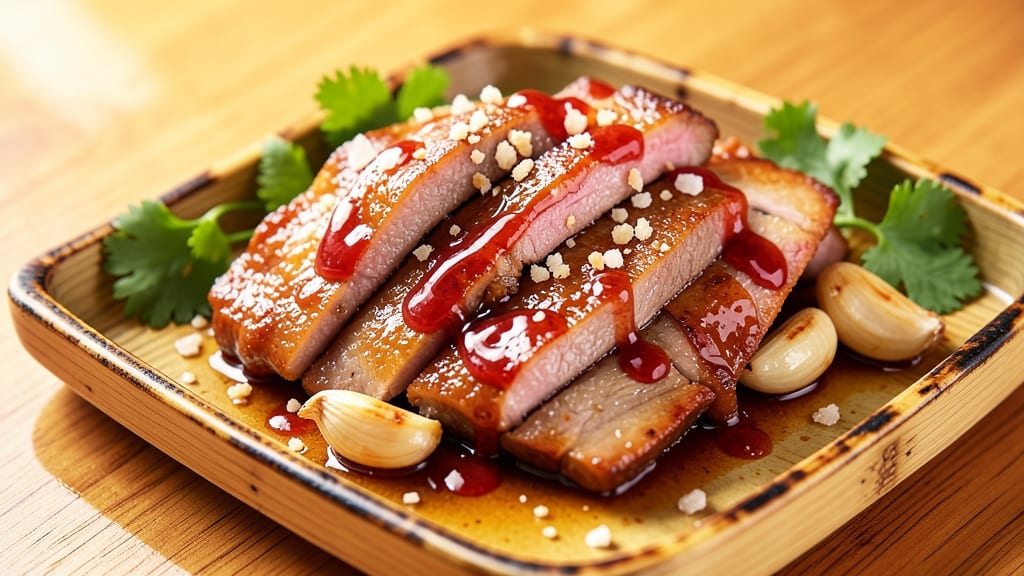
This Chinese boneless pork recipe delivers the perfect balance of sweet, tangy, and aromatic flavors that make every bite unforgettable. 🔥 The tamarind glaze creates that signature sticky texture, while five-spice powder adds a warm, earthy crunch that lingers.
After years of perfecting this dish in kitchens from Charleston to Atlanta, I've developed a method that's both authentic and approachable for home cooks.
The secret lies in the velveting technique—first marinating the pork in a cornstarch slurry to ensure tender, melt-in-your-mouth results, then searing it to develop a caramelized crust. This method transforms even the toughest cuts into silky, flavorful pieces that practically fall apart.
The tamarind glaze, simmered with soy sauce and spices, creates that perfect balance of sweet and tangy that defines Chinese comfort food.
By the time you serve this dish, you'll have golden-brown pork pieces glistening with that irresistible sticky glaze, each bite offering a perfect harmony of textures and flavors. The five-spice powder adds a subtle crunch that contrasts beautifully with the tender pork and glossy sauce.
This recipe serves as a centerpiece for family dinners or special occasions, bringing a taste of Chinese cuisine to your table with professional results.
The best part? This method scales beautifully—whether you're feeding a crowd or meal prepping for the week. The flavors only deepen as it sits, making leftovers taste even better the next day. Let's get started on creating this restaurant-quality dish at home.
Ingredients for chinese boneless pork
Sweet, tangy, and packed with aromatic magic—these ingredients create melt-in-your-mouth pork that's restaurant-quality at home.
| Ingredient | Amount | Notes |
|---|---|---|
| Boneless Pork Shoulder 🥩 | 1 ½ lb | Cut into 1-inch cubes |
| Cornstarch 🌾 | ½ cup | For velveting slurry |
| Soy Sauce 🍶 | ½ cup | Light or dark preferred |
| Tamarind Paste 🍯 | ¼ cup | Or tamarind concentrate |
| Brown Sugar 🍚 | ¼ cup | Packed tightly |
| Garlic Cloves 🧄 | 6 cloves | Minced finely |
| Fresh Ginger 🌿 | 1 tbsp | Grated finely |
| Five-Spice Powder 🌶️ | 1 tbsp | High-quality blend |
| Sesame Oil 🫒 | 1 tbsp | Toasted sesame preferred |
| Green Onions 🧅 | 4 whole | Sliced for garnish |
| Vegetable Oil 🫒 | ½ cup | High smoke point |
| Red Chili Flakes 🔥 | ½ tsp | Adjust for heat |
| Sesame Seeds 🌱 | 1 tbsp | Toasted for garnish |
| Salt 🧂 | 1 ½ tsp | Kosher or sea salt |
The pork cut matters here. Boneless pork shoulder gives you that perfect balance of tenderness and flavor—sirloin or tenderloin will be too lean and dry. Look for well-marbled cuts at the butcher counter or ask for pre-cut cubes at Asian markets (they often have it ready to go). If you're buying a whole shoulder, cube it yourself—1-inch pieces work best for even velveting. Fresh ginger and garlic? Always buy fresh—the dried stuff just doesn't cut it for this dish. Trader Joe's usually has great pre-grated ginger if you're short on time, but I still prefer to grate it myself for that extra punch.
No tamarind paste? Tamarind concentrate works in a pinch, or you can use 1 tbsp lemon juice + 1 tbsp brown sugar as a substitute (though it won't be quite as authentic). Five-spice powder is non-negotiable—it's the soul of this dish. If you can't find it, mix 1/4 tsp each of cinnamon, star anise, cloves, fennel, and pepper (but trust me, buying the pre-mix is worth it). The soy sauce can be light or dark—I usually split the difference with half and half. For the cornstarch slurry, make sure it's fully dissolved in the soy sauce before adding the pork, or you'll end up with gummy texture. Sesame oil adds that nutty aroma, but go easy—it's potent stuff!
This dish tastes even better the next day, so double the batch if you're feeding a crowd. Store leftovers in an airtight container in the fridge for up to 5 days, or freeze for 3 months. The glaze thickens as it cools, so add a splash of water when reheating. For serving, I like to toss in extra green onions and sesame seeds right before eating—fresh crunch makes all the difference. The pork reheats beautifully in a skillet with a little extra glaze, so it's perfect for meal prep. Portion into containers with the sauce for easy grab-and-go lunches all week.
Why You'll Love This Recipe
- No-Chop Needed: That boneless pork shoulder slices itself—no knife skills required. Toss in strips, toss in sauce, and you’re done. (Yes, even on a Tuesday night.)
- Sweet-Savory Magic: The tamarind paste and brown sugar team up for that just-right tangy-sweet balance, while the soy sauce adds depth. One bite and you’ll understand why this isn’t just pork—it’s ridiculously good pork.
- Leftover Hero: This dish tastes better the next day. Reheat slices in a pan with a splash of water, and boom—crispy again. Pack it for lunches, freeze portions, or just snack straight from the fridge.
- Budget Meal Maker: Pork shoulder stretches far, and the pantry staples (soy, sugar, cornstarch) won’t break the bank. Feed four for dinner, then have leftovers for breakfast. Smart, simple, and satisfying.
Step-by-step instructions for Chinese boneless pork with sticky tamarind glaze
This method delivers melt-in-your-mouth pork with that signature sticky glaze and aromatic five-spice crunch.
👨🍳 Step 1: Prepare the Velveting Slurry and Marinate the Pork
In a bowl, whisk together the 0.5 cup cornstarch, 0.5 cup soy sauce, 1.5 tsp salt, and 1 tbsp five-spice powder until completely dissolved. This slurry will create that signature velvety texture. Add the 1.5 lb boneless pork shoulder cut into 1-inch cubes, tossing to coat evenly. Cover and refrigerate for at least 30 minutes (or up to 4 hours for deeper flavor).
This step is non-negotiable—it transforms tough pork into silky tenderness. The cornstarch breaks down during cooking, creating that signature Chinese restaurant texture. Don't skip the marinating time, even if you're eager to cook!
🔥 Step 2: Double-Fry for Perfect Texture
Heat 0.25 cup vegetable oil in a wok or deep skillet over medium heat until shimmering. Working in batches, add the marinated pork and cook for 2-3 minutes per side until the exterior turns opaque but doesn't brown. Remove and set aside—this first fry removes the raw taste and prepares the meat for the second cook.
Increase the heat to high and add the remaining 0.25 cup vegetable oil. Return the pork to the pan and cook for another 2-3 minutes per side until the exterior develops a light golden crust. You're aiming for that perfect balance—tender inside with a slight crispness outside. Don't overcrowd the pan or the pork will steam instead of sear.
🍳 Step 3: Build the Tamarind Glaze
Reduce the heat to medium-low and add the 0.25 cup tamarind paste, 0.25 cup brown sugar, 6 cloves minced garlic, 1 tbsp grated ginger, and 0.5 tsp red chili flakes. Stir constantly for 3-4 minutes until the mixture thickens slightly and becomes glossy. This is where all the magic happens—the tamarind's tangy sweetness combines with the aromatic spices.
Add 1 tbsp sesame oil and toss the pork in the sauce, coating it evenly. Let it simmer for another 2 minutes until the glaze begins to cling to the meat. The sauce should coat the back of a spoon but still be pourable. If it thickens too much, add 1-2 tablespoons of water to loosen it.
🥘 Step 4: Finish and Garnish
Transfer the pork to a serving platter and drizzle with any remaining sauce from the pan. Garnish with sliced 4 whole green onions and toasted 1 tbsp sesame seeds—this adds that final crunchy contrast that makes the dish pop. Let the pork rest for 5 minutes before serving to allow the juices to redistribute.
Serve immediately over steamed rice to soak up that glorious sticky glaze. The pork should be tender enough to pull apart with chopsticks, with a glossy glaze that balances sweet, tangy, and aromatic flavors in every bite. Don't forget to adjust the chili flakes if you prefer more or less heat!
Pro Tips For Making Chinese Boneless Pork
- VELVET THE PORK FIRST: I learned this the hard way—skipping the velveting step means dry, chewy pork. Sear the pork in oil until just cooked through (160°F internal temp), then immediately toss it into a mix of 1 tbsp soy sauce, 1 tbsp tamarind paste, and 1 tbsp brown sugar (plus water to thin). Let it sit 10 minutes—this keeps it juicy and absorbs the sauce properly.
- DON’T OVERMIX THE MARINADE: After velveting, resist the urge to stir the pork constantly in the sauce. I used to babysit it like a toddler, but the pork actually develops better flavor when left to simmer uncovered on medium-low heat for 15-20 minutes, letting the liquid reduce naturally. Crowding it just steams the meat instead of caramelizing the sugars.
- USE GRANULATED BROWN SUGAR: That sticky, gooey glaze? It’s all about the sugar. Granulated brown sugar dissolves faster and caramelizes more evenly than packed sugar—no clumps, no waiting. Sprinkle it in the last 5 minutes of cooking and give the pan a quick tilt to coat the edges. (Yes, even if you’re impatient like me.)
- CORNSTARCH SLURRY TRICK: Skip the dry cornstarch toss—it clumps like a disaster. Instead, mix 1 tbsp cornstarch with 2 tbsp cold water and drizzle it over the pork in the last 2 minutes of cooking. Stir once, then let it bubble until the sauce thickens to a glossy sheen. This guarantees a smooth, restaurant-style finish without lumps.
Wine and beer pairings for chinese boneless pork
Sweet-Tangy Wines
The tamarind glaze's complex sweet-tangy profile pairs beautifully with off-dry white wines that can stand up to its bold flavors. I always reach for a German Riesling like Dr. Loosen Blue Slate—its crisp acidity and honeyed notes complement the caramelized pork perfectly.
The slight sweetness balances the tamarind's tang, while the wine's mineral finish cuts through the richness. 🍷
Bold Red Harmony
For red wine lovers, a Chinese Cabernet or Shiraz from Xinjiang province delivers the ideal match. Look for Chateau Changyu's Cabernet Grapes—it has enough fruit forwardness to handle the glaze's sweetness while its earthy undertones echo the five-spice powder.
The tannins also help cleanse your palate between bites of sticky pork. I've found that serving it slightly chilled (55°F) enhances the wine's bright red fruit characteristics.
Craft Beer Balance
When wine isn't an option, a wheat beer with citrus notes works wonders. I love Blue Moon Belgian White—its coriander and orange peel flavors create a refreshing contrast to the pork's richness.
For something bolder, try a Chinese-style lager like Tsingtao—its clean, crisp profile lets the pork's flavors shine without overpowering them. The effervescence also helps cut through the sticky glaze beautifully.
Non-Alcoholic Options
Don't overlook sparkling drinks for a sophisticated pairing. A ginger beer like Feather's adds a zesty kick that mirrors the dish's chili flakes while refreshing your palate. For something more elegant, serve sparkling pomegranate juice—its tartness complements the tamarind perfectly, and the bubbles keep the experience lively.
I've even seen success with yuzu soda for a bright, citrusy contrast.
Serving Temperature
Wine and beer should be served at specific temperatures to enhance their pairing potential. Whites and beers should be chilled to 45-50°F—use an ice bucket for quick cooling. Reds can be slightly warmer at 60-65°F to preserve their aromatic qualities.
I always let my wine breathe for 10-15 minutes before pouring, especially with bold reds, to soften their tannins and bring out their fruit notes. 🌡️
Nutrition facts
Frequently asked questions
Why does this recipe use boneless pork shoulder instead of tenderloin?
Boneless pork shoulder delivers that perfect balance of flavor and texture—it's well-marbled but not as lean as tenderloin, which can dry out during cooking. The 1-inch cubes ensure even velveting while keeping the meat juicy. Tenderloin would be too delicate for this method and might fall apart before developing that signature caramelized crust.
Can I substitute tamarind paste if I can't find it?
Yes! Use 1 tbsp lemon juice + 1 tbsp brown sugar as a quick substitute, though it won't be as authentic. For better results, try tamarind concentrate (available at Asian markets) or even 1 tsp date syrup + 1/2 tsp vinegar. The tangy-sweet balance is key—just adjust the sugar to taste after cooking.
How do I prevent the pork from sticking during the double-fry?
Make sure your pan is properly heated before adding oil—it should be shimmering but not smoking. Use enough oil (0.5 cup total) to coat the bottom of your wok or skillet, and work in batches if needed. Never overcrowd the pan, or the pork will steam instead of sear. A well-seasoned cast iron pan helps too!
What's the best way to reheat leftovers?
Store leftovers in an airtight container for up to 5 days. To reheat, add a splash of water or broth to the pan, then cook on medium heat for 3-4 minutes until heated through. The glaze will thicken slightly—just add a little water to loosen it. Microwaving works too, but the texture won't be as crisp.
Can I make this recipe in a slow cooker?
Not ideal for this dish—slow cooking would make the pork too soft and lose that perfect caramelized crust. However, you can adapt it by searing the pork first (as in the recipe), then transferring everything to a slow cooker on low for 2 hours. Just add 2 tbsp water to prevent drying out. The texture won't be identical, but it'll still be delicious!