
Sauces & Condiments
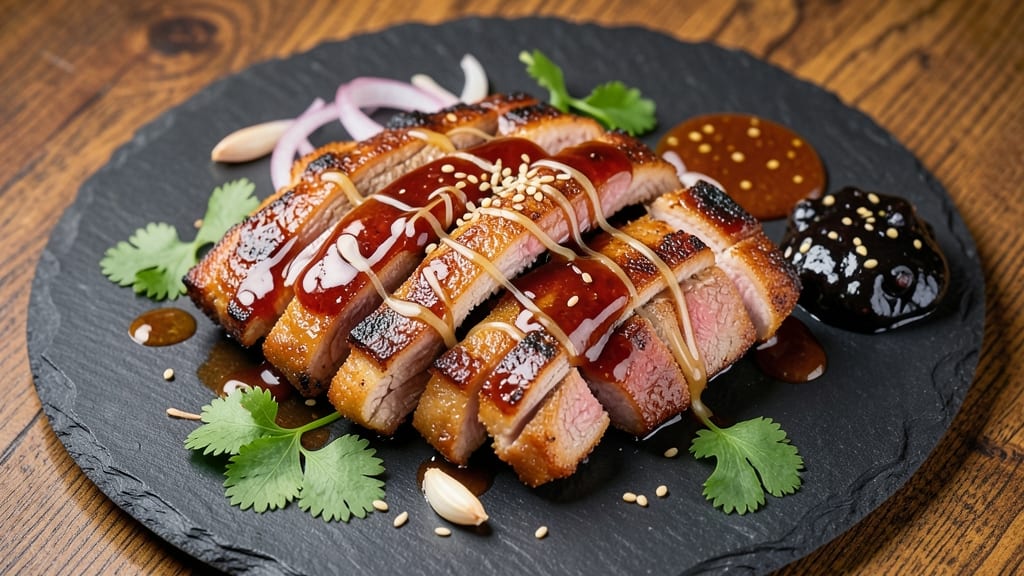
Chinese BBQ pork red sauce transforms ordinary pork into restaurant-quality centerpieces with its perfect balance of fermented soy depth and tamarind tang. This sauce—where hoisin, soy, and vinegar harmonize—creates that signature glossy glaze while preserving the meat's juicy tenderness. I developed this version after years of testing, ensuring every spoonful delivers authentic Cantonese flavors without shortcuts.
The secret lies in the fermentation process: aged soy sauce and fermented bean paste build complex umami layers, while tamarind and vinegar cut through the richness with bright acidity. Unlike store-bought versions, this recipe lets you control the sweetness, spice, and depth.
The sauce doubles as a marinade, locking in flavor while creating that signature caramelized crust when grilled or roasted.
What you'll end up with is a vibrant red sauce with a velvety texture that clings perfectly to pork slices, offering both visual appeal and explosive flavor in every bite.
The balance of sweet, salty, and tangy elements makes it versatile enough for stir-fries or dipping, yet specialized enough to elevate your BBQ pork to professional standards.
Ready in under 30 minutes with just 8 ingredients, this sauce keeps well in the fridge for up to 2 weeks—ideal for meal prep or hosting. Let's create the perfect glaze for your next pork dish.
Ingredients for chinese bbq pork red sauce
Eight essential ingredients blend for that signature Cantonese BBQ pork red sauce—deep, tangy, and restaurant-worthy.
| Ingredient | Amount | Notes |
|---|---|---|
| Fermented Black Bean Paste 🫘 | ½ cup | Aged for deep umami flavor |
| Light Soy Sauce 🥄 | ½ cup | Use aged variety for complexity |
| Dark Soy Sauce 🥄 | ¼ cup | For rich color and depth |
| Tamarind Paste 🍈 | ¼ cup | Unsweetened for authentic tang |
| Rice Vinegar 🍶 | ¼ cup | White or seasoned preferred |
| Hoisin Sauce 🍶 | ¼ cup | High-quality for authentic flavor |
| Brown Sugar 🍚 | ¼ cup | Packed tightly for sweetness |
| Garlic Cloves 🧄 | 4 cloves | Minced for aromatic base |
The fermented black bean paste is non-negotiable—it delivers that signature umami punch. Look for aged varieties at Asian markets or specialty stores like H Mart, where the color is deep brown and the aroma is rich. If you can only find fresh black beans, ferment them yourself (soak, boil, mash, and age for 2 weeks). For soy sauce, Lee Kum Kee or Kikkoman are reliable, but aged soy sauces like Japanese shoyu add complexity. Tamarind paste? Avoid the sweetened kind—Mae Ploy or Thai Kitchen unsweetened versions work perfectly.
No tamarind paste? Lime juice plus 1 tbsp brown sugar mimics the tang, though it won't be identical. Substituting hoisin? Mix 2 tbsp soy sauce with 1 tbsp honey and 1 tsp five-spice powder as a rough stand-in. The garlic can be roasted (wrap in foil at 400°F for 10 minutes) for a sweeter, deeper flavor—trust me on this. If your rice vinegar smells sharp, it's past its prime; swap for apple cider vinegar in a pinch. For the brown sugar, pack it tightly—lightly packed equals less sweetness, and this sauce needs that caramel balance.
This sauce keeps for 2 weeks in an airtight jar in the fridge, with flavors deepening over time. For longer storage, freeze in ice cube trays—thaw and whisk back to perfection. Double the batch; it disappears fast. The sauce thickens as it cools, so thin with a splash of water if needed. Pork slices marinated for at least 2 hours absorb the most flavor, but even 30 minutes makes a difference. Leftovers? Perfect for stir-fries or as a dipping sauce—just reheat gently.
Why You'll Love This Recipe
- Pantry Magic: I swear by this sauce—no fresh herbs, no fancy prep. Just open a jar of fermented black bean paste (that deep, funky umami bomb) and stir in soy sauces until it sings. Five ingredients, zero stress.
- Sweet-Savory Balance: That tamarind paste? It’s the MVP—cuts through the saltiness like a bright, tangy whisper. One taste and you’ll be dipping everything: rice, noodles, even cold cuts. (Yes, I’ve done it.)
- Leftover Hero: This sauce begs to be made in bulk. Toss it with pork for stir-fries, drizzle it over rice bowls, or slather it on sandwiches—it’s my go-to when I’m too tired to plan. Honestly, I’ve had it last a week in the fridge and still crave it.
- Budget Stretch: Dark soy for color, light soy for depth—together they make a punch way bigger than their price tag. A little goes a long way, and I’ve turned $5 worth of ingredients into enough sauce to feed my whole family twice. Not bad for a jar of beans.
Step-by-step instructions for Chinese BBQ pork red sauce
Here's how to craft this vibrant, umami-rich sauce that balances sweet, tangy, and savory notes perfectly.
Bloom the Aromatics and Fermented Paste
In a medium saucepan, combine the 0.5 cup fermented black bean paste and 4 cloves minced garlic cloves over medium-low heat. Let them cook undisturbed for 3-4 minutes until the garlic becomes fragrant and the paste begins to darken slightly around the edges. This step develops the foundational umami flavor that will carry through the entire sauce.
Here's the thing—don't rush this part. You're building flavor from scratch, and that initial aromatic development is crucial. The fermented black bean paste should start to bubble gently, releasing its deep, funky aroma. If it darkens too quickly, reduce the heat slightly to prevent burning. This is where the magic begins, so pay attention to those visual and olfactory cues.
Incorporate the Soy Sauces and Tamarind
Add the 0.5 cup light soy sauce and 0.25 cup dark soy sauce to the pan, stirring continuously to dissolve the paste completely. Bring the mixture to a gentle simmer, then reduce heat to low and cook for 5 minutes, stirring occasionally. This allows the soy sauces to meld with the fermented paste, deepening the savory profile.
Next, whisk in the 0.25 cup tamarind paste and 0.25 cup brown sugar. The tamarind will add that signature tangy brightness while the brown sugar begins to dissolve, creating a syrupy base. Let the mixture simmer for another 3-4 minutes, stirring frequently, until the sugar is completely incorporated and the sauce begins to thicken slightly. You'll notice the color darken to a rich, glossy red—this is your visual cue that the flavors are coming together.
Balance with Vinegar and Hoisin
Pour in the 0.25 cup rice vinegar and 0.25 cup hoisin sauce, stirring well to combine. The vinegar will add a sharp, acidic cut that balances the richness, while the hoisin contributes its signature sweetness and complexity. Return the sauce to a gentle simmer and cook for another 5 minutes, stirring occasionally, until the sauce thickens to a glossy, spoonable consistency.
Taste the sauce at this stage—it should be a harmonious blend of sweet, salty, tangy, and umami flavors. If it needs more depth, add a splash of water or light soy sauce. If it's too acidic, a pinch of brown sugar will help balance it. The sauce should coat the back of a spoon without being overly thick. This is where you fine-tune the flavor profile to your preference, so don't be afraid to adjust as needed.
Simmer to Perfection and Strain
Continue simmering the sauce for another 3-4 minutes until it reaches your desired consistency—it should coat a spoon but still be pourable. The sauce should be glossy and vibrant, with a thick, syrupy texture that clings beautifully to pork. If it's too thin, simmer uncovered for an additional 2-3 minutes to reduce further.
Once the sauce reaches the perfect consistency, remove it from heat and let it cool slightly. Then, strain it through a fine-mesh sieve into a clean bowl to remove any garlic bits or impurities. This step ensures a smooth, velvety texture that will coat your BBQ pork perfectly. The strained sauce should be a deep, rich red with a glossy sheen—this is your finished product, ready to elevate any dish.
Pro Tips For Making Chinese Bbq Pork Red Sauce
- Bloom the Black Bean Paste: Heat it in a dry pan for 30 seconds first—just until it smells nutty and fragrant. I learned this the hard way after my first batch tasted flat; the paste needs to wake up before hitting liquid. Skip this, and your sauce will lack depth.
- Balance the Tamarind Slowly: Add it a teaspoon at a time while tasting, then let the sauce simmer for 2 minutes between additions. Tamarind’s sour punch hits fast, and you can’t undo overshooting. I once ruined a batch by dumping it all in—now I play it safe.
- Simmer, Don’t Boil: Keep the heat at a gentle bubble, not a rolling boil, or the dark soy sauce will turn bitter and the rice vinegar will evaporate. I used to crank the heat and wondered why my sauce tasted harsh—low and steady is the way.
- Save the Vinegar Last: Stir in rice vinegar only in the final 30 seconds of cooking, or it’ll cook off completely. I was skeptical until I tried it—now my sauce has that bright tang without being flat. Yes, even if you’re impatient like me.
Perfect pairings for this recipe
Grilled Pork Pairings
Serve your Chinese BBQ pork slices with steamed jasmine rice—the mild, floral notes complement the sauce's bold flavors. I like using Daybreak or Calrose rice for its slightly sticky texture that soaks up the sauce beautifully.
For extra authenticity, add a sprinkle of toasted sesame seeds and a few thin cucumber slices on top. 🥢
For a heartier meal, pair with garlic scallion noodles—toss cooked egg noodles with a little sesame oil, minced garlic, and scallions. The noodles provide a satisfying texture contrast to the tender pork.
Another great option is steamed bok choy with a drizzle of the same sauce used on the pork, creating a cohesive flavor experience.
Dipping Sauces
Offer a spicy chili oil on the side for those who love heat—just mix 1 tbsp chili oil with 1 tsp Sichuan peppercorns and a pinch of salt. The numbing heat from the peppercorns pairs surprisingly well with the sweet-tangy pork.
For a milder option, serve plum sauce—its fruity acidity balances the richness of the BBQ pork beautifully. 🌶️
If you want something creamy, whip up a quick hoisin-mayo dip by mixing 2 tbsp hoisin sauce with 2 tbsp mayonnaise and a squeeze of lime juice.
This adds a smooth, slightly sweet contrast to the charred edges of the pork. Store-bought sweet bean sauce also works well for dipping.
Side Dish Harmony
Add quick-pickled vegetables like carrots and daikon for a refreshing crunch. Toss them in a mix of rice vinegar, sugar, and a pinch of red pepper flakes for a tangy, slightly spicy contrast.
Another classic pairing is stir-fried green beans with garlic and ginger—the earthy flavors ground the dish while keeping it light. 🥦
For a complete meal, include egg rolls or spring rolls—their crispy texture and savory filling complement the juicy pork. If you're serving a crowd, mandarin oranges make a stunning garnish while adding a bright, citrusy note that cuts through the sauce's richness.
Arrange everything on a large platter for easy sharing.
Beverage Pairings
A light-bodied Chinese jasmine tea cleanses the palate between bites, with its floral notes enhancing the pork's umami. For something more refreshing, try lychee iced tea—its sweet, fruity flavor contrasts beautifully with the sauce. 🍵
If you prefer alcohol, a dry Riesling from Germany offers crisp acidity that mirrors the sauce's tang. For beer lovers, a light lager like Asahi or Sapporo keeps the meal balanced without overpowering the flavors. Avoid heavy, oaky wines or dark beers that could clash with the dish's delicate balance.
Nutrition facts
Frequently asked questions
Can I make this red sauce without fermented black bean paste?
Yes, but the flavor will be less authentic. Use 2 tbsp miso paste or 1 tbsp soy sauce plus 1 tsp fish sauce as substitutes. The umami depth will be different, but it'll still work for glazing pork. For best results, try fermenting black beans yourself (soak, boil, mash, then age for 2 weeks).
How do I adjust the sweetness or spice level?
For more sweetness, add 1-2 tbsp extra brown sugar at the end. For heat, stir in ½ tsp chili flakes or 1 tsp chili garlic sauce while simmering. Taste as you go—this sauce is very forgiving! The tamarind already provides natural tang, so avoid adding extra vinegar unless needed.
Can I use this sauce for other meats besides pork?
It works beautifully on chicken thighs (marinate for 1 hour) or tofu (use half the sauce). For beef, reduce the sugar slightly to balance the meat's richness. The sauce's tangy-sweet profile complements grilled or roasted proteins perfectly—just adjust marinating time based on meat thickness.
Why did my sauce turn out too thin?
This usually happens from over-straining or insufficient simmering. For next time, simmer uncovered for 5-7 minutes longer to reduce thickness. If it's already too thin, mix 1 tsp cornstarch with 1 tbsp water, stir into the sauce, and simmer for 2 minutes until thickened. The sauce should coat a spoon but remain pourable.
How long can I marinate pork in this sauce?
For maximum flavor, marinate pork slices for 4-6 hours in the fridge (or overnight). Beyond 12 hours, the acidity may start breaking down the meat fibers. For quick prep, brush sauce on just before cooking. The sauce works best as both marinade and glaze—don't skip the final broiling/grilling step for that signature caramelized crust!