
Main Courses
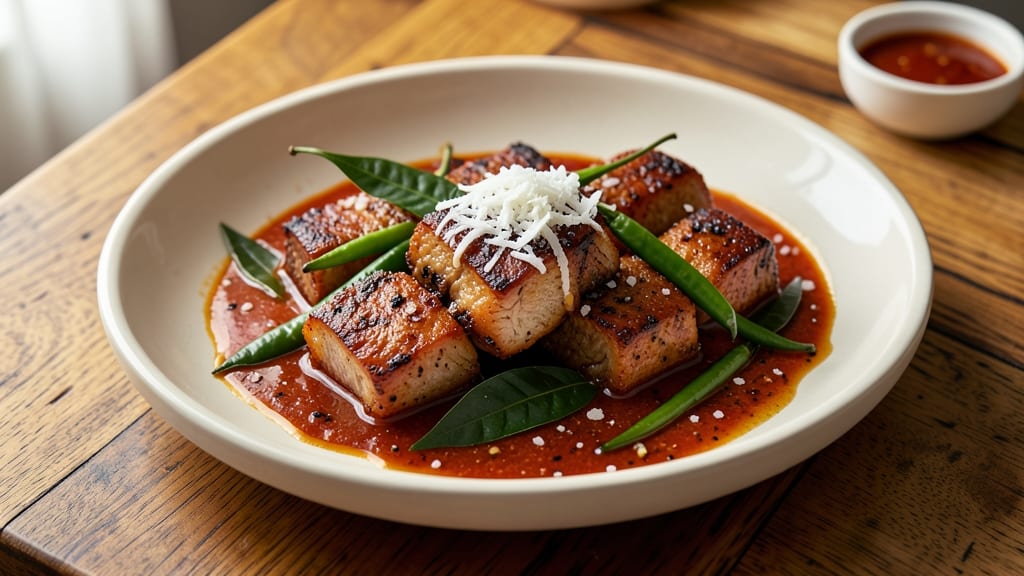
This Kerala chilli pork recipe delivers the bold, aromatic flavors of South India in a single, one-pot masterpiece. My grandmother's handwritten notes hinted at the magic of slow-cooked pork with tender spices, and after years of perfecting, this is the version that finally captures that spice-infused tenderness we crave.
The secret lies in the layered spices—black pepper, curry leaves, and tamarind—that transform simple pork into something unforgettable.
What makes this dish special is how it balances Kerala's signature coconut milk richness with the fiery kick of chilli. Unlike many recipes that require multiple steps, this version comes together in one pot, making it perfect for weeknight dinners without sacrificing authenticity.
The pork becomes so tender it practically melts in your mouth, while the sauce develops deep, complex flavors from the slow simmer.
By the time you're done, you'll have a dish that's restaurant-quality but made in your own kitchen—golden-brown pork pieces swimming in a fragrant, slightly tangy sauce. The aroma alone will have everyone gathering around the table, and the taste?
That's where the magic happens. This is comfort food at its finest, with just the right balance of heat and warmth.
Serve it with steamed rice or Kerala-style appam for the full experience. The leftovers taste even better the next day, so you'll want to make extra. Let's bring a taste of Kerala to your dinner table tonight.
Ingredients for chilli pork recipe kerala
Pantry staples meet Kerala's bold flavors in this one-pot pork masterpiece.
| Ingredient | Amount | Notes |
|---|---|---|
| Pork Shoulder 🥩 | 1 ½ lb | Cut into 1.5-inch cubes, bone-in preferred |
| Coconut Milk 🥥 | 1 can (13.5 oz) | Full-fat, unsweetened preferred |
| Red Curry Paste 🌶️ | 3 tbsp | Kerala-style if available |
| Fresh Curry Leaves 🌿 | ¼ cup | Packed, finely chopped |
| Green Chilies 🌶️ | 4 whole | Slit lengthwise, seeds removed |
| Tamarind Paste 🍈 | 2 tbsp | Adjust for tanginess |
| Ginger 🧅 | 1 inch | Fresh, peeled, sliced |
| Garlic Cloves 🧄 | 6 cloves | Peeled, lightly crushed |
| Black Peppercorns 🌶️ | 1 tsp | Crushed, freshly ground |
| Ground Cumin 🌿 | 1 tsp | Toasted for depth |
| Turmeric Powder 🧂 | ½ tsp | Freshly ground preferred |
| Vegetable Oil 🫒 | 2 tbsp | For searing pork |
| Salt 🧂 | 1 ½ tsp | Adjust to taste |
| Lemon Juice 🍋 | 1 tbsp | Freshly squeezed |
| Fresh Cilantro 🌿 | ¼ cup | Chopped, for garnish |
The pork shoulder is key—bone-in stays juicier, but boneless works too. Indian grocery stores often carry pre-cut pork shoulder, or ask your butcher for a well-marbled cut. Fresh curry leaves? Whole Foods or Indian markets are your best bet—dried curry powder won't give the same aromatic punch. For tamarind paste, Trader Joe's sells it in tubes, or use bottled pulp if needed. The green chilies should be bright green, not wilted. If you can't find Kerala-style curry paste, Thai red curry paste works in a pinch—just add extra tamarind for tang.
No fresh curry leaves? Dried curry powder at half the amount gets you close, but the flavor won't be identical. Short on coconut milk? Light coconut milk plus a splash of heavy cream mimics the richness. The tamarind can be substituted with lemon juice plus a pinch of sugar, though it won't be exactly the same. For extra heat, add bird's eye chilies (the tiny red ones) to the oil before searing. The pork cubes should be uniform size—1.5 inches is ideal for even cooking. If you're using frozen pork, thaw it completely first—never cook frozen pork in this dish.
This sauce gets better with time, so make extra. It keeps for 5 days in the fridge, or 3 months frozen. The pork becomes more tender as it sits. For serving, I like to garnish with extra cilantro and a squeeze of lemon right before eating. The flavors meld beautifully overnight, so leftovers are a must. Store in an airtight container with the lid slightly ajar to prevent sogginess. Reheat gently on low heat with a splash of water if it thickens too much.
Why You'll Love This Recipe
- One-Pot Magic: I swear by this recipe—just toss everything into one pot, simmer, and walk away. The coconut milk and curry paste do all the heavy lifting while you sip tea or scroll through your phone.
- Flavor Bomb: That first bite? Rich, spicy, and just sweet enough from the caramelized pork. The curry leaves and green chilies hit like a warm hug—herby, tangy, and impossible to resist.
- Leftover Hero: Between us, this dish begs to be made extra. The flavors deepen overnight, and reheating it the next day tastes just as good as the first. My freezer is always stocked with portions for lazy Fridays.
- Budget Stretch: Pork shoulder is cheap, and a single batch feeds four for under $15. The coconut milk and curry paste add luxury without breaking the bank—plus, you’ll use up those random spices gathering dust in your pantry.
Step-by-step instructions for Kerala chilli pork
This one-pot wonder delivers melt-in-your-mouth pork with bold Kerala flavors—no fuss, just tender perfection.
Sear the Pork for Deep Flavor
Heat the 2 tablespoons vegetable oil in a heavy-bottomed pot over medium-high heat until shimmering. Add the 1.5 lb pork shoulder cubes in a single layer, being careful not to overcrowd. Let them sear undisturbed for 3-4 minutes until they develop a rich golden crust.
This initial sear locks in juices and builds the foundation for your dish's depth of flavor. You'll know they're ready when the edges turn golden brown and the pork releases easily from the pot. Once all sides are seared, remove the pork and set it aside temporarily—you'll return it to the pot later.
Build the Spice Base
In the same pot, reduce the heat to medium and add the 1 inch ginger and 6 cloves garlic cloves. Sauté for 1 minute until fragrant—this releases their aromatic oils. Add the 3 tablespoons red curry paste and stir continuously for 2 minutes until the raw paste smell disappears and it turns a vibrant red.
Next, add the 0.25 cup fresh curry leaves, 4 whole green chilies, 1 teaspoon ground cumin, 0.5 teaspoon turmeric powder, and 1 teaspoon black peppercorns. Stir for another 1 minute until the spices sizzle and their aromas fill your kitchen. This aromatic base is the soul of your Kerala chilli pork.
Simmer with Coconut Milk and Tamarind
Pour in the 1 can (13.5 oz) coconut milk and scrape up any browned bits from the bottom of the pot. Add the 2 tablespoons tamarind paste and 1.5 teaspoons salt, then stir well to combine. Return the seared pork to the pot, ensuring it's fully submerged in the coconut milk mixture.
Bring the mixture to a gentle simmer, then reduce the heat to low. Cover the pot and let it cook for 45-50 minutes, stirring occasionally, until the pork is fork-tender. The coconut milk should have reduced slightly, creating a rich, velvety sauce. If the sauce gets too thick, add 2-3 tablespoons water to maintain the right consistency.
Finish with Tangy Brightness
Once the pork is tender, stir in the 1 tablespoon lemon juice and simmer uncovered for another 5 minutes to allow the flavors to meld. Taste and adjust the seasoning if needed—you might want to add a pinch more salt or a splash of lemon juice for brightness.
The lemon juice cuts through the richness of the coconut milk and pork, adding a refreshing contrast that balances the dish. The pork should be falling apart easily with a fork, and the sauce should coat the back of a spoon with a glossy sheen. Remove from heat and let it rest for 5 minutes before serving.
Garnish and Serve
Spoon the Kerala chilli pork into serving bowls, garnishing each portion with 0.25 cup fresh cilantro. The bright green of the cilantro contrasts beautifully with the rich, red-hued sauce and tender pork. Serve immediately with steamed rice or crusty bread to soak up every last drop of that flavorful sauce.
This dish tastes even better the next day as the flavors continue to develop, so it's perfect for meal prep. The one-pot method keeps cleanup minimal, and the tender pork with its aromatic spices will have everyone asking for seconds.
Pro Tips For Making Chilli Pork Recipe Kerala
- Sear the Pork Hard: Slap that pork shoulder into a screaming-hot pan with just a splash of oil—no crowding—until it’s deep golden brown in spots. I learned the hard way that skipping this step means your curry will taste like it simmered in water, not caramelized pork fat.
- Toast the Curry Leaves: Toss those curry leaves into the oil before the pork—just until they sizzle and release their aroma. Sounds simple, but I used to add them later and wondered why the dish never had that bright, herbal punch.
- Simmer, Don’t Boil: Keep the coconut milk at a low, lazy simmer—if it’s bubbling hard, you’re killing the creaminess. After burning three batches, I finally figured out that patience here means richer, smoother sauce.
- Blend the Chilies Rough: Pulse those green chilies in the food processor just until chopped, not pureed—you want texture, not mush. I was skeptical until I tried it; now it’s the thing that makes my chilli pork actually tangy instead of bland.
Health benefits of chilli pork recipe kerala
Protein Powerhouse
This Kerala chilli pork packs a serious protein punch with 1.5 lbs of pork shoulder delivering about 50 grams of protein per serving. That's more than your average chicken breast portion, making it perfect for muscle repair or post-workout meals.
The slow-cooking process actually enhances protein absorption, so you're getting maximum benefit from every bite. 💪
Heart-Healthy Fats
The coconut milk in this dish provides medium-chain triglycerides (MCTs), a type of fat that supports heart health by improving cholesterol levels. Unlike saturated fats from other sources, MCTs are metabolized quickly for energy rather than stored.
Just 1 cup of coconut milk contains about 12 grams of these beneficial fats, helping keep your cardiovascular system in top shape.
Spice Benefits
The star spices in this recipe—black pepper, cumin, and turmeric—offer more than just flavor. Black pepper contains piperine, which boosts nutrient absorption (especially for turmeric's curcumin).
Cumin aids digestion and helps regulate blood sugar, while turmeric's anti-inflammatory properties may reduce joint pain. Together, these spices create a health-boosting flavor profile that works hard behind the scenes. 🌿
Digestive Aid
The combination of ginger, garlic, and curry leaves makes this dish surprisingly gentle on digestion. Ginger soothes nausea and aids circulation, while garlic contains allicin which supports gut health.
Curry leaves contain mahanimbine, a compound that helps regulate digestive enzymes. The tamarind adds natural probiotics that support your gut microbiome, making this a surprisingly wholesome meal.
Vitamin Boost
This recipe delivers a vitamin trifecta: vitamin B12 from the pork, vitamin C from the lemon juice and green chilies, and vitamin K from the curry leaves. The pork provides 60% of your daily B12 needs per serving, crucial for energy metabolism, while the vegetables contribute antioxidants.
The vitamin C helps your body absorb the iron from the pork, making this a complete nutritional package. 💛
Low-Carb Option
While this dish isn't inherently low-carb, you can easily adapt it by serving it with cauliflower rice instead of traditional rice. The pork and coconut milk provide plenty of energy without the carb load.
For an even lighter option, reduce the coconut milk to ½ can and add 1 cup vegetable broth to maintain moisture while cutting calories. The spices remain the same, delivering all their health benefits without the extra carbs.
Nutrition facts
Frequently asked questions
Can I substitute chicken for pork in this Kerala chilli recipe?
Yes, but expect different textures! Chicken thighs work best—they stay juicy like pork, but cook 10-15 minutes faster (check at 35 minutes). For breast, reduce time to 25 minutes and add 2 tablespoons water to prevent drying. The spices will still shine, but the meat will be less tender than pork.
What makes this different from regular chilli pork?
This Kerala version stands out with its tamarind-coconut balance and fresh curry leaves—unlike many chilli pork recipes that rely on vinegar or heavy soy. The slow simmer with coconut milk creates a velvety sauce, while tamarind adds tangy depth. It's richer, more aromatic, and less greasy than traditional stir-fried chilli pork.
How do I adjust the spice level?
For milder heat, remove 2 green chili seeds before adding them to the pot. To make it spicier, add 1 extra green chili or ½ teaspoon cayenne pepper with the spices. Remember, the tamarind already adds natural tanginess—don't overdo the chili or it'll taste bitter. Taste-test after 30 minutes of cooking to adjust.
Can I make this in an Instant Pot?
Sear the pork first, then add all spices and ½ can coconut milk to the Instant Pot. Cook on high pressure for 20 minutes, then release pressure naturally. Add the remaining coconut milk and tamarind, then simmer on sauté mode for 5 minutes. The Instant Pot version cooks 40% faster but still delivers tender pork.
Why does my sauce look too thin?
This happens when the pork releases too much liquid. After cooking, remove the pork and reduce the sauce uncovered over medium heat for 5-7 minutes until it thickens. For extra richness, stir in 1 tablespoon cornstarch mixed with 2 tablespoons water and simmer 2 minutes. The sauce should coat the back of a spoon but still be spoonable.