
Main Courses
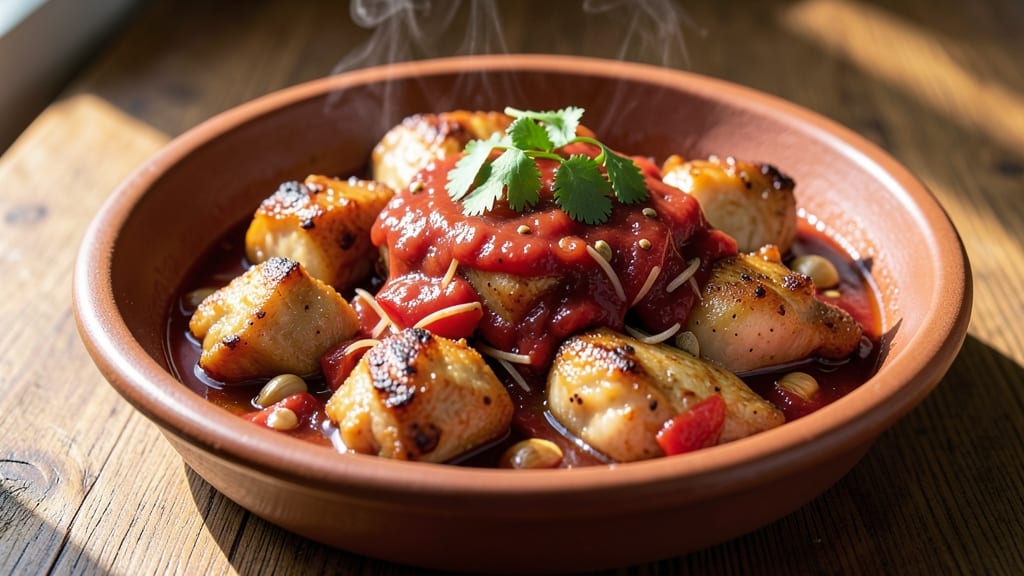
This Filipino-style chicken and pork afritada brings the comforting flavors of home to your table with its rich tomato-vinegar braise and tender meat. After perfecting this dish during my time in Charleston—where I adapted traditional Filipino techniques to Southern ingredients—I can confidently say it’s a weeknight game-changer.
The secret lies in balancing sweet tomatoes, tangy vinegar, and aromatic spices until the meat falls apart effortlessly.
What sets this recipe apart is its simplicity: just a handful of ingredients—chicken thighs, pork shoulder, tomatoes, vinegar, and garlic—simmered together until the sauce thickens into a velvety, slightly sweet glaze.
The pork becomes fork-tender while the chicken absorbs the deep, savory flavors, creating a dish that’s both hearty and elegant. No fancy techniques required, just patience and a slow simmer.
By the time you serve this over steamed rice, your kitchen will smell like a Filipino karinderia, and every bite will deliver that perfect balance of tangy, sweet, and umami-rich goodness.
The sauce clings to the meat and rice alike, making it a meal that’s as satisfying as it is comforting. This is the kind of dish that turns ordinary dinners into memorable family gatherings.
Pair it with garlic fried rice or a simple green salad to round out the meal. The leftovers, if there are any, reheat beautifully the next day—proof that this recipe delivers both flavor and convenience. Let’s get cooking!
Ingredients for chicken and pork afritada filipino
Filipino comfort food starts with these tender meats and bright, tangy ingredients.
| Ingredient | Amount | Notes |
|---|---|---|
| Boneless Chicken Thighs 🍗 | 1 ½ lb | Skin-on preferred for flavor |
| Pork Shoulder 🥓 | 1 ½ lb | Cut into 1-inch cubes |
| Crushed Tomatoes 🍅 | 29 oz | San Marzano preferred, no salt added |
| White Vinegar 💧 | ½ cup | Distilled or apple cider vinegar |
| Garlic Cloves 🧄 | 6 cloves | Minced for even distribution |
| Yellow Onion 🧅 | 1 whole | Sliced into half-moons |
| Bay Leaves 🌿 | 2 whole | Dried, for aromatic depth |
| Salt 🧂 | 1 ½ tsp | Diamond Crystal kosher salt |
| Black Peppercorns 🌶️ | 1 tsp | Freshly cracked preferred |
| Olive Oil 🫒 | 2 tbsp | Extra-virgin for richness |
| Sugar 🍚 | 1 tbsp | White granulated sugar |
| Fresh Thyme 🌿 | ¼ cup | Chopped, stems removed |
| Hard-Cooked Eggs 🥚 | 2 whole | Optional garnish, quartered |
The pork shoulder is the star here—look for well-marbled cuts at Whole Foods or your local butcher. Chicken thighs stay juicier than breasts during the long simmer. For the tomatoes, San Marzano cans from Trader Joe's are my go-to—they're sweeter and less acidic. Fresh thyme is ideal, but dried works at one-third the amount. If you're short on time, grab pre-minced garlic from the refrigerated section—it's still better than jarred. The vinegar should be white distilled or apple cider; balsamic won't cut through the richness like you need.
No pork shoulder? Pork butt or even chicken thighs work in a pinch, though the texture won't be identical. Swap the vinegar for lemon juice at half the amount if you prefer brightness over tang. The sugar balances acidity—skip it only if your tomatoes are particularly sweet. For a deeper flavor, add 1 tsp fish sauce (traditional) or soy sauce for vegetarian. The bay leaves can be omitted if you dislike their earthy note, but they're essential for that karinderia aroma. If using jarred garlic, drain it well—excess moisture dilutes the sauce.
This dish tastes even better the next day as flavors meld. Store in an airtight container in the fridge for up to 5 days, or freeze portions for 3 months. For quick meals, double the recipe and portion into containers—grab one on busy nights. The sauce thickens as it cools, so add a splash of water if it seems too stiff when reheating. Serve over steamed rice, but save some sauce to drizzle over the top—that's where the magic happens.
Why You'll Love This Recipe
- One-Pot Magic: I swear by this recipe for lazy nights—just toss the chicken, pork, and crushed tomatoes into a pot with garlic and vinegar, then let it simmer. No chopping mountains of veggies, no fancy techniques, just pure, hands-off cooking.
- Tangy-Sweet Balance: That splash of white vinegar cuts through the richness of the pork and chicken, while the crushed tomatoes add a deep, jammy sweetness. It’s the kind of dish where every bite has layers—savory, slightly sour, and just enough garlic punch to wake you up.
- Leftovers for Days: Between us, this recipe makes so much more than you’ll eat in one sitting. The flavors actually get richer overnight, and reheating it? Zero effort. I’ve fed my family for three days straight from a single batch—no takeout, no stress.
- Budget Feast: Pork shoulder and chicken thighs stretch for miles, and crushed tomatoes are cheaper than fancy sauces. Honestly, it’s my go-to when I need to feed a crowd without breaking the bank. Plus, the vinegar and garlic keep costs low while packing in flavor.
Step-by-step instructions for chicken and pork afritada
Here's how to create this rich, tomato-braised Filipino classic with tender meats and deep flavor.
Sear the Meats for Maximum Flavor
Heat the 2 tablespoons olive oil in a large Dutch oven over medium-high heat. Add the 1.5 pounds pork shoulder cut into 1-inch cubes, spreading them out in a single layer. Let them sear undisturbed for 5-6 minutes until they develop a deep golden brown crust. This step is crucial—it builds the foundation for the rich sauce.
Once the pork is browned, remove it with a slotted spoon and set aside. In the same pot, add the 1.5 pounds boneless chicken thighs and cook for 4-5 minutes per side until they too develop a golden crust. The chicken should be cooked through but still juicy at this stage. Remove the chicken and set it aside with the pork, leaving all the delicious browned bits in the pot.
Build the Aromatic Base
With the meats removed, reduce the heat to medium and add the 6 cloves minced garlic to the Dutch oven. Cook for 30 seconds until fragrant—you'll smell that wonderful garlic aroma filling your kitchen. Be careful not to let it burn, as garlic can go from delicious to bitter in seconds.
Add the 1 whole yellow onion sliced into half-moons and cook for 4-5 minutes until softened and translucent. Stir in the 2 whole bay leaves, 1.5 teaspoons salt, and 1 teaspoon freshly cracked black peppercorns. Let everything cook together for 1 minute to meld the flavors before adding the next ingredients.
Create the Tomato-Vinegar Sauce
Pour in the 29 ounces crushed tomatoes and 0.5 cup white vinegar, stirring well to combine. Add the 1 tablespoon sugar and bring the mixture to a gentle simmer. Let it cook uncovered for 15 minutes, stirring occasionally, until the sauce thickens slightly and the raw tomato taste mellows into something rich and sweet.
Here's where the magic happens: the vinegar brightens the tomatoes while the sugar balances the acidity. You'll see the sauce reduce and develop a glossy sheen. If it starts to stick to the bottom, add 2-3 tablespoons of water to keep it moving. The sauce should coat the back of a spoon by the end of this time.
Braise Until Tender and Flavorful
Return the pork and chicken to the Dutch oven, spooning the sauce over them to coat completely. Add the 0.25 cup chopped fresh thyme and bring everything to a gentle simmer. Cover the pot and transfer it to a 300°F oven (or reduce heat to low if cooking on the stovetop). Let it cook for 1 hour and 15 minutes, turning the meats occasionally to ensure even cooking.
This long, slow cooking time is essential—it breaks down the tough fibers in the pork shoulder and keeps the chicken thighs juicy. The meats are done when they're fork-tender and the sauce has thickened into a velvety consistency. You'll know it's ready when the pork falls apart easily and the chicken reaches an internal temperature of 165°F.
Finish and Serve with Elegance
Remove the pot from heat and let the afritada rest for 10 minutes, covered. This resting period allows the juices to redistribute throughout the meats, ensuring every bite is moist and flavorful. Discard the bay leaves before serving.
For that final touch of Filipino flair, arrange the 2 whole hard-cooked eggs, quartered, on top of each serving. The eggs add a beautiful contrast in color and texture, plus they're a traditional garnish that completes the dish. Serve the afritada hot with steamed white rice to soak up every last drop of that rich, tomato-braised sauce.
Pro Tips For Making Chicken And Pork Afritada Filipino
- Brown the Meat First: Skip the "quick sear" trap—this isn’t stir-fry. Spend 10 minutes browning the pork shoulder and chicken thighs on medium-high heat until deep golden, not just pink. That crust locks in flavor when the vinegar and tomatoes hit, and rushed cooking leads to bland, watery meat. (Yes, even if you’re impatient like me.)
- Crush Tomatoes Like a Pro: Dump canned tomatoes straight into the pot and you’re asking for a mushy sauce. Roughly crush them by hand first—no food processor needed—to release juices gradually. This keeps the texture chunky and prevents the sauce from turning into a thin, sad glaze. My grandmother swore by this, and she was right: patience here makes all the difference.
- Deglaze with Vinegar Slowly: Don’t dump the white vinegar all at once like it’s a last-minute fix. Add it in two parts: splash in 2 tablespoons first, let it bubble for 30 seconds, then add the rest. This balances the acidity without overwhelming the meat or making the sauce taste harsh. I learned this the hard way—burning my tongue on a vinegar bomb isn’t fun.
- Simmer, Don’t Boil: After adding the tomatoes and broth, keep the heat at a gentle simmer—not a rolling boil. Too much heat turns the sauce rubbery and the meat tough. A steady, low simmer (barely bubbling) keeps everything tender and lets the flavors meld. Sounds weird, but it works: your future self will notice the difference when the meat falls apart easily.
Troubleshooting your chicken and pork afritada filipino
Meat Not Browning
If your pork or chicken isn't browning properly, your heat might be too low. Increase to medium-high heat and give the pot a few minutes to preheat before adding the meat.
I've found that a heavy-bottomed Dutch oven (like my Lodge cast iron) distributes heat more evenly. For extra browning, work in batches—don't overcrowd the pan. 🔥
Sauce Too Thin
The sauce should thicken naturally during simmering, but if it's still thin after 15 minutes, reduce the heat to low and let it cook uncovered for another 5-10 minutes. Stir occasionally to prevent sticking.
If it's still too thin, mix 1 tablespoon cornstarch with 2 tablespoons water, then stir it into the sauce. Simmer for 2 more minutes until thickened.
Meat Too Dry
Overcooking is the usual culprit here. Check the internal temperature of the chicken—it should reach 165°F but not exceed it. If the pork is dry, try adding ¼ cup water or chicken broth to the sauce and simmering for 10 minutes covered.
The extra liquid will help rehydrate the meat. I've also had success adding 1 tablespoon butter at the end to enrich the sauce.
Vinegar Overpowering
If the vinegar taste is too sharp, balance it by adding 1 extra tablespoon sugar and simmering for 5 minutes. For a smoother flavor, stir in 1 teaspoon fish sauce (traditional) or ½ teaspoon soy sauce.
The sugar will mellow the acidity while the umami from fish sauce adds depth. Taste as you go—this is where adjustments make all the difference.
Bay Leaves Too Strong
If you dislike the earthy bay leaf flavor, remove them early—after 15 minutes of simmering. For a milder taste, use 1 bay leaf per pound of meat instead of 2.
You can also crush the bay leaves slightly before adding them to release more aroma without overpowering the dish. If you're really sensitive, substitute with ½ teaspoon dried thyme instead.
Leftovers Too Thick
When reheating, the sauce often thickens further. Thin it with 1-2 tablespoons water or broth and reheat gently. For extra richness, stir in 1 tablespoon coconut milk or a pat of butter.
If the meat seems dry, add ¼ cup water to the pot and simmer covered for 5 minutes to restore moisture. Always reheat on low heat to prevent drying out.
Nutrition facts
Frequently asked questions
Can I substitute chicken breast for chicken thighs in this recipe?
Chicken thighs are ideal because they stay juicy during the long simmer. If using chicken breast, cut them into 1-inch pieces and increase cooking time by 10 minutes to prevent drying. For extra moisture, add 2 tablespoons chicken broth to the sauce halfway through cooking.
What makes this different from other Filipino tomato-based dishes?
The key difference is the balance of vinegar and sugar—this creates the signature tangy-sweet flavor. Unlike menudo (which uses more garlic) or mechado (with potatoes), afritada focuses on tender meats in a rich tomato sauce with just enough acidity to brighten the dish. The slow braising time is also unique to this recipe.
How can I make this recipe faster on weeknights?
Use pre-cut pork and chicken pieces to save 10 minutes of prep time. Skip the oven braising and cook on the stovetop at low heat for 45 minutes instead of 1 hour 15 minutes. For extra speed, use 1 can (15 oz) tomato sauce instead of crushed tomatoes—it thickens faster. Just reduce the vinegar to ¼ cup to avoid overpowering.
Is there a vegetarian version of this dish?
Replace the meats with 1.5 pounds extra-firm tofu (pressed and cubed) or 1.5 pounds mushrooms (like portobello). For umami depth, add 1 tablespoon soy sauce and 1 teaspoon fish sauce substitute (like vegan Worcestershire). The cooking time remains the same, but check for doneness at 15 minutes for tofu or 20 minutes for mushrooms.
Why does the recipe call for skin-on chicken thighs?
Skin-on thighs stay juicier during long cooking and add flavor to the sauce as they render fat. If you prefer boneless, skinless thighs, pat them dry thoroughly and add 1 tablespoon olive oil to the pot when searing. For extra richness, save the rendered fat from the pork and stir it back into the sauce at the end.