
Main Courses
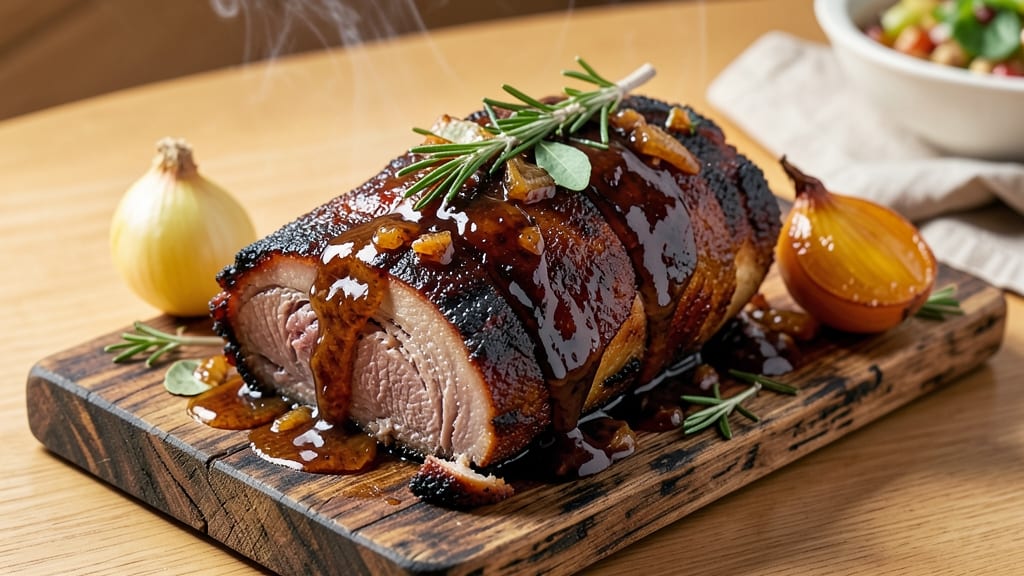
This Carolina pulled pork recipe smoker transforms a simple pork shoulder into tender, vinegar-braised perfection with a crispy bark that'll have your neighbors begging for seconds. I perfected this method during a long weekend smoke-off, where the key was balancing that tangy vinegar brine with just enough sweetness to create a sauce that clings to every bite. The slow smoke and careful wrapping ensure melt-in-your-mouth texture while developing that coveted crust.
The secret lies in the 3-2-1 method—three hours uncovered to build bark, two hours wrapped in foil to tenderize, then one hour back uncovered to crisp.
I use a mix of apple and hickory wood for that classic Carolina flavor profile, and the vinegar brine keeps the meat juicy while adding depth. This isn't just pulled pork; it's a centerpiece that deserves a proper Carolina feast to match.
By the time you're done, you'll have pulled pork so tender it falls apart at the touch, with a sauce that's perfectly balanced between tangy and sweet. The bark is crispy enough to stand up to a fork, while the meat inside is so tender it practically dissolves.
Serve it on buttery buns with classic coleslaw and you've got a meal that tastes like it came straight from a North Carolina pitmaster's smoker.
This recipe works beautifully for gatherings—just double the batch and let the smoker do the work while you enjoy the process. The leftovers reheat perfectly, making it ideal for meal prep too. Here's how to achieve that restaurant-quality result at home, step by step.
Ingredients for carolina pulled pork recipe smoker
Six pounds of pork shoulder and a smoker's worth of patience. That's all you need for Carolina perfection.
| Ingredient | Amount | Notes |
|---|---|---|
| Pork Shoulder (Bone-In) 🥓 | 6 lb | Fresh cut, 3-4 inches thick |
| White Vinegar 🍶 | 1 cup | Distilled for tangy flavor |
| Brown Sugar 🍚 | ½ cup | Packed, light or dark |
| Apple Wood Chips 🌳 | 2 lb | Unsoaked for smoky flavor |
| Hickory Wood Chips 🌳 | 1 lb | Unsoaked for classic Carolina taste |
| Yellow Onion 🧅 | 1 whole | Medium size, sliced |
| Garlic Cloves 🧄 | 6 cloves | Fresh, peeled |
| Kosher Salt 🧂 | 2 tbsp | Diamond Crystal preferred |
| Black Peppercorns 🌶️ | 1 tsp | Freshly cracked |
| Smoked Paprika 🌶️ | 1 tbsp | For depth of flavor |
| Aluminum Foil 📄 | 1 sheet | Heavy-duty, 18x12 inches |
| Butter Buns 🥖 | 12 whole | Soft, for serving |
| Fresh Cilantro 🌿 | ¼ cup | Chopped, for garnish |
| Hot Sauce 🔥 | 2 tbsp | Optional, for serving |
The pork shoulder is the star here—look for a cut with good marbling and a thick layer of fat. Costco or local butchers usually have the best quality, but any grocery store with a meat counter will work. I always grab the bone-in version (the fat cap helps keep it moist), and if it's not pre-trimmed, don't stress—just leave about a quarter-inch of fat on the surface for that crispy bark. The wood chips are non-negotiable for that authentic Carolina flavor—Traeger or Cookshack brands are my go-tos, but any good hardware store will have them. Soak them? Nah, just toss them on dry—they'll smoke perfectly without it.
No apple wood? Cherry or pecan chips work in a pinch, but hickory is your base—don't skip it. The vinegar needs to be white (not apple cider or balsamic)—it's all about that bright tang. Brown sugar can be swapped for maple syrup or honey if you're avoiding refined sugar, but the texture will change slightly. For the spice rub, if you're out of smoked paprika, regular paprika plus a pinch of cayenne gets you close. The foil should be heavy-duty—Reynolds Wrap is my go-to, but any brand that doesn't tear when you handle it will do. And if you're serving this to a crowd, double the buns—Potato buns are a great alternative if you want to switch it up.
This keeps beautifully—3-4 days in the fridge, or 2-3 months frozen if you're planning ahead. The secret to reheating is low and slow: wrap it in foil and warm in a 275°F oven for about 20 minutes. For serving, I always portion it into individual foil pans so it stays warm and the bark doesn't get soggy. The leftovers? Shred them up with a splash of the vinegar brine and a little extra brown sugar for a quick sandwich filling—game day lunch, anyone? And if you've got extra wood chips, save them for your next smoke—they're good for 2-3 uses if stored in a dry place.
Why You'll Love This Recipe
- Smoke in Minutes: The pork shoulder goes on the smoker while you mix the dry rub—no fancy prep, just season and let it do its thing. I’m talking set-it-and-forget-it while you grill burgers or toss a salad. That bone-in cut keeps it juicy, and the vinegar-brined bark? Happens almost on its own.
- Sweet-Smoky Magic: Brown sugar and applewood chips team up for a caramelized crust that’ll make you close your eyes. The hickory kicks in with that deep, campfire tang—like a Southern hug in every bite. Honestly, the first time I pulled it apart, my kids fought over the last piece.
- Budget-Buster, Crowd-Pleaser: A bone-in pork shoulder is cheaper than pre-cut slabs, and the wood chips add depth without breaking the bank. Between us, this is my go-to for potlucks, tailgates, or lazy Sundays—everyone raves, and I’m left with minimal grocery bills. Plus, the leftovers stretch for days.
Step-by-step instructions for Carolina pulled pork
Here's how to create smoky, tender pulled pork with that perfect crispy bark—just like Carolina barbecue.
Prepare the Pork Shoulder for Smoking
Start by trimming any excess fat from the 6 lb pork shoulder (bone-in), leaving about ¼ inch of fat cap for flavor and moisture. This helps create that signature crispy bark while keeping the meat tender. Pat the entire surface dry with paper towels—this step is crucial for that perfect crust.
In a small bowl, mix together 2 tbsp kosher salt, 1 tsp black peppercorns (freshly cracked), and 1 tbsp smoked paprika. Rub this dry rub all over the pork shoulder, pressing it into the meat so it adheres well. Let the seasoned pork sit uncovered in the refrigerator for at least 1 hour—this helps the rub penetrate and the meat cook more evenly.
Set Up the Smoker for Low and Slow Cooking
Combine 2 lb apple wood chips and 1 lb hickory wood chips in a smoker box or directly in your smoker. Apple adds sweetness while hickory provides that classic Carolina flavor. Soak the wood chips if your smoker requires it, but since these are unsoaked, you can add them directly to your smoker's wood chip tray.
Preheat your smoker to 225°F. You'll know it's ready when you see thin, blue smoke (not thick white steam). Place the seasoned pork shoulder fat-side up on the smoker grate—this allows the fat to render and baste the meat as it cooks. Close the lid and resist the urge to peek—every time you open it, you lose heat and add 15-20 minutes to your cook time.
Smoke Until Probe-Tender (The Long Game)
Smoke the pork shoulder undisturbed for 6-8 hours, maintaining a temperature of 225°F. This low-and-slow method breaks down the connective tissue, creating that signature tender texture. You'll notice the pork will hit "the stall" around 165-170°F—this is when the moisture evaporates and the temperature plateaus.
When the internal temperature reaches 195-203°F (and a meat probe slides in like butter), it's time to wrap. This is where the magic happens—I use the 1 sheet aluminum foil to tightly wrap the pork, trapping steam to tenderize the meat further. Return it to the smoker and continue cooking until it reaches 205°F—this can take another 1-2 hours. The result? Juicy, falling-apart tender pork with a crispy exterior.
Rest and Shred the Pulled Pork
Once the pork reaches 205°F, remove it from the smoker and let it rest for 30-60 minutes before shredding. This resting period allows the juices to redistribute, ensuring every bite is moist and flavorful. While it rests, prepare a braising liquid by combining 1 cup white vinegar and 0.5 cup packed brown sugar in a saucepan. Simmer for 5 minutes until slightly thickened.
Unwrap the pork and shred it using two forks or your hands—you're aiming for ¼-inch thick strands. Transfer the shredded pork to a large bowl and pour the vinegar-braised liquid over it. Toss gently to coat, then let it sit for 10 minutes to absorb the tangy-sweet flavors. The result? Pulled pork with that perfect balance of smoky, sweet, and tangy notes.
Assemble and Serve with Butter Buns
Warm the 12 whole butter buns in the oven at 350°F for 5 minutes to soften them up. Spoon the pulled pork onto the buns, garnish with 0.25 cup chopped fresh cilantro, and drizzle with 2 tbsp hot sauce if you like a little kick. Serve immediately with coleslaw or pickled vegetables for the full Carolina BBQ experience.
Here's the thing—this pulled pork is best served fresh off the smoker. The bark stays crispy, the meat stays tender, and the flavors are at their peak. Leftovers? Store them in the fridge for up to 4 days, but reheat gently in a skillet with a splash of broth to keep them moist. Trust me, this is the kind of dish that tastes even better the second time around.
Pro Tips For Making Carolina Pulled Pork Recipe Smoker
- USE THE PEELER FOR RUB: Don’t just pat on that brown sugar-vinegar mix—scrub it into the fat cap with a vegetable peeler. I learned this the hard way after my first batch tasted like it got half the seasoning. The peeler gets the rub into those crevices where flavor actually sticks.
- START WITH APPLE, END WITH HICKORY: Load the smoker with apple wood chips for the first 4 hours—it keeps the pork tender and sweet. Swap to hickory for the last 2 hours only if you want that bold, smoky punch. Too much hickory too soon? You’ll end up with bark instead of bark and melt-in-your-mouth meat.
- DON’T PEEK AT 200°F: The pork’s internal temp will bounce around like a pinball when you open the smoker door at low and slow temps. Let it ride at 200°F without checking until it hits 165°F—every peek steals heat and delays the process. (Yes, even if you’re impatient like me.)
- WRAP IT AT 165°F: Skip the foil wrap early—it’ll turn your pork into a sad, soggy brick. Wait until the meat hits 165°F, then wrap it tightly in butcher paper (not foil) and let it rest. This guarantees tender, pull-apart texture without turning your smoker into a steamer. (Your future self will thank you.)
Dietary considerations for this recipe
Gluten-Free Adaptations
Traditional Carolina pulled pork sandwiches use buttery buns, but gluten-free options work beautifully too. I swap the butter buns for gluten-free brioche buns from Schar or Canyon Bakehouse—they hold up well to the juicy pork.
For extra security, toast them lightly before serving to prevent sogginess. The vinegar-braised sauce actually enhances the flavor of gluten-free breads by cutting through any potential dryness. 🥖
Low-Sodium Options
If you're watching your sodium intake, reduce the kosher salt to just 1 tbsp and boost flavor with extra smoked paprika and a pinch of garlic powder. The vinegar brine still delivers tangy depth without relying on salt.
For serving, offer hot sauce on the side so guests can control their own seasoning. I've found that low-sodium soy sauce (just 1 tsp) in the braising liquid adds umami without extra salt. 🧂
Dairy-Free Swaps
Butter buns contain dairy, but vegan brioche buns from Against the Grain work perfectly—they're soft enough to handle the juicy pork. For extra richness, brush the buns with melted coconut oil instead of butter before warming.
The vinegar-braised sauce remains dairy-free, and you can garnish with vegan hot sauce like Cholula or Frank's RedHot. 🥖
Allergen-Friendly Tips
For nut allergies, stick to apple and hickory wood chips—both are nut-free. If you're avoiding mustard (common in some BBQ sauces), the vinegar-braised sauce provides plenty of tang without it. For sesame-free options, skip any garnishes that might contain sesame oil.
I always double-check labels on hot sauces and buns since cross-contamination can happen. The key is focusing on the core flavors—the pork, vinegar, and wood smoke carry the dish. ✨
Keto-Friendly Adjustments
This recipe can easily fit into a keto diet by omitting the brown sugar in the braising liquid and using erythritol or monk fruit sweetener instead. The pork itself is naturally keto-friendly, and you can serve it over low-carb coleslaw made with mayo and vinegar.
For buns, Portobello mushroom caps toasted in olive oil make an unexpected but delicious vessel. The vinegar-braised sauce remains sugar-free while keeping that signature tang. 🥑
Nutrition facts
Frequently asked questions
Can I use a different cut of pork besides shoulder?
While pork shoulder is ideal for pulled pork, you can try pork butt (Boston butt) or even pork loin in a pinch. The shoulder's fat and connective tissue create the perfect texture, but pork butt will work similarly. Just be mindful that loin is leaner and may dry out faster—keep it wrapped longer to retain moisture.
What if my smoker doesn't stay at 225°F consistently?
Don't worry—most smokers fluctuate between 200-250°F. The key is maintaining an average of 225°F over time. Use a meat thermometer to track internal temp rather than smoker temp. If it runs too hot, add more wood chips or move to a cooler spot. If too cold, increase airflow slightly.
How do I know when to wrap the pork?
Wrap when the internal temp hits 195-203°F—this is called "the stall." The meat will feel firm but not quite tender yet. Wrapping at this point traps steam, breaking down collagen faster. If you wait until 210°F, you risk drying out the exterior bark.
Can I make this in an oven instead of a smoker?
Use a 275°F oven with a water pan for moisture. Place the pork on a rack over the pan, and use wood chips in a smoker box. The cook time will be longer (8-10 hours total), but the 3-2-1 method still applies—just adjust temps accordingly. The bark won't be as crispy, but the meat will be tender.
Why does my pulled pork turn out dry?
Overcooking or unwrapping too early are common culprits. Always wrap at 195-203°F and aim for 205°F final temp. If it's still dry, try adding extra vinegar to the braising liquid or soaking the pork in 1 cup vinegar + 1 cup water for 30 minutes before smoking.