
Main Courses
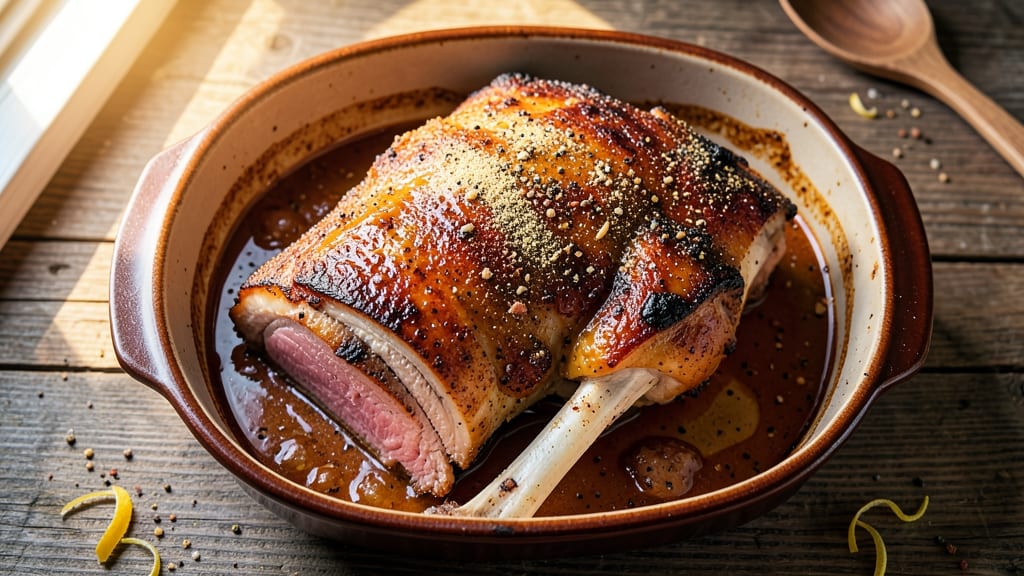
This carnivore pork shoulder crock pot recipe transforms tough cuts into melt-in-your-mouth perfection with minimal effort. The slow cooker handles all the work while you focus on the key steps: searing for depth and seasoning with simple, carnivore-approved spices.
What sets this method apart is the precision in timing and temperature—crucial for achieving that signature tender, juicy texture without a single plant-based ingredient in sight.
Professional pitmasters rely on low-and-slow cooking to break down collagen-rich pork shoulder, and this crock pot method delivers the same restaurant-quality results at home.
You'll start with a high-heat sear to develop rich crusts, then let the slow cooker do its magic over 8 hours on low or 5 hours on high, ensuring the meat reaches that ideal 203°F internal temperature for perfect pull-apart tenderness.
The beauty of this approach is its simplicity—just add your pork, a splash of liquid (broth or water), and let time work its magic.
By the time you're ready to serve, you'll have pork shoulder that practically falls apart at the touch, with a flavor profile that's rich, savory, and deeply satisfying. The slow cooking process infuses every bite with natural juices, creating a texture that's impossible to resist.
This is the kind of meal that turns a simple dinner into a carnivore-friendly centerpiece—bold, hearty, and completely plant-free.
Pair it with simple sides like roasted Brussels sprouts or a crisp green salad for a balanced meal that keeps all the focus on that perfectly cooked pork.
The best part? Leftovers reheat beautifully, making this an ideal recipe for meal prep. Let's get started with the foolproof method that delivers consistent, mouthwatering results every time.
Ingredients for carnivore pork shoulder crock pot
Four pounds of pork shoulder and a handful of carnivore-friendly spices—this is all you need for melt-in-your-mouth perfection.
| Ingredient | Amount | Notes |
|---|---|---|
| Bone-In Pork Shoulder 🥩 | 4 lb | With fat cap intact for flavor |
| Kosher Salt 🧂 | 1 ½ tbsp | Diamond Crystal preferred |
| Freshly Ground Black Pepper 🌶️ | 1 tbsp | Coarse grind for texture |
| Garlic Powder 🧄 | 1 tbsp | Freshly toasted if possible |
| Onion Powder 🧅 | 1 tbsp | No added MSG |
| Smoked Paprika 🌶️ | 1 tsp | For subtle smokiness |
| Unsalted Butter 🧈 | 2 tbsp | For searing |
| Beef Bone Broth 💧 | 1 cup | Homemade or high-quality store-bought |
| Olive Oil 🫒 | 1 tbsp | For searing |
| Apple Cider Vinegar 🍎 | 1 tbsp | For brightness |
| Fresh Rosemary 🌿 | 2 sprigs | Or 1 tsp dried |
| Fresh Thyme 🌿 | 2 sprigs | Or 1 tsp dried |
The pork shoulder is non-negotiable here—bone-in, with that fat cap intact. Costco or your local butcher are your best bets for quality cuts. Look for good marbling and avoid anything pre-cut with plastic wrapping. The fat renders down during cooking, creating a rich sauce that keeps everything juicy. I always buy mine from Whole Foods when I want the absolute best—their pork is consistently tender and flavorful. If you're on a budget, the regular supermarket pork shoulder works just fine, but trim any excess fat before searing to avoid flare-ups.
No beef bone broth? Water with a bouillon cube works in a pinch, though the flavor won't be as deep. Fresh herbs make all the difference—Trader Joe's has great bundles of rosemary and thyme that stay fresh longer than the grocery store's sad little containers. If you're using dried, crush the leaves between your fingers to release their oils. The apple cider vinegar might seem odd, but it cuts through the richness and adds a subtle tang. For the spices, Penzeys or the bulk bins at natural food stores are worth the splurge if you cook carnivore often. The smoked paprika adds just enough depth without overpowering.
This pork reheats like a dream—just add a splash of water or broth and warm through. Keeps for 5 days in the fridge or 3 months frozen. I portion mine into containers so it's ready for quick lunches. The leftovers actually taste better the next day once all the flavors meld. Store any unused broth in the freezer for future carnivore meals—it's pure liquid gold for slow-cooked dishes.
Why You'll Love This Recipe
- Garlic-Powder Magic: Honestly, the secret’s in the spices. That garlic powder? It clings to the meat like a flavor hug, while the onion powder adds this subtle depth that makes every bite feel like a little victory. (Yes, even on a Tuesday night.)
- Leftover Heaven: This recipe practically begs to be made in bulk. The pork falls apart so easily that I’ve fed a crowd with just one shoulder—pulled it for tacos, sandwiches, or even straight from the pot with a fork. No waste, all satisfaction.
- Budget Beef Without the Beef: Between us, pork shoulder is the unsung hero of affordable protein. You get more meat for less cash, and the bone-in version? Even richer flavor. It’s my go-to when I need to stretch meals without sacrificing taste—or my wallet.
Step-by-step instructions for carnivore pork shoulder crock pot recipe
Here's how to transform a tough cut into melt-in-your-mouth perfection using just your crock pot.
Season and Sear the Pork Shoulder
Start by patting the 4 lb bone-in pork shoulder dry with paper towels—this helps the seasoning stick and creates that coveted crust. In a small bowl, mix together the 1.5 tbsp kosher salt, 1 tbsp freshly ground black pepper, 1 tbsp garlic powder, 1 tbsp onion powder, and 1 tsp smoked paprika. Rub this generously all over the pork, pressing the spices into the meat so they penetrate deeply. Let it sit at room temperature for 15 minutes while you prep the sear.
Heat a large skillet over medium-high heat and add the 1 tbsp olive oil and 2 tbsp unsalted butter. Once the butter foams, add the pork shoulder fat-side down and sear for 4-5 minutes until deeply golden brown. Flip and sear the other side for another 3-4 minutes. This step builds flavor through the Maillard reaction—don't rush it, even if it means your kitchen smells amazing. Transfer the seared pork to a plate and set aside.
Build the Crock Pot Base
In the same skillet (no need to clean it—the browned bits are flavor gold), pour in the 1 tbsp apple cider vinegar and scrape up all those delicious fond pieces from the bottom. Let it simmer for 1 minute until the vinegar reduces slightly and the aromas intensify. Transfer this liquid to your crock pot.
Add the 1 cup beef bone broth, 2 sprigs fresh rosemary, and 2 sprigs fresh thyme to the crock pot. Stir everything together, then place the seared pork shoulder fat-side up in the center of the pot. The fat will render down and baste the meat as it cooks, creating layers of flavor. Here's the thing—don't overcrowd the pot. If your crock pot is small, you might need to cook it in batches or use a larger one.
Cook Low and Slow for Maximum Tenderness
Cover the crock pot and cook on low heat for 8 hours. That's right—eight hours. This long, slow cook time is what transforms tough pork shoulder into fork-tender perfection. The collagen in the connective tissue breaks down gradually, creating that signature pull-apart texture. I know it's tempting to check on it, but resist the urge to peek or lift the lid—every time you do, you're letting out precious steam and adding time to your cook.
After 8 hours, check the internal temperature using a meat thermometer. It should read 200-205°F at its thickest part. If it's not there yet, continue cooking for another 1-2 hours on low. The meat is done when it's so tender that a fork slides in like butter with no resistance. This is the moment you've been waiting for—where all that tough muscle fiber transforms into something luxurious.
Rest and Shred for Perfect Texture
Once the pork reaches the perfect temperature, turn off the crock pot and let the meat rest in the juices for at least 30 minutes. This resting period is crucial—it allows the juices to redistribute throughout the meat instead of pooling out when you cut into it. I usually let it rest for 45 minutes to 1 hour if I can, especially if I'm making it ahead for a meal.
Remove the pork shoulder from the crock pot and transfer it to a cutting board. Discard the rosemary and thyme sprigs. Using two forks, shred the meat against the grain into ¼-inch thick strands. The meat should pull apart easily, with no resistance. If it's still slightly tough, it needs more time in the crock pot—don't force it. The juices from the crock pot will have thickened into a rich, flavorful sauce. Skim off any excess fat if you prefer a leaner presentation, or leave it for extra richness.
Pro Tips For Making Carnivore Pork Shoulder Crock Pot
- Salt the Meat First: Pat the pork shoulder dry, then rub it with 2 teaspoons kosher salt per pound at least 30 minutes before cooking—ideally overnight. I used to skip this, thinking the crock pot would handle it, but the seasoning sticks better and penetrates deeper when the meat has time to absorb it.
- Start Hot, Then Slow: Sear the bone-in pork shoulder in a hot skillet for 3-4 minutes per side before dumping it into the crock pot. The Maillard reaction kicks in early, locking in flavor, and the high heat jumpstarts the collagen breakdown—your meat will pull apart more easily later.
- Skip the Overcrowding: Load the crock pot no more than halfway full with liquid (or nothing at all if you’re keeping it dry). I learned this after a batch turned out soggy; the pork shoulder needs room to render fat and stay tender, not steam in its own juices.
- Use a Meat Thermometer: Pull the pork when it hits 195-203°F—not when it looks done. The bone-in cut keeps the internal temp lower than boneless, so guessing leads to dry meat. A cheap probe thermometer is worth it here.
Storing and reheating your leftovers
Fridge Storage Tips
Let your cooked pork shoulder cool completely before storing—about 2 hours at room temperature. Transfer to an airtight container with the juices (they're flavor gold!) and refrigerate for up to 5 days.
I use glass containers with snap-on lids because they keep the meat moist longer than plastic. Store in a single layer if possible to prevent squishing. 🧊
Freezer Prep
For longer storage, freeze your pork shoulder in quart-sized freezer bags with 1 inch headspace for expansion. Remove as much air as possible to prevent freezer burn. Label with the date—this keeps for 3 months without losing quality.
I portion mine into individual servings so I can grab what I need without thawing the whole batch.
Thawing Methods
Never thaw pork at room temperature—it's a food safety risk. Instead, transfer your frozen pork to the fridge 24 hours before you plan to reheat.
For a quicker option, use the cold water bath method: seal the meat in a leak-proof bag and submerge in cold water, changing the water every 30 minutes until thawed. Never use hot water—it creates dangerous bacteria growth zones.
Reheating Perfection
My go-to method is stovetop reheating: place pork and its juices in a skillet over medium-low heat for 10-15 minutes, stirring occasionally. Add 1-2 tablespoons of water or broth if it looks dry.
For microwave reheating, use 50% power in 2-minute intervals, stirring between each, until reaching 165°F internal temperature. Always reheat until steaming hot throughout.
Leftover Magic
These leftovers actually taste better the next day as the flavors meld. I love using them for carnivore-friendly breakfast hash—just crumble the pork into a skillet with a pat of butter and cook until crispy.
The rendered fat adds amazing flavor to any dish. For quick lunches, pile the pork onto lettuce wraps with a dollop of mustard or mayo for that perfect carnivore meal. 💪
Nutrition facts
Frequently asked questions
Can I use a different cut of pork instead of pork shoulder?
Pork shoulder is ideal for this recipe because of its collagen-rich connective tissue, which breaks down beautifully during slow cooking. However, you can substitute with pork butt (they're essentially the same cut) or pork picnic roast. Avoid leaner cuts like tenderloin—they won't have the same texture or flavor development. If you must use a leaner cut, add 1 extra hour of cooking time to compensate.
What if my crock pot is too small for the pork shoulder?
If your crock pot is small, cook the pork in batches or use a larger pot. For best results, leave at least 1 inch of space around the meat to allow for even cooking. If you must stack, place the second piece on top of the first after 4 hours of cooking. The meat will still turn out tender, though you may need to add 30-60 minutes to the total cook time.
How do I know when the pork shoulder is fully cooked?
Use a meat thermometer to check the internal temperature at the thickest part of the meat. It should reach 200-205°F for perfect tenderness. The meat will pull apart easily with a fork, and the juices should run clear. If it's not quite there, continue cooking for another 1-2 hours on low heat. Never rely on visual cues alone—this is the only way to ensure food safety and ideal texture.
Can I make this recipe without a crock pot?
For an oven method, preheat to 275°F and roast the pork on a rack in a pan for 6-8 hours until it reaches 203°F internally. For a slow cooker alternative, use a Instant Pot on high pressure for 90 minutes followed by a 15-minute natural release. The key is maintaining that low-and-slow approach to break down the collagen properly.
What are the best carnivore-friendly sides to serve with this?
Keep it simple with butter-basted greens, fried eggs, or sautéed mushrooms. For extra richness, try crispy pork rinds or cheddar cheese crisps. The rendered fat from the pork shoulder makes everything taste even better—just spoon some of that delicious sauce over your sides before serving.