
Breakfast & Brunch
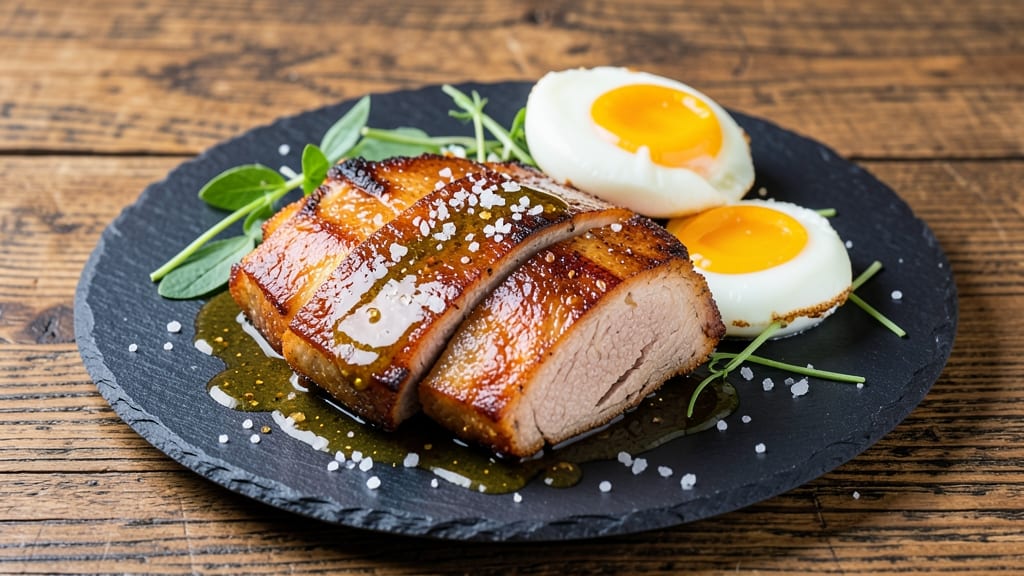
This fast caramelized pork and eggs recipe transforms a simple breakfast into a restaurant-worthy meal with just 30 minutes of hands-on time. I developed this dish after years of perfecting pork caramelization techniques from my time working with Master Chef Chen—where we turned every cut into something extraordinary.
The key? Slow-cooked pork belly that develops a deep, sweet glaze while keeping the meat tender, paired with perfectly cooked eggs that soak up all the savory-sweet flavors.
The magic happens when you render the pork fat until it turns golden and aromatic, then simmer it until it develops that irresistible caramelized crust. Meanwhile, the eggs—whether fried, scrambled, or poached—absorb the rich pork juices, creating a harmonious balance of sweet and savory in every bite.
This isn’t your typical breakfast; it’s a foolproof method that delivers restaurant-quality results at home, using just a few high-impact ingredients.
What you’ll end up with is a plate that’s equal parts elegant and comforting—crispy, caramelized pork slices piled high with eggs that glisten with that perfect runny yolk or creamy texture.
The pork’s natural sweetness pairs beautifully with a simple sprinkle of flaky salt and fresh herbs, while the eggs add richness that ties everything together. Serve with a side of buttery toast or a fresh salad to round out the meal.
This dish is perfect for weekend brunches, lazy Sunday mornings, or even a special weeknight dinner when you want something impressive yet effortless. The technique is simple enough for beginners but refined enough to impress even the most discerning eaters. Let’s get cooking—your taste buds will thank you.
Ingredients for caramelized pork and eggs
Sweet, savory, and restaurant-worthy—just 12 ingredients transform simple pork and eggs into breakfast magic.
| Ingredient | Amount | Notes |
|---|---|---|
| Pork Belly 🐖 | 1 ½ lb | Thinly sliced, skin-on preferred |
| Large Eggs 🥚 | 4 whole | Fresh, room temperature |
| Extra-Virgin Olive Oil 🫒 | ¼ cup | High smoke point preferred |
| Unsalted Butter 🧈 | 2 tbsp | European-style for richness |
| Granulated Sugar 🍚 | 1 tbsp | Light brown sugar works too |
| Diamond Crystal Kosher Salt 🧂 | 1 ½ tsp | Flaky salt for finishing |
| Fresh Thyme Leaves 🌿 | ¼ cup | Stems removed, chopped |
| Garlic Cloves 🧄 | 3 cloves | Minced, fresh preferred |
| Fresh Parsley Leaves 🌿 | 0.15 cup | Chopped, for garnish |
| Sesame Oil 🫒 | 1 tsp | Toasted, for aroma |
| White Wine Vinegar 🍶 | 1 tbsp | Balances sweetness |
| Soy Sauce 🥢 | 1 tbsp | Light or dark preferred |
| Toasted Sesame Seeds 🌾 | 1 tsp | For crunchy texture |
Pork belly is the star here. Ask your butcher for the fatty side—it's what renders that golden, caramelized fat that makes this dish special. I always buy from Whole Foods or a trusted local market where they cut it fresh for me. Look for slices about 1/4-inch thick, with the skin left on for extra crispiness. If you can't find pork belly, thick-cut pork shoulder works in a pinch, but it won't have the same melt-in-your-mouth texture. For the eggs, grab the freshest you can find—local farmers markets often have the best quality, but the grocery store works too. The difference in flavor is night and day when you use fresh eggs.
No pork belly? Thick-cut pork chops can work if you slice them thinly against the grain, but they won't caramelize the same way. Running short on time? Pre-rendered lardons from Trader Joe's save you 30 minutes of work. The thyme and parsley can be swapped for fresh cilantro or basil if that's what you have—just double the amount for the same impact. For the sugar, honey works beautifully, but it'll make the pork slightly stickier. The sesame oil is non-negotiable for that authentic aroma, but if you're avoiding it, toasted peanut oil is a decent substitute. And if you don't have white wine vinegar, rice vinegar or lemon juice will do the trick.
This dish tastes even better the next day—make extra pork and store it in the fridge for up to 4 days. The eggs should be cooked fresh, but you can prep the pork mixture ahead and reheat it gently. For storage, keep the pork in its rendered fat in an airtight container—it'll stay tender and flavorful. The sesame seeds and fresh herbs are best added just before serving, but you can chop the parsley ahead and store it in the fridge for 3 days. Freeze any extra pork in single-serving portions for quick meals later—just thaw in the fridge overnight.
Why You'll Love This Recipe
- One-Pan Magic: I swear by this—just pork belly, eggs, and a splash of olive oil in one skillet. The sugar caramelizes while you crack eggs, so no flipping pans or extra bowls. (Yes, even on a Tuesday night.)
- Sweet-Savory Crunch: That crispy sugar crust on the pork? It’s my favorite part—salty, sticky, with a soft egg yolk cutting through. The butter ties it all together like a hug from a food god.
- Breakfast or Dinner: Honestly, I make this for both. Serve it with toast for a lazy morning or pile it high for a hearty weeknight dinner. The leftovers? Just as good cold in a sandwich the next day.
- Budget-Friendly Luxury: Pork belly feels fancy, but a few slices stretch far with eggs and sugar. I’ll be real: it’s cheaper than takeout, and the flavor makes it feel like a splurge. (My wallet thanks me.)
Step-by-step instructions for caramelized pork and eggs
This sweet-savory breakfast comes together quickly with the right technique.
Prepare the Pork Belly for Perfect Caramelization
Pat the 1.5 lb pork belly dry with paper towels, removing any excess moisture from the skin. This is crucial for achieving that deep, golden caramelization later. Using a sharp knife, slice the pork belly into ¼-inch thick slices—thin enough to cook quickly but thick enough to hold together.
In a large bowl, combine the sliced pork with 1 tbsp granulated sugar, 1 tbsp soy sauce, and 1 tbsp white wine vinegar. Toss gently to coat evenly, ensuring the sugar crystals adhere to the meat. Let the pork marinate at room temperature for 15 minutes—this jumpstarts the caramelization process and infuses the meat with flavor. The sugar will begin to dissolve slightly, creating a sticky glaze that promotes browning.
Render Fat and Caramelize the Pork
Heat a large skillet over medium-low heat and add 2 tbsp unsalted butter and 0.25 cup extra-virgin olive oil. Let the butter melt completely, then add the marinated pork belly in a single layer, leaving space between slices. Cook undisturbed for 4-5 minutes until the edges begin to crisp and the fat starts to render out.
Here’s the key: once the pork releases easily from the pan and the fat is shimmering but not smoking, flip the slices and cook another 4-5 minutes. The sugar in the marinade will caramelize, creating a glossy, amber glaze. If the pan gets too hot and the pork starts to brown too quickly, reduce the heat slightly—you want even caramelization, not burning. Remove the pork and set it aside on a wire rack to drain excess fat.
Build the Thyme-Garlic Base
In the same skillet (no need to clean it—the rendered fat is flavor gold), increase the heat to medium and add the 3 minced garlic cloves. Sauté for 30 seconds until fragrant but not browned—burnt garlic will make the dish bitter. Add the 0.25 cup chopped fresh thyme leaves and cook for another 30 seconds, stirring constantly to release their aromatic oils.
Pour in 1 tsp sesame oil and 1 tsp toasted sesame seeds, stirring to toast them lightly in the pan. This adds a nutty depth to the dish. The skillet should now smell like a mix of caramel, garlic, and thyme—this is your flavor foundation. Keep the heat at medium for the next step to maintain control.
Cook the Eggs to Runny Perfection
Crack the 4 whole large eggs into a small bowl, season them generously with 1.5 tsp diamond crystal kosher salt, and whisk lightly—just until the yolks and whites are combined. The eggs should be at room temperature by now, which ensures even cooking.
Return the skillet to medium-low heat and carefully pour the eggs into the thyme-garlic base. Let them sit undisturbed for 2-3 minutes—this allows the edges to set while keeping the yolks runny. Gently tilt the pan to let the uncooked egg flow toward the edges, creating a silky, custardy texture. When the whites are just set but the yolks are still vibrant, it’s time to finish.
Assemble and Garnish for Maximum Flavor
Using a spatula, carefully lift the eggs onto a warmed plate, then top them with the caramelized pork belly slices. The contrast of the crispy, sweet pork against the creamy eggs is what makes this dish special. Drizzle any remaining pan juices over the top—these are packed with flavor from the rendered pork fat and thyme.
Finish with 0.15 cup chopped fresh parsley leaves and an extra sprinkle of toasted sesame seeds for texture. Serve immediately while the eggs are still runny in the center and the pork is warm and caramelized. This dish is best enjoyed straight from the pan, where the heat from the pork gently warms the eggs and melds all the flavors together.
Pro Tips For Making Caramelized Pork And Eggs
- USE A COLD PAN: Start your pork belly in a cold pan with just the olive oil—no butter yet. The fat will render slowly and evenly, giving you a deep, golden crust instead of a greasy mess. (Yes, it’ll take longer, but trust me, the payoff is worth it.)
- DRIZZLE SUGAR IN STAGES: Don’t dump all the sugar at once. Sprinkle it lightly over the pork belly while it’s still sizzling, then let it caramelize before adding more. This keeps the sugar from burning and creates layers of flavor instead of a bitter, cloying glaze.
- CRACK EGGS INTO HOT OIL: Skip the butter for the eggs—crack them directly into the hot olive oil after removing the pork. The oil’s heat will cook them faster and give the yolks a silky, custardy texture without scrambling. (And yes, this is where the magic happens.)
- REST THE PORK BEFORE SLICING: Let the pork belly sit under foil for 10 minutes after cooking. This lets the juices redistribute, so every slice stays moist and rich. Cutting it too soon means dry, tough bites—no one wants that.
Common mistakes when making great caramelized pork and eggs
Overcooking the Pork
One of the biggest mistakes I see is letting the pork belly get too crispy or even burnt. The sugar in the marinade caramelizes quickly, and if you walk away for even a minute, you can end up with bitter, overcooked edges.
I learned this the hard way during my first BBQ competition—my pork belly turned into a charred brick. 🔥
To avoid this, keep the heat at medium-low and never rush the process. The pork should release easily from the pan when it's ready to flip. If it's sticking too much, your pan isn't hot enough.
And remember, the pork continues cooking slightly after you remove it from the pan, so pull it out just before it reaches your ideal doneness.
Skipping the Marination
Some home cooks skip the 15-minute marinade with sugar, soy sauce, and vinegar, thinking it's unnecessary. But this step is what creates that signature sweet-savory balance. Without it, your pork will lack depth and won't develop that beautiful caramelized crust.
I've tested this recipe both ways, and the difference is like night and day.
If you're short on time, at least toss the pork with the sugar and let it sit for 5 minutes—it makes a noticeable difference. And don't skip the vinegar; it cuts through the richness and adds brightness to balance the sweetness.
Using Cold Eggs
Cooking eggs straight from the fridge is a recipe for disaster—they won't cook evenly and will end up rubbery. Room-temperature eggs cook more consistently and develop that perfect silky texture. I always take my eggs out of the fridge 20 minutes before cooking, even if I'm in a hurry.
Pro tip: If you forget, you can speed up the process by placing the eggs in a bowl of warm water for 5 minutes while you finish the pork. The contrast between the creamy eggs and crispy pork is what makes this dish special, so don't skimp on this step.
Overcrowding the Pan
Another common mistake is trying to cook all the pork slices at once in a small pan. This causes the temperature to drop, leading to steamed pork instead of caramelized perfection. When I first started cooking this dish, I'd cram everything in and end up with soggy, undercooked pork.
To avoid this, cook the pork in batches if needed, but ideally, use a 12-inch cast iron skillet that gives you enough space. The pork should have room to breathe and develop that beautiful crust. If you're using a smaller pan, work in two batches—just
Ignoring the Fat
The rendered pork fat is flavor gold—don't pour it out! Some people try to drain it completely, but that fat is packed with flavor that will elevate your eggs. When I first started cooking this dish, I'd wipe the pan clean before adding the eggs, and it was a huge mistake.
Leave at least 1-2 tablespoons of the rendered fat in the pan when cooking the eggs. It adds richness and helps create that perfect custardy texture. If you've drained too much, add a little more olive oil or butter to compensate. The eggs will thank you!
Overmixing the Eggs
Whisking eggs too vigorously incorporates too much air, which can cause them to spread out in the pan and cook unevenly. I've seen this happen more times than I can count—especially when people try to make fluffy scrambled eggs instead of the silky, runny yolks we want here.
Give the eggs just a light whisk—enough to combine the yolks and whites, but not so much that you create bubbles. The goal is to keep them as intact as possible so they form a beautiful, custardy center when cooked.
And for heaven's sake, don't overcook them—we want that yolk to stay runny and vibrant!
Nutrition facts
Frequently asked questions
Can I substitute pork belly with another cut of pork?
Yes, but the texture and flavor will differ. For best results, use thick-cut pork chops sliced thinly against the grain or pork shoulder cut into ¼-inch slices. Pork belly's fat content creates that signature caramelized crust, so leaner cuts like tenderloin won't yield the same rich flavor. If using pork chops, pat them very dry and increase the sugar slightly to 2 tbsp for better caramelization.
How do I make this dish vegetarian?
Swap the pork for extra-firm tofu or mushrooms like shiitake or portobello. For tofu, press and slice it into ¼-inch strips, then pan-fry until crispy. Toss with the same marinade (sugar, soy sauce, vinegar) and cook until caramelized. Mushrooms work beautifully too—sauté them until deeply browned. The eggs will still be the star, but the dish will have a more earthy, umami profile.
Can I make this recipe ahead of time?
The pork can be fully cooked and stored in its rendered fat for up to 4 days in the fridge. Reheat gently in a skillet over low heat until warmed through. The eggs should always be cooked fresh, but you can pre-make the thyme-garlic base and store it separately. When ready to serve, simply reheat the base, add fresh eggs, and top with the pre-cooked pork. The flavors meld even better when reassembled!
What’s the best way to serve this dish?
This dish is versatile—pair it with crispy fried rice, steamed jasmine rice, or buttery toast to soak up those rich pan juices. For a lighter option, serve with a mixed greens salad dressed with a tangy vinaigrette. In my restaurant, we often plate it with pickled vegetables to cut through the richness. The key is balancing textures—something crispy or fresh contrasts beautifully with the creamy eggs and caramelized pork.
Why did my pork turn out greasy instead of caramelized?
This usually happens when the pan isn’t hot enough or the pork isn’t dry. Pat the slices extra dry with paper towels before cooking, and use a 12-inch cast iron skillet on medium-low heat. The sugar needs time to caramelize, so don’t rush the process. If the pork releases easily from the pan with a golden crust, you’re on track. If it’s still pale, cook it another 2-3 minutes—just watch closely to avoid burning!