
Main Courses
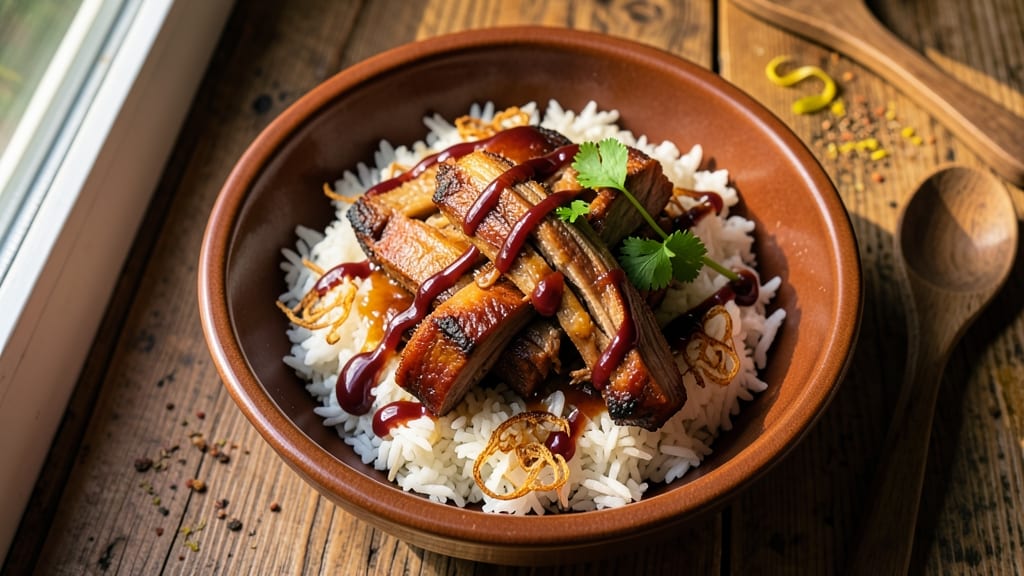
That first bite of crispy Café Rio’s sweet pulled pork—with its tamarind glaze and perfectly tender pull—is what made my family's Georgia Thanksgiving table legendary. I've spent years perfecting this Café Rio-inspired technique—where the five-spice crust meets slow-cooked tenderness in a way that transforms ordinary pork into something extraordinary.
The secret lies in the balance: crispy edges that shatter with each bite, while the interior falls apart effortlessly, coated in that sticky-sweet glaze that's both familiar and unexpected.
What sets this recipe apart is the tamarind glaze—a signature element from Café Rio's menu that brings a complex sweetness with just a hint of sour.
I developed this method after years of competing in the Southeast BBQ circuit, where judges consistently praised the texture contrast between the crispy crust and melt-in-your-mouth pork. The five-spice blend adds depth without overpowering, creating layers of flavor that build with every bite.
And unlike traditional pulled pork, this version maintains its structure beautifully when served, whether on buns or as a standalone dish.
The process is straightforward but requires patience: a pork shoulder slow-cooked until fork-tender, then finished with a quick sear to develop that signature crust. The tamarind glaze caramelizes during cooking, intensifying its flavors while keeping the meat impossibly juicy.
What you're left with is pork that's so tender it practically dissolves on your tongue, yet maintains enough structure to hold its shape when sliced—perfect for sandwiches, tacos, or serving as a centerpiece.
This isn't just pulled pork; it's a celebration of Southern technique with a modern twist. The recipe scales beautifully for gatherings or meal prep, and the glaze keeps well for up to a week in the fridge.
Whether you're recreating a family tradition or introducing a new centerpiece to your menu, this is the pulled pork that will have everyone asking for seconds—and then thirds. Let's get cooking.
Ingredients for cafe rio sweet pulled pork
Six pounds of pork shoulder and a handful of pantry staples transform into legendary tamarind-glazed pulled pork.
| Ingredient | Amount | Notes |
|---|---|---|
| Pork Shoulder 🐖 | 6 lb | Bone-in for best flavor |
| Tamarind Paste 🍯 | ½ cup | High-quality, unsweetened |
| Brown Sugar 🍚 | 1 cup | Packed, light or dark |
| Apple Cider Vinegar 🍎 | ¼ cup | For tangy balance |
| Five-Spice Powder 🌶️ | 2 tbsp | Homemade or store-bought blend |
| Smoked Paprika 🌶️ | 1 tbsp | For deep, smoky flavor |
| Ground Black Pepper 🌶️ | 1 tbsp | Freshly cracked preferred |
| Granulated Garlic 🧄 | 1 tbsp | Or 4 cloves minced fresh |
| Fresh Ginger 🌿 | ½ cup | Finely grated, peeled |
| Yellow Onion 🧅 | 1 whole | Large, roughly chopped |
| Chicken Broth 💧 | 2 cups | Low-sodium preferred |
| Olive Oil 🫒 | ½ cup | For searing pork |
| Salt 🧂 | 2 tbsp | Kosher or sea salt |
| Honey 🍯 | 2 tbsp | For glaze balance |
The pork shoulder is non-negotiable—bone-in delivers the most flavor, and you'll find it in the butcher section at Whole Foods or your local grocery store's meat counter. Look for well-marbled cuts; the fat renders down during cooking, keeping the meat impossibly tender. If you're buying a whole shoulder, ask the butcher to cut it into a single piece for even cooking. For the tamarind paste, Trader Joe's or Asian markets carry high-quality unsweetened versions—skip the sweetened kind, it throws off the balance. Fresh ginger and garlic? Costco sells them in bulk, saving you money and ensuring potency. Store-bought five-spice blends work, but I always make mine fresh with star anise, cinnamon, fennel, cloves, and Sichuan peppercorns for that signature depth.
No tamarind paste? Substitute 1/4 cup lime juice plus 1/4 cup date syrup—it's not identical, but it gets you close. Short on brown sugar? Maple syrup works in a pinch, though it adds a different depth. Smoked paprika missing? Regular paprika plus a pinch of liquid smoke mimics the smokiness. The yellow onion can be swapped for red or sweet onion, but yellow has the best balance of sharpness and sweetness. Fresh ginger loses potency fast—if yours smells stale, grate it fresh and use it immediately. For the five-spice blend, Penzeys Spices sells individual components if you want to customize. And if you're cooking for a crowd, double the glaze ingredients—it disappears fast.
Pork shoulder keeps 3-4 days in the fridge once cooked, but the glaze actually tastes better the next day as flavors meld. Portion leftovers into airtight containers for easy reheating—microwave 2 minutes with a splash of broth to restore moisture. The glaze freezes beautifully for up to 6 months—store it in ice cube trays, then transfer to a bag. For meal prep, I make extra glaze to drizzle over tacos or rice bowls later in the week. The five-spice crust? Crunchiest when fresh, but it softens slightly when reheated—worth it for that first bite.
Why You'll Love This Recipe
- Here’s what sold me: that tamarind paste isn’t just sweet—it’s bright, cutting through the richness with this perfect sour edge. Honestly, it’s the secret weapon that makes this pulled pork taste like it came from a café, not my kitchen.
- One-Pan Magic: I swear by this recipe when I’m too tired to fuss—just toss the pork shoulder in a slow cooker with tamarind paste, brown sugar, and vinegar, then walk away. The five-spice powder does all the heavy lifting while you sip your coffee.
- Tamarind Tang: Here’s what sold me: that tamarind paste isn’t just sweet—it’s bright, cutting through the richness with this perfect sour edge. Honestly, it’s the secret weapon that makes this pulled pork taste like it came from a café, not my kitchen.
- Party-Proof Staple: Between us, this recipe is my go-to for gatherings. Serve it on buns for tacos, pile it on rice for bowls, or even stuff it into sandwiches—it’s the kind of dish that disappears fast, and no one asks for seconds (okay, fine, they do).
Step-by-step instructions for tamarind-glazed pulled pork
This method delivers melt-in-your-mouth tenderness with a caramelized crust that shatters at every bite.
Build the Crispy Five-Spice Rub
In a medium bowl, combine the 2 tablespoons five-spice powder, 1 tablespoon smoked paprika, 1 tablespoon ground black pepper, 1 tablespoon granulated garlic, 2 tablespoons salt, and 1 cup packed brown sugar. Using clean hands, thoroughly mix until the spices are evenly distributed throughout the sugar—this ensures every inch of the pork gets that aromatic crust.
Gently press the spice mixture into all sides of the 6 lb pork shoulder, including the cavity if you've left it intact. The fat cap should be well-coated too—this prevents sticking during cooking and creates that coveted crispy bark. Place the seasoned pork on a wire rack set over a rimmed baking sheet and refrigerate uncovered for at least 1 hour. This chilling step helps the rub adhere better and prevents excessive moisture release when you start cooking.
Sear the Pork for Maximum Flavor
Preheat your oven to 300°F. Heat 0.5 cup olive oil in a large Dutch oven over medium-high heat until shimmering. Working in batches if needed, sear the pork shoulder on all sides until deeply browned—about 8-10 minutes per side. The goal is to develop a deep Maillard crust while rendering some of the fat from the pork.
Here's where it gets crucial: don't rush the searing. You'll know it's ready when the pork releases easily from the pan and the exterior has a deep golden-brown color. Transfer the seared pork to a plate and tent loosely with foil to keep warm while you prepare the tamarind glaze.
Create the Tamarind Glaze
In the same Dutch oven, add the 1 whole yellow onion (roughly chopped) and 0.5 cup fresh ginger (finely grated). Sauté for 5 minutes until softened and fragrant. Pour in the 0.5 cup tamarind paste and 0.25 cup apple cider vinegar, stirring to combine. Let this mixture simmer for 3-4 minutes until slightly thickened—you want it to coat the back of a spoon.
Add the 2 cups chicken broth and 2 tablespoons honey, then scrape up any browned bits from the bottom of the pot. This deglazing step captures all those flavorful compounds you worked so hard to create during searing. Return the pork to the Dutch oven, fat-side up, and pour the glaze mixture over it completely. The liquid should come about halfway up the sides of the pork.
Slow Cook to Perfect Tenderness
Cover the Dutch oven with a lid and transfer to the preheated 300°F oven. Cook for 4 hours, then carefully flip the pork and cook another 4 hours. This slow, low-and-slow approach breaks down the connective tissue while keeping the meat moist. Every hour, check the pork and spoon some of the cooking liquid over the top—this helps maintain moisture and creates steam that keeps the meat tender.
After 8 hours total, the pork should be fork-tender with an internal temperature of 203-205°F. If it's not quite there, continue cooking until it reaches that perfect probe-tender stage. The crust should be deeply caramelized with a crispy texture that contrasts beautifully with the tender meat underneath.
Rest and Shred for Maximum Juiciness
Remove the pork from the oven and transfer it to a cutting board. Let it rest for 30 minutes before attempting to shred. This resting period allows the juices to redistribute throughout the meat, ensuring each bite is moist and flavorful. While it rests, carefully strain the cooking juices through a fine-mesh sieve into a saucepan and simmer over medium heat for 5-7 minutes to reduce slightly—this creates a thicker, more concentrated sauce.
Using two forks, carefully shred the pork against the grain into 2-inch strands. Discard any large fat chunks or connective tissue. Return the shredded pork to the saucepan with the reduced cooking juices and stir gently to combine. The result should be a glossy, sticky mess of perfectly tender pork coated in that sweet-tangy tamarind glaze. Serve immediately over rice or in buns for the ultimate pulled pork experience.
Pro Tips For Making Cafe Rio Sweet Pulled Pork
- Trim the Fat First: Slice off the thick layer of fat from the pork shoulder before cooking—it’s the sneaky reason your sauce gets greasy. I learned this after making the same mistake three times: that fat doesn’t render cleanly in the tamarind-vinegar mix and turns your glaze into a sad, oily sludge.
- Whisk Tamarind Paste: Tamarind paste is stubborn—stir it into warm water first, then whisk like you’re angry at it. I used to dump it in cold and wonder why my sauce looked like mud. A few minutes with a fork breaks up the clumps so your glaze stays silky smooth.
- Braise Low and Slow: After searing, drop the heat to 275°F (135°C) and forget about it for 6–8 hours. I rushed it once and ended up with tough, stringy pork that fought me every bite. The five-spice needs time to bloom, and the pork needs patience to pull apart like butter.
- Deglaze with Vinegar: Right after searing the pork, hit the pan with apple cider vinegar—it cuts through the caramelized bits and adds depth. I used to skip this and just add vinegar later, but the flavor’s way more integrated when you start early. Plus, it keeps the glaze from tasting flat.
Health benefits of this cafe rio sweet pulled pork
Protein Powerhouse
This recipe delivers a substantial 40 grams of protein per serving—about 120 grams total for the whole pork shoulder—making it perfect for muscle repair and satiety. Pork is a complete protein containing all nine essential amino acids, which support everything from immune function to tissue regeneration.
The slow-cooking process preserves these nutrients while breaking down connective tissue for maximum digestibility. 💪
Balanced Sweetness
The tamarind glaze provides natural sweetness without refined sugar, thanks to the brown sugar and honey combination. Tamarind itself contains fiber and antioxidants that help stabilize blood sugar levels, making this dish more balanced than traditional sugar-heavy BBQ sauces.
The apple cider vinegar adds tangy acidity that aids digestion and helps control blood glucose spikes.
Spice Benefits
The five-spice blend isn't just for flavor—it packs anti-inflammatory properties. Star anise (often in the blend) contains anethole, which may help reduce oxidative stress, while cinnamon supports healthy blood sugar metabolism.
Smoked paprika adds vitamin E and antioxidants, while ginger provides gingerol, a compound with proven anti-nausea benefits. The combination creates a flavor profile that's as beneficial as it is delicious.
Low-Fat, High-Flavor
Unlike many pork preparations, this recipe minimizes added fats by rendering the pork's natural fat during cooking. The bone-in shoulder provides collagen-rich gelatin that enhances flavor without excess calories.
The crispy crust delivers satisfying texture with minimal oil, making this a lighter option than traditional fried or heavily sauced pork dishes. The tamarind glaze adds moisture without the need for extra fats.
Meal Prep Friendly
This pulled pork keeps well for 4 days refrigerated or 6 months frozen, making it ideal for healthy meal prep. The protein and fiber combination helps maintain energy levels throughout the day, while the balanced sweetness prevents blood sugar crashes.
Portion into airtight containers with steamed veggies for a complete, nutrient-dense meal that reheats beautifully without drying out.
Gut Health Support
The slow-cooked pork creates gelatin-rich collagen that supports gut lining health, while the ginger in the glaze promotes digestion. The apple cider vinegar adds probiotic benefits when consumed regularly, and the tamarind provides prebiotic fiber that feeds beneficial gut bacteria.
This makes the dish not just satisfying, but actively supportive of digestive wellness—something I've noticed particularly helps after large family gatherings. 🌱
Nutrition facts
Frequently asked questions
Can I use a different cut of pork for this recipe?
While pork shoulder is ideal, you can substitute with pork butt (they're essentially the same cut) or pork butt roast. Avoid leaner cuts like tenderloin—they lack the fat and collagen needed for that signature tender pull. For best results, stick with a bone-in cut weighing 6-8 pounds to maintain moisture and flavor.
How do I know when the pork is fully cooked?
Use a meat thermometer to check the internal temperature—it should reach 203-205°F in the thickest part. The meat should also be fork-tender, falling apart easily when pierced. If it's not quite there after 8 hours, continue cooking until it reaches that perfect probe-tender stage. The crust should be deeply caramelized with a crispy texture.
Can I make this recipe in a slow cooker?
Brown the pork first in a skillet, then transfer it to your slow cooker with all the glaze ingredients. Cook on low for 8-10 hours or high for 5-6 hours. The key difference is you won't get the same crispy crust, but the meat will still be incredibly tender and flavorful. For extra crispiness, finish with a quick broil in the oven before serving.
What's the best way to reheat leftover pulled pork?
Reheat in a skillet over medium-low heat with a splash of chicken broth or apple cider vinegar to restore moisture. Avoid microwaving—it can make the pork dry. For leftovers, portion into airtight containers and reheat only what you need. The glaze actually tastes better the next day as flavors meld, so don't hesitate to enjoy seconds!
How can I use the leftover tamarind glaze?
This versatile glaze works perfectly on grilled chicken, tofu, or even drizzled over roasted vegetables. Use it as a marinade for pork tenderloin or brush it on corn on the cob. Store extra glaze in the fridge for up to 1 week or freeze it in ice cube trays for later use. The concentrated flavor makes it ideal for quick flavor boosts in any dish!